


Primary sourceDocument1833
Declaration of Sentiments of the American Anti-Slavery Society
William Lloyd Garrison · 1833
The founding document of the American Anti-Slavery Society, written mainly by William Lloyd Garrison in 1833, condemning slavery as sin.
Mott attended this founding convention as one of the few women present and helped shape its final wording.
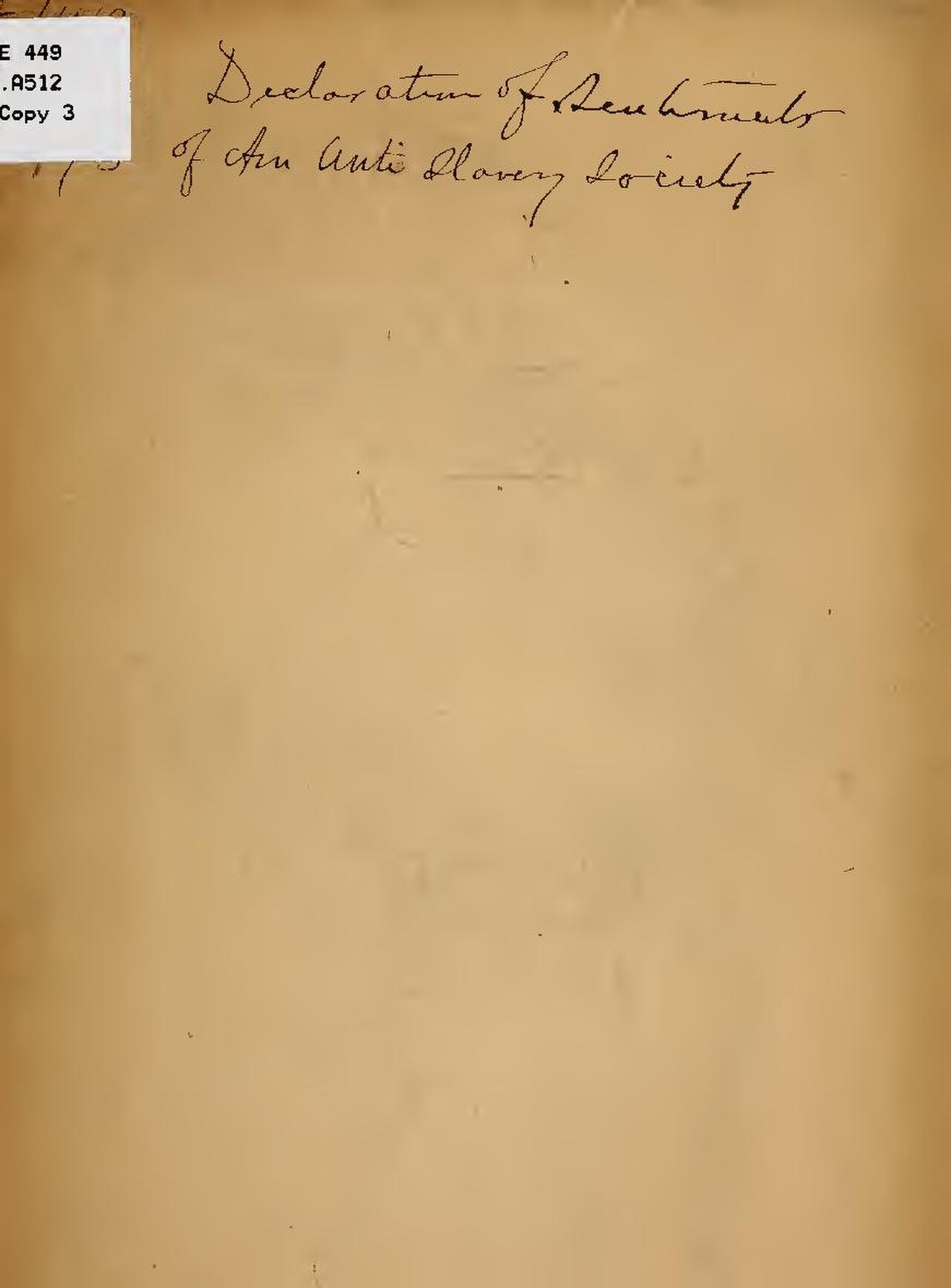
About this source
What it is
This is the Declaration of Sentiments adopted at the founding convention of the American Anti-Slavery Society, held in Philadelphia in December 1833. It was principally written by William Lloyd Garrison, with Beriah Green presiding and Lewis Tappan and John Greenleaf Whittier serving as secretaries.
Why it matters
The document declares slavery a sin and calls slaveholders 'man-stealers,' launching the immediatist wing of the abolition movement. Lucretia Mott was one of the very few women present at the convention, and she is remembered for suggesting revisions to the text, even though as a woman she could not formally sign it.
Look closer
- Who was allowed to sign this document, and who was not?
- Why might a woman attending this convention have influenced its wording without being a formal author?
- What does the language used about slavery tell you about the convention's moral argument?
This document is part of the curated material that grounds the AI version of Lucretia Mott on Humy.ai — when students ask about related events, the AI can quote it and cite it.
More Lucretia Mott sources
Meet the AI Lucretia Mott →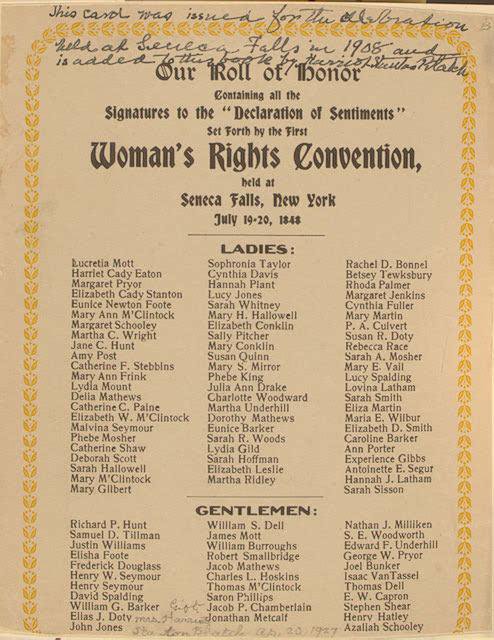 Document
Primary source
Declaration of Sentiments
Elizabeth Cady Stanton · 1848
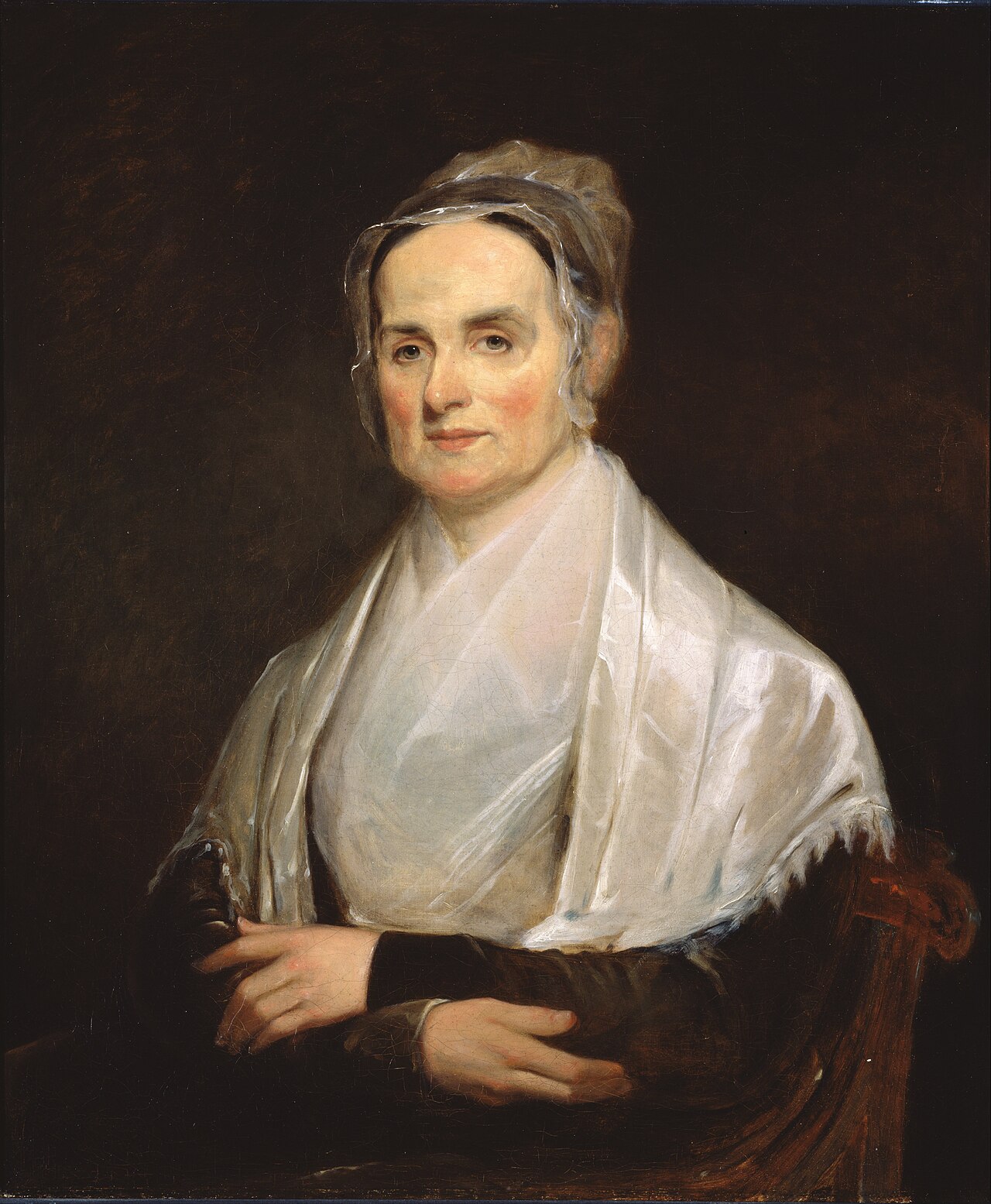 Painting
Primary source
Lucretia Coffin Mott
Joseph Kyle · 1842
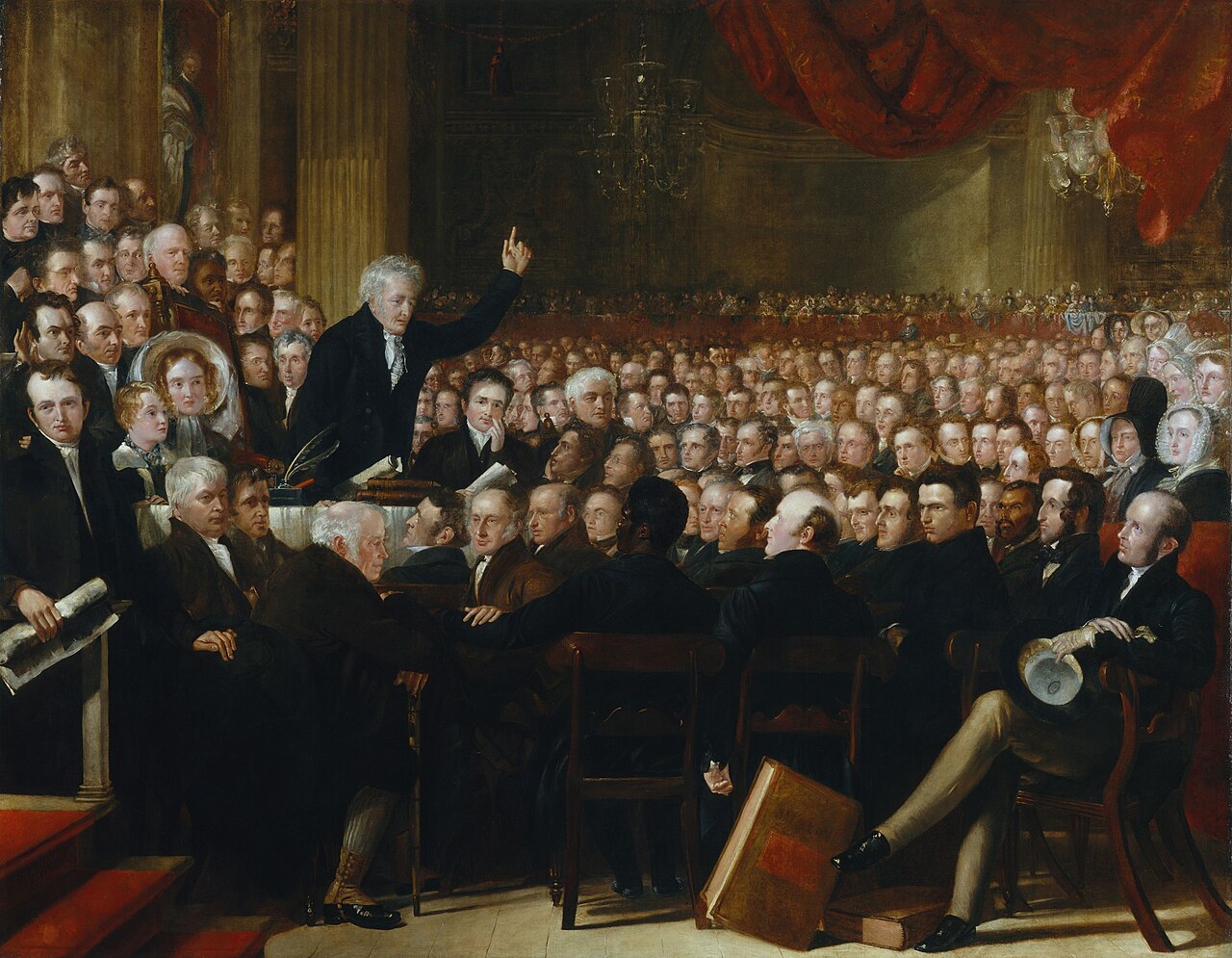 Painting
Primary source
The Anti-Slavery Society Convention, 1840
Benjamin Robert Haydon · 1841
 Photograph
Primary source
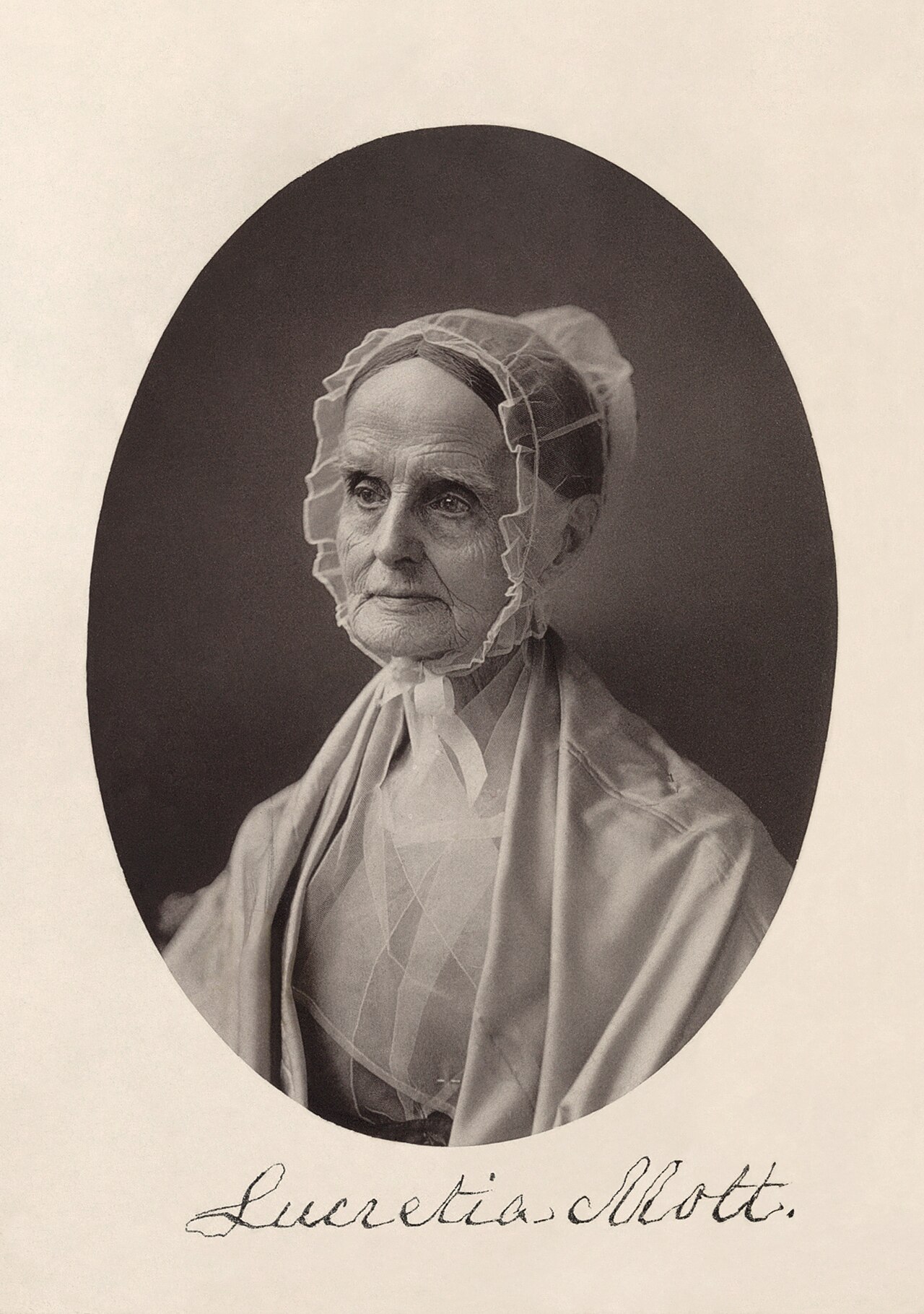
Lucretia Mott, signed photo
Frederick Gutekunst
 Photograph
Primary source
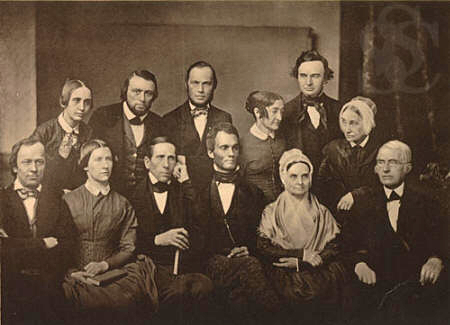
Executive Board of the Pennsylvania Anti-Slavery Society, 1851
1851
Ready when you are
Start chatting with Lucretia Mott now.
20 messages free · No credit card · Available in 50+ languages.