


Primary sourceDocument6 December 1810
Decree abolishing slavery, tribute and stamped paper
Miguel Hidalgo y Costilla · 6 December 1810
Hidalgo's own 1810 decree, issued as leader of the insurgency, abolishing slavery and tribute payments.
Hidalgo's own decree abolishing slavery and tribute, a key record of the radical aims of the insurgency he led.
About this source
What it is
This decree, issued on 6 December 1810, was written and signed by Miguel Hidalgo y Costilla, calling himself "Generalísimo de América." It orders slave owners to free their slaves within ten days under penalty of death, ends tribute payments imposed on certain castes and indigenous people, and abolishes the use of stamped paper for legal documents.
Why it matters
This is one of the clearest primary records of Hidalgo's radical social program during the early independence war. It shows that his insurgency was not only about political independence from Spain but also aimed at ending slavery and tribute, policies far more sweeping than those later adopted in the Plan of Iguala.
Look closer
- Why does Hidalgo set such a strict penalty for not freeing slaves?
- What groups does the decree name as benefiting from the end of tribute, and why might that matter?
- How does this decree compare with other later independence documents on the question of equality?
This document is part of the curated material that grounds the AI version of Miguel Hidalgo y Costilla on Humy.ai — when students ask about related events, the AI can quote it and cite it.
More Miguel Hidalgo y Costilla sources
Meet the AI Miguel Hidalgo y Costilla →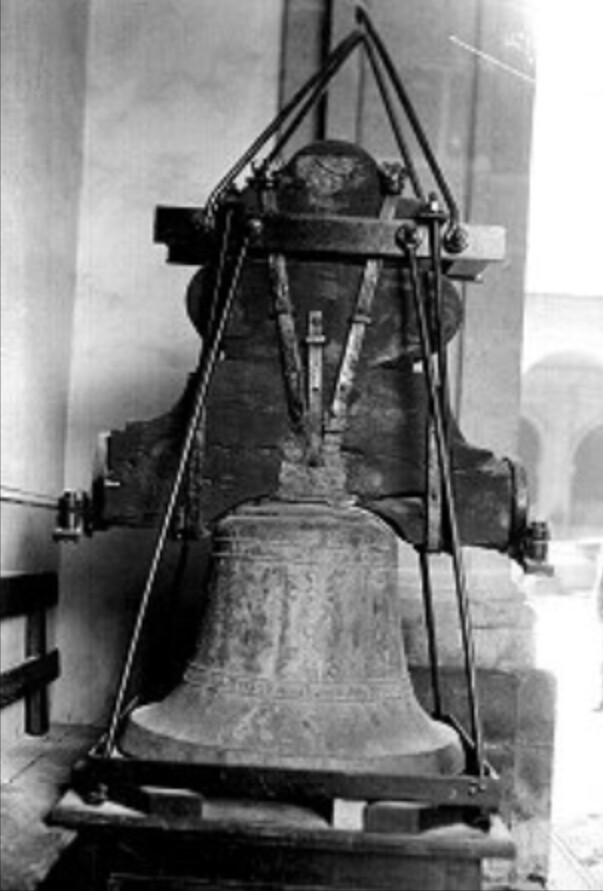 Speech
Secondary source
Grito de Dolores
Miguel Hidalgo y Costilla · 16 September 1810
 Document
Primary source
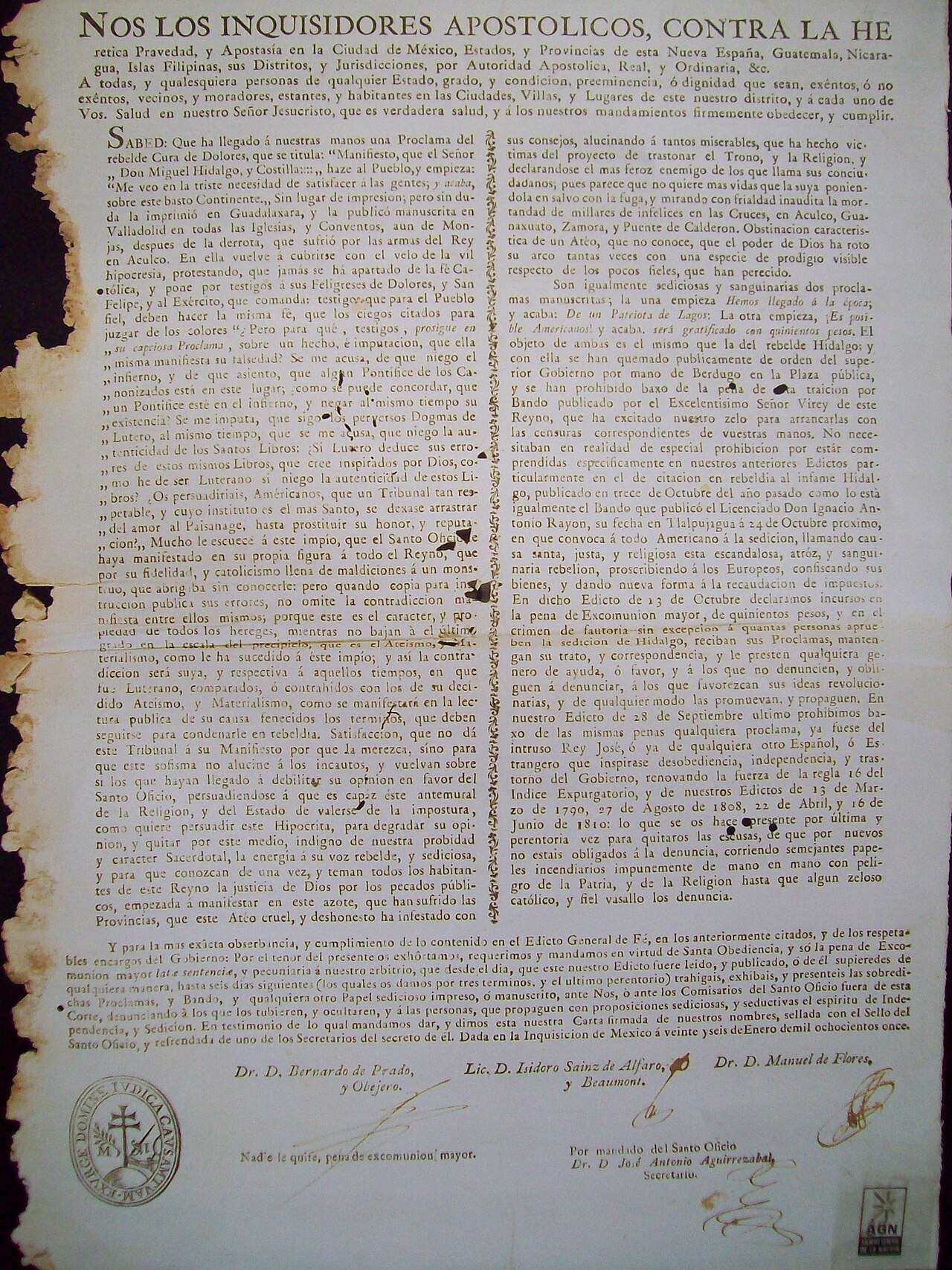
Edicto contra Hidalgo
Apostolic Inquisitors of New Spain · 1810
 Document
Primary source
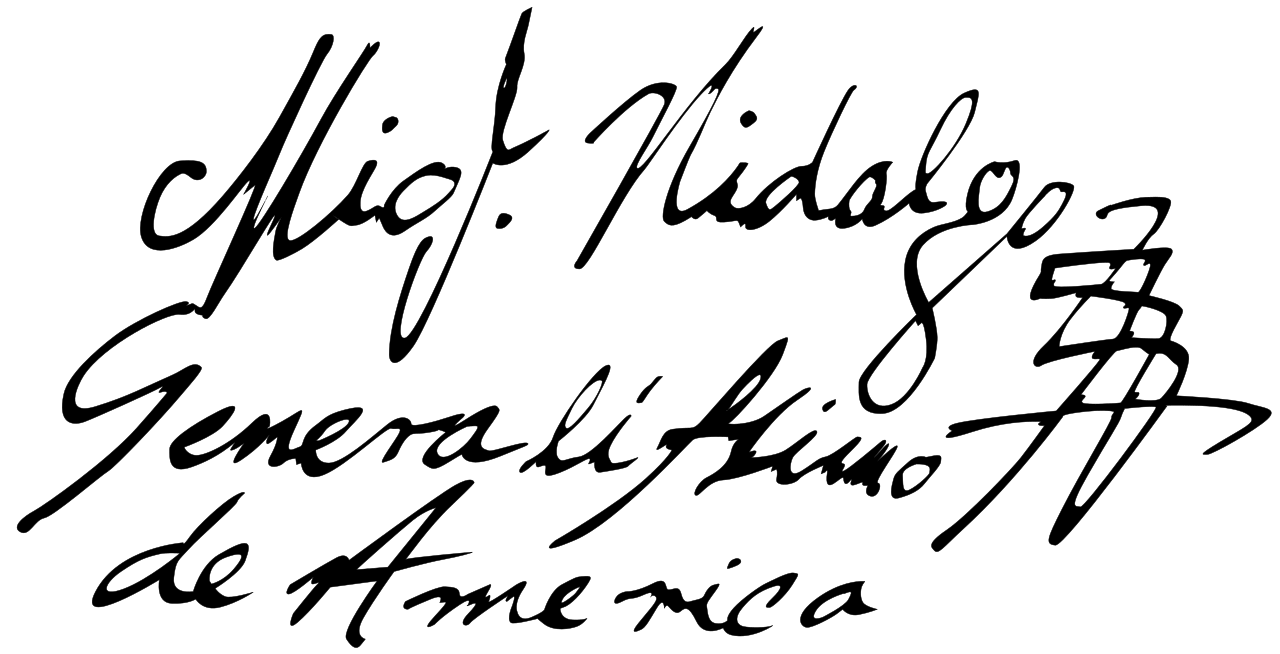
Signature of Miguel Hidalgo Y Costilla
Miguel Hidalgo y Costilla
 Artifact
Secondary source
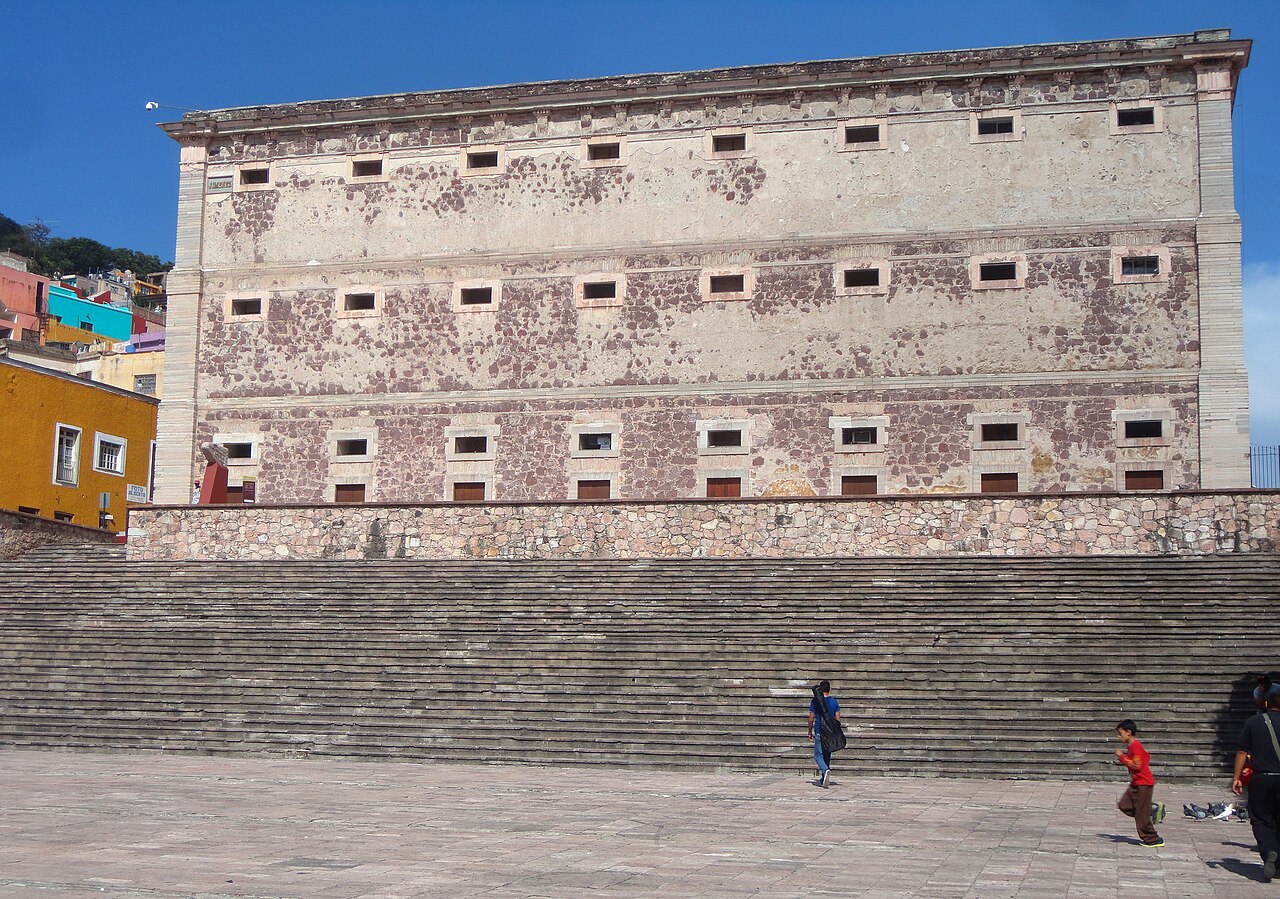
Alhóndiga de Granaditas
1798-1809 (built); 1810 (battle)
 Artifact
Secondary source
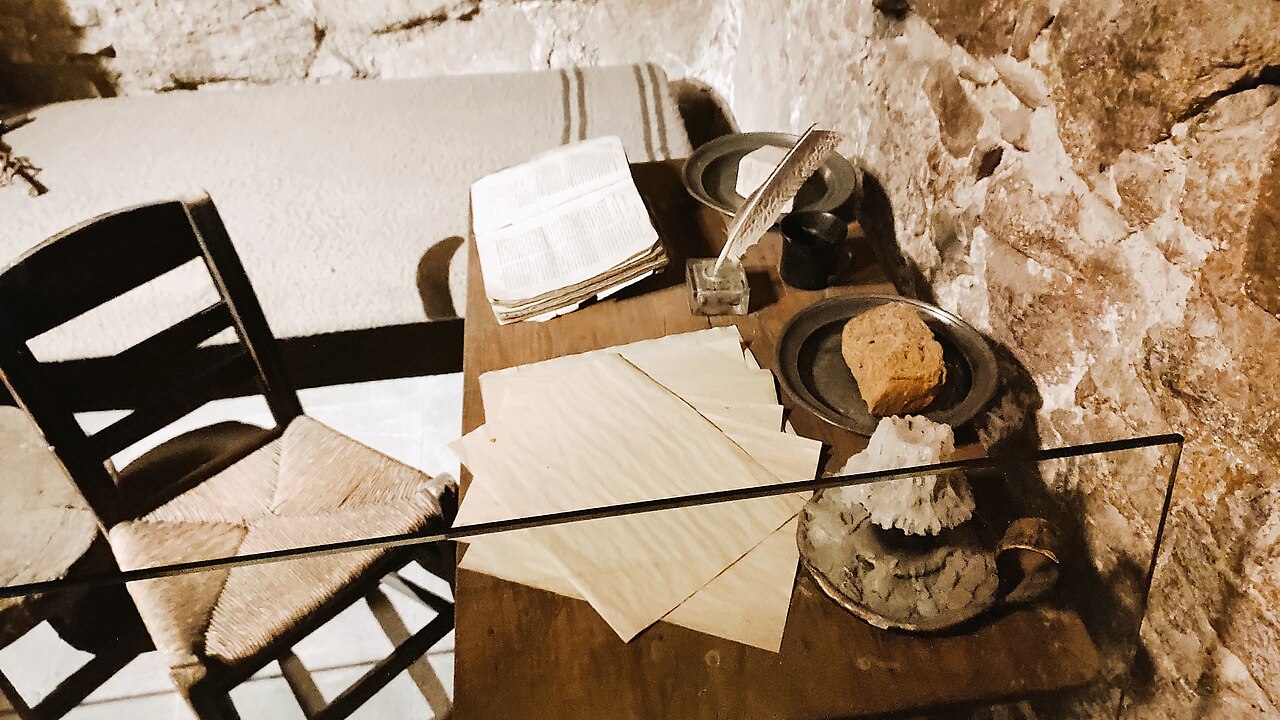
Calabozo de Hidalgo, Chihuahua
18th century
Ready when you are
Start chatting with Miguel Hidalgo y Costilla now.
20 messages free · No credit card · Available in 50+ languages.