


Primary sourceDocument19 February 1954
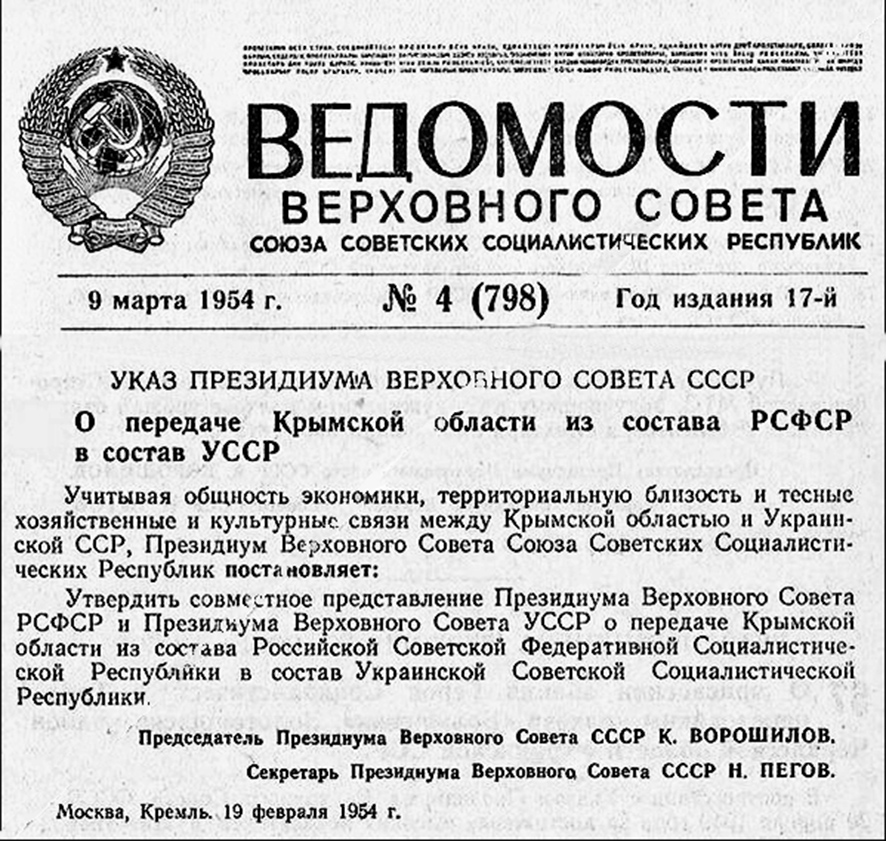
Decree on the Transfer of the Crimean Oblast from the RSFSR to the Ukrainian SSR
Presidium of the Supreme Soviet of the USSR · 19 February 1954
The 1954 Soviet decree transferring Crimea from Russia to Ukraine, issued during Khrushchev's rise to power and still politically disputed today.
This decree was pushed through during Khrushchev's rise to power, a decision whose consequences remain contested today.
Free Humy account · No credit card · 124,282 sources to read
About this source
What it is
This is the decree issued on 19 February 1954 by the Presidium of the Supreme Soviet of the USSR, transferring the Crimean Oblast from the Russian Soviet Federative Socialist Republic to the Ukrainian Soviet Socialist Republic. It was signed by K. Voroshilov and N. Pegov and printed on the front page of the newspaper Vedomosti Verkhovnogo Soveta SSSR on 9 March 1954.
Why it matters
The transfer was framed as marking the 300th anniversary of the 1654 union of Russia and Ukraine and was justified by claims of close economic and cultural ties. It took place as Khrushchev was consolidating power after Stalin's death. The decision has had lasting consequences, becoming a major point of dispute between Russia and Ukraine decades later.
Look closer
- Why might the Soviet government present an internal administrative change as a symbolic gift?
- What reasons does the decree give, and what reasons might be left unstated?
- How can a decision made by a handful of officials in 1954 still matter in international politics today?
This document is part of the curated material that grounds the AI version of Nikita Khrushchev on Humy.ai — when students ask about related events, the AI can quote it and cite it.
More Nikita Khrushchev sources
Browse all 46 →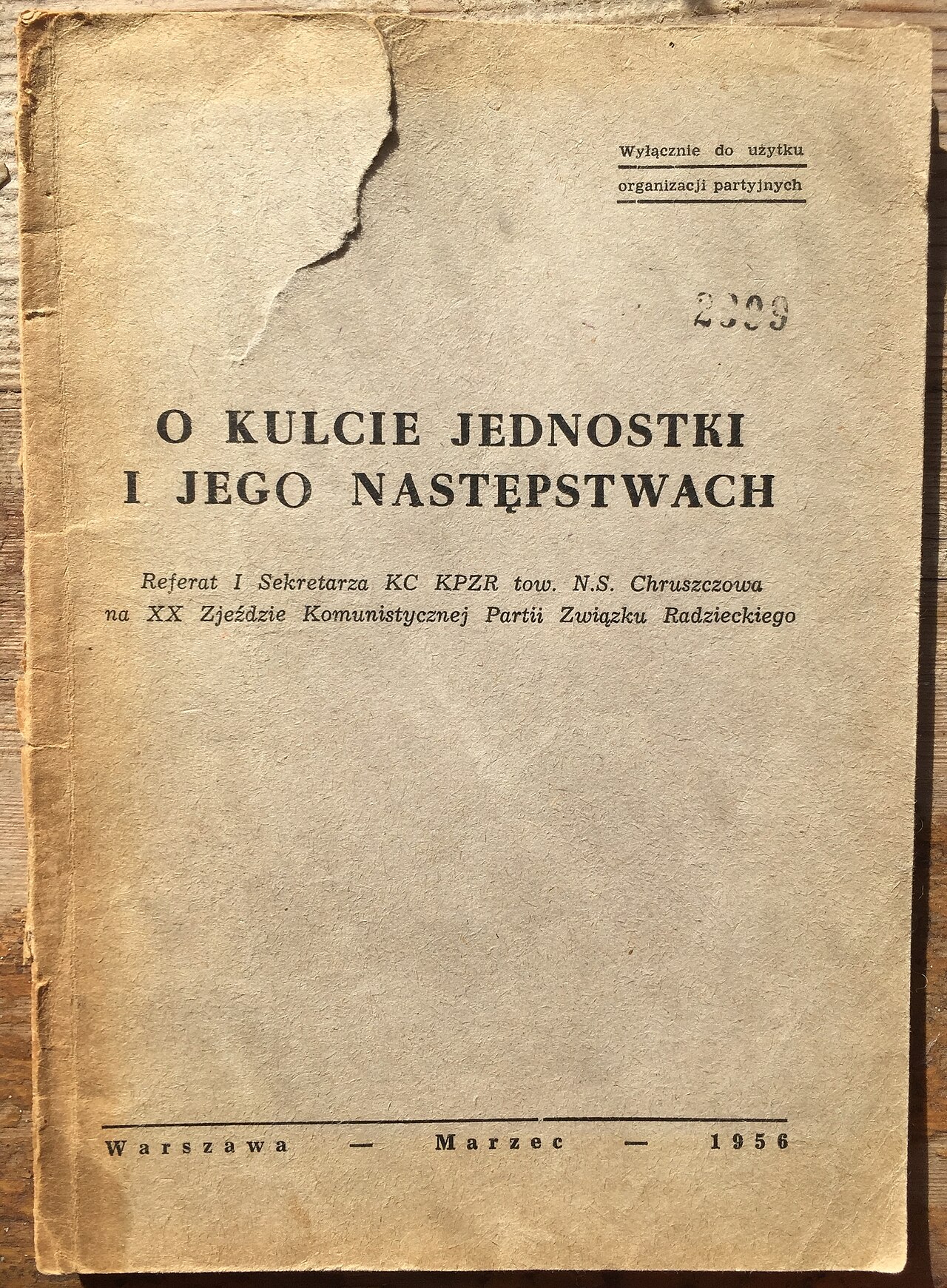 Speech
Primary source
On the Cult of Personality and Its Consequences
Nikita Khrushchev · 25 February 1956
Primary source
Letter From Chairman Khrushchev to President Kennedy
Nikita Khrushchev · 26-27 October 1962
Primary source
Khrushchev's Message to Kennedy of 27 October 1962
Nikita Khrushchev · 27 October 1962
 News clip
Primary source
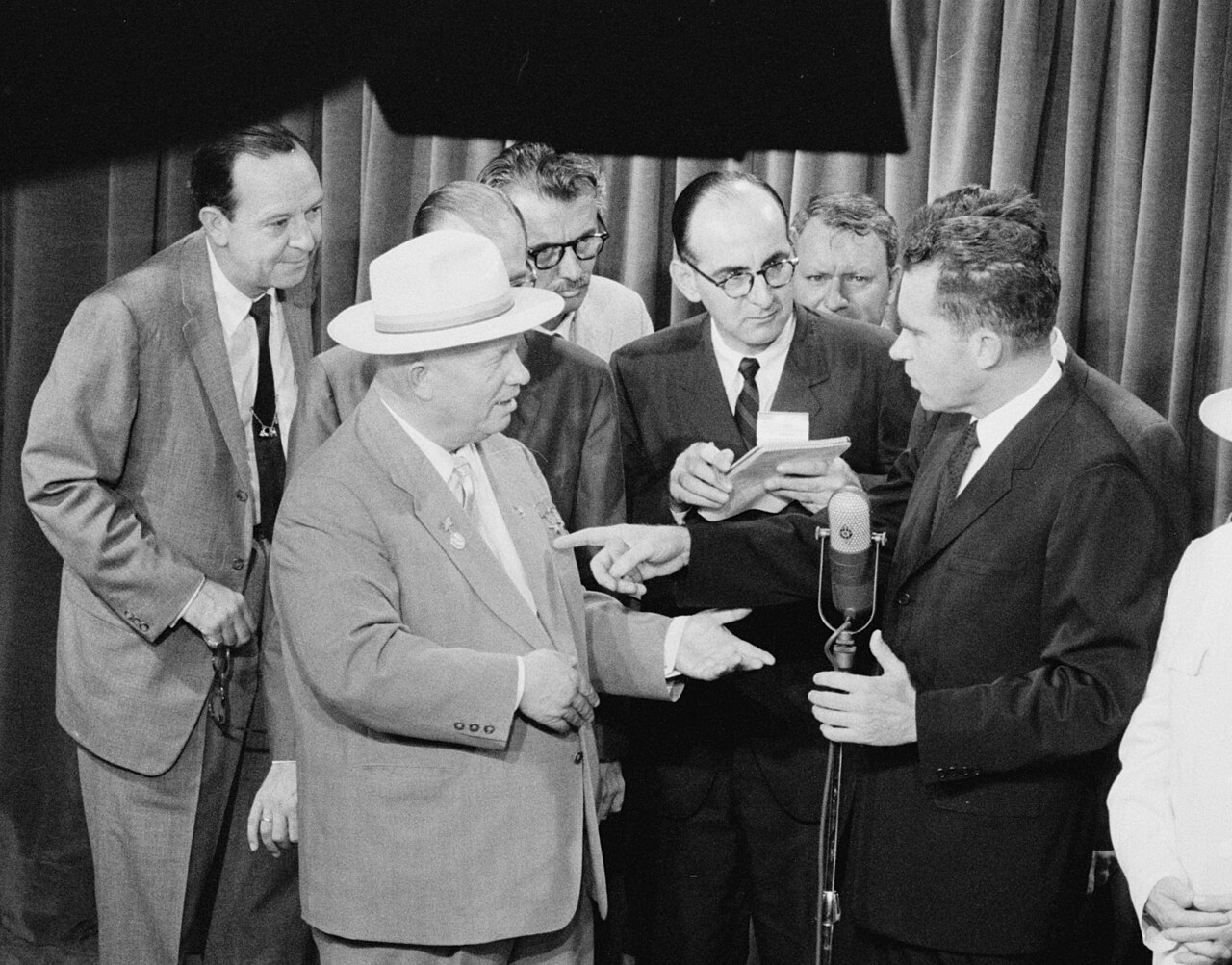
Kitchen Debate
24 July 1959
Free account
Read every Nikita Khrushchev source
Sign up free →
Ready when you are
Start chatting with Nikita Khrushchev now.
20 messages free · No credit card · Available in 50+ languages.