


Primary sourceDiary entry1847–1910
Diaries of Leo Tolstoy
Leo Tolstoy · 1847–1910
Tolstoy's personal diaries, kept from 1847 until his death, recording his self-examination, moral rules and spiritual struggles.
These are Tolstoy's own lifelong diaries, the most direct record of his private thoughts and self-judgment.
About this source
What it is
These are the personal diaries of Leo Tolstoy, which he kept from 1847 until his death in 1910. The edition shown here, edited by V. Chertkov, is held by the State Museum of L. N. Tolstoy in Moscow. The cover shown in the image is a plain dark green cloth binding.
Why it matters
Tolstoy's diaries span almost his entire adult life and record his constant self-scrutiny, including rules he set for his own conduct, feelings of guilt, and his long spiritual searching. They let historians and readers see the private thoughts behind the public novelist and moral thinker, showing a man who doubted and judged himself harshly even as he became famous.
Look closer
- Why might someone keep a diary for over sixty years?
- What does the opening entry, written from a hospital, reveal about how Tolstoy judged his own past behaviour?
- What is different about reading a diary compared to reading a novel someone wrote for the public?
This diary entry is part of the curated material that grounds the AI version of Leo Tolstoy on Humy.ai — when students ask about related events, the AI can quote it and cite it.
More Leo Tolstoy sources
Meet the AI Leo Tolstoy →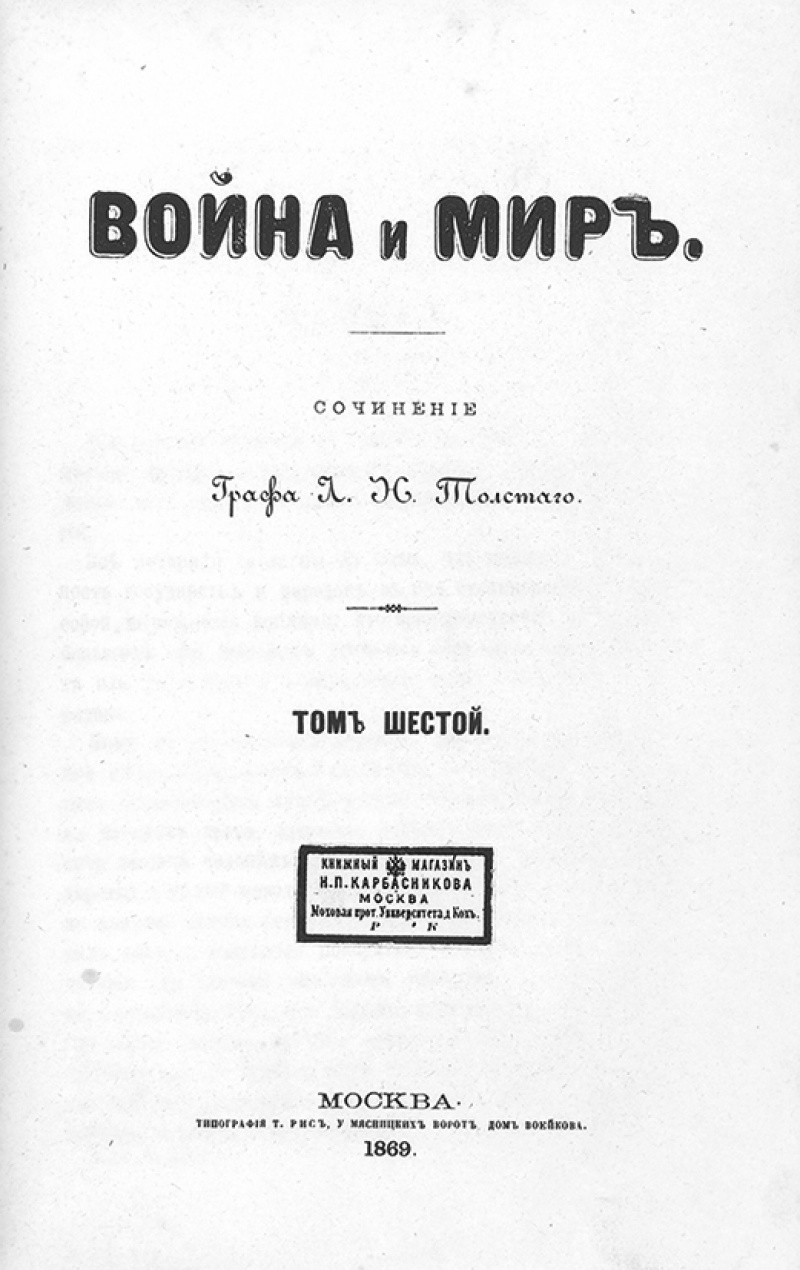 Book
Primary source
War and Peace
Leo Tolstoy · 1863–1869
 Photograph
Secondary source
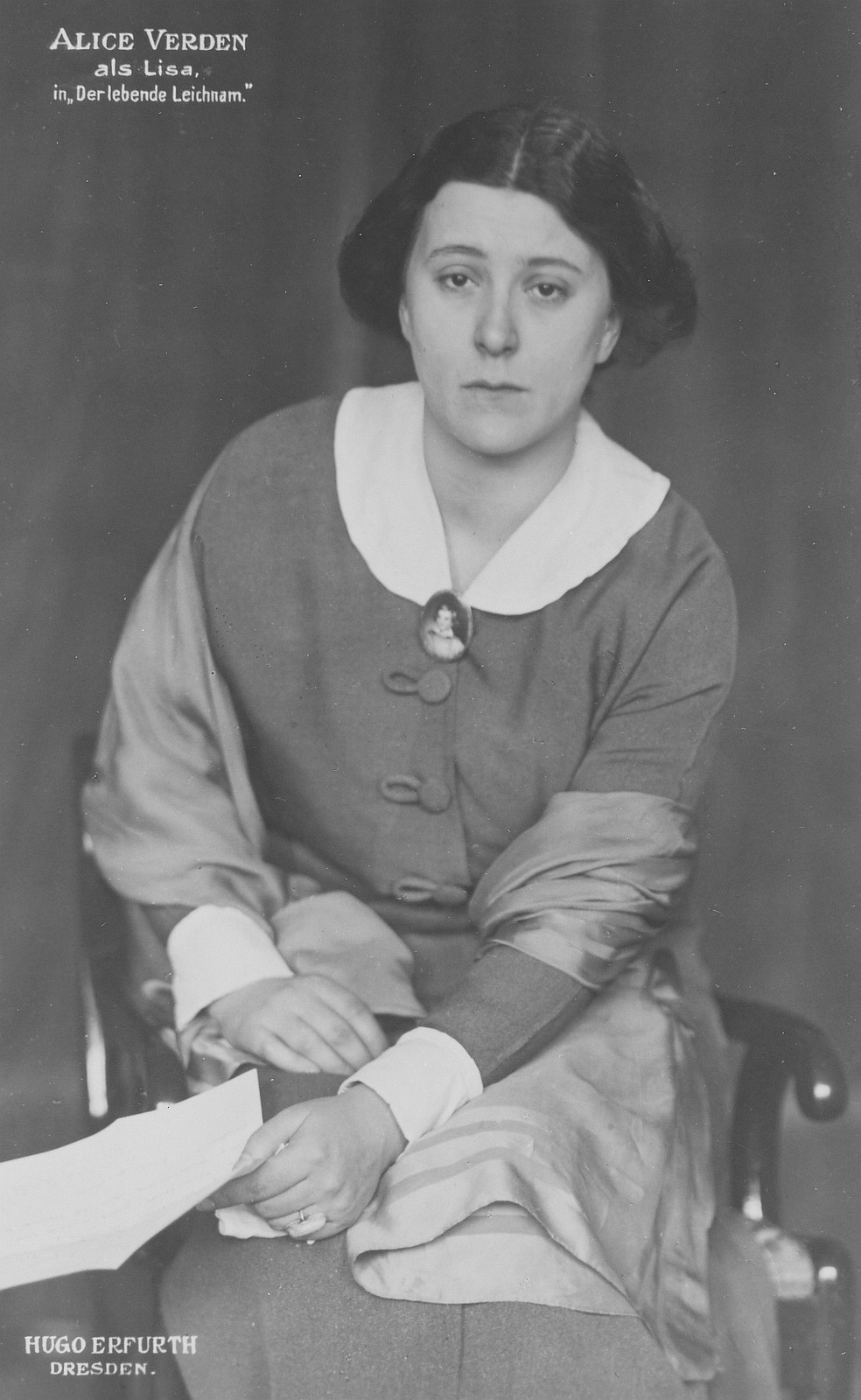
Alice Verden as Lisa in The Living Corpse
Hugo Erfurth · 23 December 1913
 Book
Primary source
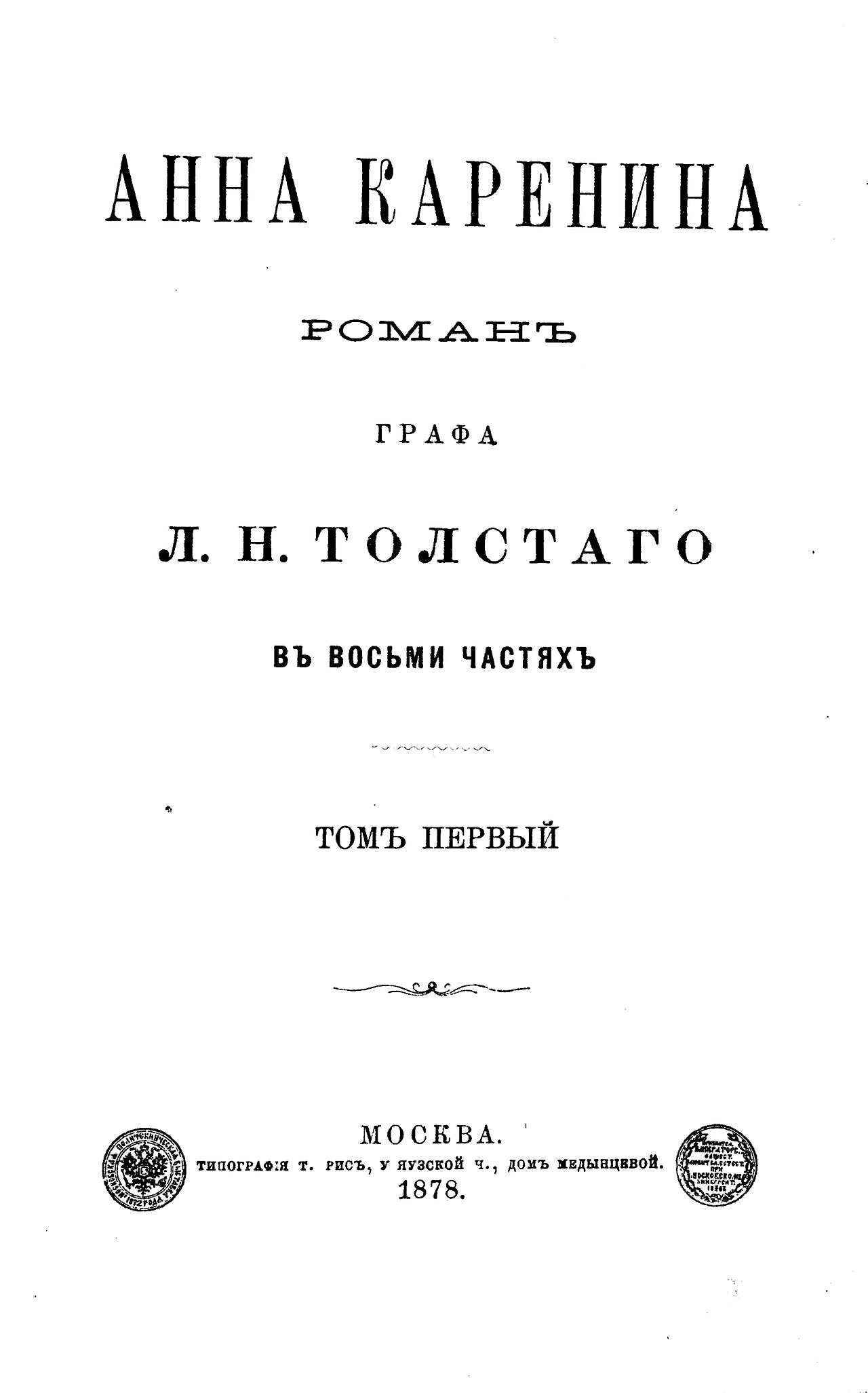
Anna Karenina
Leo Tolstoy · 1875–1878
 Book
Primary source
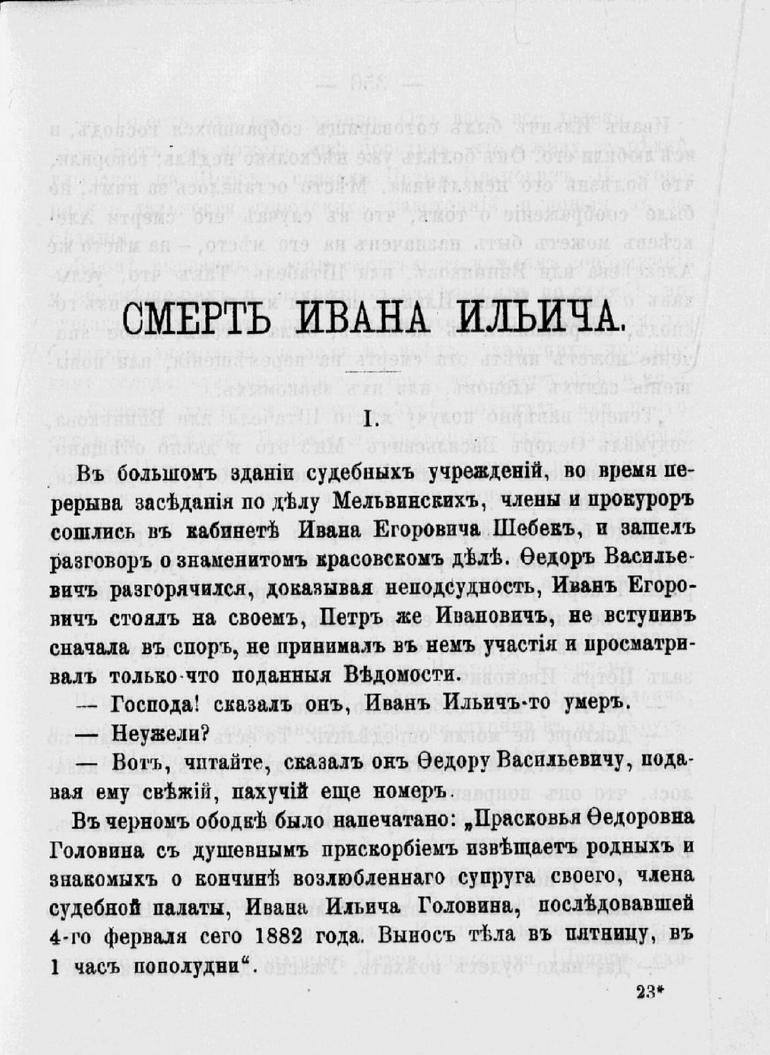
The Death of Ivan Ilyich
Leo Tolstoy · 1886 (written 1882)
Primary source
A Confession
Leo Tolstoy · written 1879–1880, published 1882
Ready when you are
Start chatting with Leo Tolstoy now.
20 messages free · No credit card · Available in 50+ languages.