


Primary sourceDiary entry17 December 1903
Diary Entry for December 17, 1903
Orville Wright · 17 December 1903
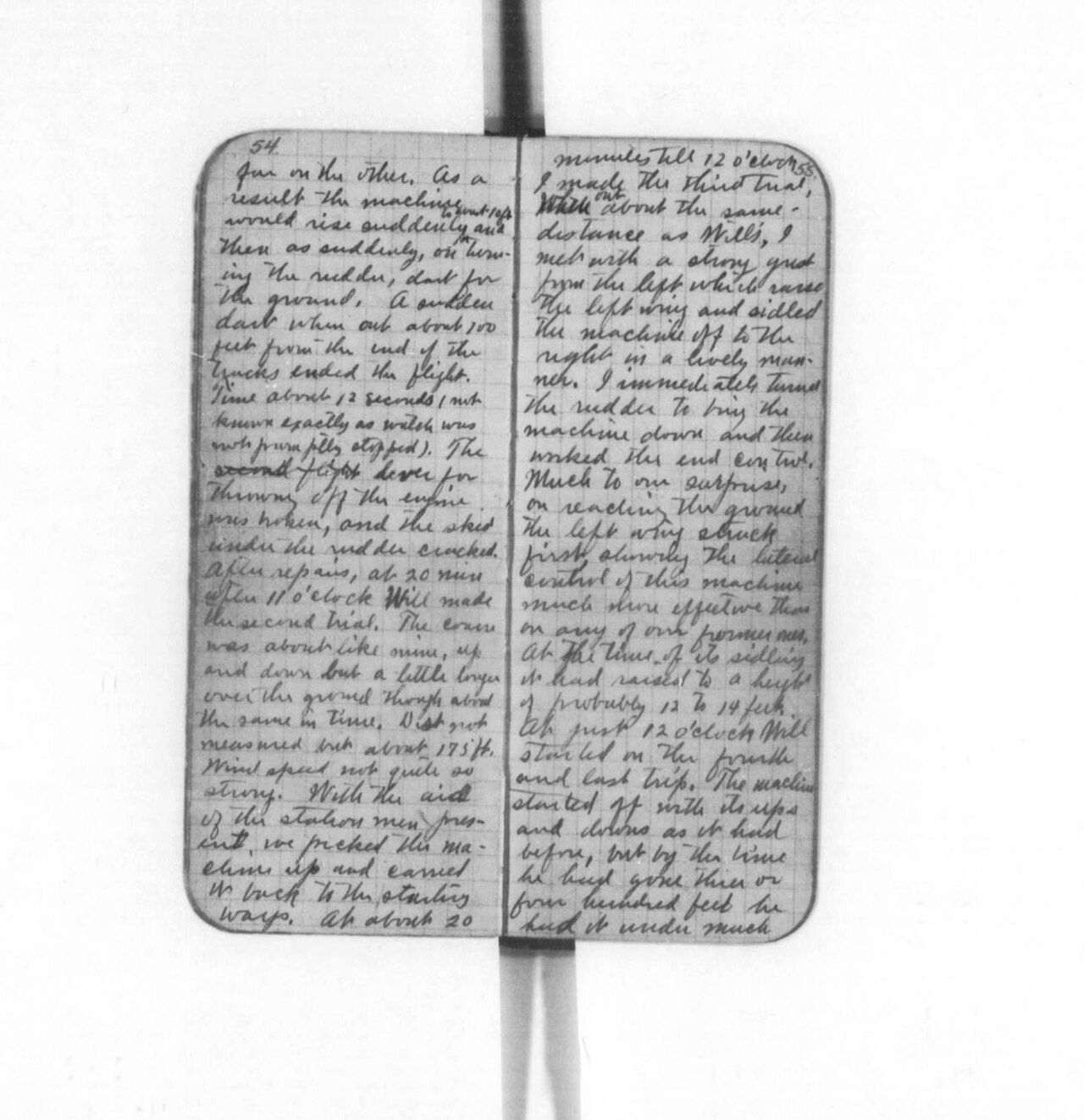
Orville Wright's own handwritten diary account of the four flights made at Kitty Hawk, written the day they happened.
Orville's own handwritten record of the flights he and Wilbur made that day.
About this source
What it is
This is a page from Orville Wright's personal diary, written in pencil on December 17, 1903, describing the flights made that morning at Kitty Hawk. Orville records distances, timing problems, wind gusts, and damage to the machine during the trials. The diary is held by the Library of Congress in the Wilbur and Orville Wright Papers.
Why it matters
Unlike the famous photograph, this diary entry gives the engineer's own technical, almost clinical, account of a historic day — noting measurements, mistakes, and mechanical failures rather than describing triumph. It shows how Orville and Wilbur thought about their work: as a problem to be solved and recorded precisely, flight by flight.
Look closer
- Why might Orville have focused on exact distances and times rather than on how it felt to fly?
- What does this account add that a photograph cannot show?
- Why is a handwritten diary considered strong evidence by historians?
This diary entry is part of the curated material that grounds the AI version of Orville Wright on Humy.ai — when students ask about related events, the AI can quote it and cite it.
More Orville Wright sources
Meet the AI Orville Wright →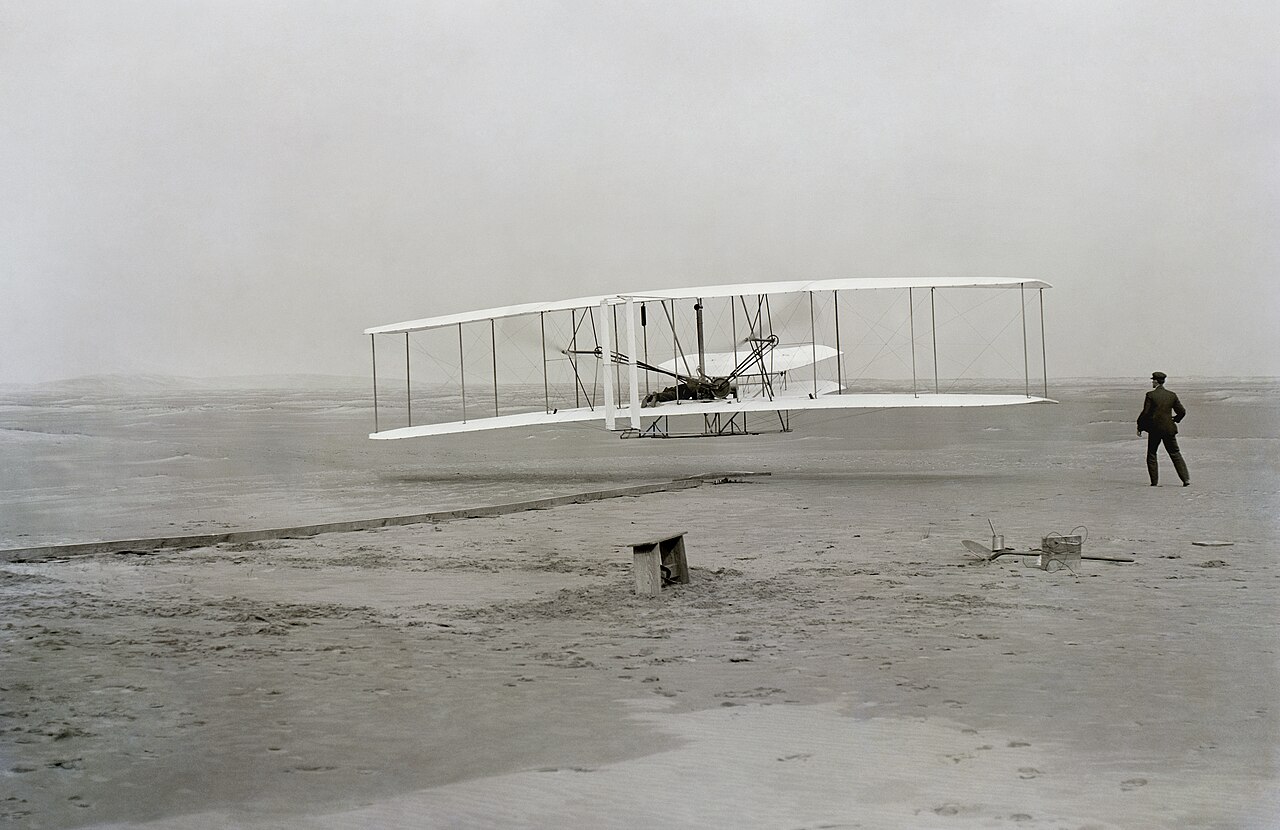 Photograph
Primary source
Wright Flyer
17 December 1903
 Document
Primary source
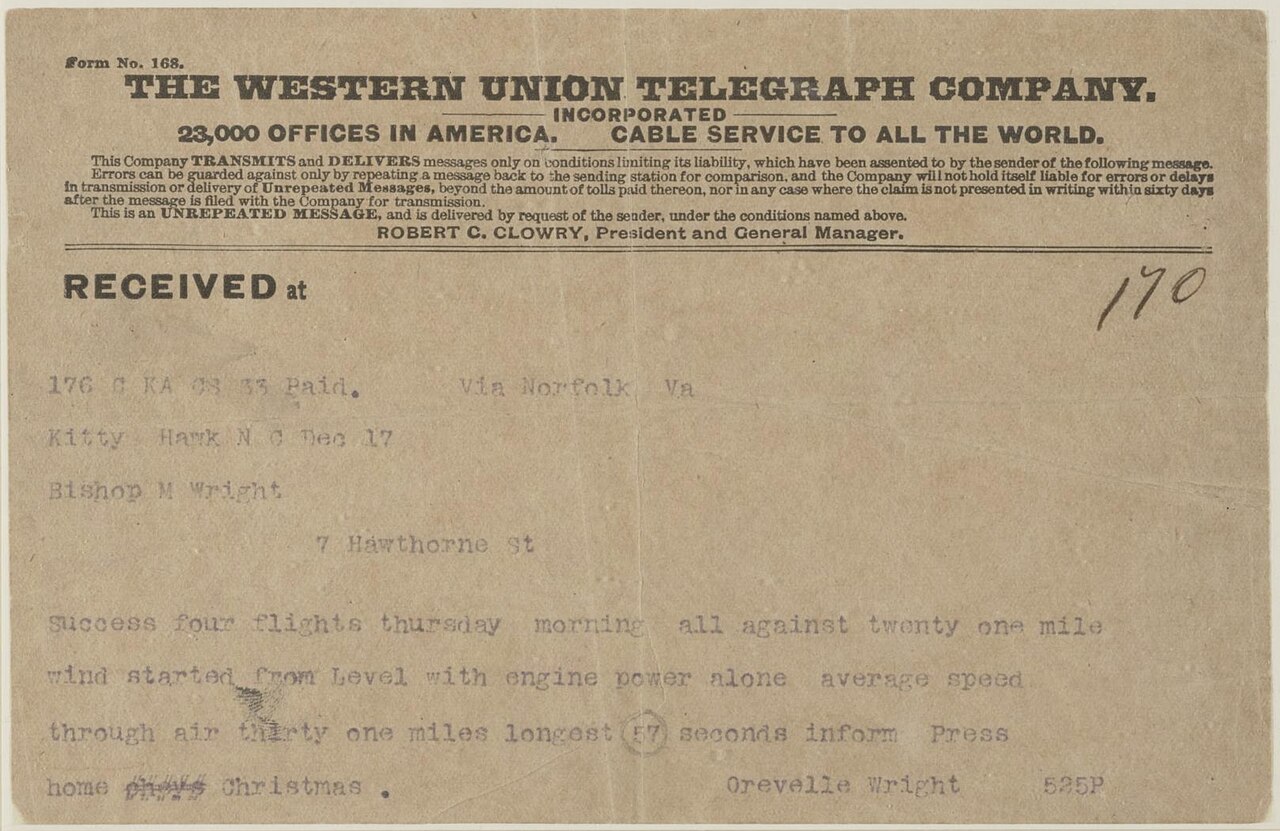
Telegram to Milton Wright, 17 December 1903
Orville Wright · 17 December 1903
 Photograph
Primary source
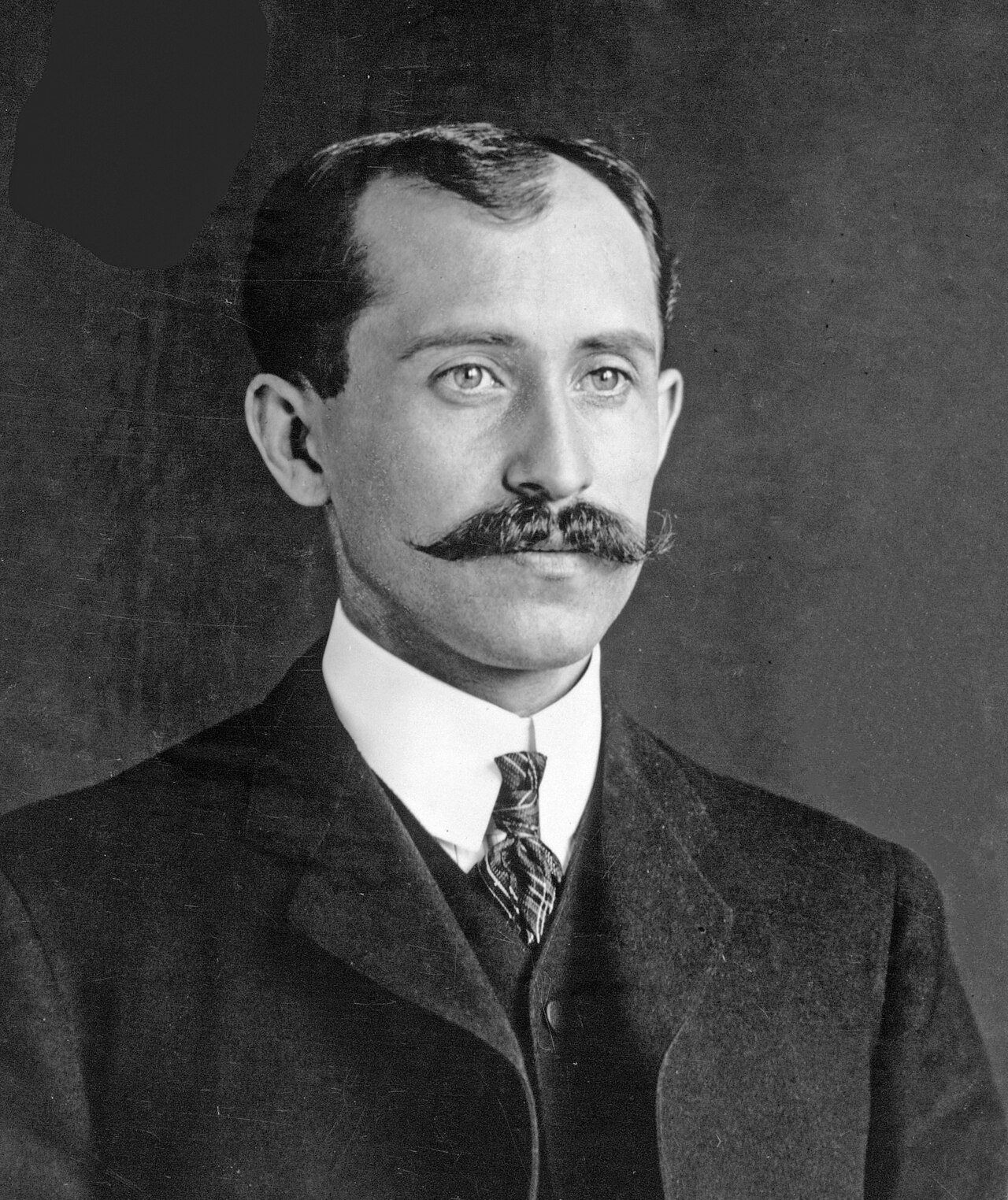
Orville Wright, 1905 Portrait
Unknown · 1905
 Photograph
Primary source
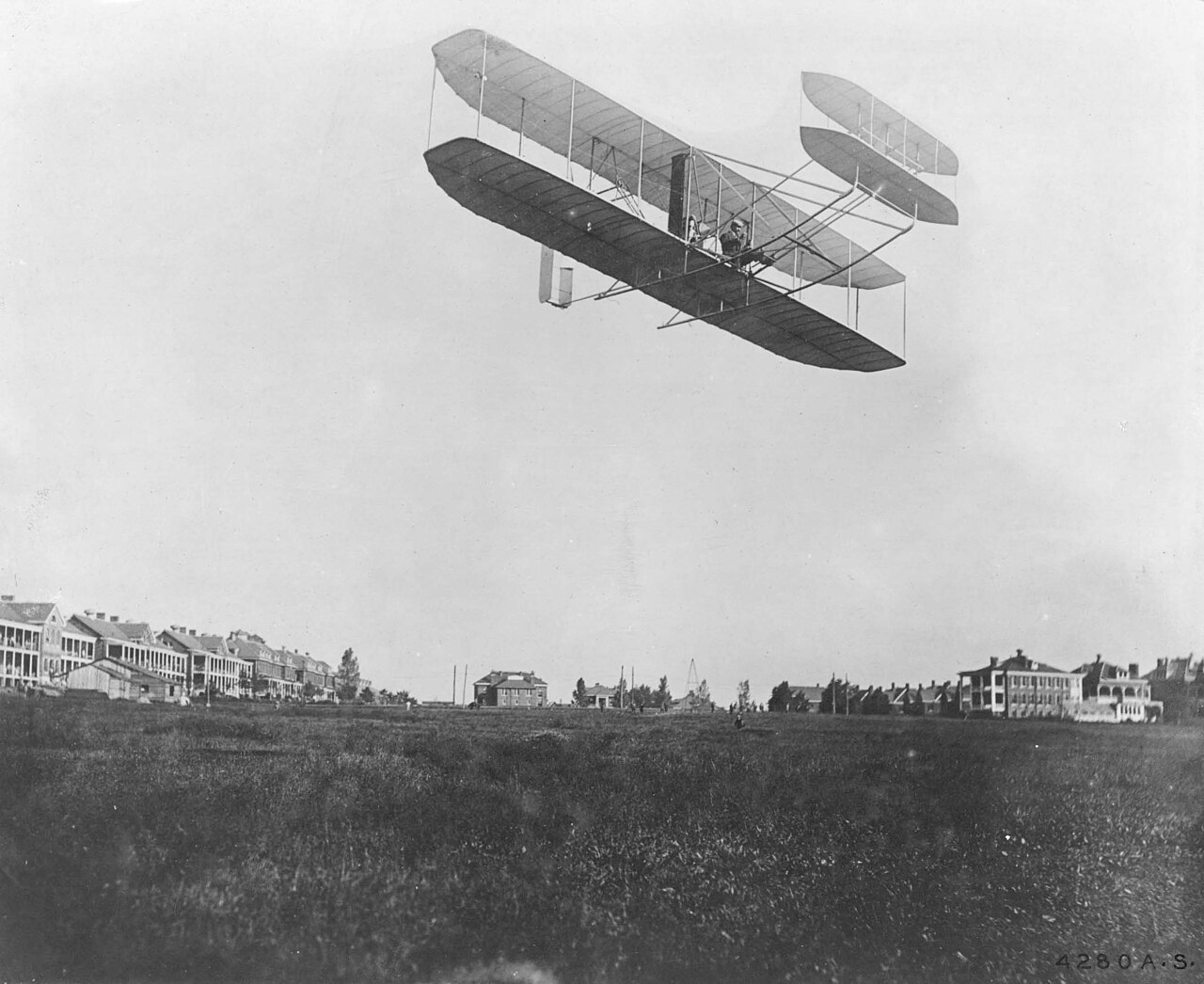
Orville Wright Flying at Fort Myer
Unknown (US Army) · 1908
 Photograph
Primary source
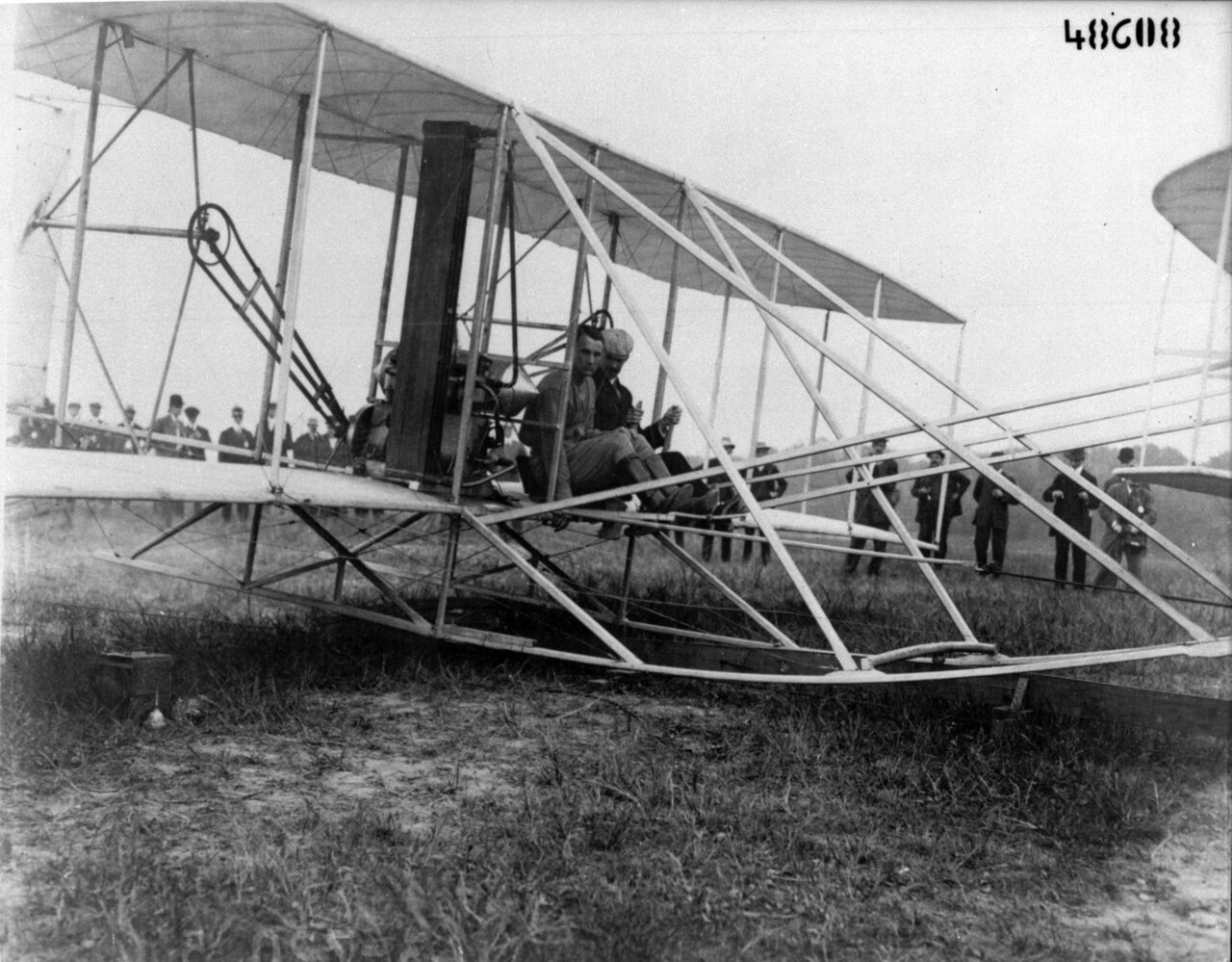
Wright and Selfridge Before the Fatal 1908 Crash
National Museum of Health and Medicine · 17 September 1908
Ready when you are
Start chatting with Orville Wright now.
20 messages free · No credit card · Available in 50+ languages.