


Primary sourceBook1864
Die modernen Theorien der Chemie
Lothar Meyer · 1864
A German chemistry textbook by Lothar Meyer, published in 1864, that includes an early version of the periodic table. It helped spread the atomic weights based on Avogadro's hypothesis into mainstream chemistry.
Shows how Avogadro's molecular hypothesis, through Cannizzaro's atomic weights, entered the chemistry textbooks that students learned from after his death.
About this source
What it is
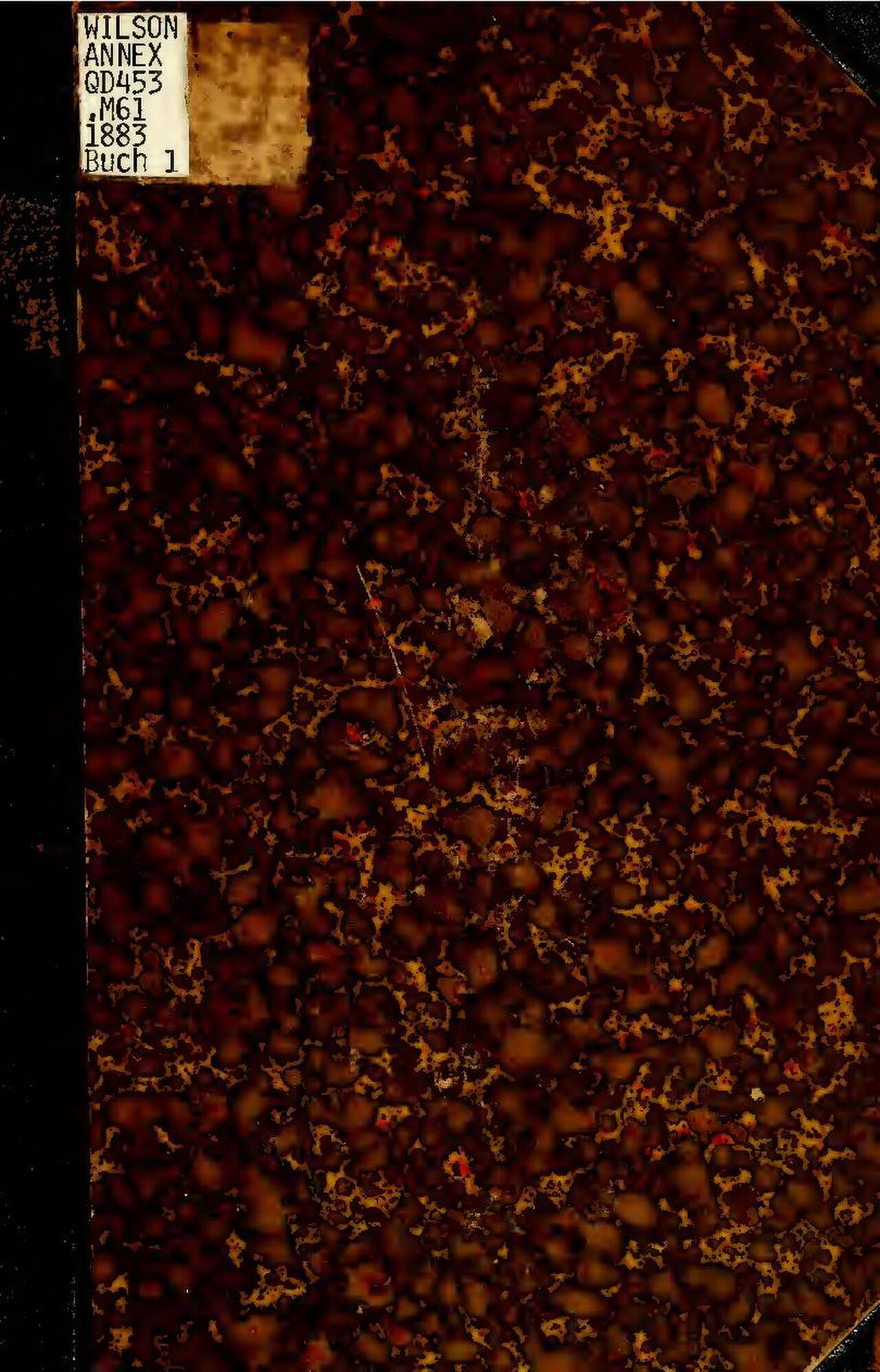
Die modernen Theorien der Chemie is a German-language book by the chemist Lothar Meyer. He began writing it in Breslau in 1862 and published it in 1864. Its opening pages discuss Claude Louis Berthollet's earlier work on chemical affinity. The book contained an early version of the periodic table, with 28 elements grouped for the first time into six families by their valence. The media shows the cover of a later library copy, a three-part work from 1880 to 1883 with a library label, so it is a photograph of that copy rather than of the 1864 first edition.
Why it matters
Meyer's textbook is one of the routes by which Avogadro's hypothesis reached ordinary chemists. Curator notes say the book spread the atomic weights that Stanislao Cannizzaro based on Avogadro's ideas after the Karlsruhe congress. Earlier attempts to order the elements by atomic weight had been held back by the common use of equivalent weights rather than atomic weights. The book shows how a hypothesis from 1811 became accepted teaching a few decades later.
Look closer
- What does the book's opening say about the earlier work of Berthollet, and how does it set up Meyer's own argument?
- Why might a textbook be a better source than a scientific paper for showing how new ideas spread?
- What does this text leave out about the chemists who disagreed with the atomic-weight approach?
This book is part of the curated material that grounds the AI version of Amedeo Avogadro on Humy.ai — when students ask about related events, the AI can quote it and cite it.
More Amedeo Avogadro sources
Meet the AI Amedeo Avogadro →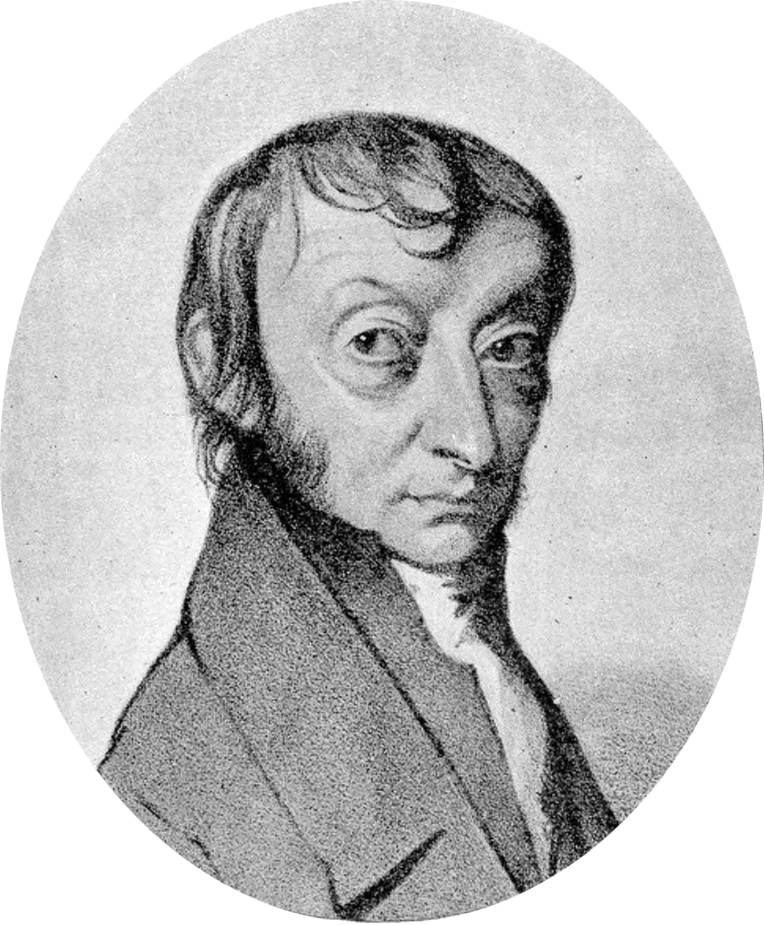 Painting
Secondary source
Portrait of Amedeo Avogadro (1856 Lithograph)
C. Sentier · 1856
Secondary source
Sunto di un corso di filosofia chimica
Stanislao Cannizzaro · 1858
 Painting
Secondary source
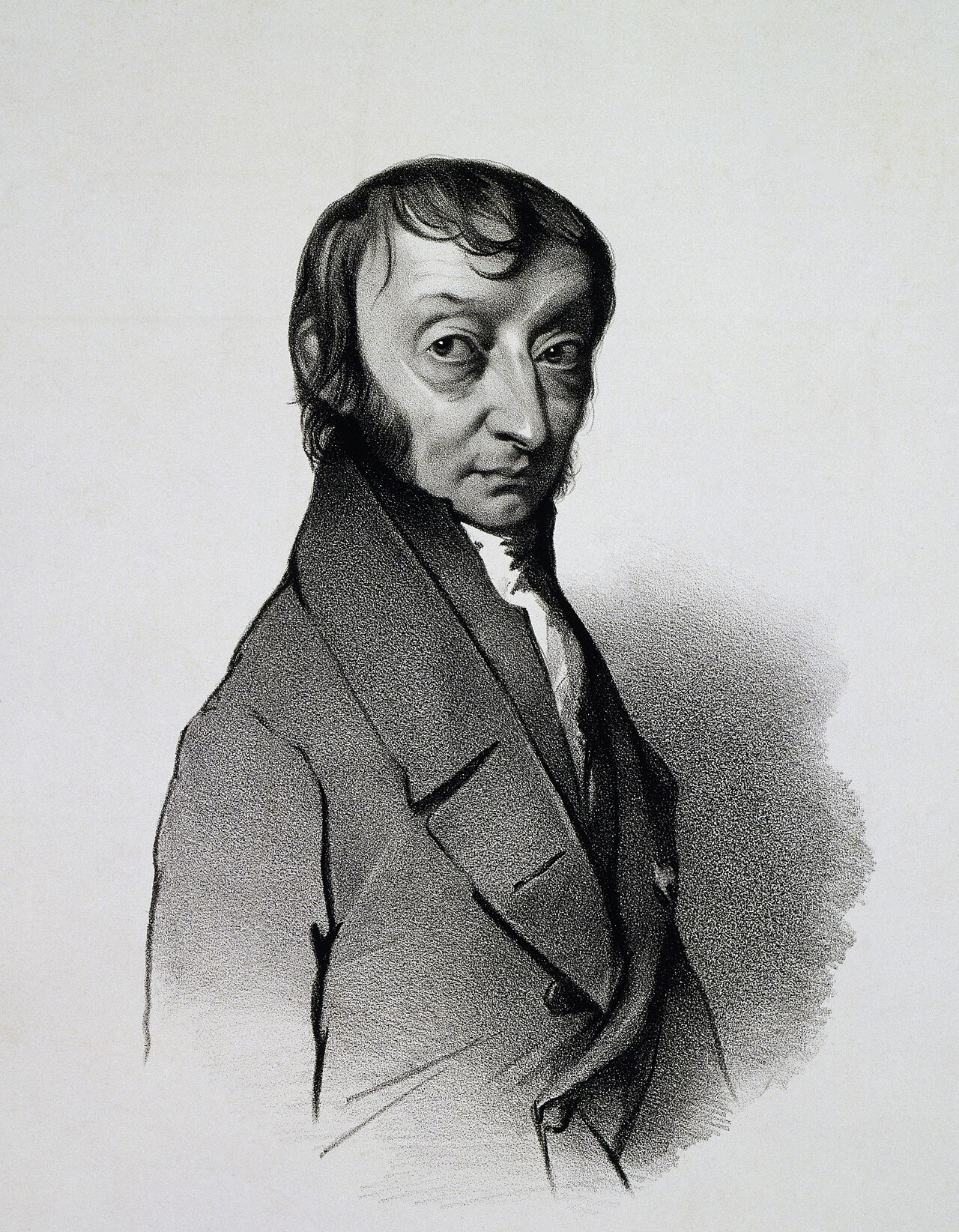
Engraved Portrait of Amedeo Avogadro
 Painting
Secondary source
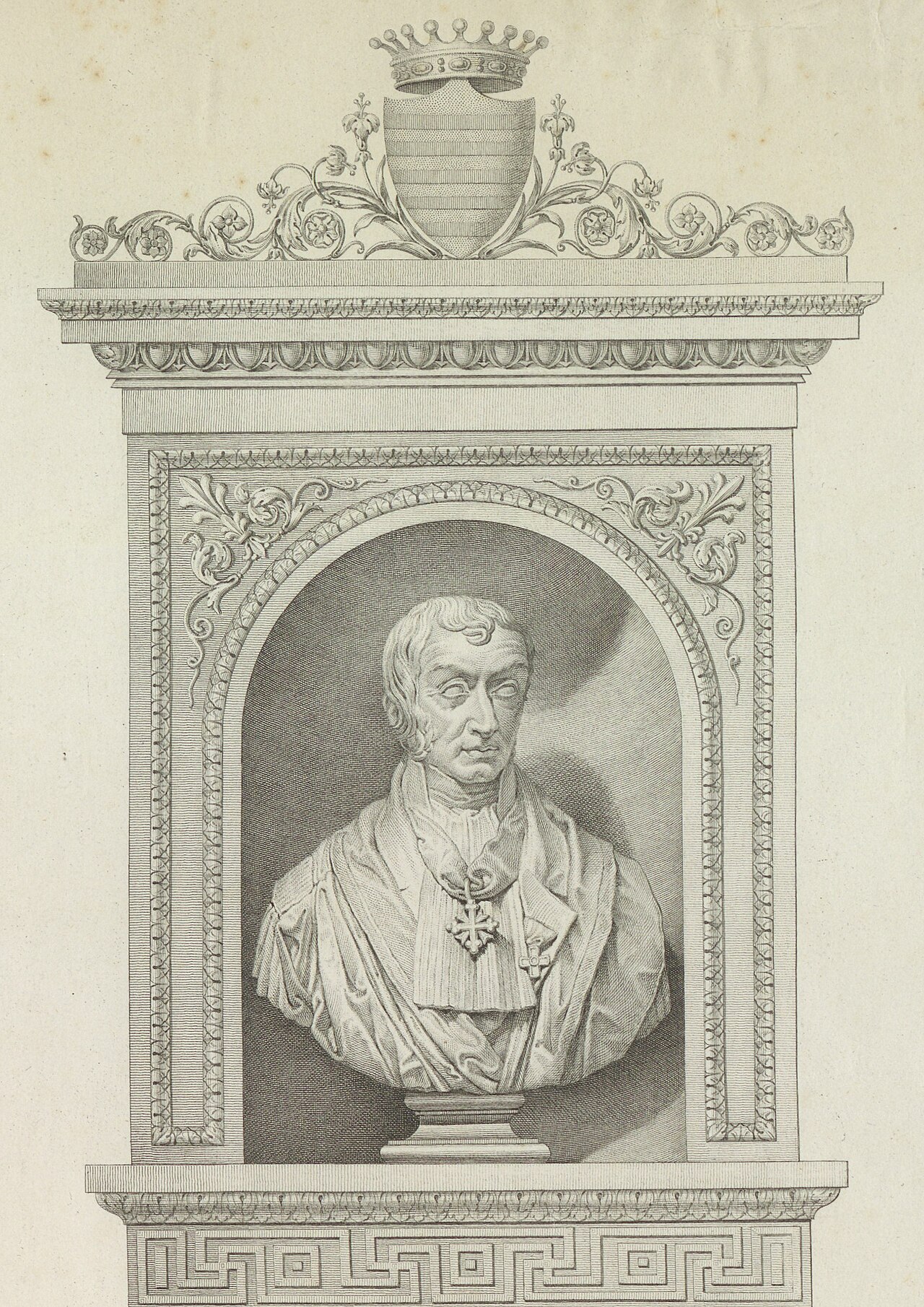
Portrait of Amedeo Avogadro, Accademia delle Scienze di Torino
Luigi Cauda and Gaetano Bonatti · 1800-1850
 Document
Secondary source
Mouvement brownien et réalité moléculaire
Jean Perrin · 1909
Ready when you are
Start chatting with Amedeo Avogadro now.
20 messages free · No credit card · Available in 50+ languages.