


Primary sourceDocument19 March 1937
Divini Redemptoris
Pius XI · 19 March 1937
Pius XI's 1937 encyclical condemning atheistic communism, issued days after his encyclical against Nazism.
Pius XI wrote this encyclical, revealing how he weighed the threats of communism and Nazism against each other.
Free Humy account · No credit card · 120,912 sources to read
About this source
What it is
Divini Redemptoris is an encyclical issued by Pope Pius XI on 19 March 1937, written to expose what he called the errors of atheistic Communism, especially Bolshevism. Theologian Mariano Cordovani contributed to its drafting.
Why it matters
The encyclical contrasts communism with an ideal Christian society based on human dignity and workers' rights, while also criticising employers who mistreated workers. It was published only five days after Mit brennender Sorge, Pius XI's condemnation of Nazism, showing that he saw both communism and Nazism as dangerous totalitarian ideologies threatening the Church and society.
Look closer
- Why might Pius XI have issued this encyclical so soon after condemning Nazism?
- What groups does the text blame for creating conditions where communism could spread?
- What does the encyclical's language reveal about how the Church saw its role in political and economic questions of the 1930s?
This document is part of the curated material that grounds the AI version of Pope Pius XI on Humy.ai — when students ask about related events, the AI can quote it and cite it.
More Pope Pius XI sources
Browse all 97 → Document
Primary source
Lateran Treaty
Federico Cammeo · 11 February 1929
 Document
Primary source
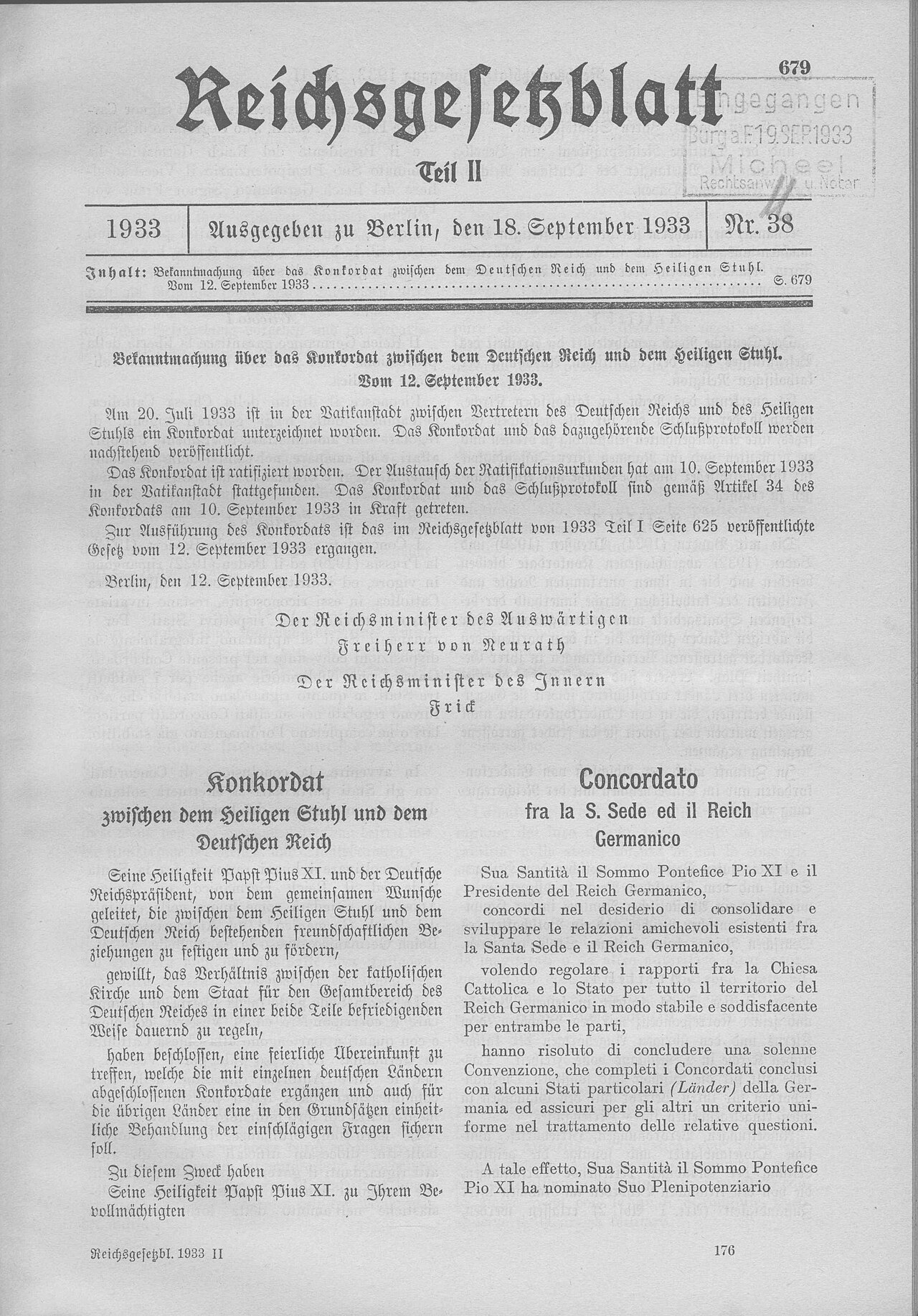
Reichskonkordat
20 July 1933 (published 18 September 1933)
 Photograph
Primary source
Pius XI and Cardinal Pacelli at the Inauguration of Vatican Radio
Alberto Felici · 12 February 1931
 Photograph
Primary source
Portrait of Pius XI
Nicola Perscheid · c. 1922


Free account
Read every Pope Pius XI source
Sign up free →
Ready when you are
Start chatting with Pope Pius XI now.
20 messages free · No credit card · Available in 50+ languages.