


Primary sourceArtifact1097
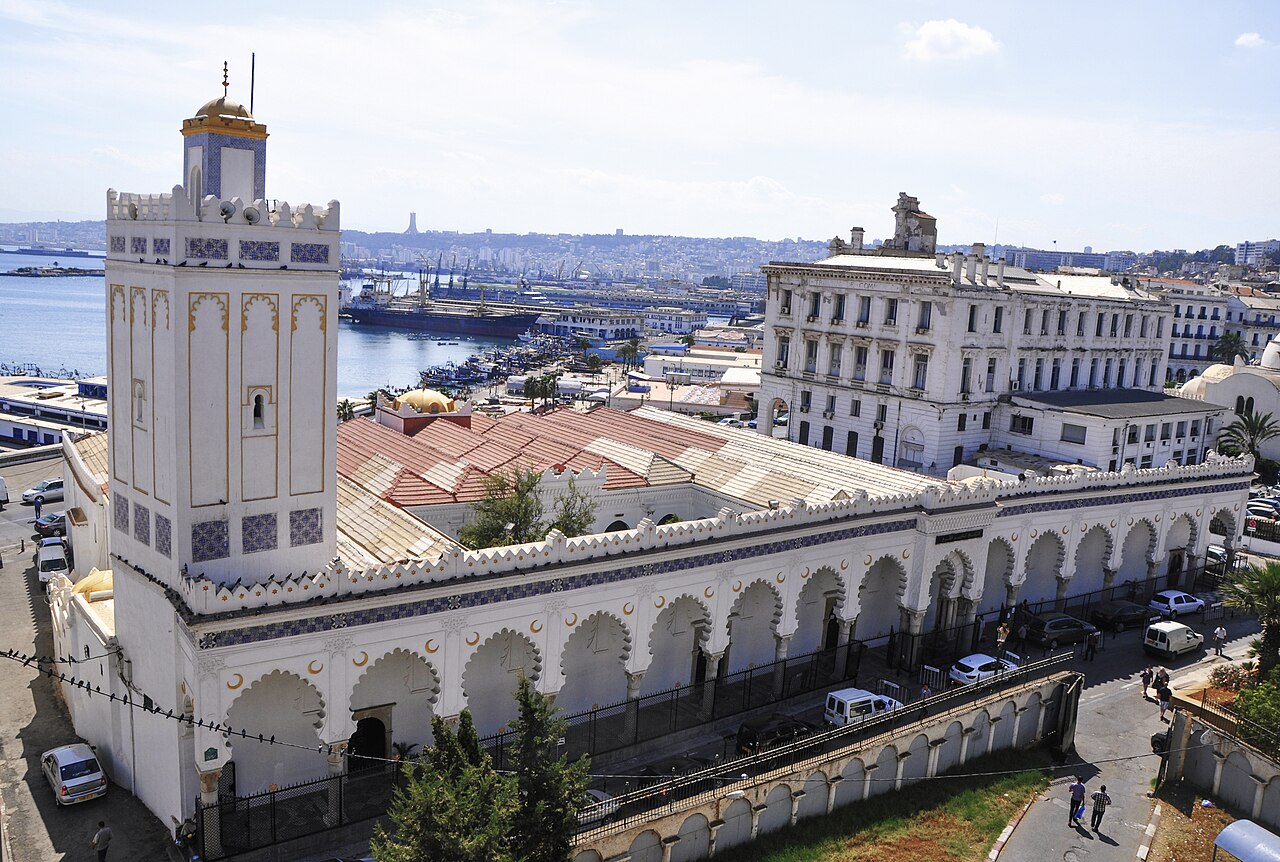
Djamaa El Kebir of Algiers
1097
The Great Mosque of Algiers, built around 1097 under Yusuf ibn Tashfin and one of the few surviving Almoravid buildings.
Built under Yusuf ibn Tashfin around 1097, the mosque is physical evidence of his rule reaching the central Maghreb coast.
About this source
What it is
The Djamaa El Kebir, or Great Mosque of Algiers, was built in 1097 during the reign of Yusuf ibn Tashfin. An inscription on its minbar (pulpit) records the date, confirming when it was constructed. It stands in the Casbah district of Algiers and is the oldest mosque in the city.
Why it matters
The mosque is one of the best-preserved examples of Almoravid architecture, the style associated with Yusuf's empire. Its survival, despite later damage and rebuilding under French colonial rule, shows how Yusuf's authority extended along the central Maghreb coast, far from his base in Marrakesh.
Look closer
- What does the mosque's prayer hall and courtyard layout tell us about how communities used the building?
- Why might later rulers and colonial authorities have changed or rebuilt parts of the mosque?
- What can a building tell us about power that a coin or letter cannot?
This artifact is part of the curated material that grounds the AI version of Yusuf ibn Tashfin on Humy.ai — when students ask about related events, the AI can quote it and cite it.
More Yusuf ibn Tashfin sources
Browse all 14 →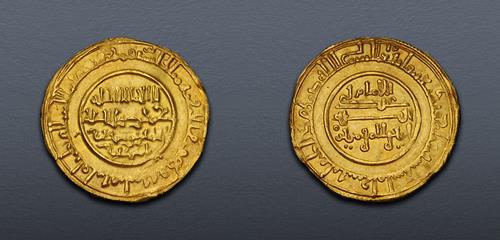 Artifact
Primary source
Dinar of Yusuf ibn Tashfin, AH 498
AH 498 (AD 1104-1105)
 Artifact
Primary source
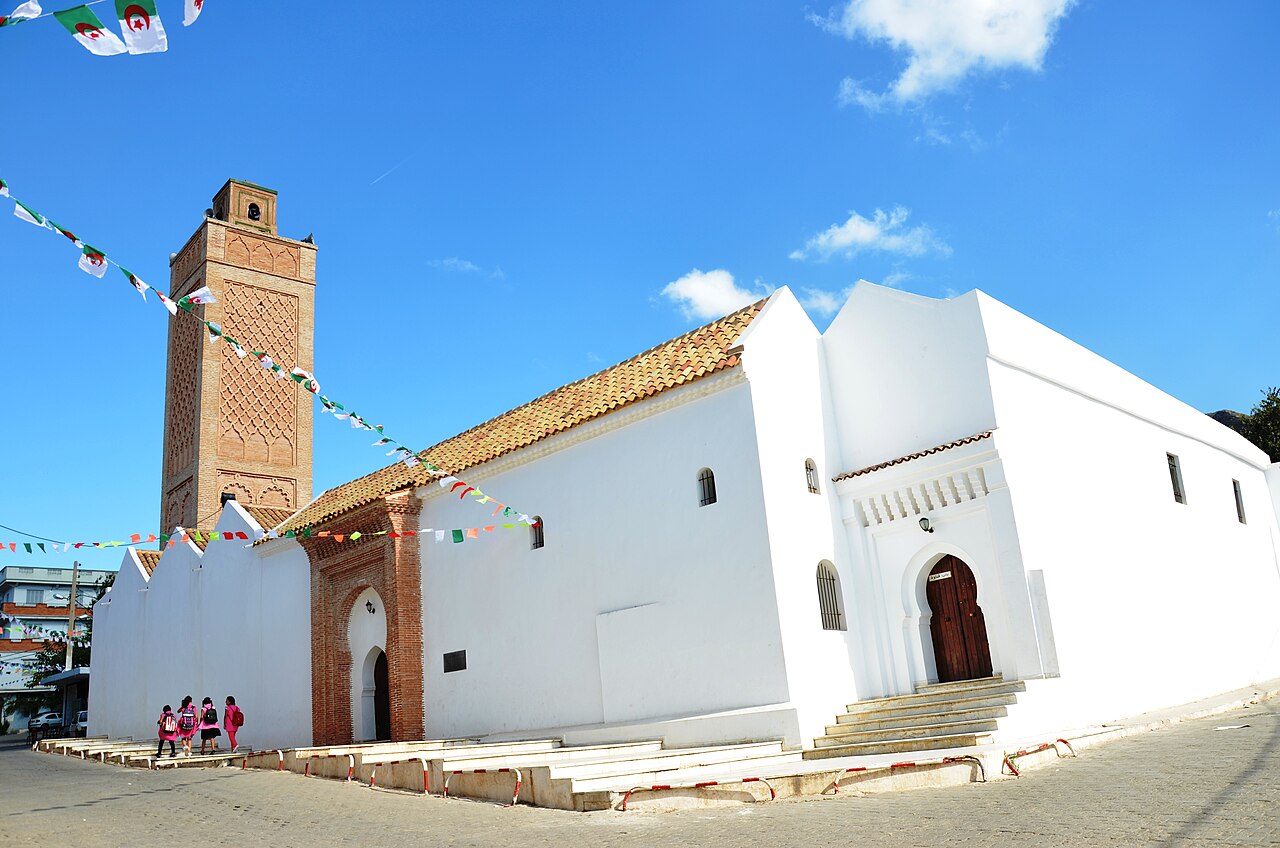
Great Mosque of Nedroma
1145
 Artifact
Primary source
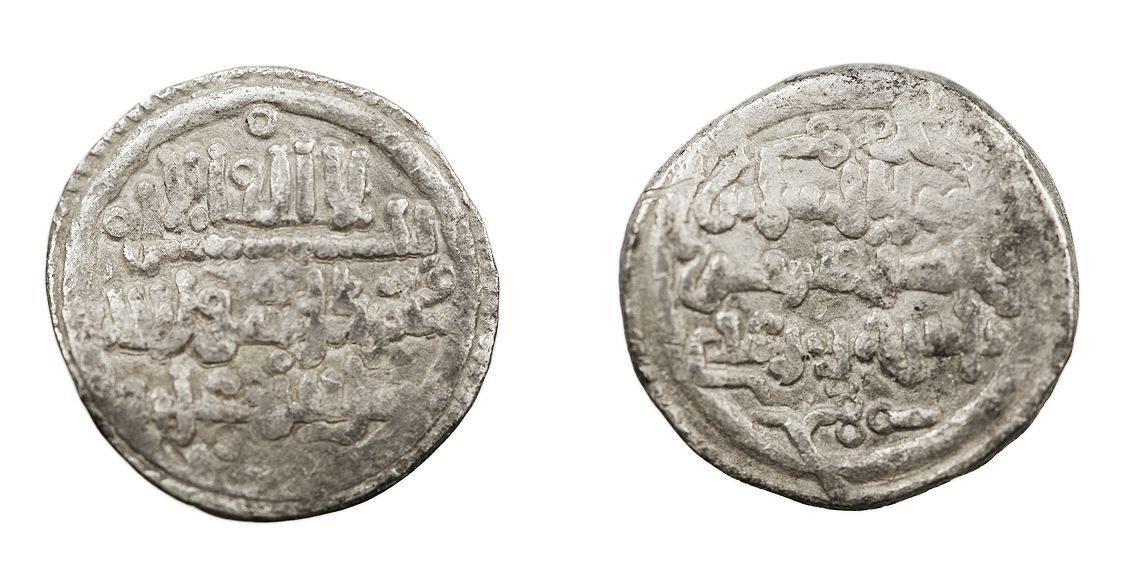
Almoravid Silver Qirat
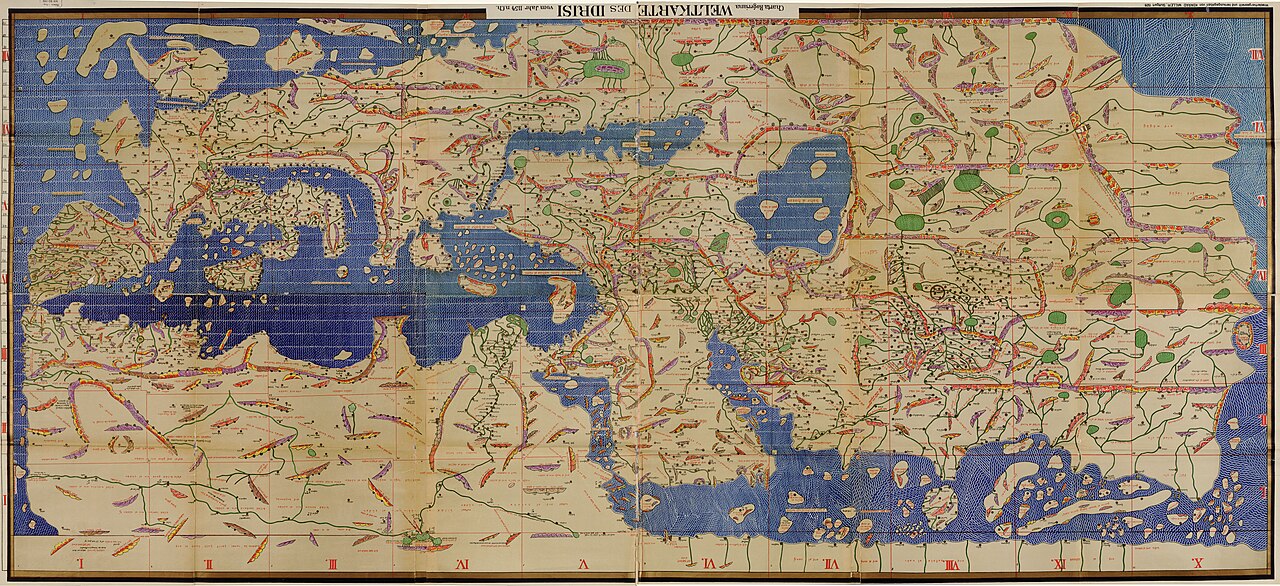 Document
Secondary source
Tabula Rogeriana
Muhammad al-Idrisi · 1154
Free account
Read every Yusuf ibn Tashfin source
Sign up free →
Ready when you are
Start chatting with Yusuf ibn Tashfin now.
20 messages free · No credit card · Available in 50+ languages.