


Primary sourcePhotographc. 1850-1855
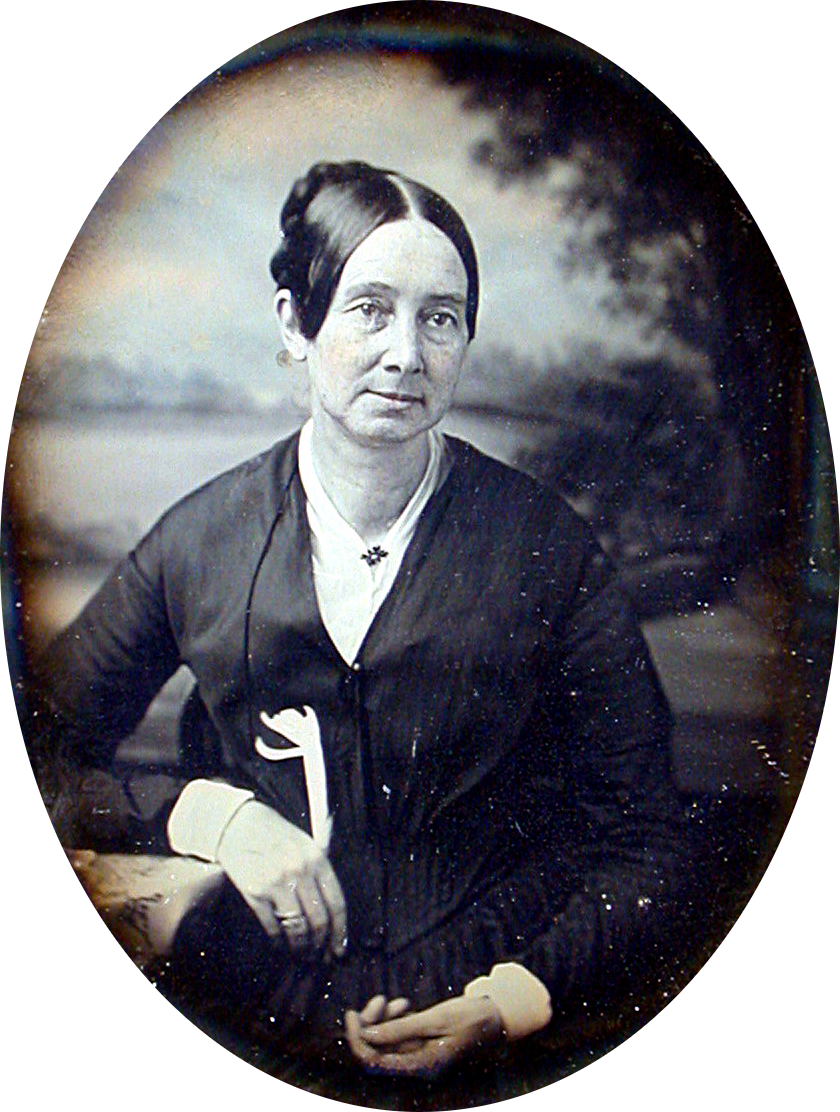
Dorothea Lynde Dix, c. 1850-1855
Samuel Broadbent · c. 1850-1855
A daguerreotype portrait of Dorothea Dix, the most widely reproduced image of her, made during her asylum reform campaigns.
This is a direct photographic portrait of Dix herself at the height of her reform career.
About this source
What it is
This is a ninth-plate daguerreotype photograph of Dorothea Dix, made by photographer Samuel Broadbent around 1850-1855.
Why it matters
Taken while Dix was travelling widely to investigate conditions for the mentally ill and lobby legislatures, this image became the picture most people associate with her. It shows how photography was beginning to shape the public image of reformers and activists in the mid-19th century.
Look closer
- What does Dix's posture and expression suggest about how she wanted to be seen?
- Why might a photograph like this have been useful to a reformer trying to be taken seriously by lawmakers?
- What is missing from a formal studio portrait like this that you wouldn't learn about her work?
This photograph is part of the curated material that grounds the AI version of Dorothea Dix on Humy.ai — when students ask about related events, the AI can quote it and cite it.
More Dorothea Dix sources
Meet the AI Dorothea Dix → Document
Primary source
Memorial to the Legislature of Massachusetts
Dorothea Dix · January 1843
 Document
Primary source
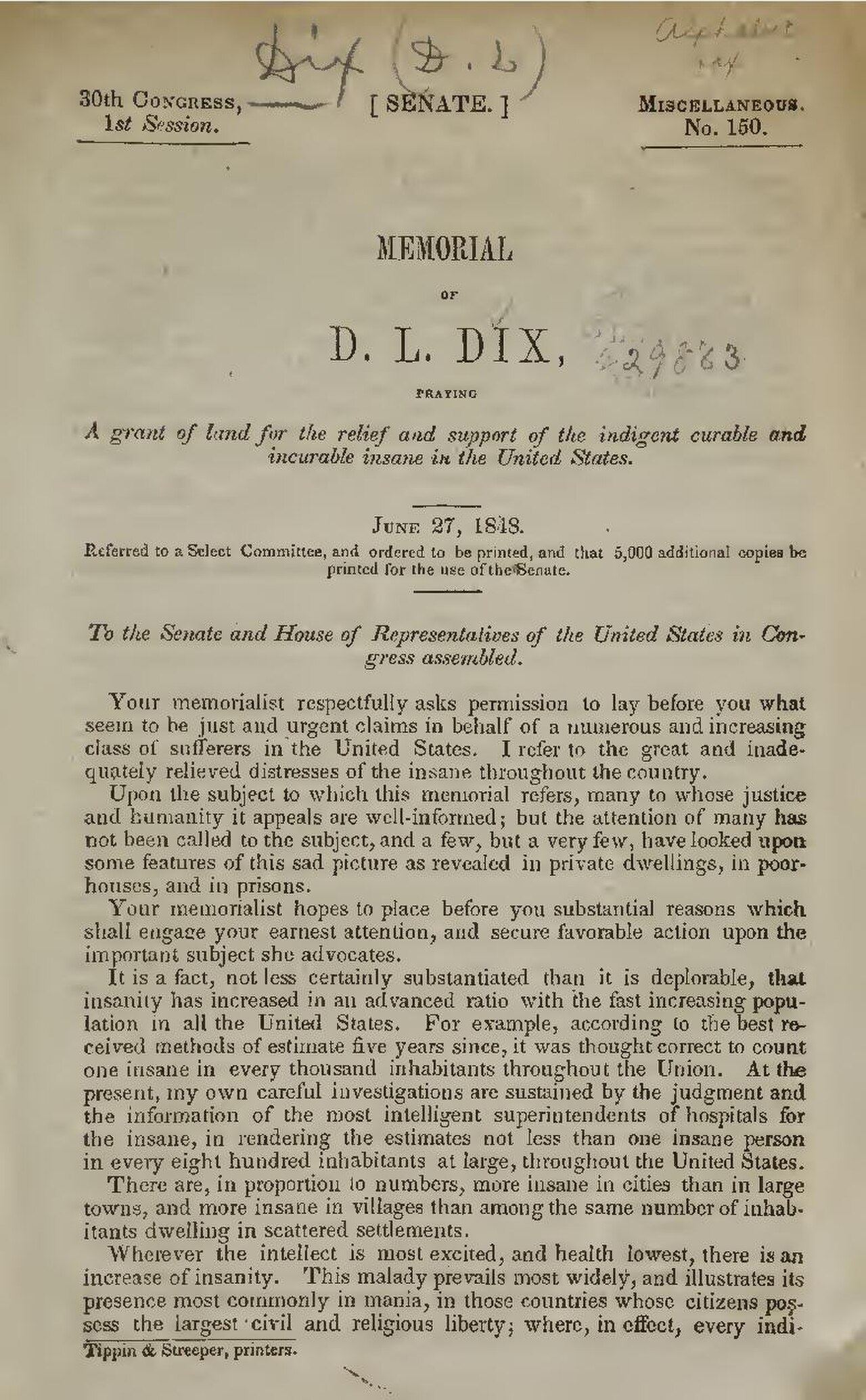
Memorial of D. L. Dix Praying a Grant of Land for the Indigent Insane
Dorothea Dix · 27 June 1848
 Document
Primary source
Memorial Soliciting a State Hospital for the Insane, New Jersey
Dorothea Dix · 23 January 1845
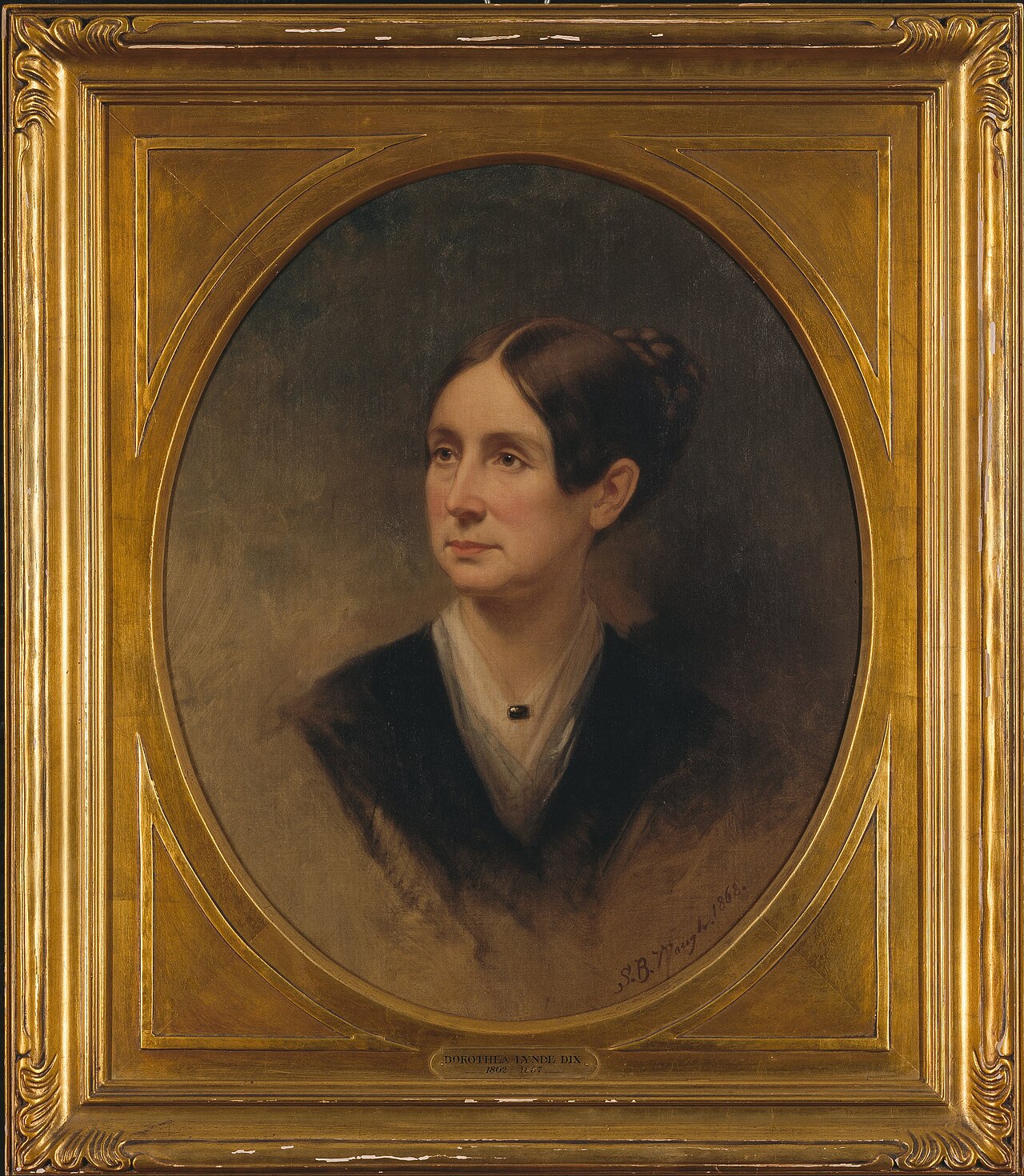 Painting
Primary source
Dorothea Lynde Dix
Samuel Waugh · 1868
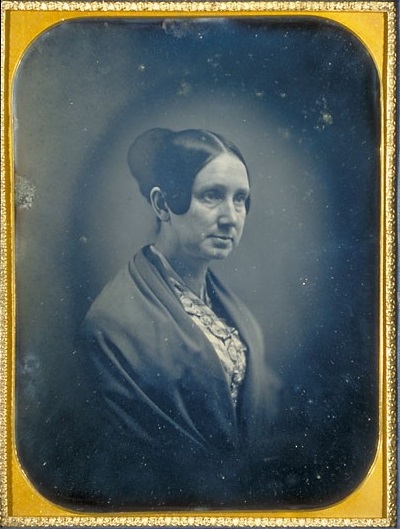 Photograph
Primary source
Daguerreotype of Dorothea Dix
Photographer unidentified · between 1840 and 1860
Ready when you are
Start chatting with Dorothea Dix now.
20 messages free · No credit card · Available in 50+ languages.