


Primary sourceBook1837
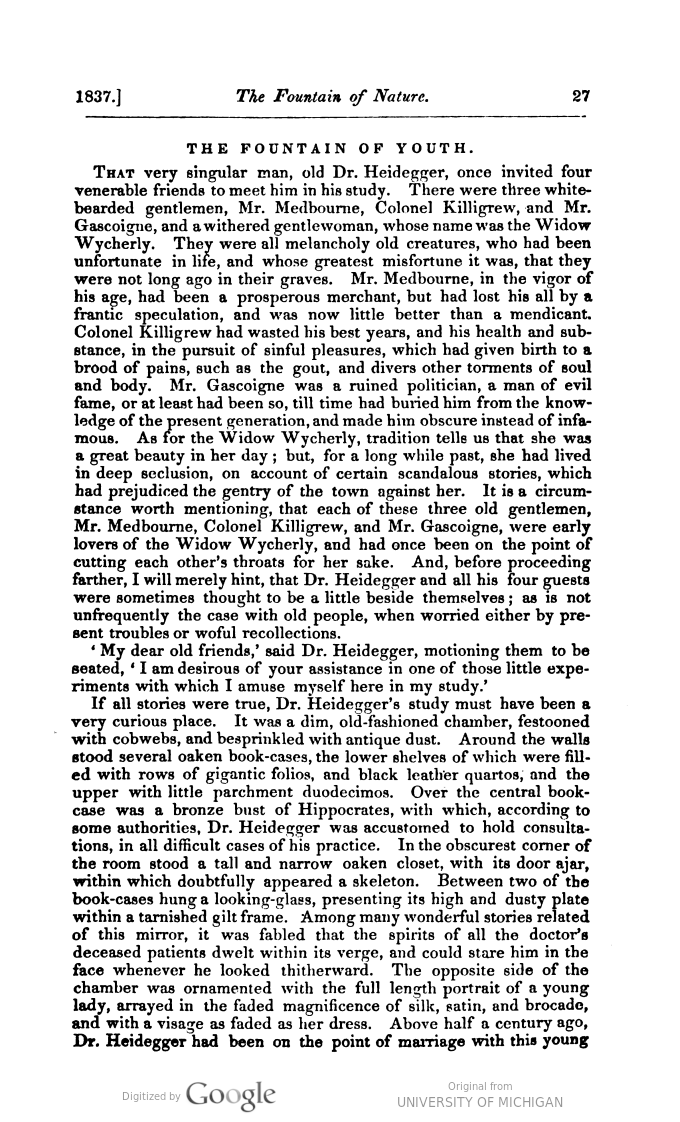
Dr. Heidegger's Experiment
Nathaniel Hawthorne · 1837
An 1837 short story by Hawthorne, originally called 'The Fountain of Youth', about elderly friends briefly made young again.
A Hawthorne tale, published anonymously, showing his skepticism about human nature and self-improvement.
About this source
What it is
This story by Nathaniel Hawthorne was first published anonymously as 'The Fountain of Youth' in The Knickerbocker magazine in January 1837, and later collected in Twice-Told Tales that same year. It tells of a doctor, Dr. Heidegger, who gives four elderly friends water said to be from the Fountain of Youth.
Why it matters
The story was praised by contemporaries including Edgar Allan Poe, who admired its imagination and execution. It reflects Hawthorne's recurring doubt about whether people can truly change, since the four friends, restored to youth, instantly repeat the same mistakes that ruined their earlier lives.
Look closer
- What does the story suggest about whether people learn from their past mistakes?
- Why might Hawthorne have chosen four very different characters to drink the water?
- Why do you think the story was first published without Hawthorne's name on it?
This book is part of the curated material that grounds the AI version of Nathaniel Hawthorne on Humy.ai — when students ask about related events, the AI can quote it and cite it.
More Nathaniel Hawthorne sources
Meet the AI Nathaniel Hawthorne →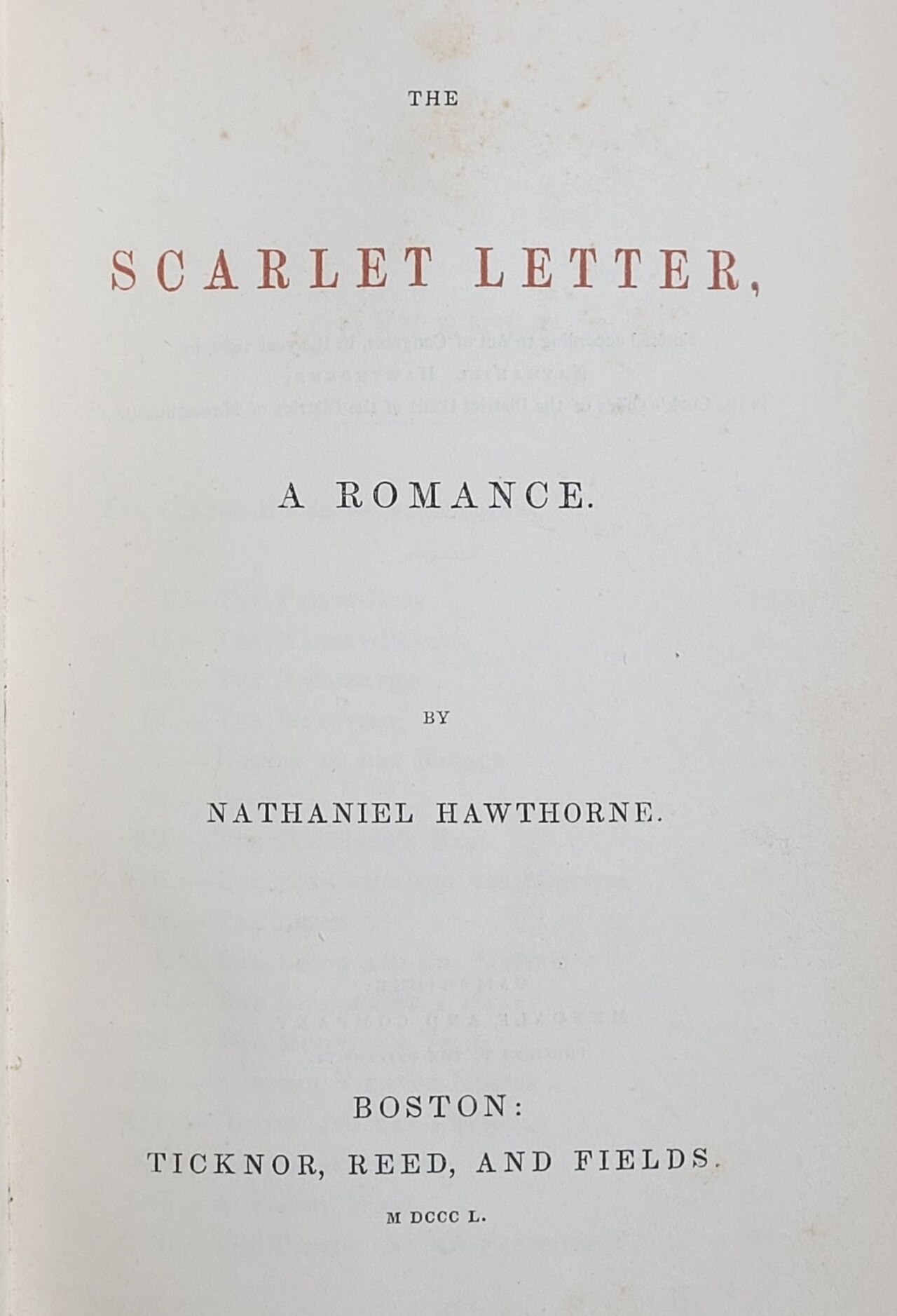 Book
Primary source
The Scarlet Letter
Nathaniel Hawthorne · 1850
 Book
Primary source
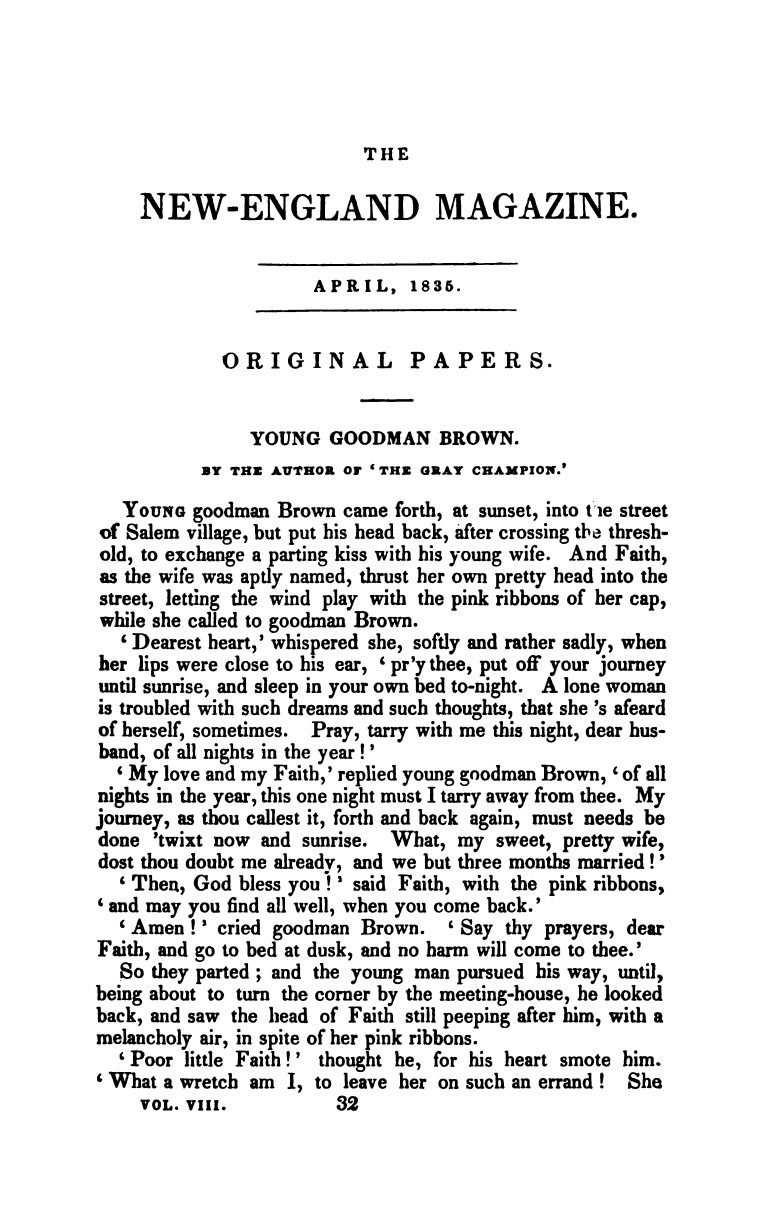
Young Goodman Brown
Nathaniel Hawthorne · 1835
 Book
Primary source
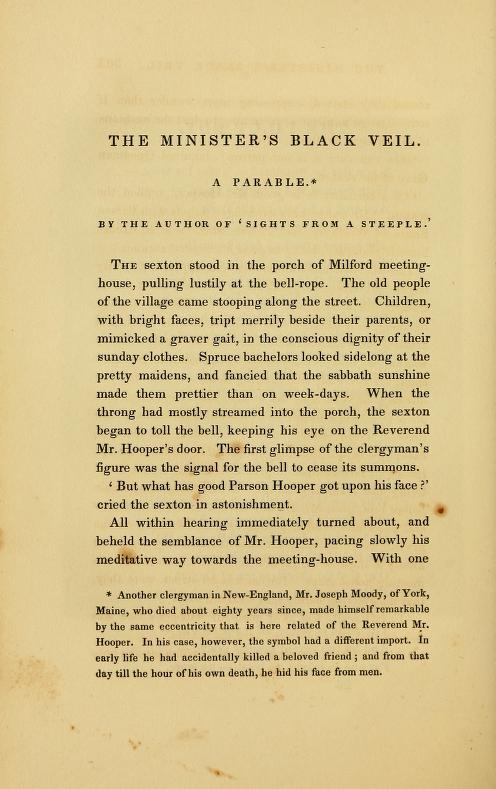
The Minister's Black Veil
Nathaniel Hawthorne · 1836
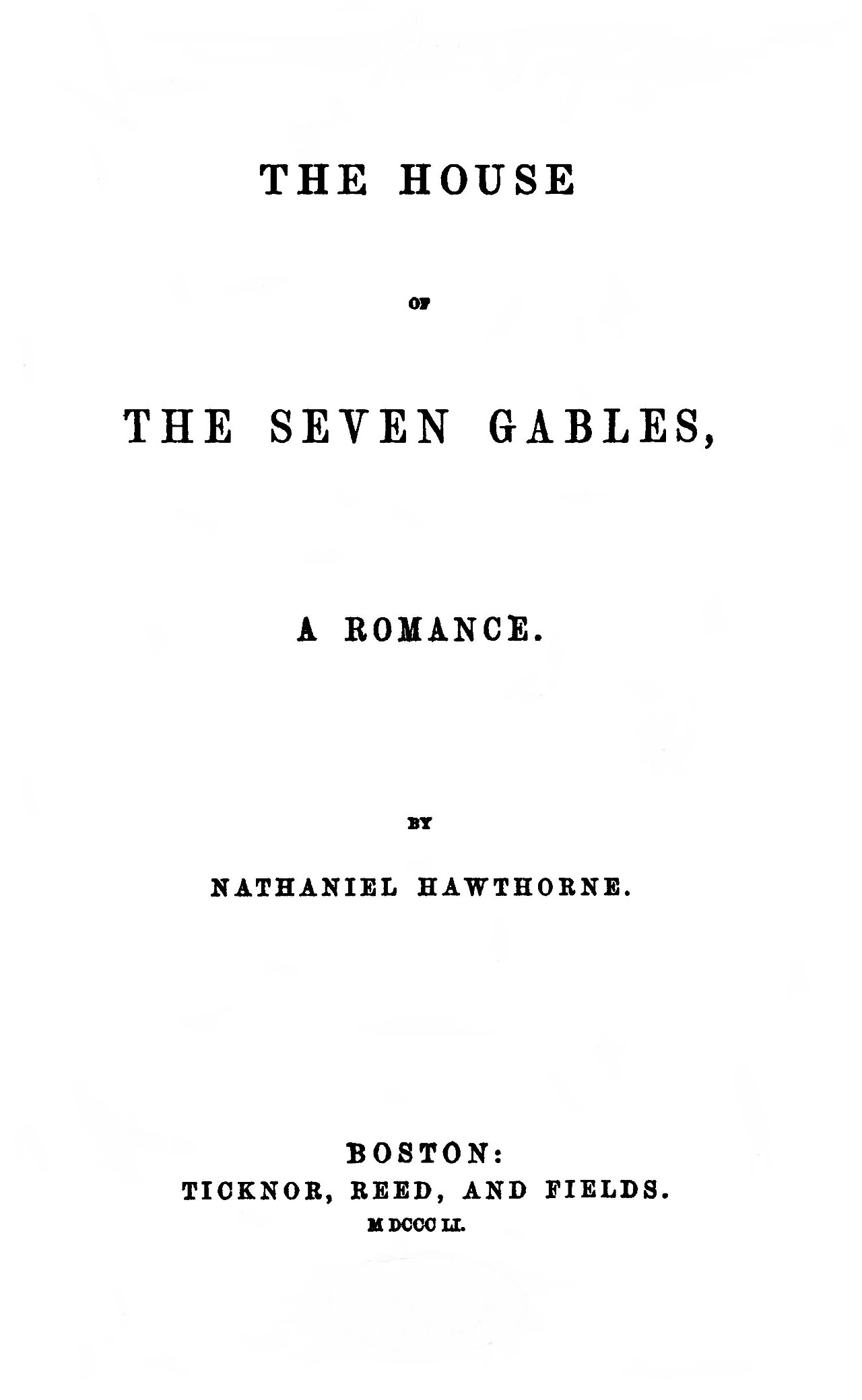 Book
Primary source
The House of the Seven Gables
Nathaniel Hawthorne · 1851
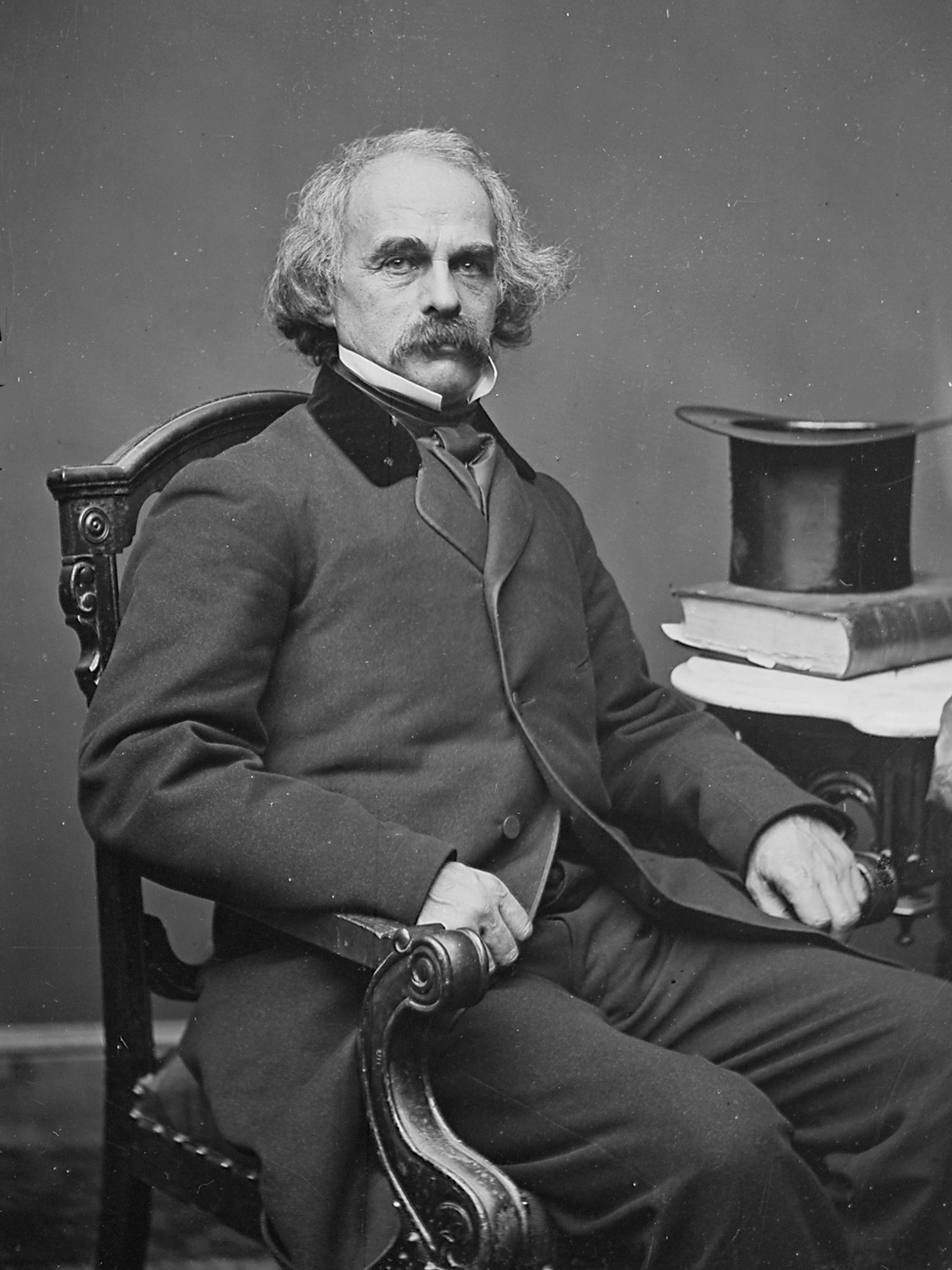 Photograph
Primary source
Portrait of Nathaniel Hawthorne
Ready when you are
Start chatting with Nathaniel Hawthorne now.
20 messages free · No credit card · Available in 50+ languages.