


Primary sourceDocumentNovember 7, 1775
Dunmore's Proclamation
John Murray, 4th Earl of Dunmore · November 7, 1775
A 1775 proclamation by the British governor of Virginia offering freedom to enslaved men who joined British forces, shaping the choices facing Black Americans like Salem.
This rival British offer of freedom provides context for Salem's choice to serve on the Patriot side instead.
About this source
What it is
This document was issued on November 7, 1775 by John Murray, 4th Earl of Dunmore, the royal governor of Virginia. It declared martial law and offered freedom to enslaved people who left their owners to join British forces. Copies are held at the Library of Congress and the University of Virginia.
Why it matters
Dunmore's proclamation angered many colonists and pushed some toward independence, but it also gave enslaved men a real choice between the British and Patriot causes. This context helps explain the decisions facing Black soldiers such as Peter Salem, who instead fought for the Patriot side.
Look closer
- Why would the British offer freedom to enslaved people at this moment in the conflict?
- What does this proclamation suggest about how both sides used the issue of slavery for their own purposes?
- How might a document like this affect a Black colonist's decision about which side to support?
This document is part of the curated material that grounds the AI version of Peter Salem on Humy.ai — when students ask about related events, the AI can quote it and cite it.
More Peter Salem sources
Meet the AI Peter Salem →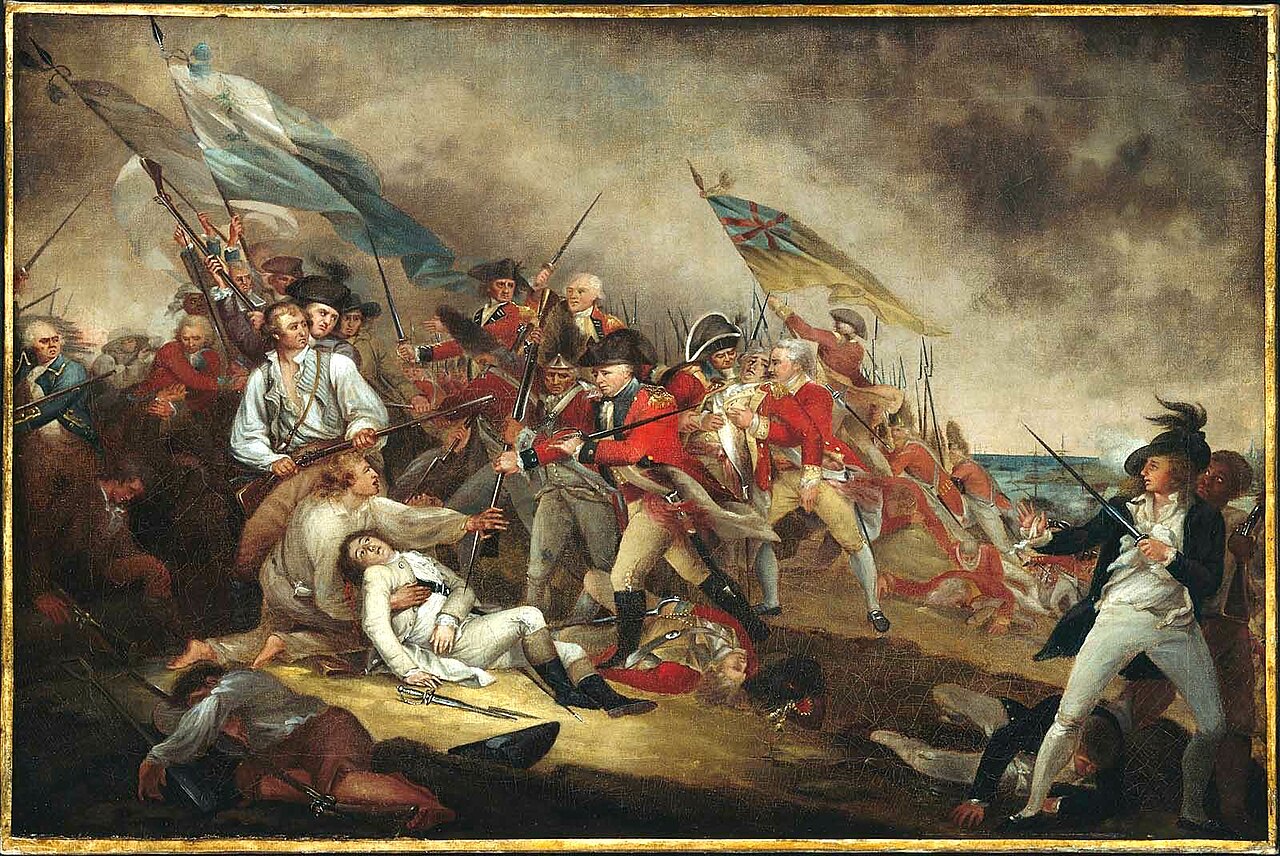 Painting
Secondary source
The Death of General Warren at the Battle of Bunker's Hill, June 17, 1775
John Trumbull · 1815
 Book
Secondary source
History of the Negro Race in America from 1619 to 1880
George Washington Williams · 1882
 Painting
Secondary source
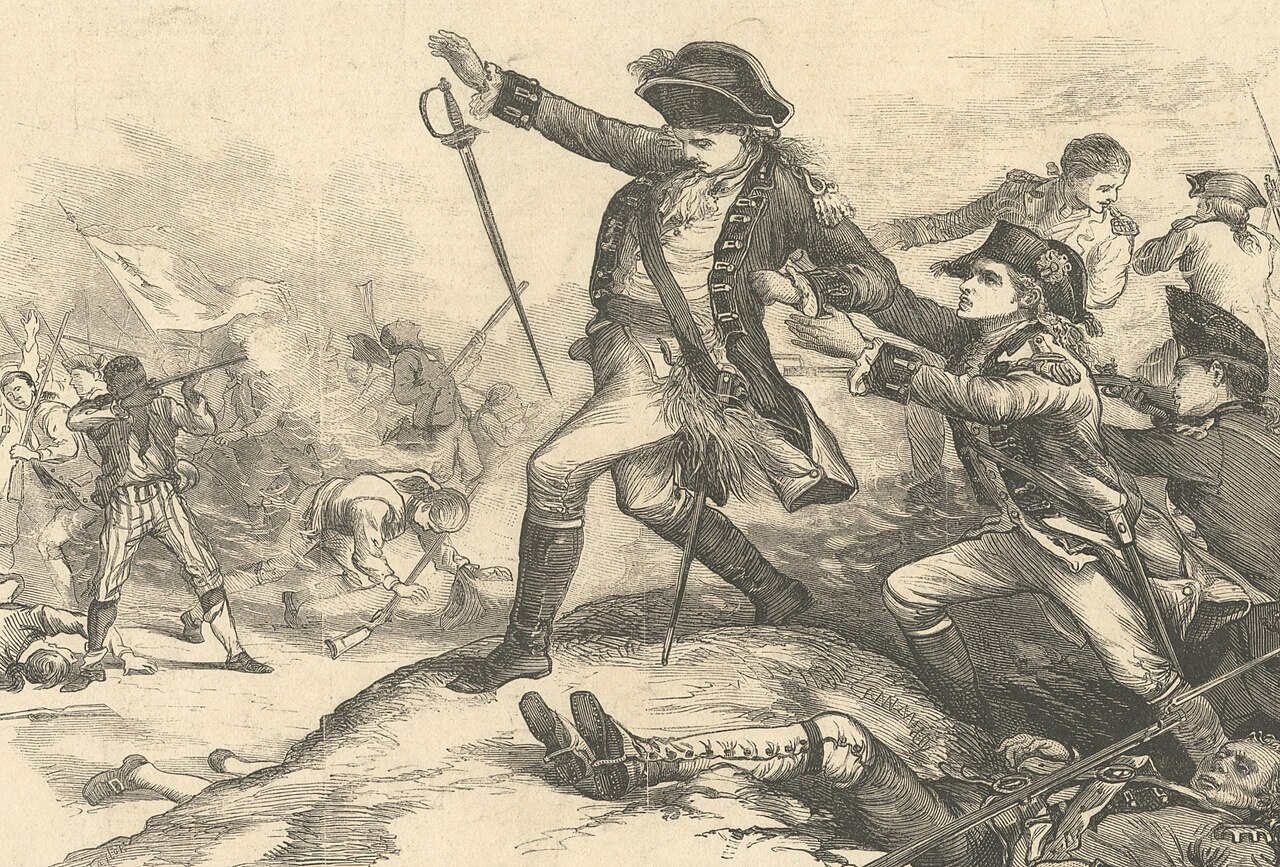
The Shooting of Major Pitcairn by the Colored Soldier Salem
19th century
 Book
Secondary source
The Colored Patriots of the American Revolution
William Cooper Nell · 1855
 Book
Secondary source
The Black Phalanx
Joseph T. Wilson · 1888
Ready when you are
Start chatting with Peter Salem now.
20 messages free · No credit card · Available in 50+ languages.