


Primary sourceArtifact1380s alterations
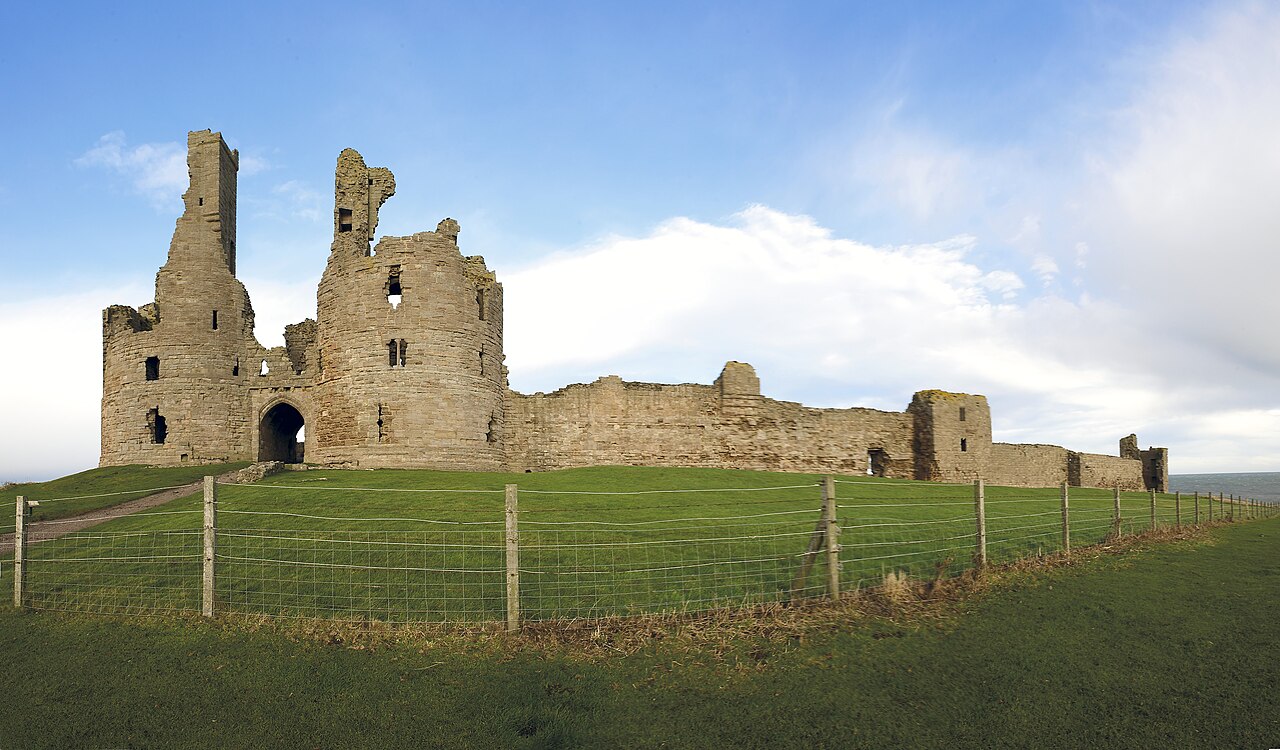
Dunstanburgh Castle
1380s alterations
A Northumberland castle whose gatehouse John of Gaunt converted into a keep in the 1380s to defend the Scottish border.
Gaunt rebuilt part of this castle in the 1380s as a stronghold against Scotland, part of his role as a great border lord.
About this source
What it is
Dunstanburgh Castle, on the Northumberland coast, was built between 1313 and 1322 by Thomas, 2nd Earl of Lancaster. In the 1380s, John of Gaunt, Duke of Lancaster, strengthened its defences, converting the great gatehouse into a keep and adding works facing Lilburn, in response to threats from Scotland and the aftermath of the Peasants' Revolt. It is now a ruin managed by English Heritage.
Why it matters
Gaunt's work at Dunstanburgh shows him acting as a border lord responsible for defending England against Scotland, and reveals how the castle passed from the rebellious Earl Thomas to the Duchy of Lancaster and became a tool of royal power. The site later changed hands repeatedly during the Wars of the Roses.
Look closer
- Why might Gaunt have strengthened a castle built generations earlier by a different, executed earl?
- What does the timing, just after the Peasants' Revolt, suggest about Gaunt's concerns?
- What can a ruined building tell us that a document cannot, and what does it leave out?
This artifact is part of the curated material that grounds the AI version of John of Gaunt on Humy.ai — when students ask about related events, the AI can quote it and cite it.
More John of Gaunt sources
Browse all 49 → Document
Primary source
John of Gaunt's Register
Chancery of John of Gaunt, Duke of Lancaster · 1372–1383
 Book
Secondary source
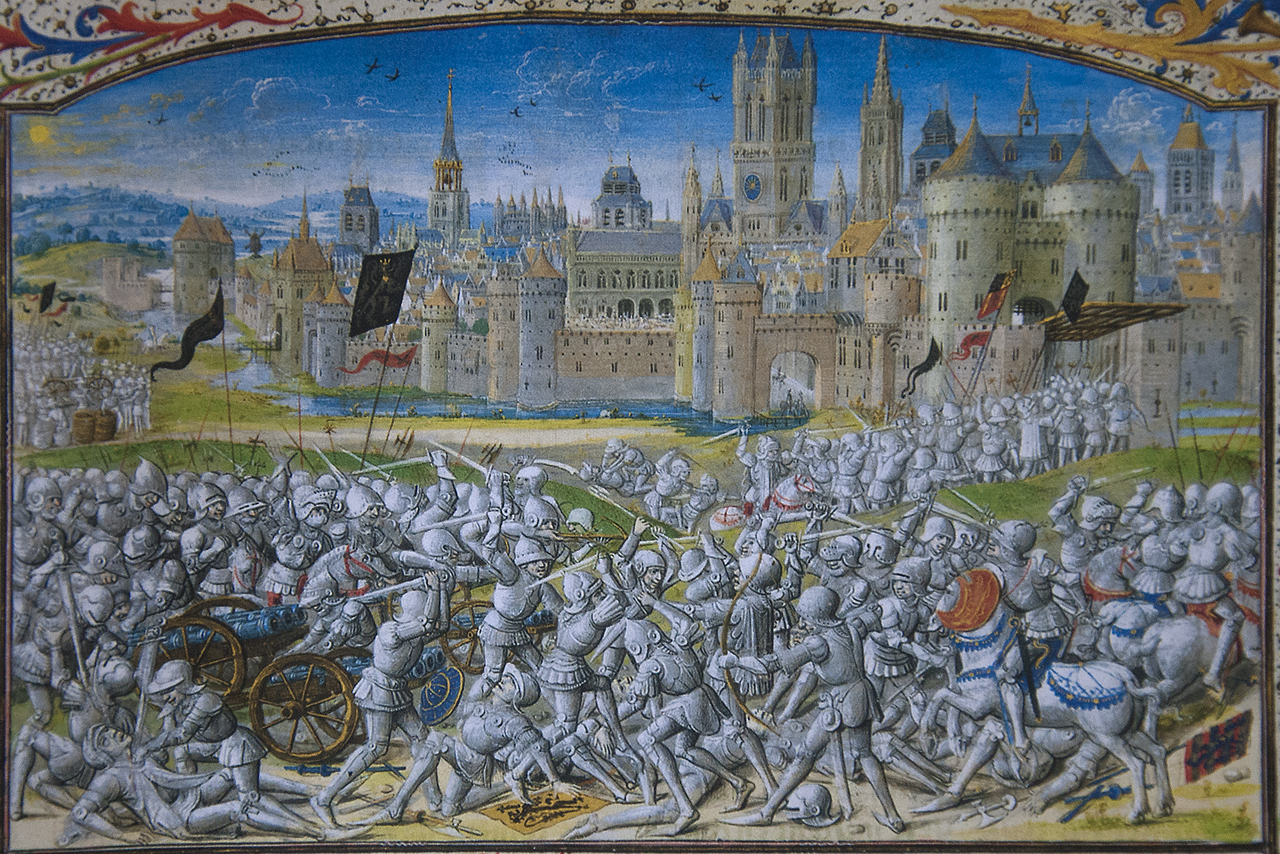
Froissart's Chronicles
Jean Froissart · 1369
 Book
Primary source
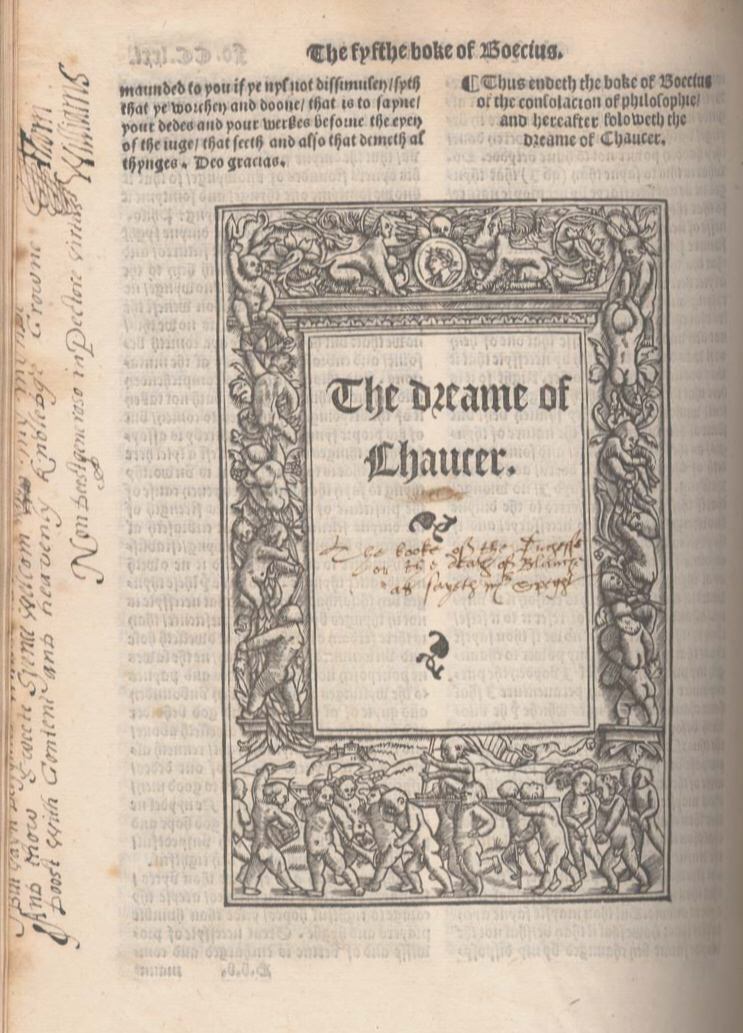
The Book of the Duchess
Geoffrey Chaucer · c. 1368-1372
 Document
Primary source
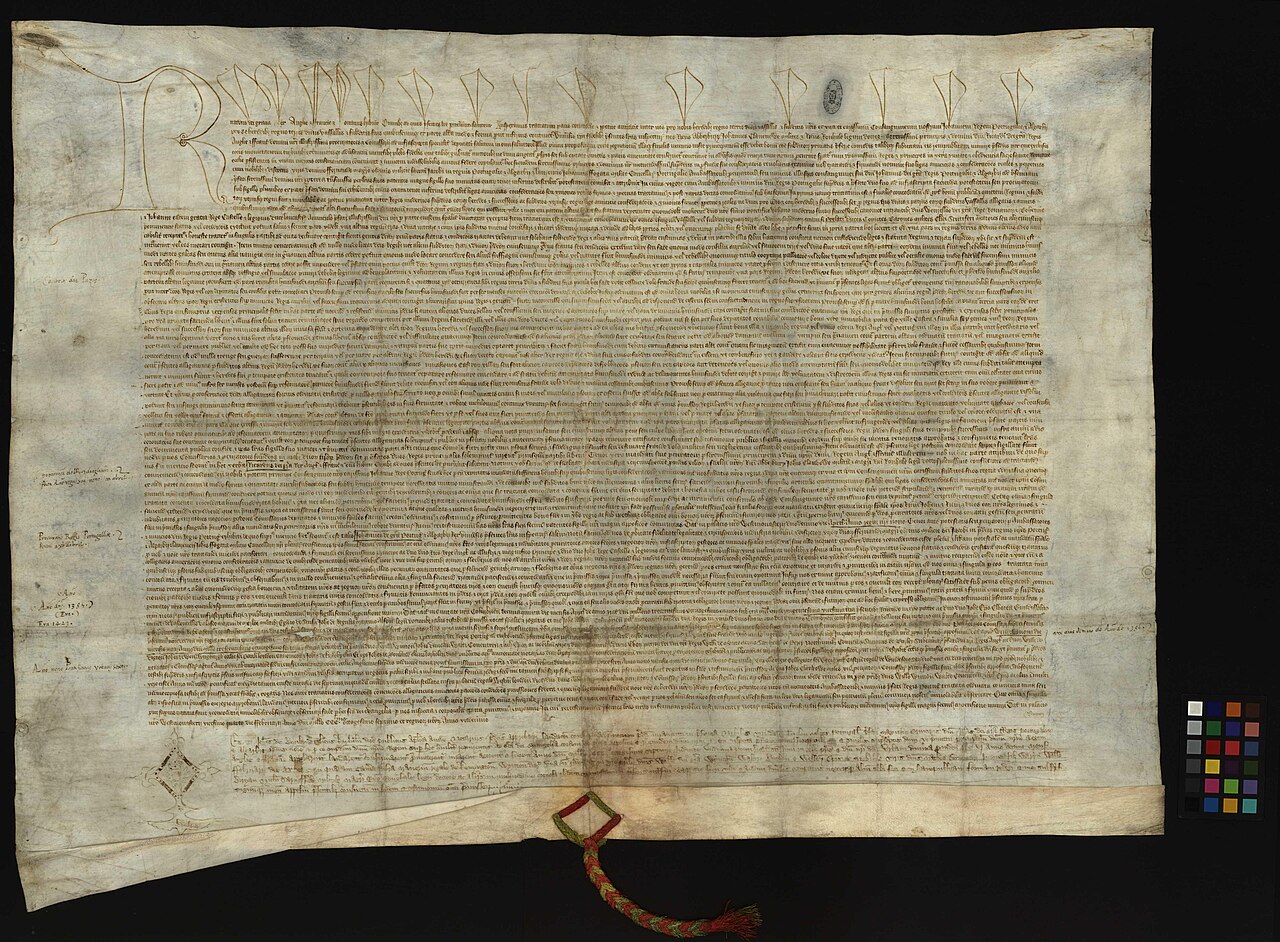
Treaty of Windsor
1386-1387
Free account
Read every John of Gaunt source
Sign up free →
Ready when you are
Start chatting with John of Gaunt now.
20 messages free · No credit card · Available in 50+ languages.