


Primary sourceSpeech2 February 1953
Dwight D. Eisenhower's First State of the Union Address
Dwight D. Eisenhower · 2 February 1953
Eisenhower's first message to Congress, delivered in February 1953, setting out his goals for foreign policy, the budget and civil rights.
This was Eisenhower's first message to Congress as president, setting out the agenda of his new administration.
About this source
What it is
This is the first State of the Union Address given by Dwight D. Eisenhower, delivered on Monday, February 2, 1953, to the 83rd United States Congress in the House chamber. The speech was broadcast live on radio and television. Its opening welcomes the honor of delivering his first message to Congress and lists four ruling purposes for the administration.
Why it matters
The address was the first State of the Union given by a Republican president in over 20 years, and the first before a joint session of Congress by a Republican in 30 years. Eisenhower discussed the Korean War, the national debt and the federal budget, and urged statehood for Hawaii. He also spoke about civil rights and discrimination against minorities. House speaker Joseph W. Martin Jr. presided, with Vice President Richard Nixon present as president of the Senate.
Look closer
- Which of the four purposes does the speech treat as most important, and how can you tell?
- How does Eisenhower describe the postwar world and the threat he sees?
- What does the speech say about civil rights, and what concrete actions does it leave out?
This speech is part of the curated material that grounds the AI version of Dwight D. Eisenhower on Humy.ai — when students ask about related events, the AI can quote it and cite it.
More Dwight D. Eisenhower sources
Meet the AI Dwight D. Eisenhower →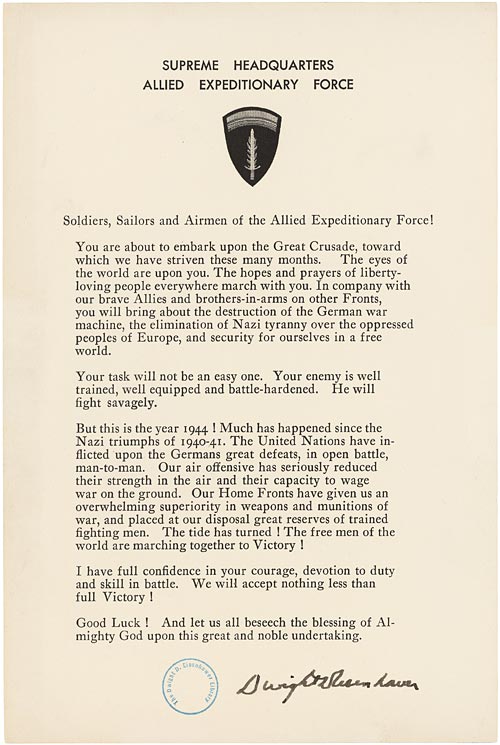 Document
Primary source
Order of the Day to the Allied Expeditionary Force
Dwight D. Eisenhower · June 1944
 Document
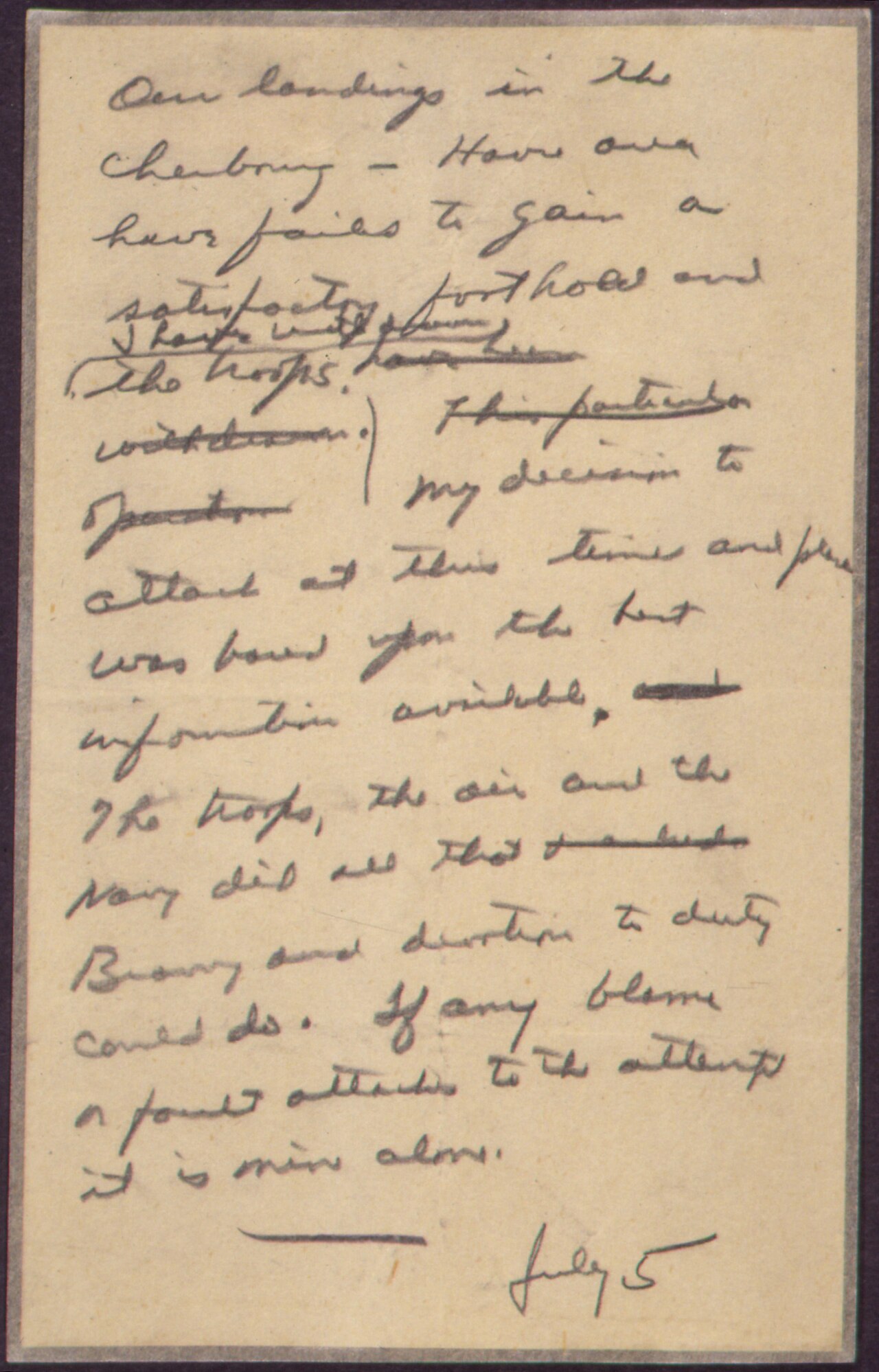
Primary source
'In Case of Failure' Note
Dwight D. Eisenhower · 5 June 1944
 Photograph
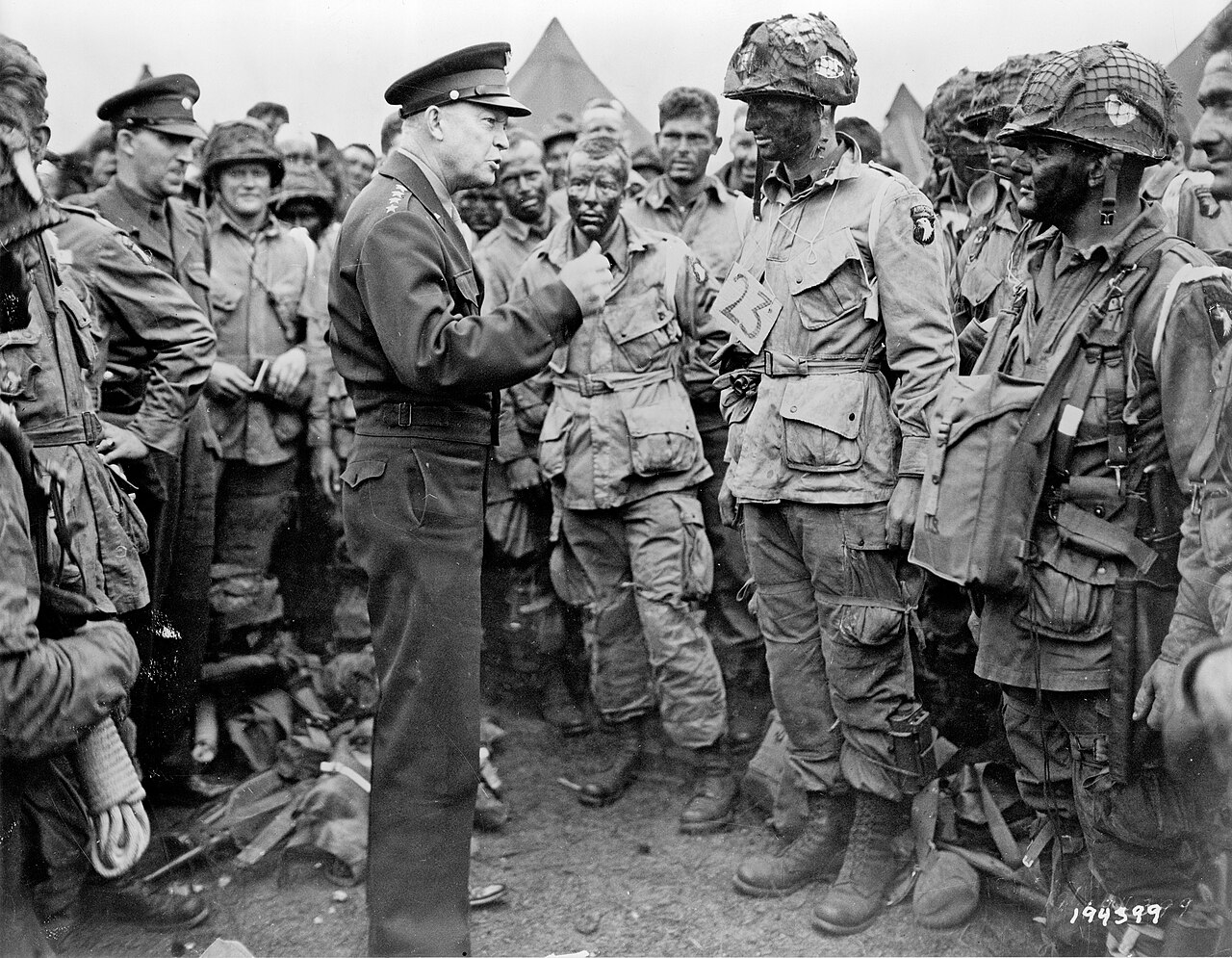
Primary source
Photograph of General Eisenhower with Paratroopers Before D-Day
U.S. Army Signal Corps · 5 June 1944
 Document
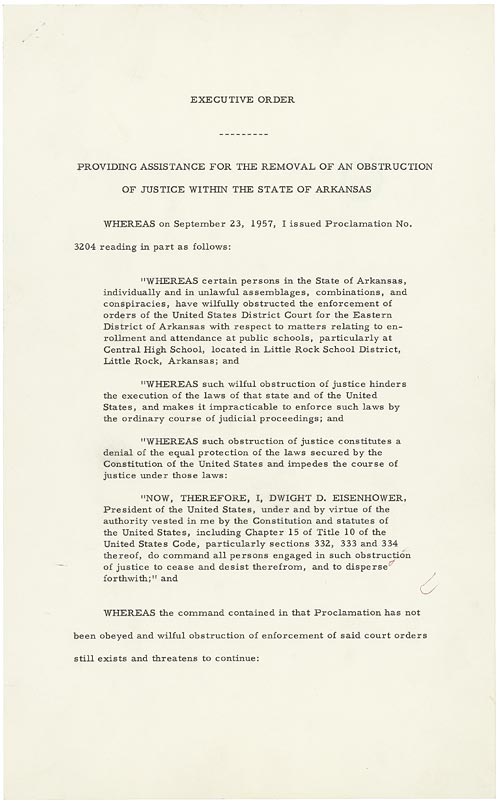
Primary source
Executive Order 10730: Desegregation of Central High School
Dwight D. Eisenhower · 23 September 1957
 Document
Primary source
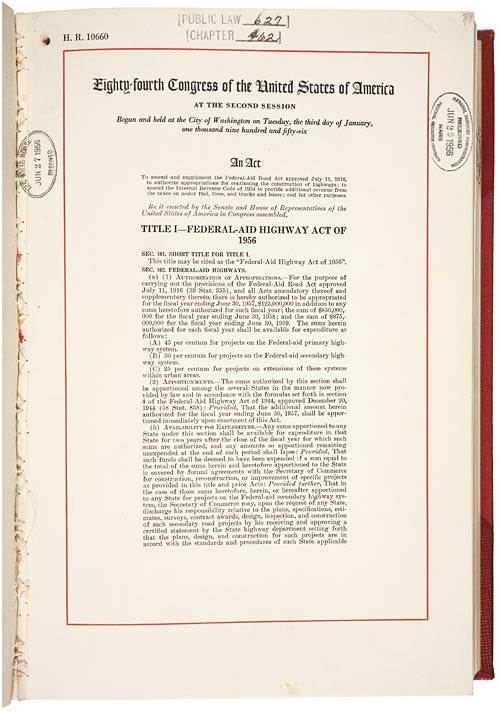
National Interstate and Defense Highways Act
29 June 1956
Ready when you are
Start chatting with Dwight D. Eisenhower now.
20 messages free · No credit card · Available in 50+ languages.