


Primary sourcePainting1917, after an 1881 sketch by Muir
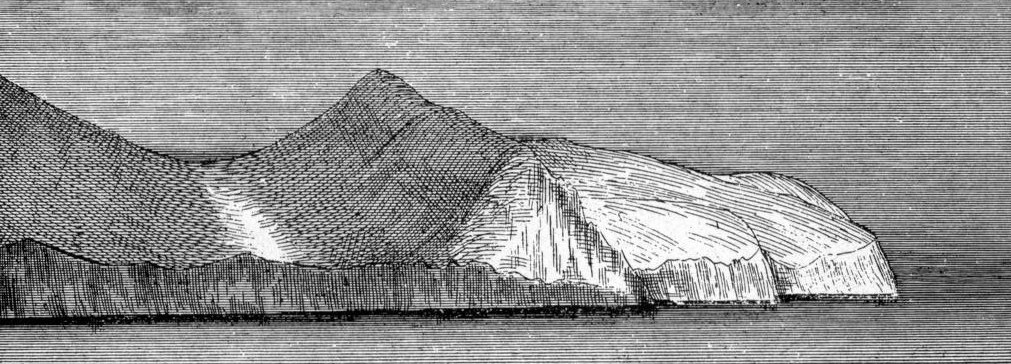
East Cape from the South
John Muir · 1917, after an 1881 sketch by Muir
An engraving made in 1917 from John Muir's own 1881 sketch of Cape Dezhnev, drawn to show patterns of glaciation.
Shows Muir's 1881 field sketch of Cape Dezhnev, reproduced to illustrate the glaciation he studied in Alaska.
About this source
What it is
This is a black-and-white engraving of a rugged coastline with a pointed hill on the left and sloping cliffs running to the right. The collection record says it shows Cape Dezhnev, which it calls East Cape. The engraving was made in 1917 from Muir's own 1881 sketch. The engraver is not named in the facts. The copy shown is a digital image held in the Wikimedia Commons archive.
Why it matters
Muir sketched this coast to show how ice had shaped the land. Because the print was made decades after the sketch, it shows how his field observations were later shared with readers in published form. It connects his work as a naturalist to the study of glaciers in the Arctic.
Look closer
- Which lines in the engraving suggest the direction in which ice moved?
- Why might an engraver's version differ from the original sketch?
- What might the sketch show that a single view of the coast cannot?
This painting is part of the curated material that grounds the AI version of John Muir on Humy.ai — when students ask about related events, the AI can quote it and cite it.
More John Muir sources
Meet the AI John Muir →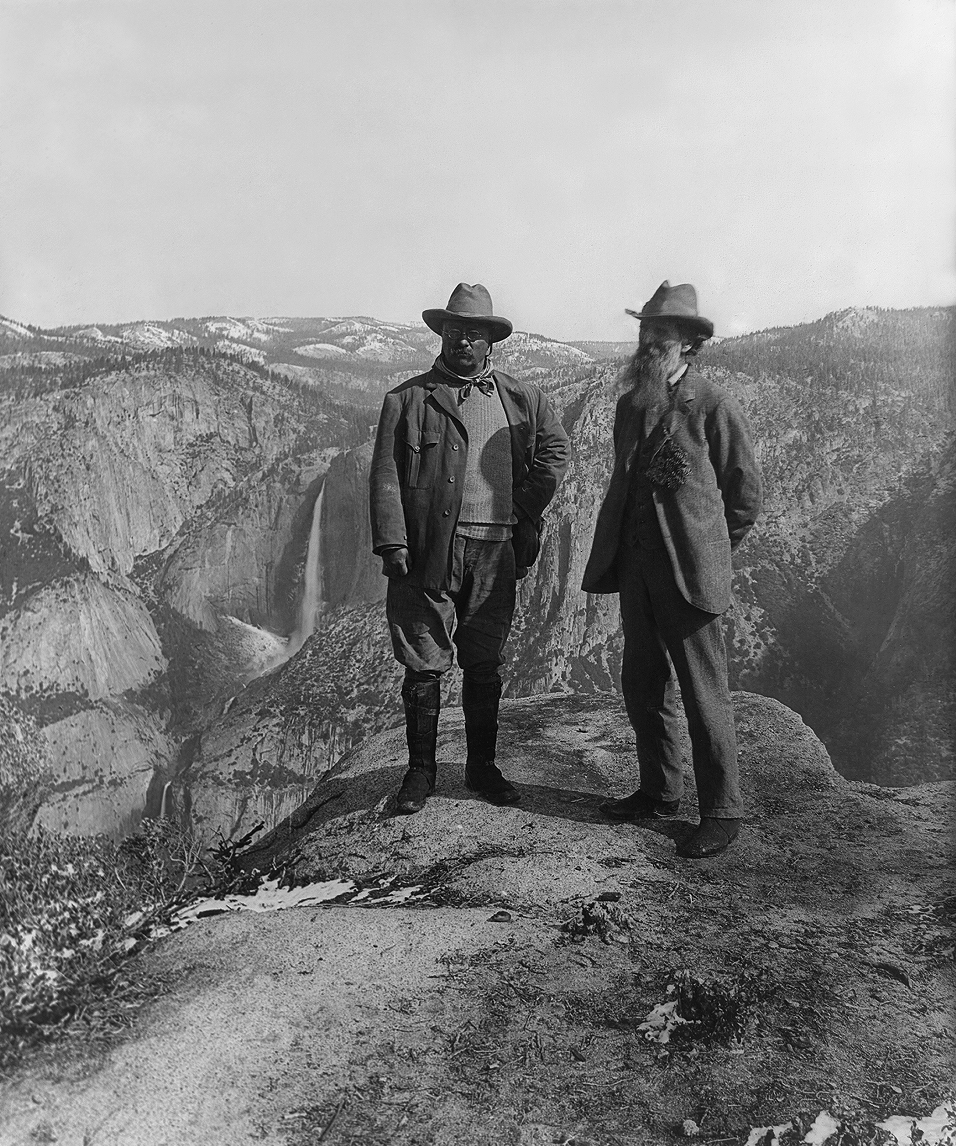 Photograph
Primary source
Muir and Roosevelt at Glacier Point
Underwood & Underwood · 1903
Primary source
My First Summer in the Sierra
John Muir · 1911
Primary source
Our National Parks
John Muir · 1901
 Document
Primary source
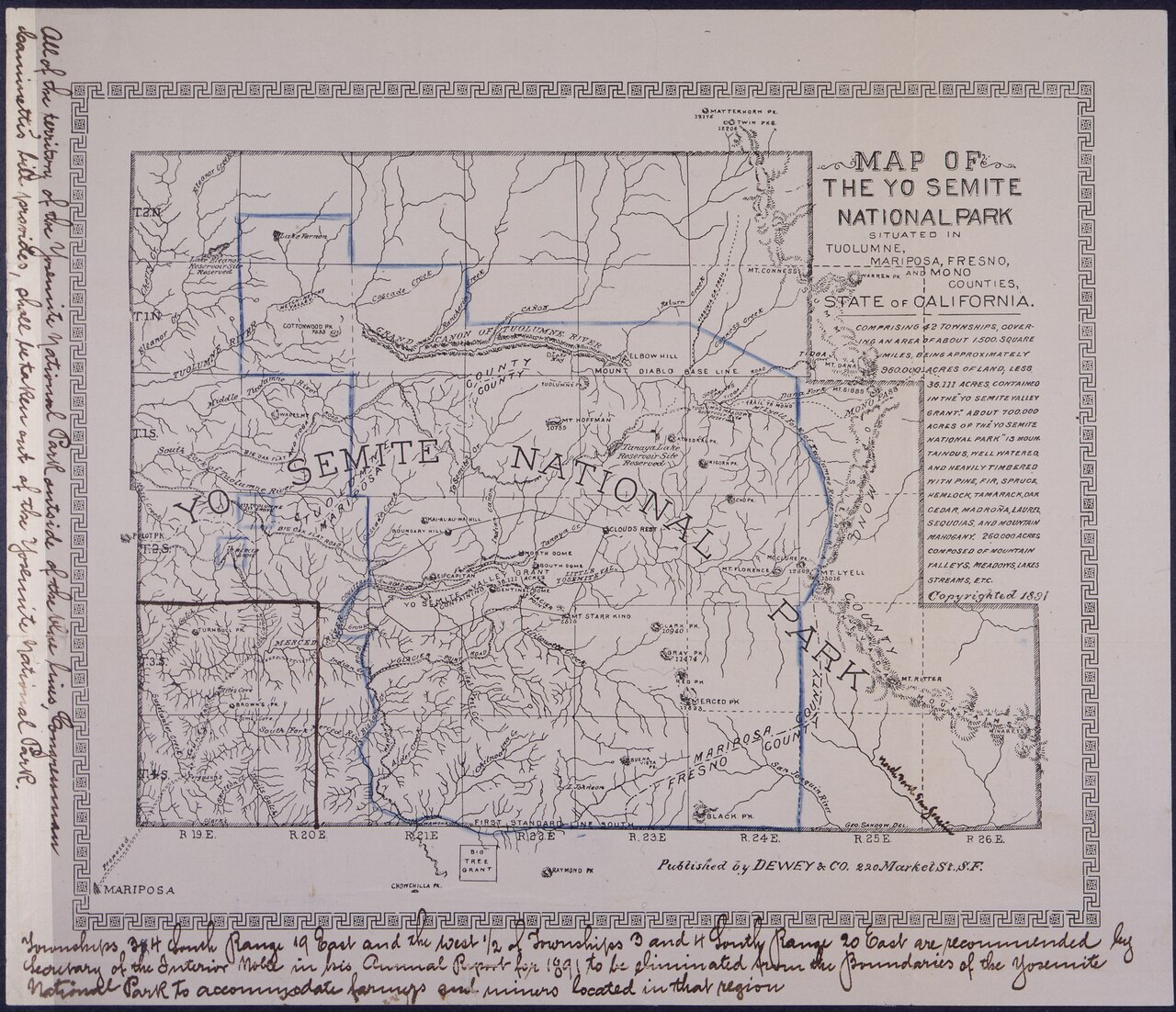
Petition and Map from the Sierra Club Founders
John Muir and the Sierra Club
 Book
Primary source
The Mountains of California
John Muir · 1894
Ready when you are
Start chatting with John Muir now.
20 messages free · No credit card · Available in 50+ languages.