


Primary sourceArtifact1879-1880
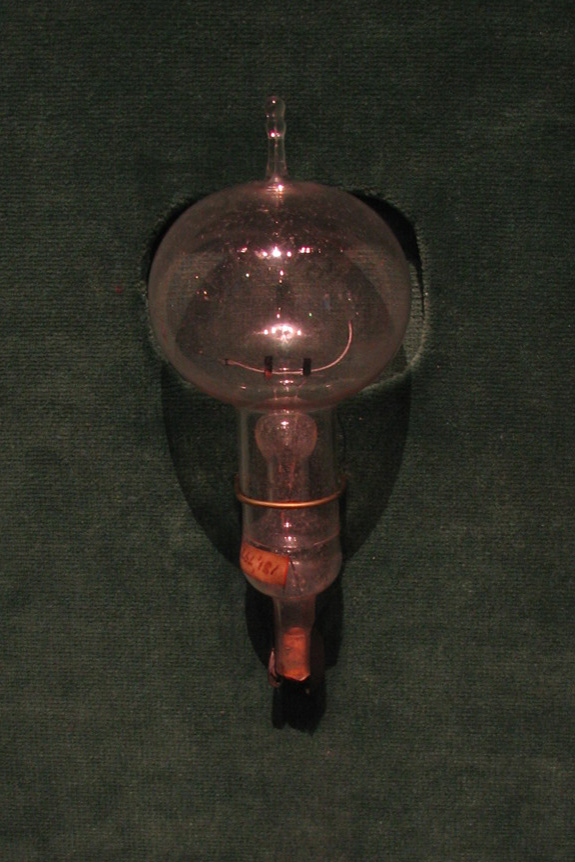
Edison Carbon-Filament Incandescent Lamp
Thomas Edison · 1879-1880
An original 1879 light bulb from Edison's Menlo Park workshop, showing the result of his filament experiments.
This surviving lamp is a physical product of Edison's laboratory and his search for a practical filament.
About this source
What it is
This glass incandescent lamp with a carbon filament was made at Thomas Edison's Menlo Park laboratory around 1879–1880. It is now held by the Smithsonian National Museum of American History. Edison's team tested many filament materials before succeeding with carbon and, later, carbonized bamboo.
Why it matters
The first successful test of this type of lamp lasted over thirteen hours, a breakthrough after years of searching for a filament that would glow steadily without burning out quickly. This object shows the physical, hands-on side of invention: not a single flash of genius, but repeated testing and small improvements by Edison and his laboratory team.
Look closer
- What does the fragile glass and thin filament tell you about how carefully this object had to be made?
- Why do you think so many different materials were tried before carbon and bamboo worked?
- What does this object leave out about the people who actually built and tested it alongside Edison?
This artifact is part of the curated material that grounds the AI version of Thomas Edison on Humy.ai — when students ask about related events, the AI can quote it and cite it.
More Thomas Edison sources
Meet the AI Thomas Edison →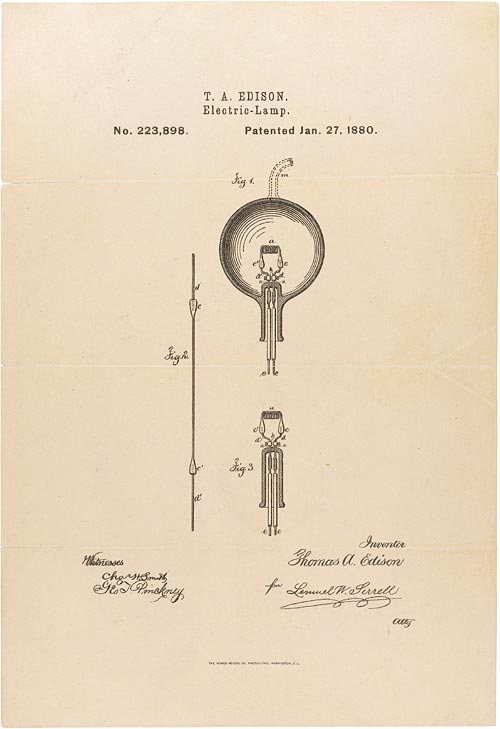 Document
Primary source
Thomas Edison's Patent Application for the Light Bulb
Thomas Edison · 27 January 1880
Primary source
Around the World on the Phonograph
Thomas Edison · c. late October 1888
 Photograph
Primary source
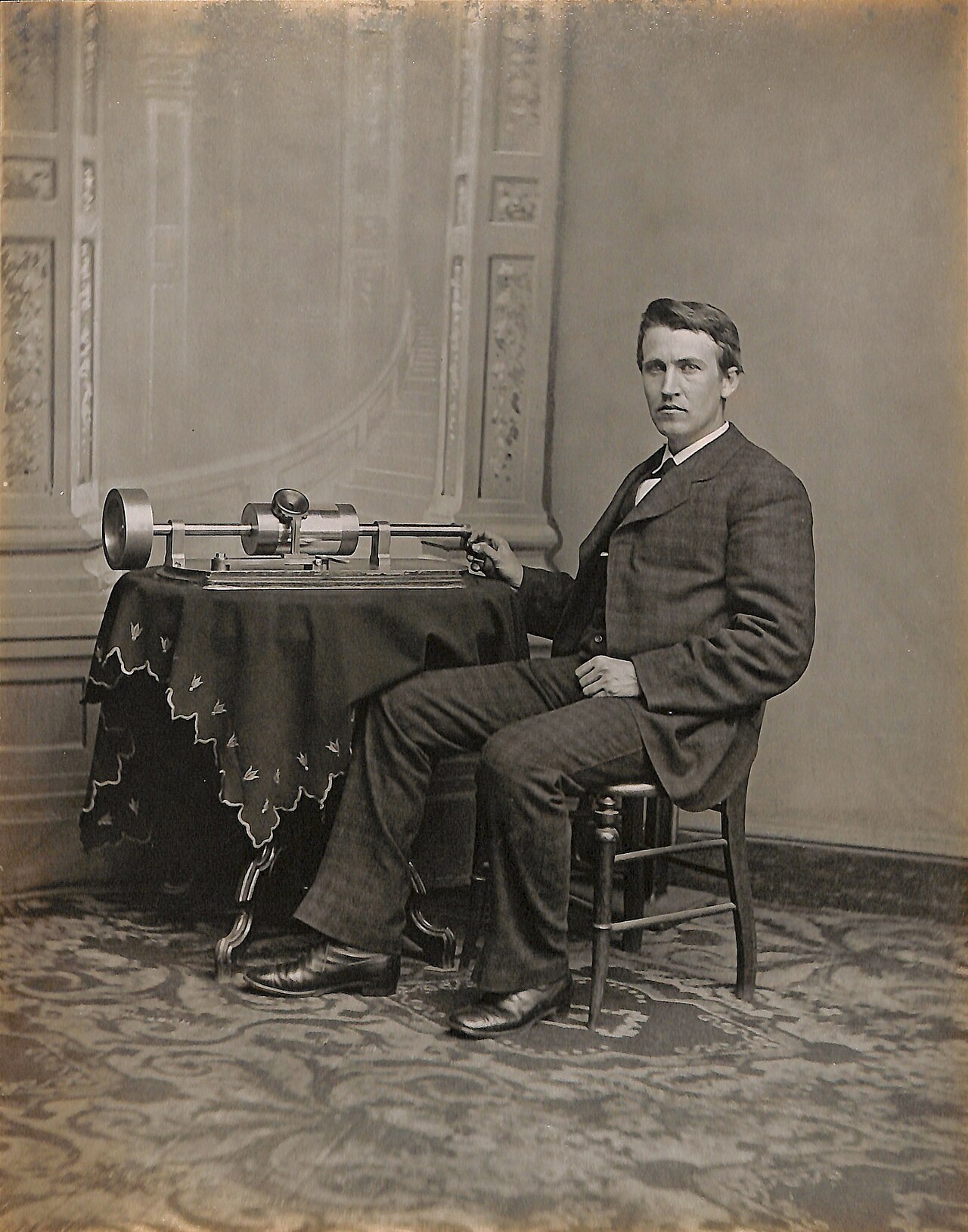
Thomas Edison with His Phonograph
Mathew Brady studio · April 1878
 Documentary
Primary source
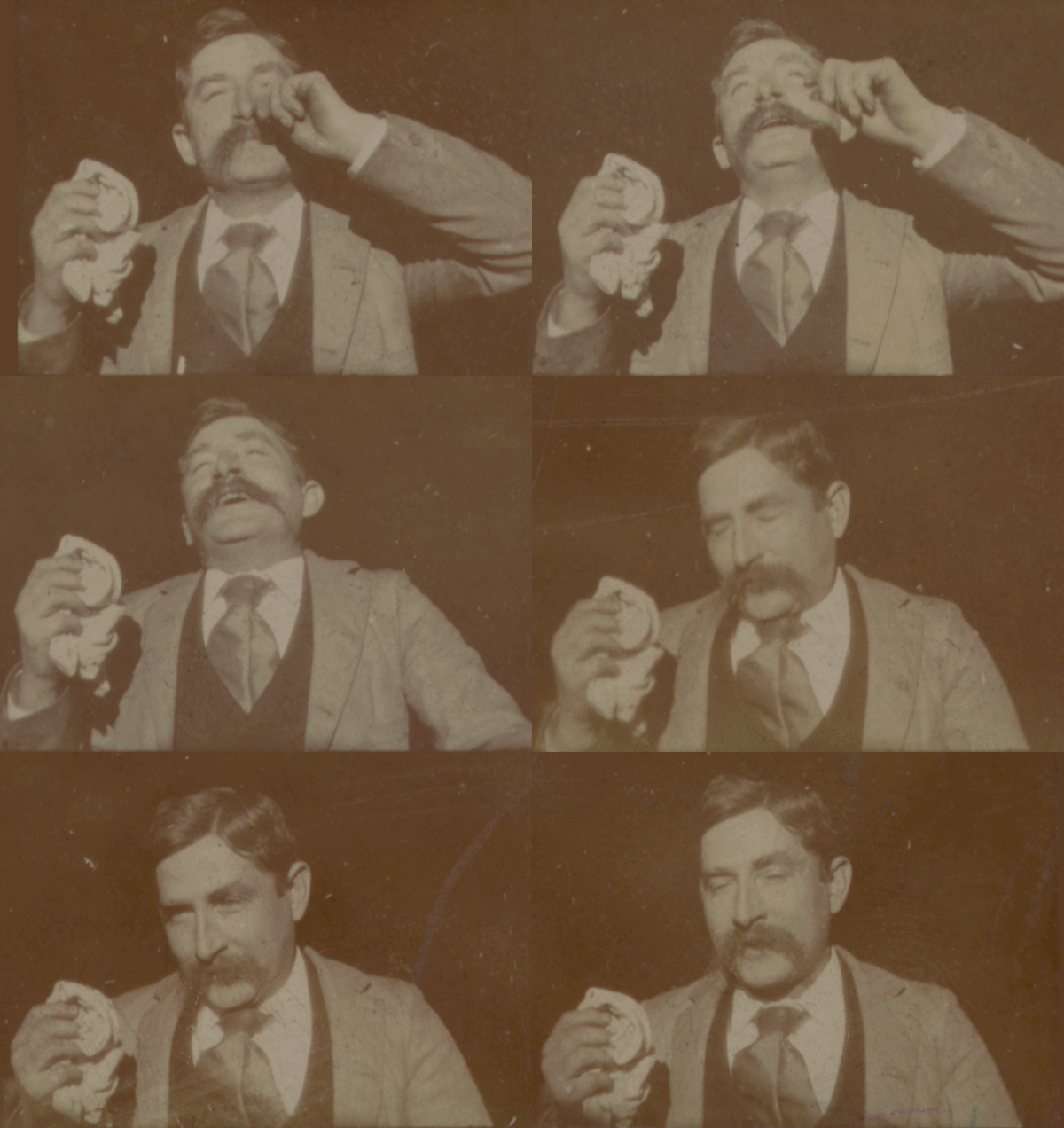
Fred Ott's Sneeze
William Kennedy Dickson · 1894
 Documentary
Primary source
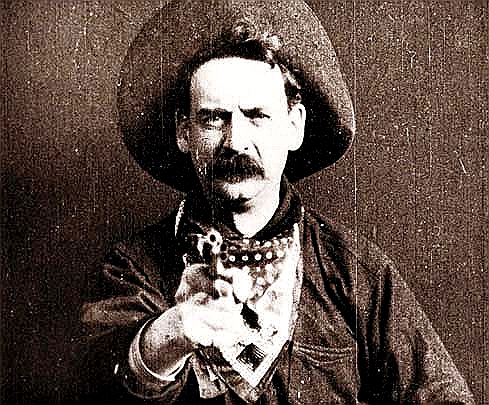
The Great Train Robbery
Edwin Stanton Porter · 1903
Ready when you are
Start chatting with Thomas Edison now.
20 messages free · No credit card · Available in 50+ languages.