


Secondary sourcePainting1736 (possibly c. 1726)
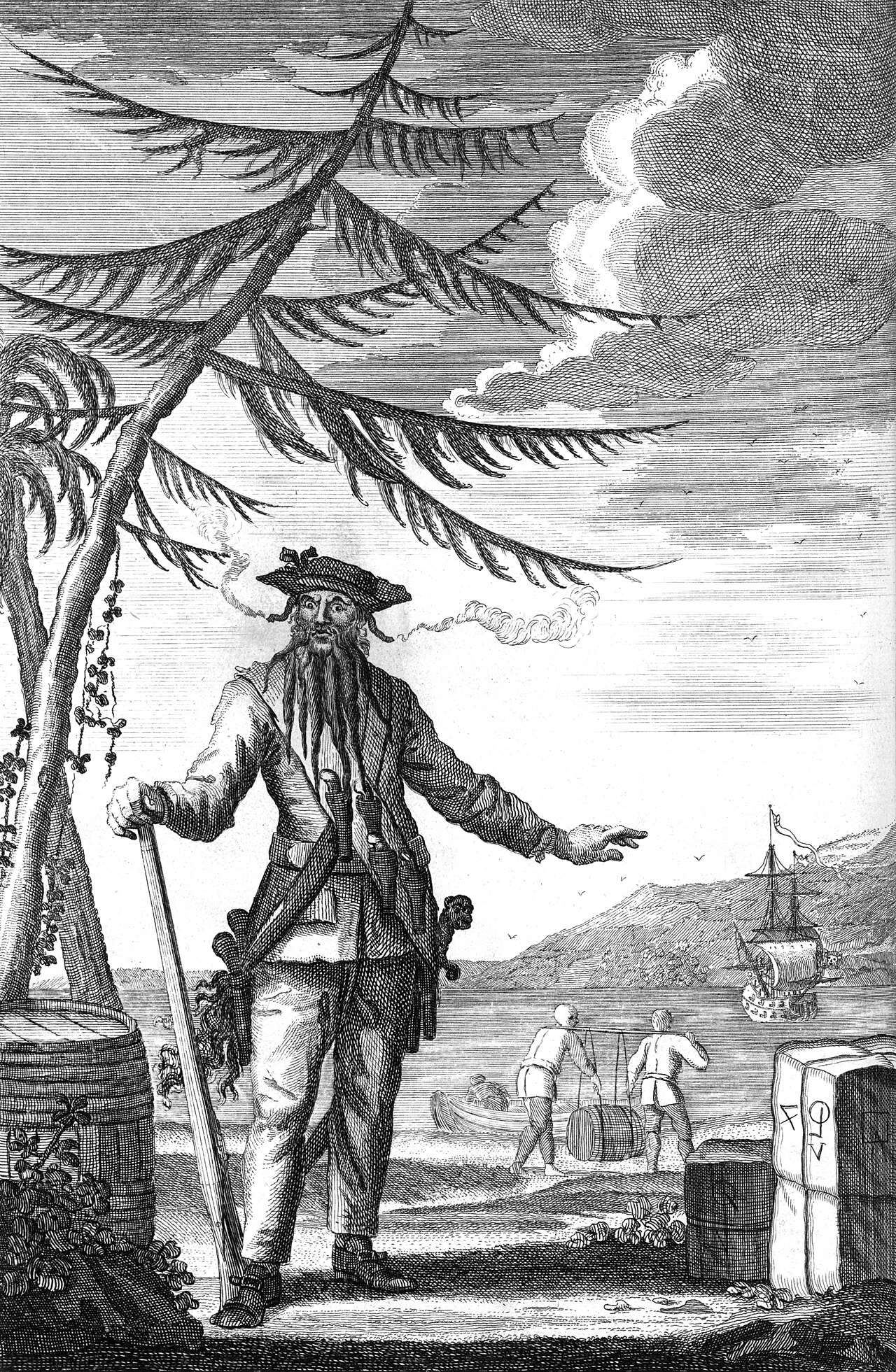
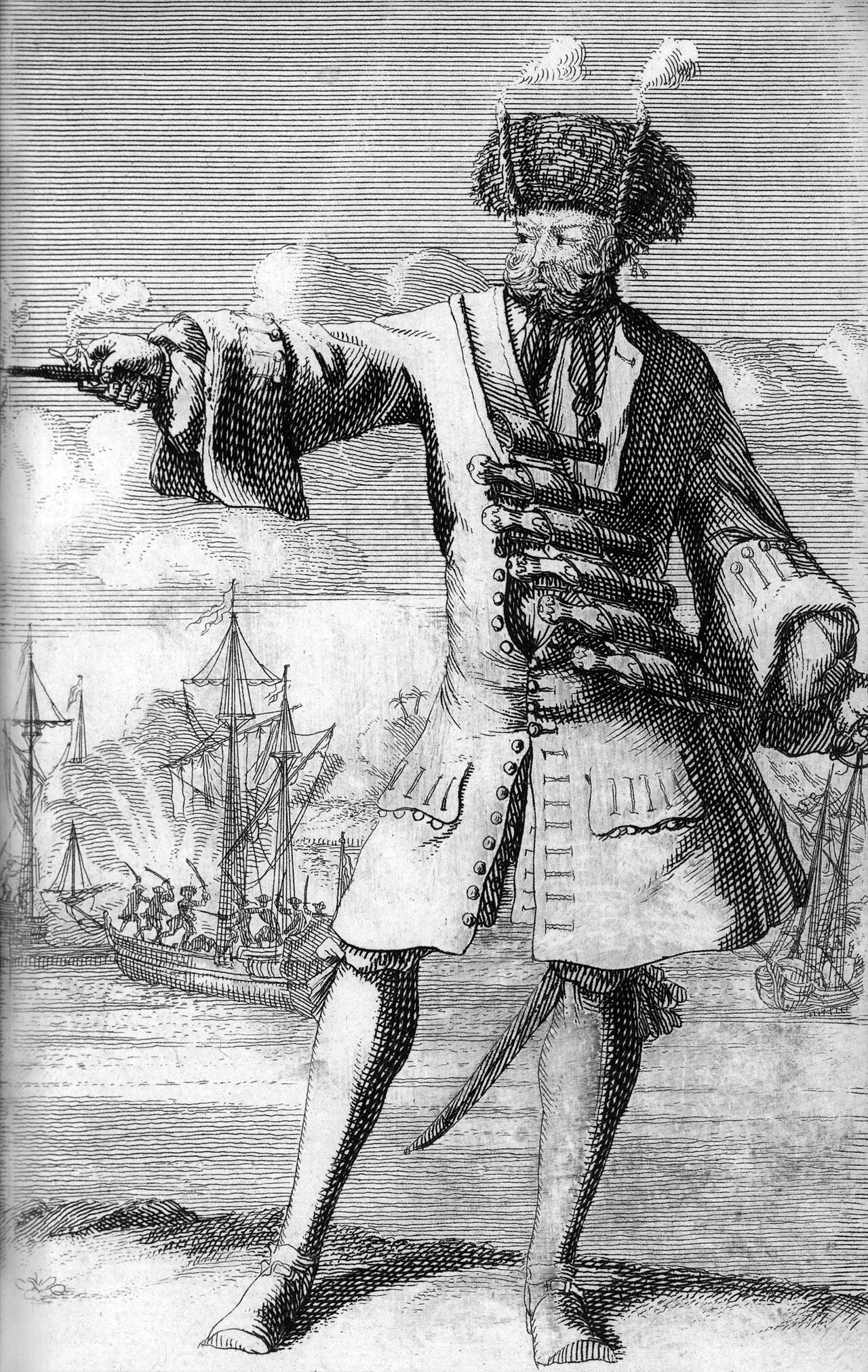
Edward Teach Commonly Call'd Black Beard
Joseph Nicholls · 1736 (possibly c. 1726)
An engraving from Johnson's book showing Blackbeard with smoking fuses under his hat, the image that became his standard portrait.
This engraving fixed the lasting popular image of Blackbeard with smoking fuses beneath his hat.
About this source
What it is
This engraving, attributed to Joseph Nicholls and possibly engraved by James Basire, was published in a 1736 edition of Captain Charles Johnson's book about pirates. It shows a bearded man in a tricorn hat and long coat holding a sword, with smoke rising from his hat, and ships and cargo in the background.
Why it matters
This image, made nearly two decades after Blackbeard's death, became the standard way he was pictured, especially the detail of smoking fuses tucked under his hat meant to make him look terrifying in battle. It shows how legend and illustration, rather than firsthand description, shaped the popular image of Blackbeard that persists today.
Look closer
- What details in this picture seem designed to make Blackbeard look frightening rather than simply accurate?
- Since this was made years after Blackbeard died, what might the artist have relied on to create it?
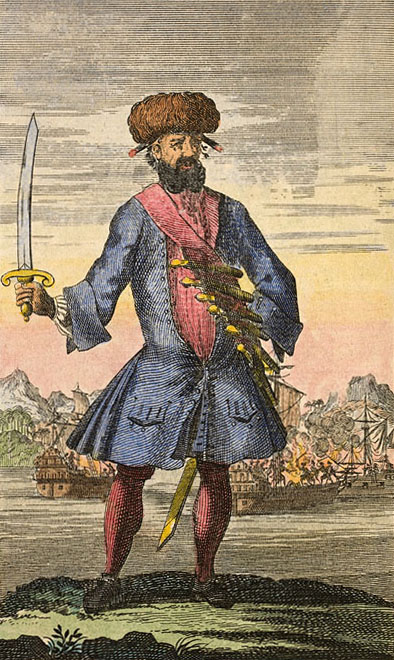
- How does this image compare to the earlier 1724 engraving of Blackbeard?
This painting is part of the curated material that grounds the AI version of Blackbeard on Humy.ai — when students ask about related events, the AI can quote it and cite it.
More Blackbeard sources
Browse all 39 →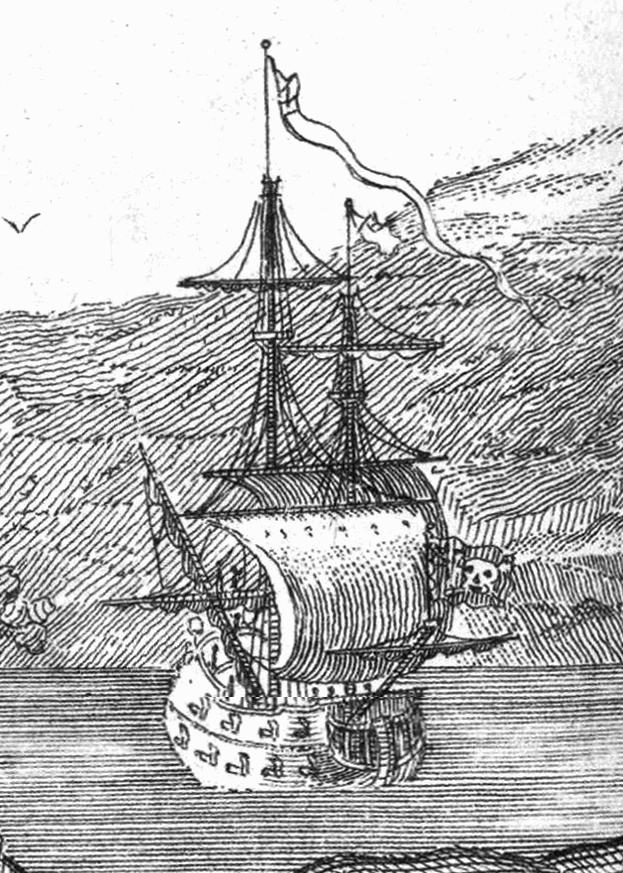 Artifact
Primary source
Queen Anne's Revenge
captured 1717, wrecked 1718, wreck discovered 1996
 Painting
Secondary source
Blackbeard the Pirate Engraving
Benjamin Cole · 1724
 Newspaper article
Primary source
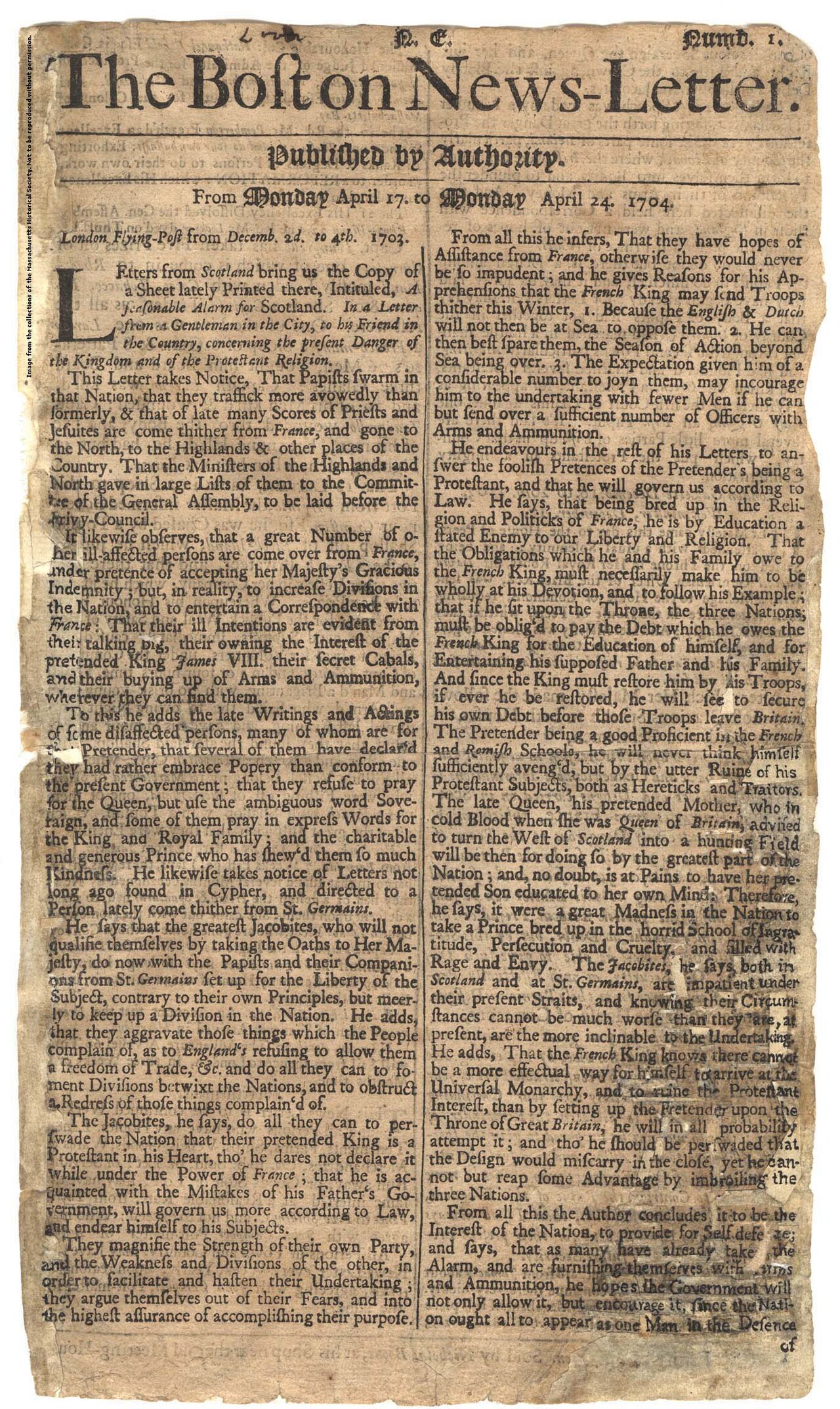
The Boston News-Letter
John Campbell (editor) · 1704 (first issue); reports on Blackbeard 1717-1719
 Document
Primary source
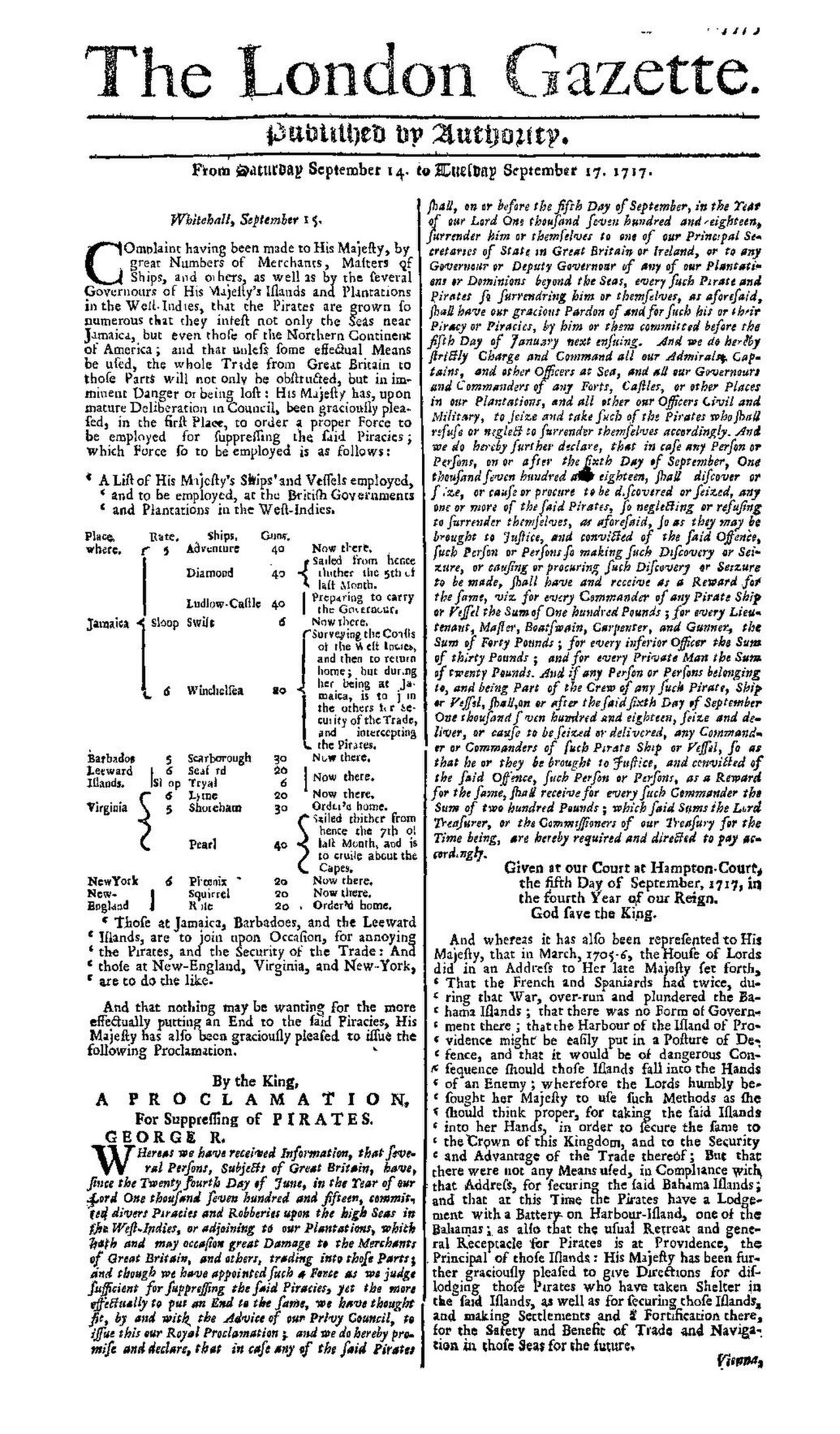
Proclamation for Suppressing of Pirates
George I of Great Britain · 5 September 1717
Free account
Read every Blackbeard source
Sign up free →
Ready when you are
Start chatting with Blackbeard now.
20 messages free · No credit card · Available in 50+ languages.