


Primary sourceDocumentc. early July to November 1835
Egyptian Alphabet Manuscript
Joseph Smith, William W. Phelps · c. early July to November 1835
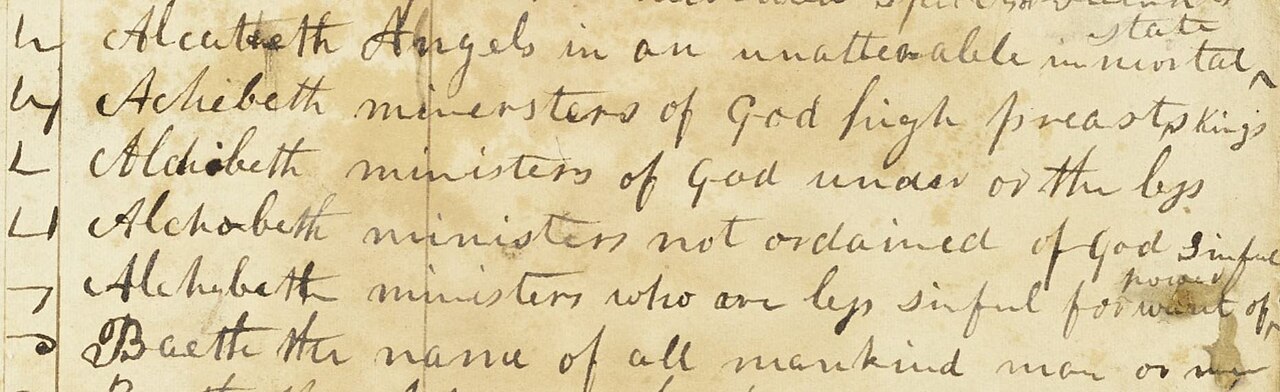
A handwritten Kirtland manuscript in which Joseph Smith and William W. Phelps tried to decipher Egyptian characters, with English glosses for each sign. It dates from about 1835.
Shows Smith and his clerks attempting to decipher Egyptian characters, a key step in his work with Egyptian writing in 1835.
About this source
What it is
This is a handwritten manuscript in brown ink on yellowed paper. It lists columns of alphabet-like characters, each with an English gloss such as phrases about angels and ministers of God, plus a few interlinear notes. Joseph Smith and William W. Phelps are named as its creators. It is dated to between early July and about November 1835, and it is one of the Kirtland 'Egyptian Alphabet' manuscripts. The image shown here is a scan from the Joseph Smith Papers project, so it is a digital copy of the paper, not the original page.
Why it matters
The manuscript shows Smith and his clerks trying to work out meaning from Egyptian characters. In 1835 Smith also produced the Book of Abraham, which he said was based on Egyptian papyri bought from a traveling mummy exhibition. Later, the surviving papyrus fragments were found to be common Egyptian funerary texts, and Egyptologists said they did not match Smith's interpretation. This manuscript helps students see how Smith's early work with Egyptian writing was done, step by step, by a group of people.
Look closer
- What do the English glosses say, and how do they relate to the characters in each column?
- Who do you think wrote each part of the page, and why might several people have worked on it together?
- What does the manuscript leave out, such as any check against the original Egyptian text?
This document is part of the curated material that grounds the AI version of Joseph Smith on Humy.ai — when students ask about related events, the AI can quote it and cite it.
More Joseph Smith sources
Meet the AI Joseph Smith →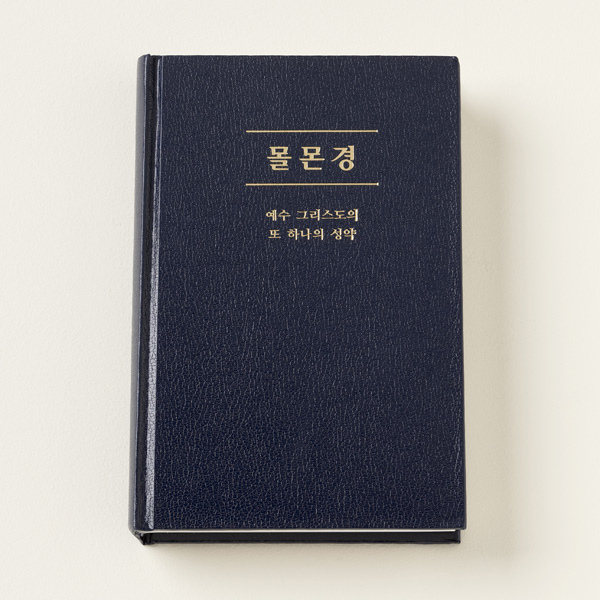 Book
Primary source
Book of Mormon
Joseph Smith · 1830
 Document
Primary source
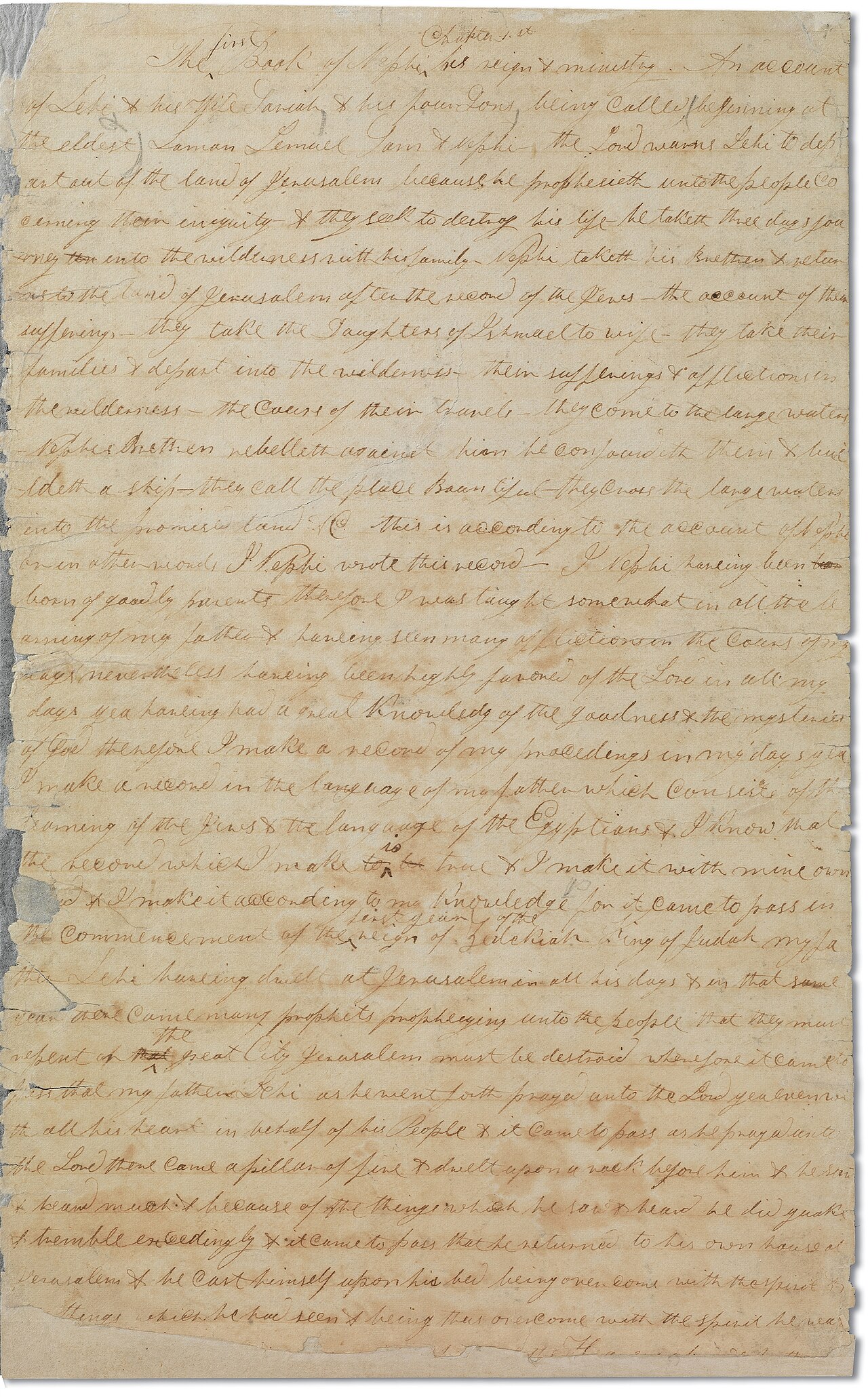
Printer's Manuscript of the Book of Mormon
Joseph Smith (dictated); Oliver Cowdery and other scribes · 1829–1830
 Book
Primary source
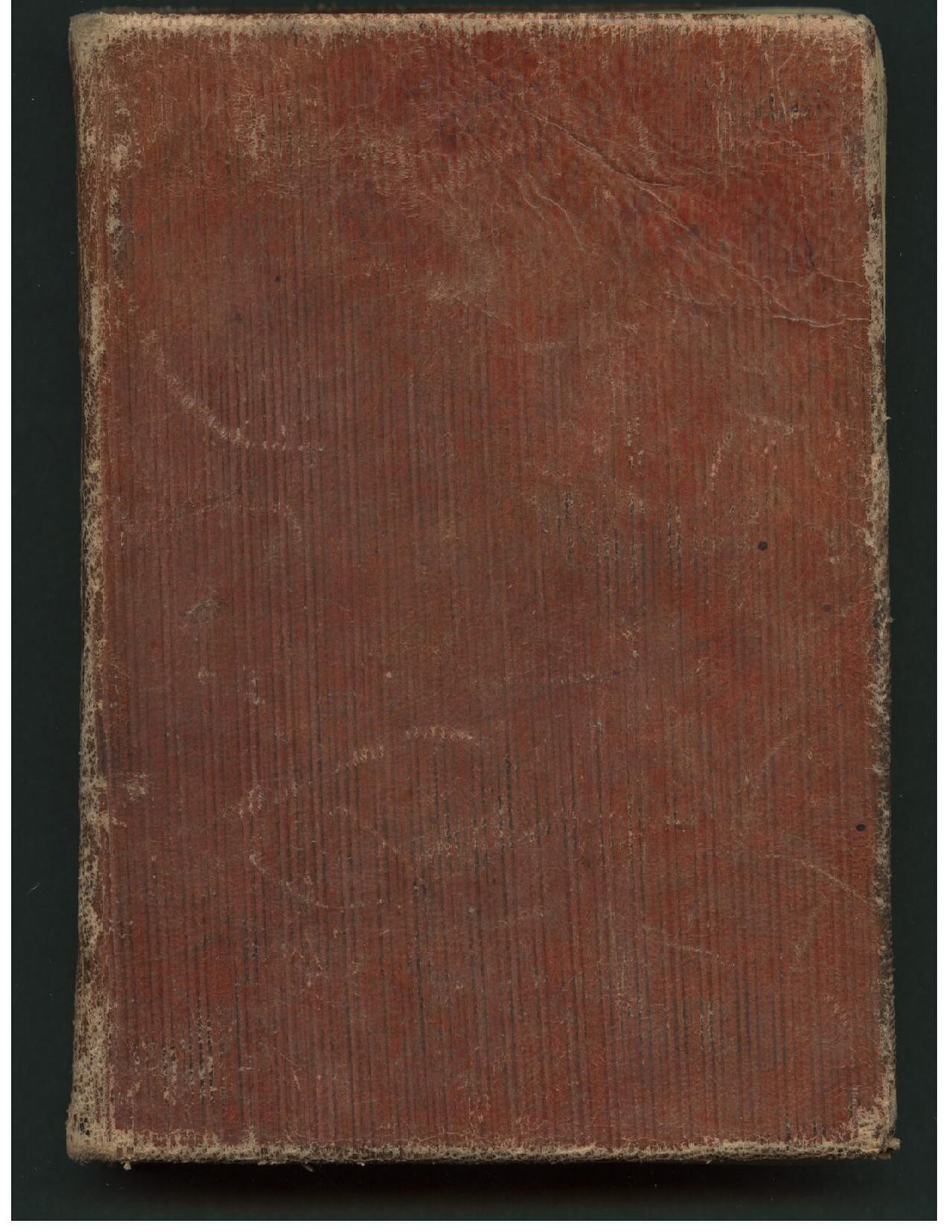
A Book of Commandments for the Government of the Church of Christ
Joseph Smith · 1833
 Document
Primary source
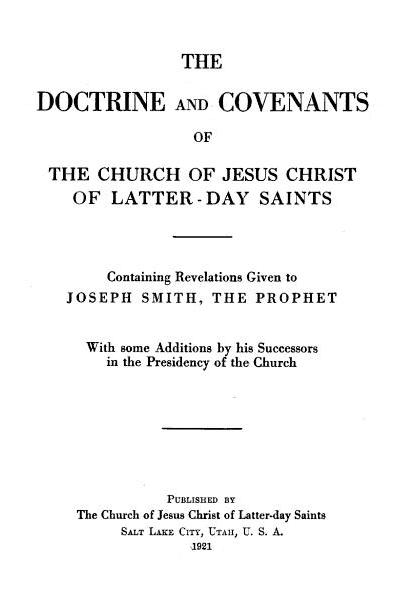
Doctrine and Covenants
Joseph Smith · 1835
Primary source
Wentworth Letter
Joseph Smith · 1842
Ready when you are
Start chatting with Joseph Smith now.
20 messages free · No credit card · Available in 50+ languages.