


Primary sourcePaintingc. 1575
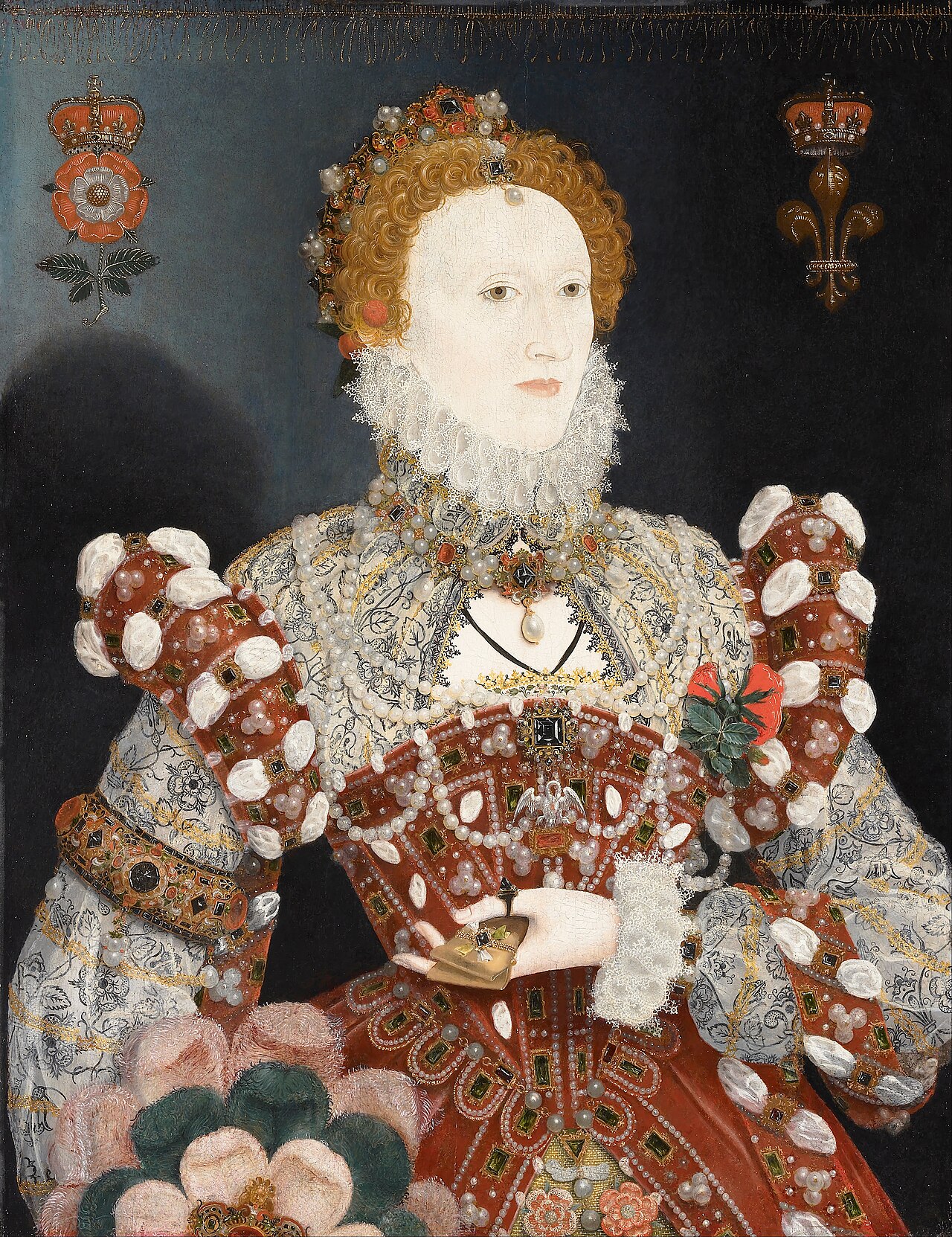
Elizabeth I (Pelican Portrait)
Nicholas Hilliard (attributed) · c. 1575
A painting of Queen Elizabeth I named for the pelican jewel on her breast, symbolizing her as a self-sacrificing mother of the nation.
A life portrait presenting Elizabeth as a self-sacrificing mother of her people through the pelican symbol.
About this source
What it is
Painted around 1575 and generally attributed to Nicholas Hilliard, this portrait of Elizabeth I takes its name from a jeweled pelican pendant on her breast. It is held by the Walker Art Gallery in Liverpool.
Elizabeth wears richly bejeweled clothing, with pearls symbolizing chastity, a Tudor rose for her dynasty, and a fleur-de-lis asserting her claim to France.
Why it matters
The pelican was believed to feed its young with its own blood, making it a symbol of self-sacrifice that Elizabeth used to present herself as devoted to her people. Hilliard, who painted her from life over many years, helped shape her public image as a virtuous and splendid ruler.
Look closer
- What symbols can you find in the painting, and what might each one mean?
- Why might Elizabeth want to be shown with a symbol of self-sacrifice?
- What does this image leave out about the real woman behind the image?
This painting is part of the curated material that grounds the AI version of Elizabeth I on Humy.ai — when students ask about related events, the AI can quote it and cite it.
More Elizabeth I sources
Meet the AI Elizabeth I →Primary source
Speech to the Troops at Tilbury
Elizabeth I of England · 1588
 Painting
Secondary source
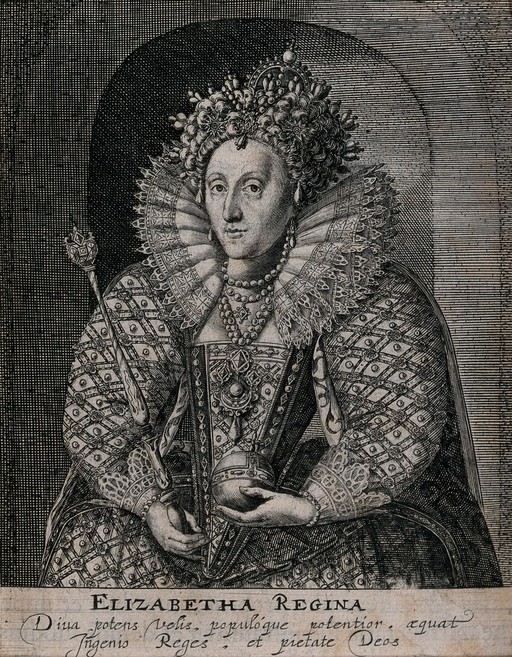
Queen Elizabeth I of England by Isaac Oliver
Isaac Oliver · 1620
 Painting
Primary source
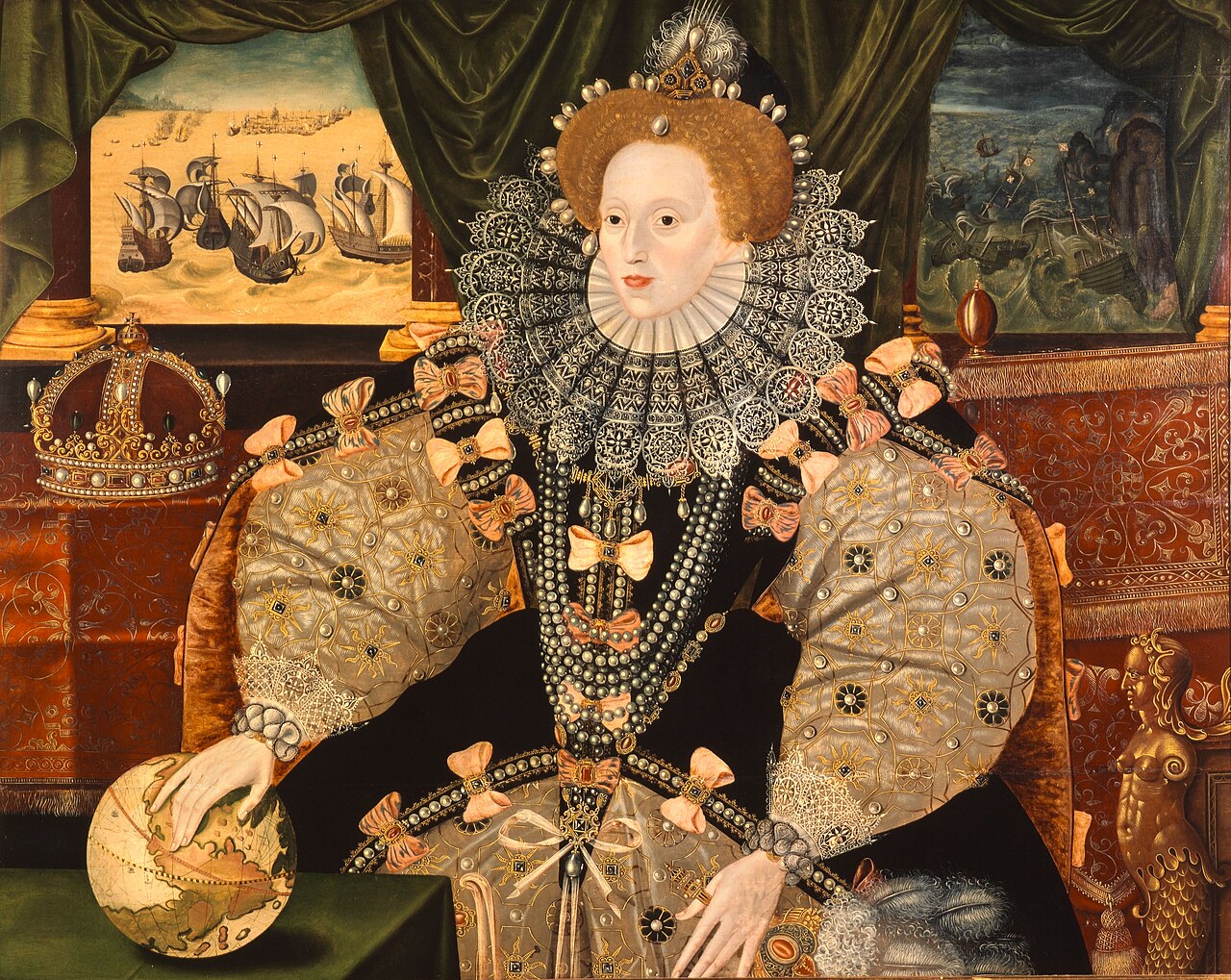
Armada Portrait
Unknown English artist · 1588
 Painting
Secondary source
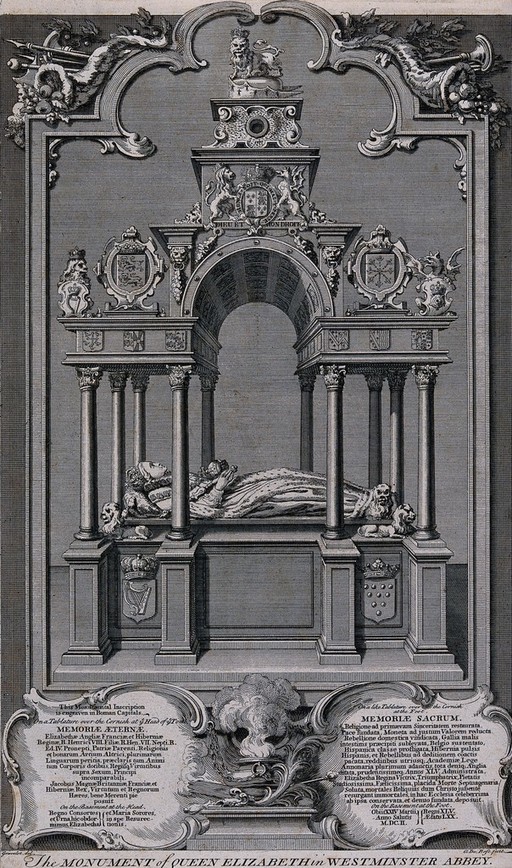
Monument to Queen Elizabeth I in Westminster Abbey
Hubert Francois Bourguignon d'Anville Gravelot
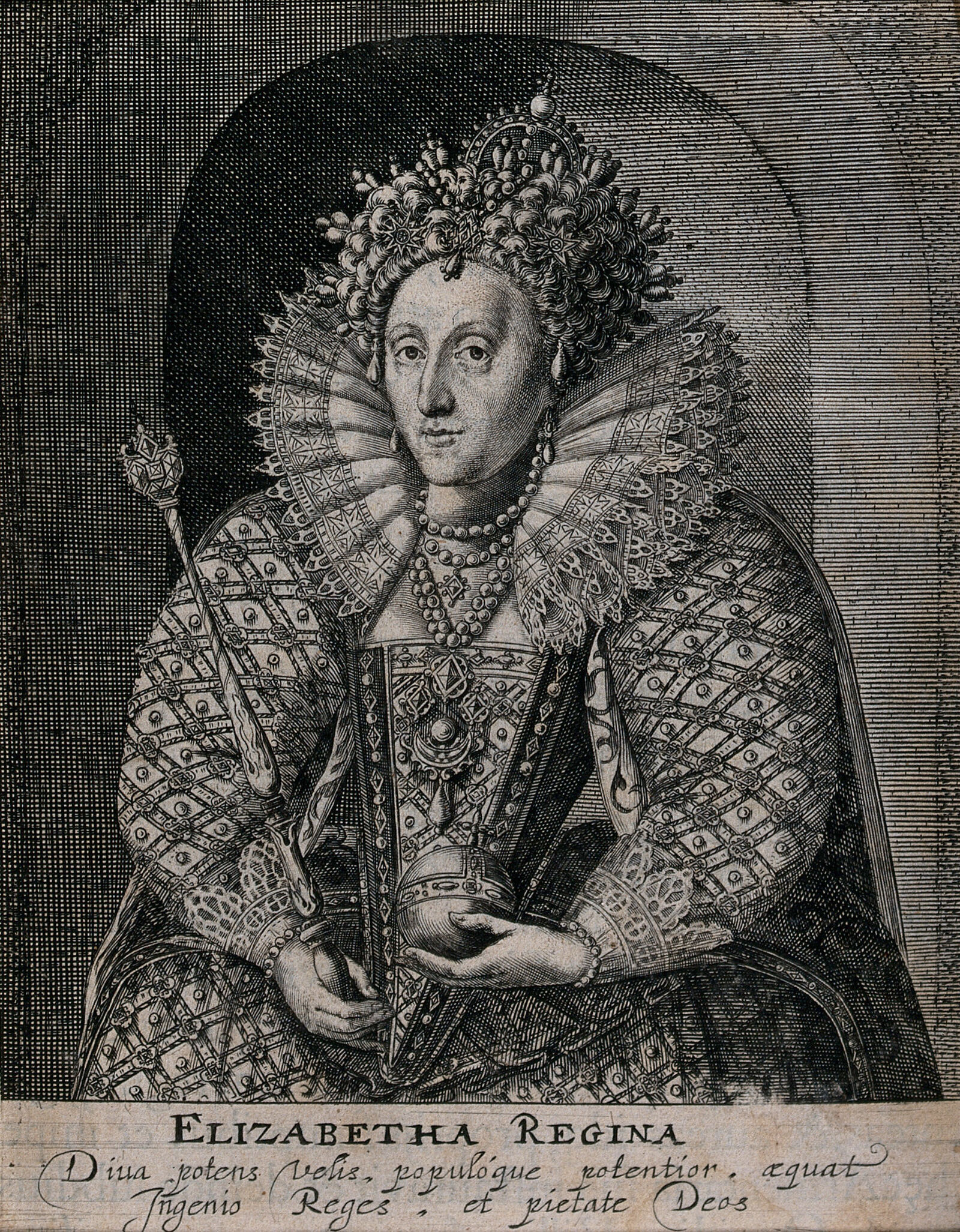 Painting
Secondary source
Queen Elizabeth I in parliamentary robes
Isaac Oliver · 1600-1699
Ready when you are
Start chatting with Elizabeth I now.
20 messages free · No credit card · Available in 50+ languages.