


Secondary sourcePainting
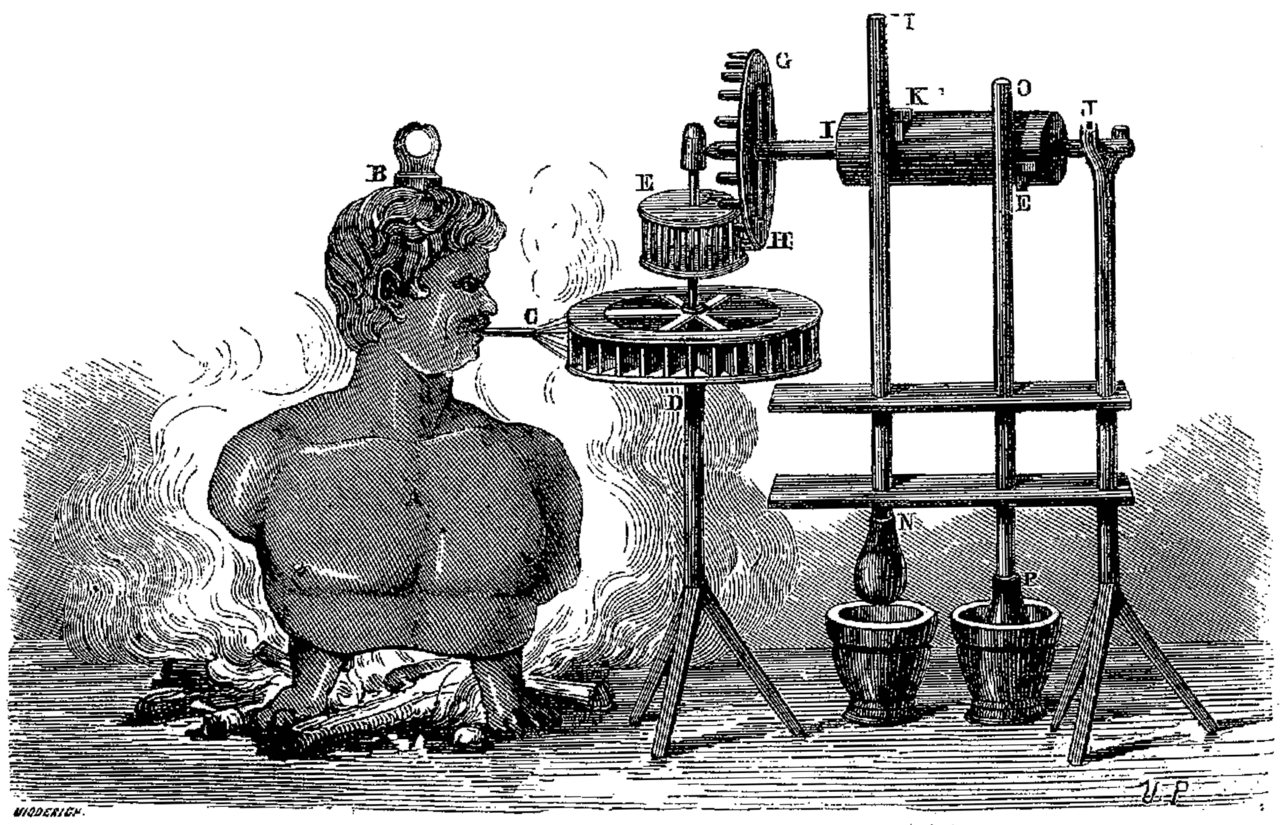
Éolipyle de Branca
Louis Figuier
A nineteenth-century engraving from Louis Figuier's history of science depicting Branca's steam device, a later invention linked to Hero's ancient ideas about steam power.
This engraving illustrates a later steam device often connected in popular science writing to Hero's early ideas about steam power.
About this source
What it is
This engraving by Louis Figuier appears in his history of science and shows a steam-driven machine attributed to Giovanni Branca, featuring a bust-like figure with steam jetting from its mouth connected to gears and a boiler.
Why it matters
Figuier's book was part of a wave of nineteenth-century popular science writing that traced the history of inventions back to ancient figures like Hero of Alexandria. This image shows how later generations imagined and illustrated the links between ancient and modern technology.
Look closer
- What details in the engraving emphasize the steam-powered action of the machine?
- Why might Figuier have included this image in a book about the history of science?
- How does this picture compare with how Hero's own, much older device might have looked?
This painting is part of the curated material that grounds the AI version of Hero of Alexandria on Humy.ai — when students ask about related events, the AI can quote it and cite it.
More Hero of Alexandria sources
Meet the AI Hero of Alexandria →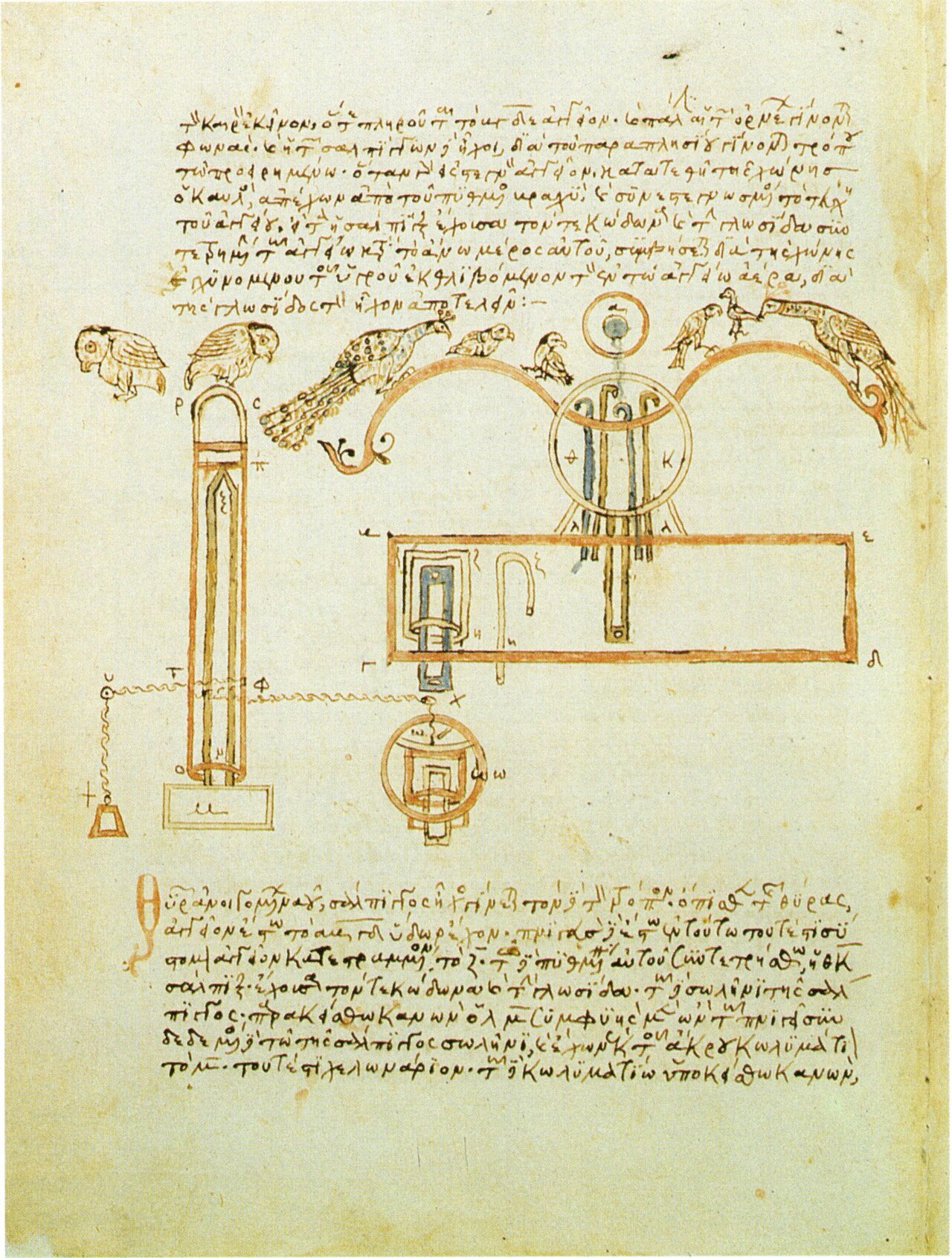 Book
Secondary source
Pneumatica
Hero of Alexandria · 1st century AD (this copy later)
 Book
Secondary source
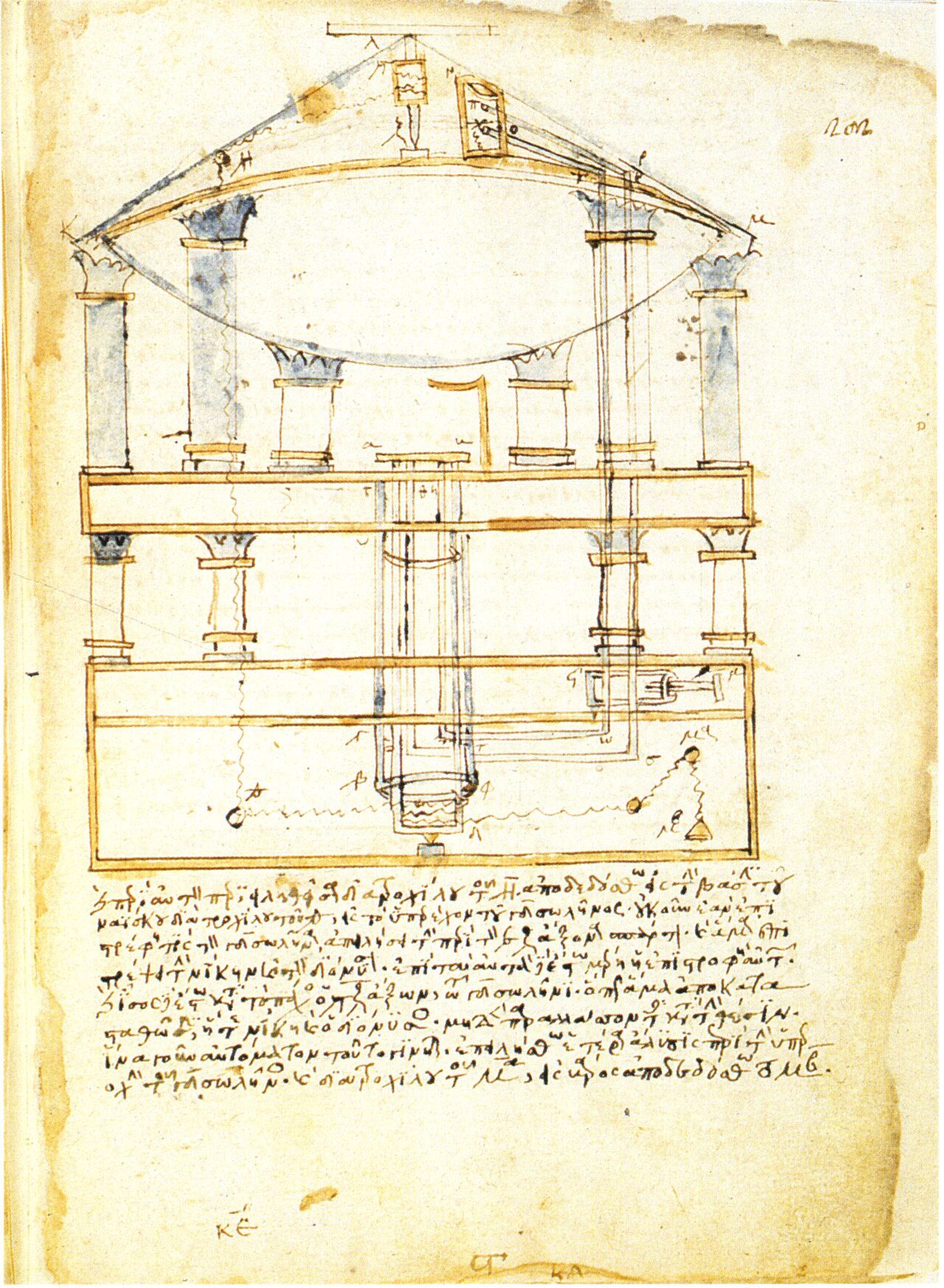
Automata (Bacchus diagram)
Hero of Alexandria · 1st century AD (this copy later)
 Painting
Secondary source
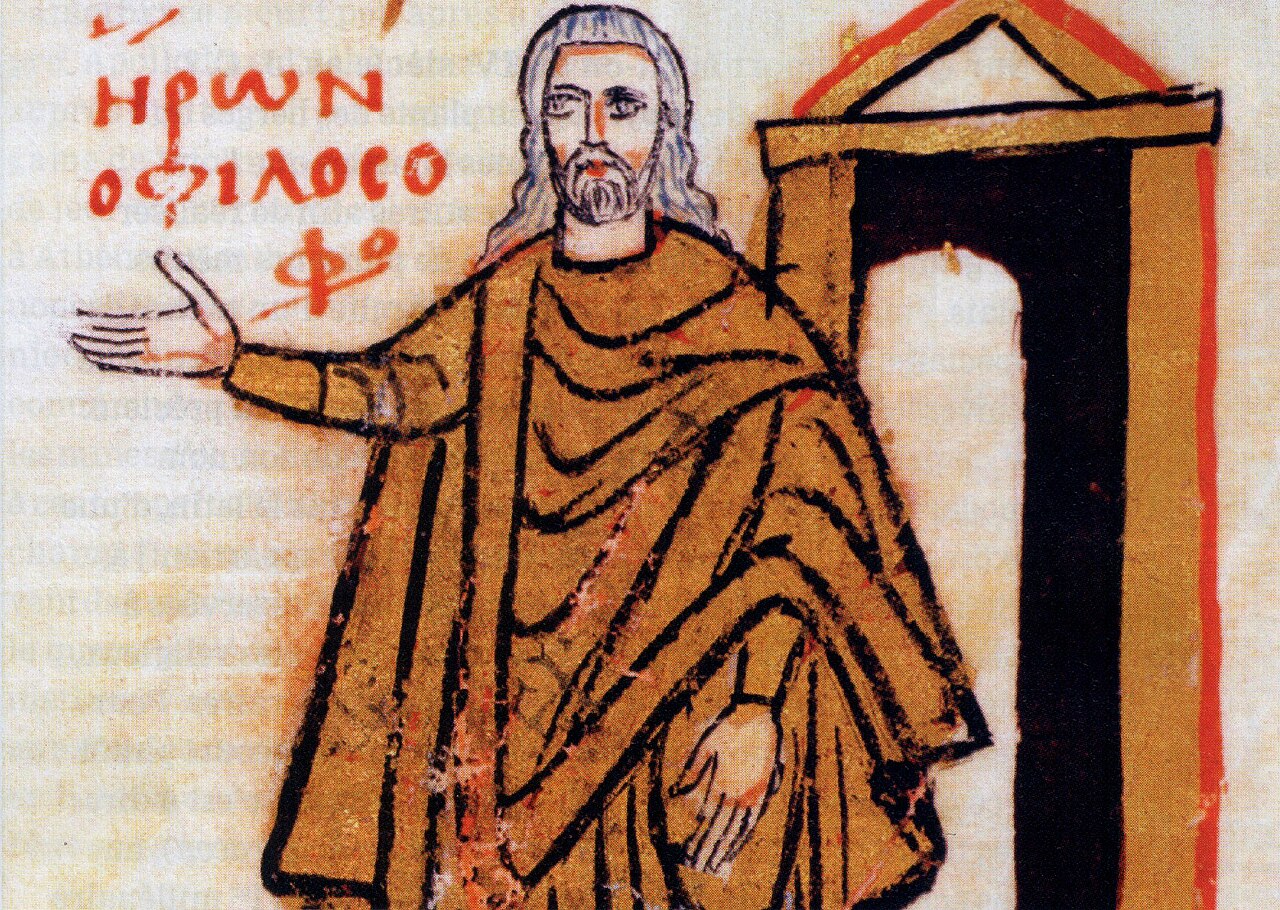
Hero of Alexandria in the Codex of Saint Gregory Nazianzenos
Unknown author · 9th century AD
 Document
Secondary source
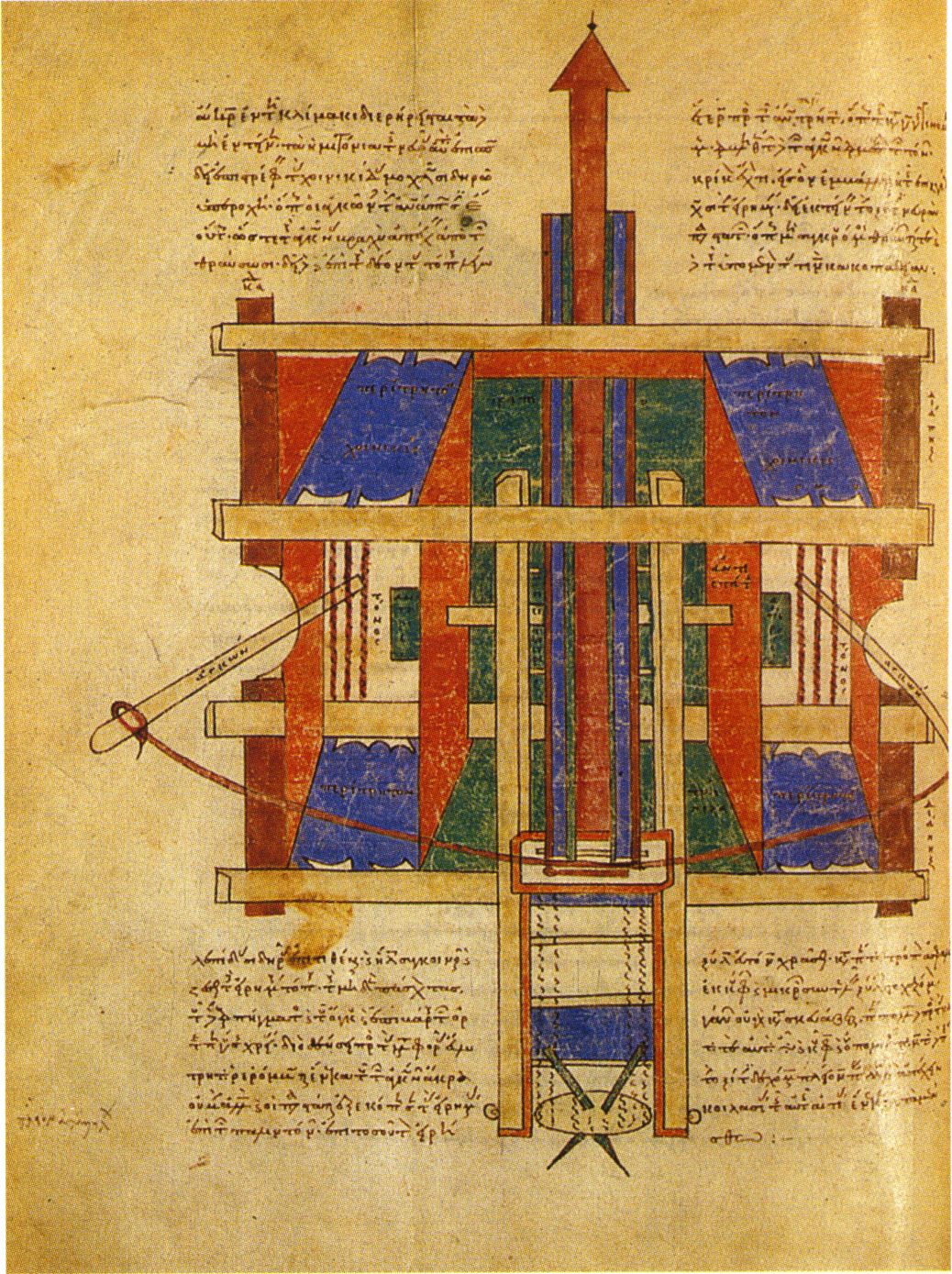
Belopoiika (design drawing of a siege engine)
Hero of Alexandria · 1st century AD (this copy later)
 Book
Secondary source
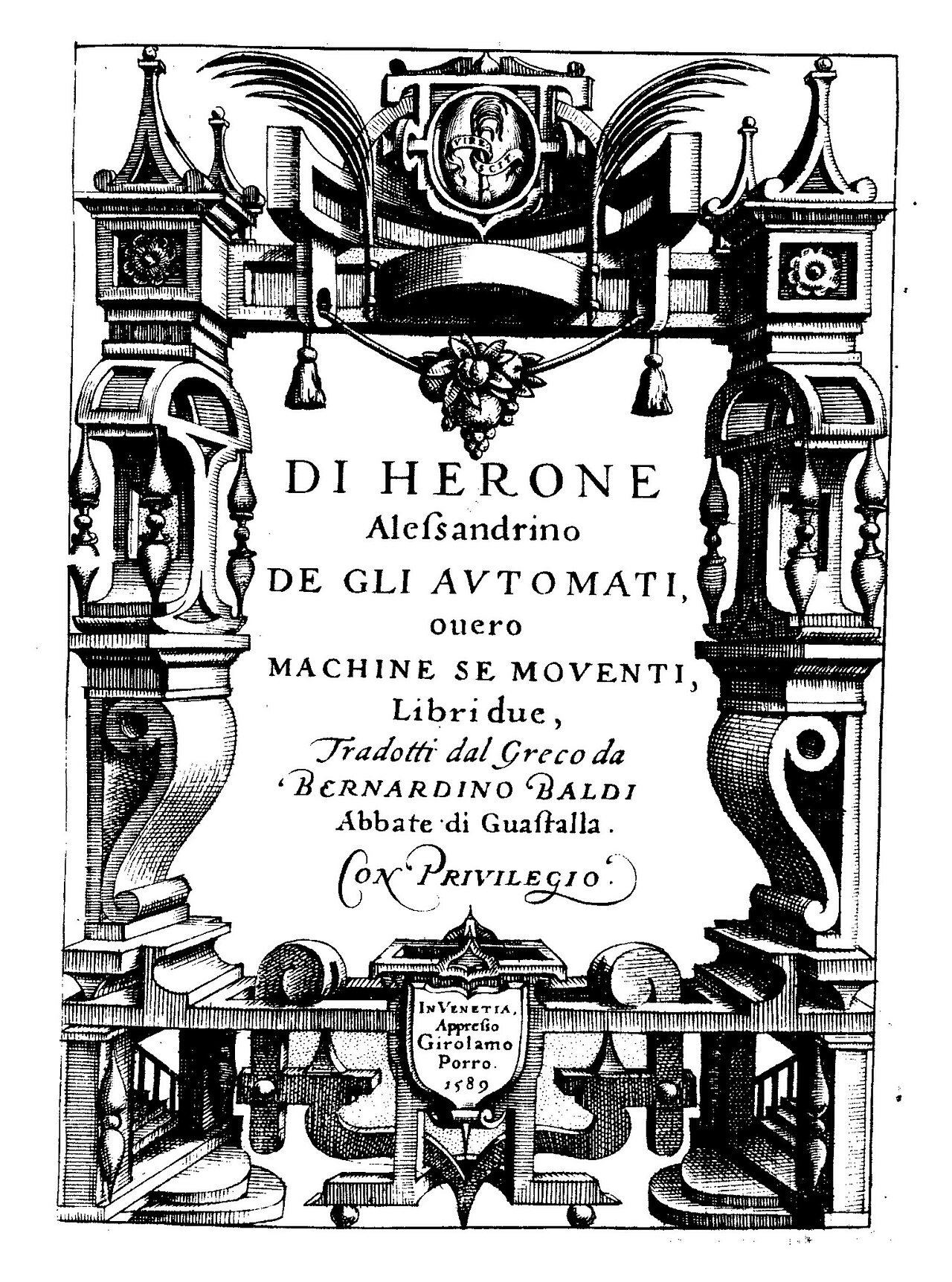
De gli automati, ouero Machine se mouenti
Hero : Alexandrinus · 1589
Ready when you are
Start chatting with Hero of Alexandria now.
20 messages free · No credit card · Available in 50+ languages.