


Primary sourceDocument1923 (revised 1943; passed by Congress 1972)
Equal Rights Amendment
Alice Paul and Crystal Eastman · 1923 (revised 1943; passed by Congress 1972)
A proposed constitutional amendment banning sex discrimination, written by Alice Paul and Crystal Eastman and championed by Paul for decades.
Paul personally wrote and revised this amendment and campaigned for it for most of her life after winning suffrage.
About this source
What it is
This is the text of the Equal Rights Amendment, a proposed addition to the U.S. Constitution stating that equal rights cannot be denied on account of sex. It was written by Alice Paul and Crystal Eastman, first introduced in Congress in 1923, and revised by Paul again in 1943. The version shown here is the text passed by Congress in 1972 and sent to the states for ratification.
Why it matters
After winning the vote, Paul believed women still lacked full legal equality. She spent the rest of her life pushing for this amendment. It was never ratified by enough states, showing how a campaign can succeed on one goal (suffrage) but still face resistance on a broader one (full equality).
Look closer
- Why might some women at the time have opposed this amendment, even though it was framed as helping women?
- How does the amendment's wording compare with the 19th Amendment's wording?
- What does the long gap between writing (1923) and congressional passage (1972) suggest about how slowly political change can happen?
This document is part of the curated material that grounds the AI version of Alice Paul on Humy.ai — when students ask about related events, the AI can quote it and cite it.
More Alice Paul sources
Meet the AI Alice Paul →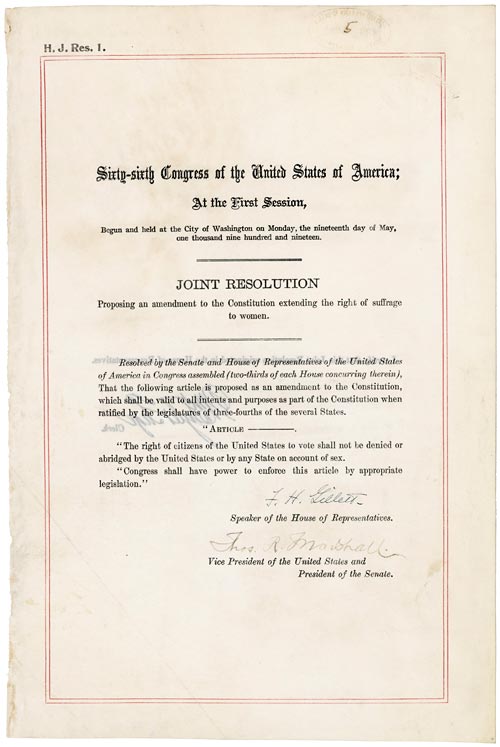 Document
Primary source
19th Amendment to the U.S. Constitution
United States Congress · 4 June 1919
 Document
Primary source
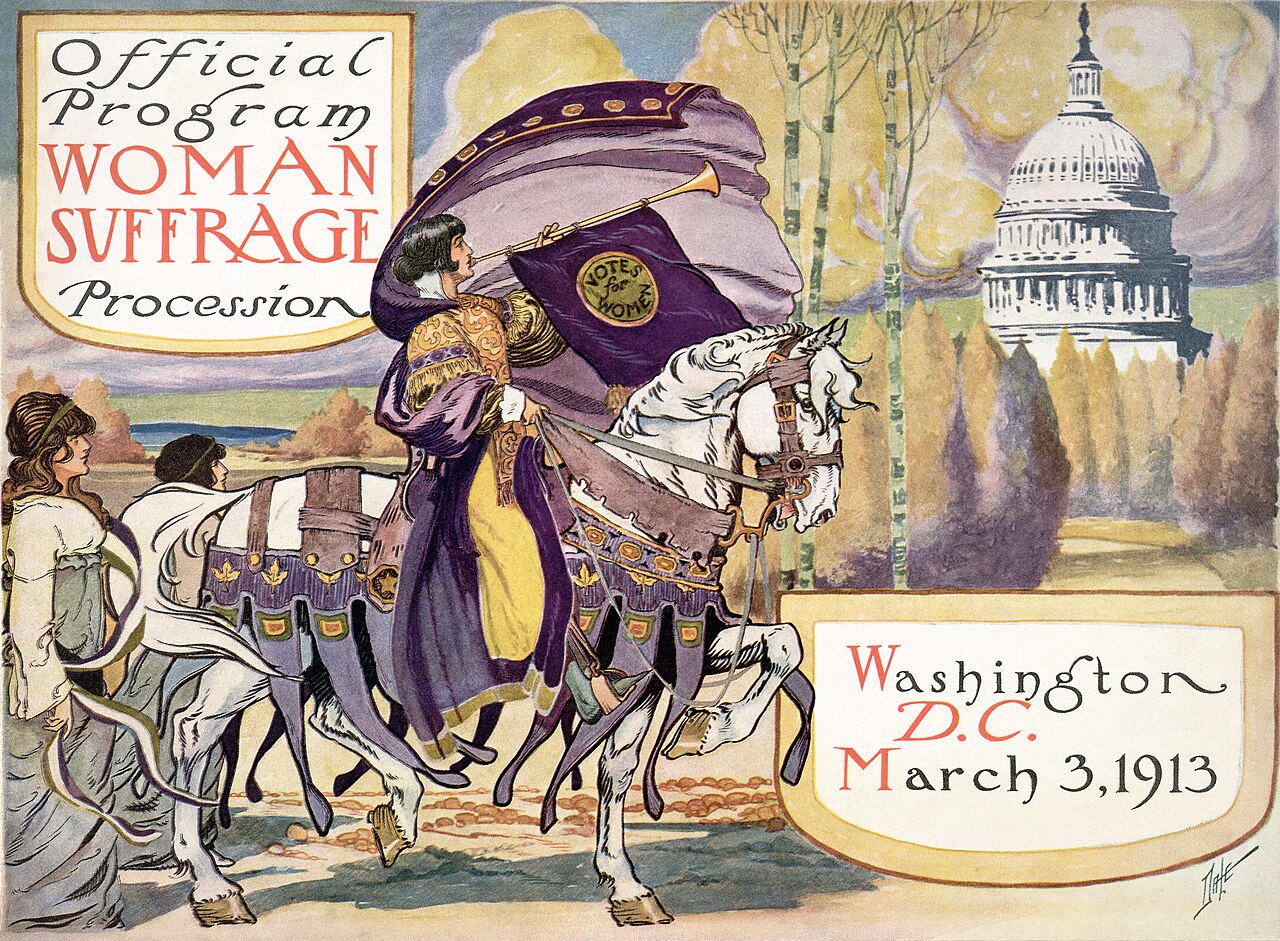
Woman Suffrage Procession Official Program
National American Woman Suffrage Association · 3 March 1913
 Book
Primary source
Jailed for Freedom
Doris Stevens · 1920
 Newspaper article
Primary source
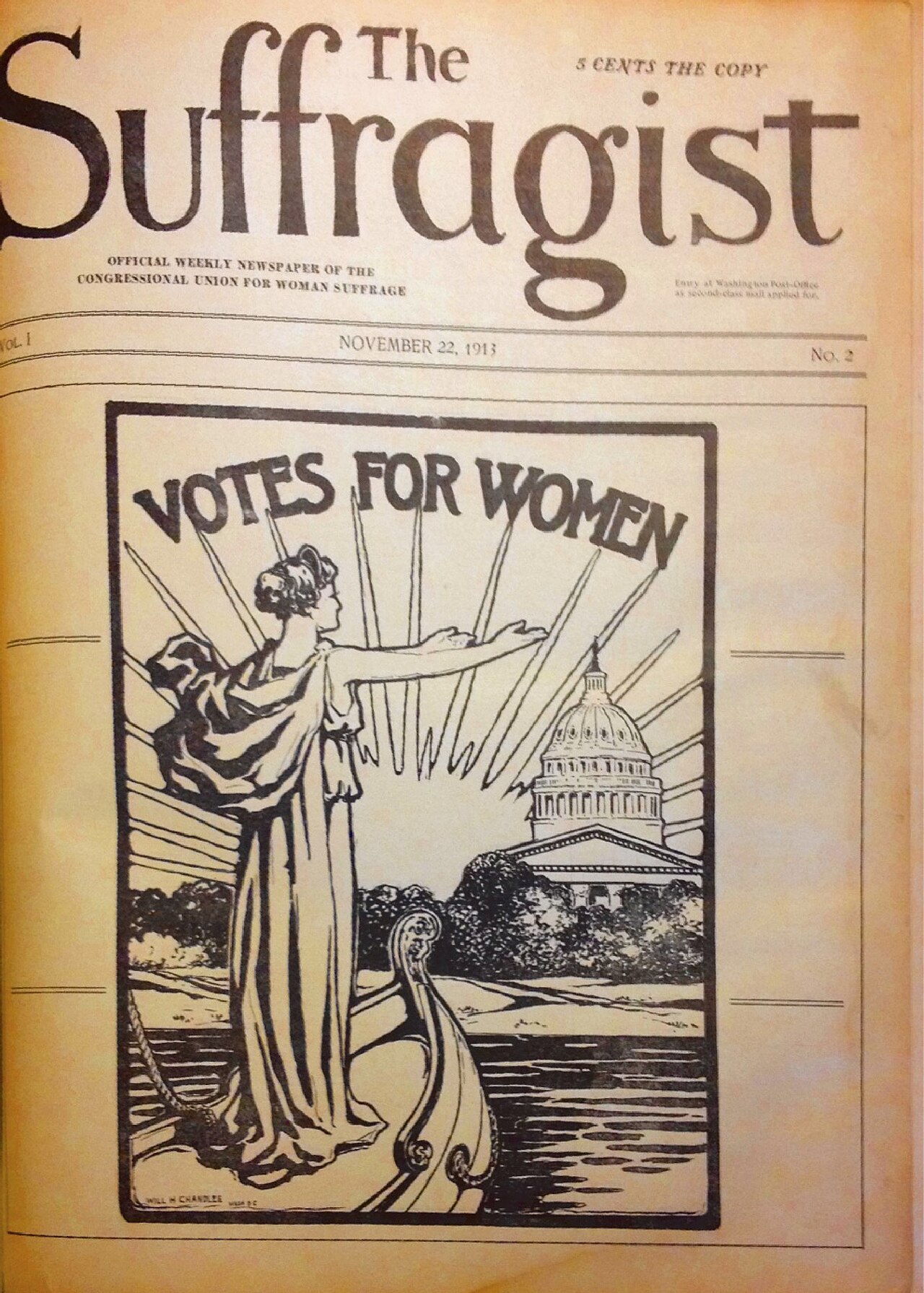
The Suffragist
Congressional Union for Woman Suffrage · 1913-1921
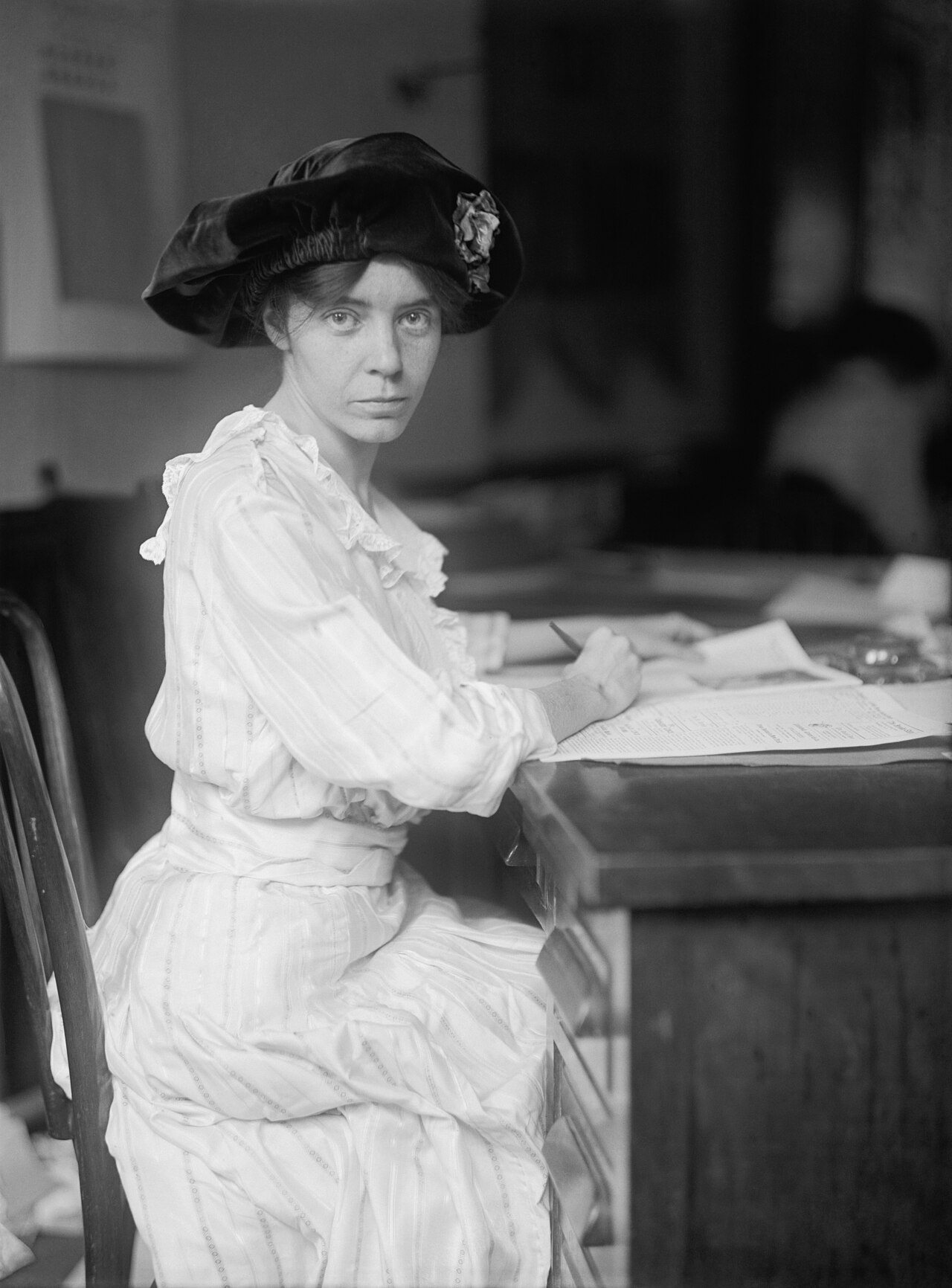 Photograph
Primary source
Alice Paul (1915)
Harris & Ewing · 1915
Ready when you are
Start chatting with Alice Paul now.
20 messages free · No credit card · Available in 50+ languages.