


Primary sourceSculpture1908
Equestrian Statue of King Rama V
Clovis-Edmond Masson · 1908
A bronze equestrian statue of Chulalongkorn, cast in Paris and erected in Bangkok in 1908 to mark his 40th year on the throne.
Erected during his lifetime to honour his 40-year reign, this statue reflects how Chulalongkorn wanted himself remembered.

About this source
What it is
This bronze statue in the Royal Plaza of Bangkok shows King Chulalongkorn in military uniform on horseback, holding reins and a baton. It was cast by the French sculptor Clovis-Edmond Masson at the Susse Frères foundry in Paris and unveiled in 1908 to celebrate the 40th anniversary of his accession, the longest reign in Siamese history up to that time.
Why it matters
The statue was inspired by European royal monuments the king admired on his travels, and it was paid for by public donation, with the surplus money later used to found Chulalongkorn University. It shows how Chulalongkorn adopted European forms of royal image-making while remaining the central figure of Siamese identity.
Look closer
- Why might a Siamese king want a statue modelled on European royal monuments rather than traditional Thai art?
- What does the fact that the public paid more than expected suggest about how he was regarded?
- What does a statue like this celebrate, and what does it leave unsaid about his reign?
This sculpture is part of the curated material that grounds the AI version of Chulalongkorn on Humy.ai — when students ask about related events, the AI can quote it and cite it.
More Chulalongkorn sources
Browse all 96 →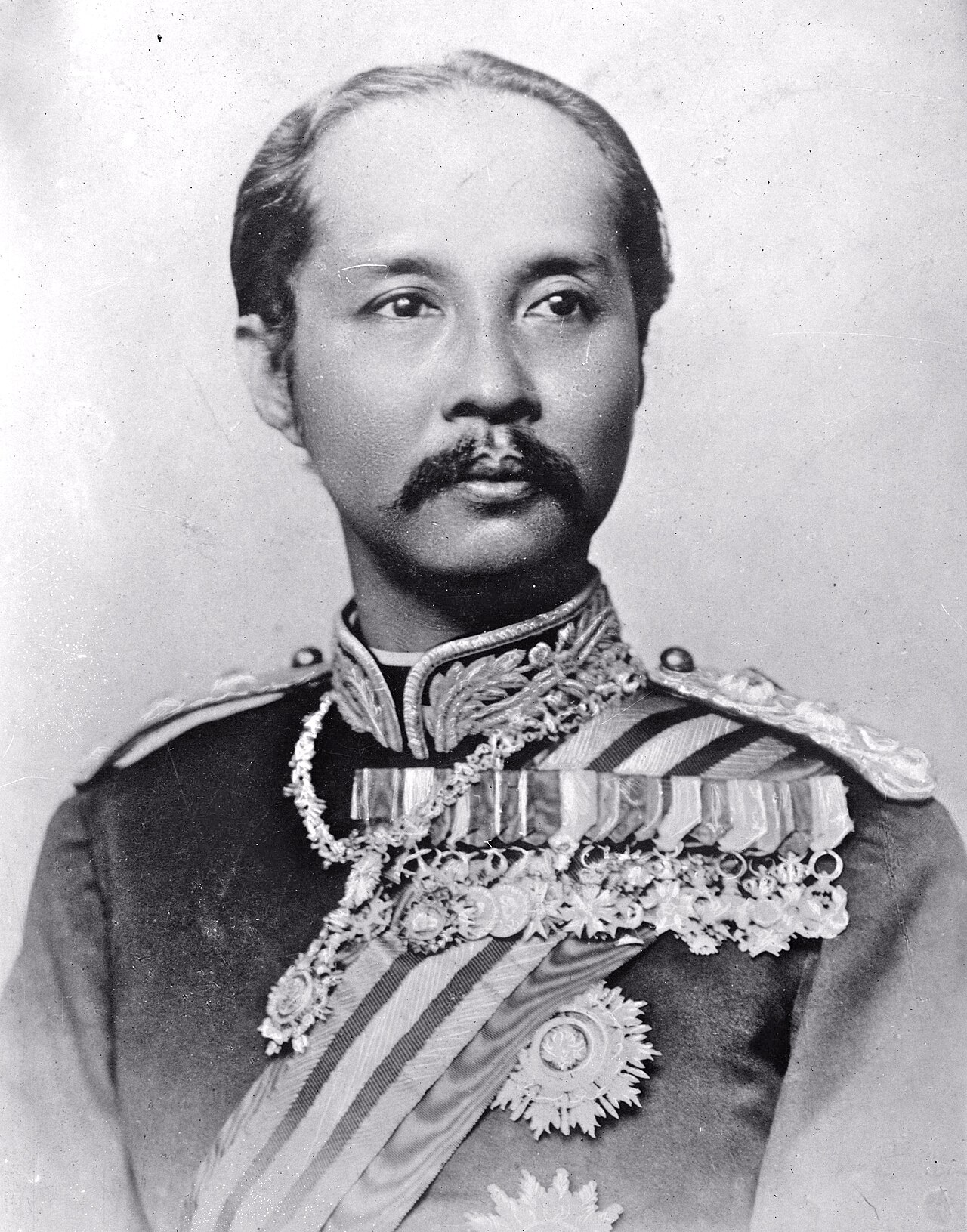 Photograph
Primary source
Portrait of Chulalongkorn
 Artifact
Primary source
Chakri Maha Prasat Throne Hall
John Clunis · 1882
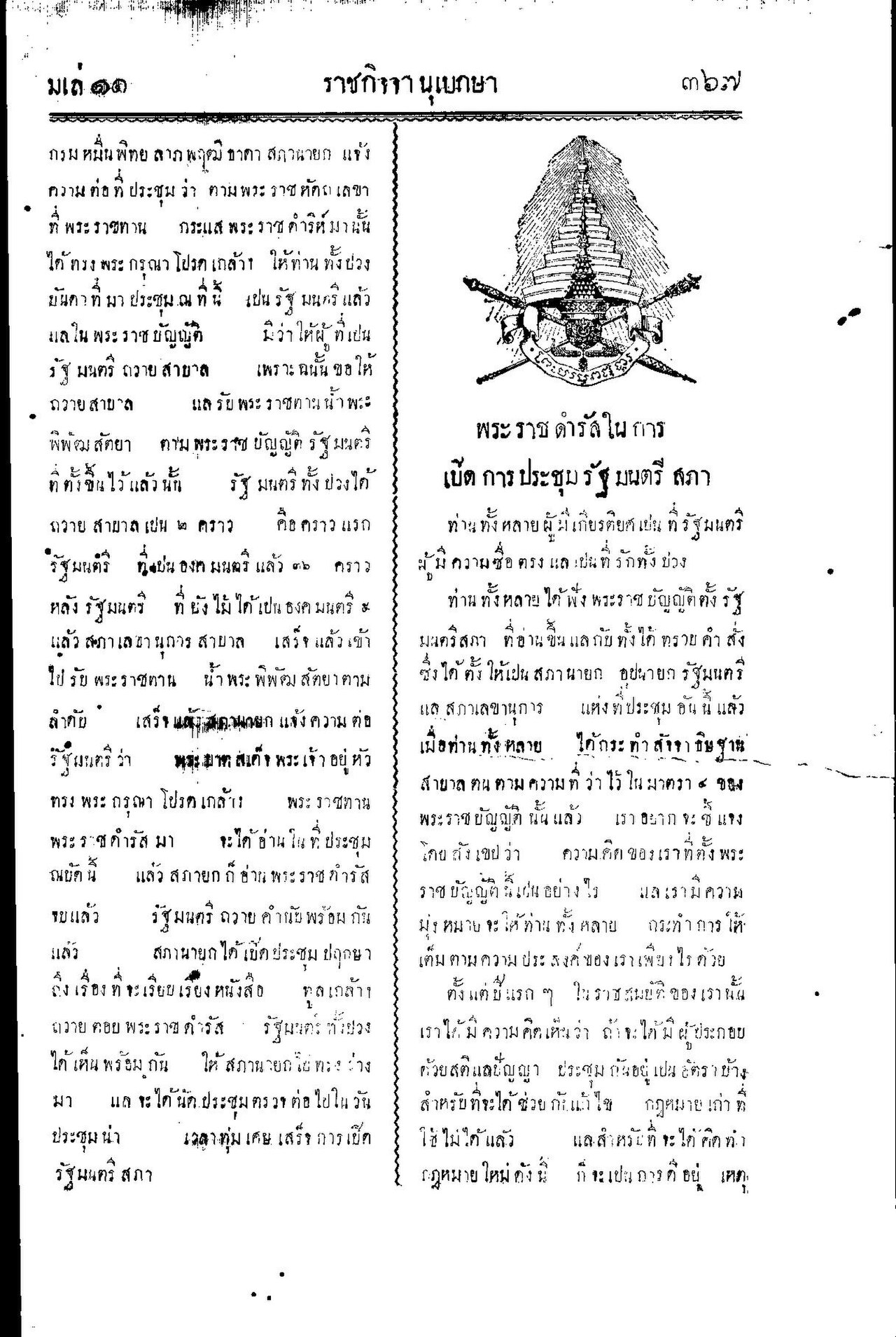 Speech
Primary source
Royal Speech Opening the Council of Ministers, 1894
Chulalongkorn · 1894
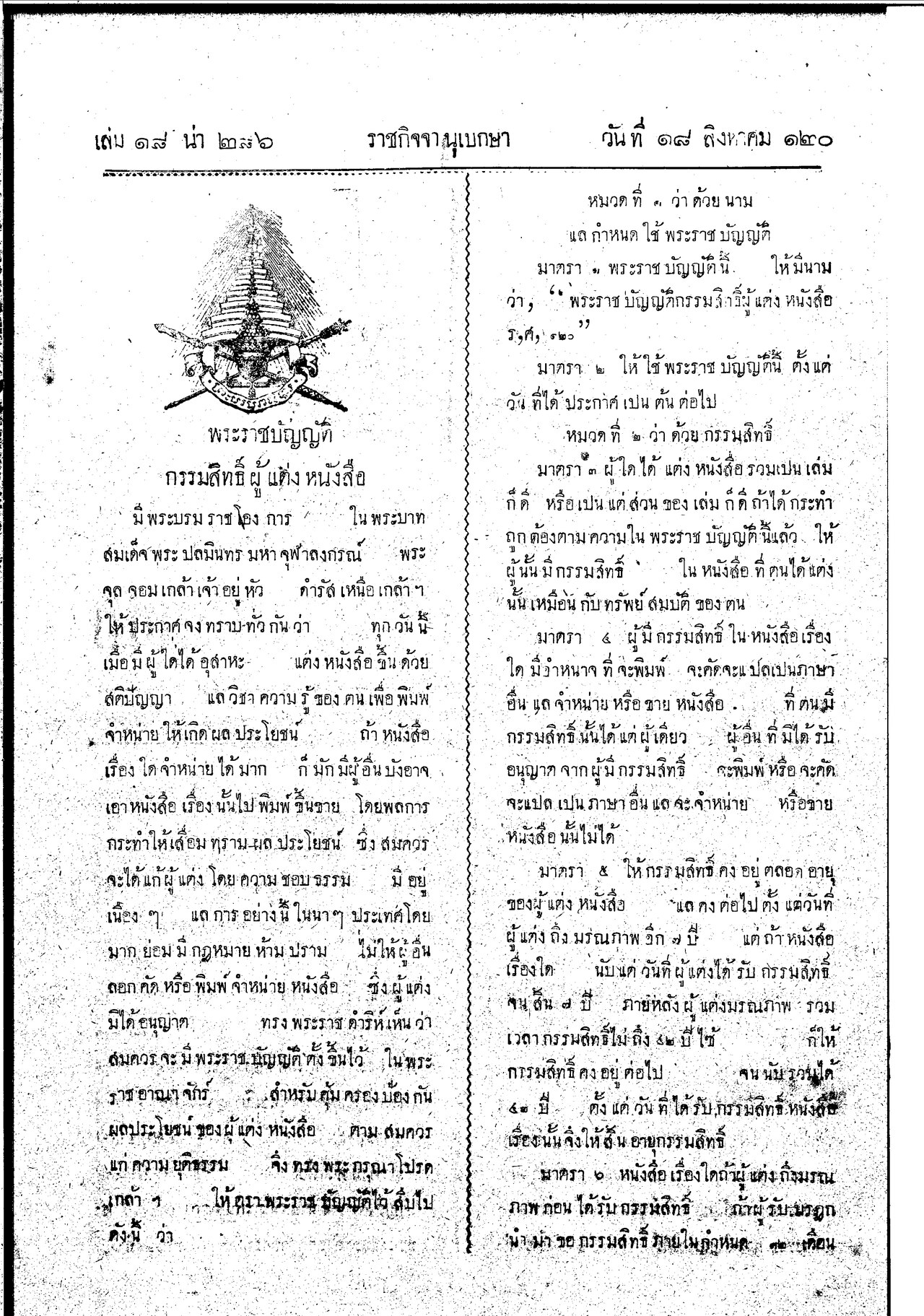 Document
Primary source
Rights of Author Act, 120 R.E.
Chulalongkorn · 1901
Free account
Read every Chulalongkorn source
Sign up free →
Ready when you are
Start chatting with Chulalongkorn now.
20 messages free · No credit card · Available in 50+ languages.