


Secondary sourceArtifactc. 430s-406 BC
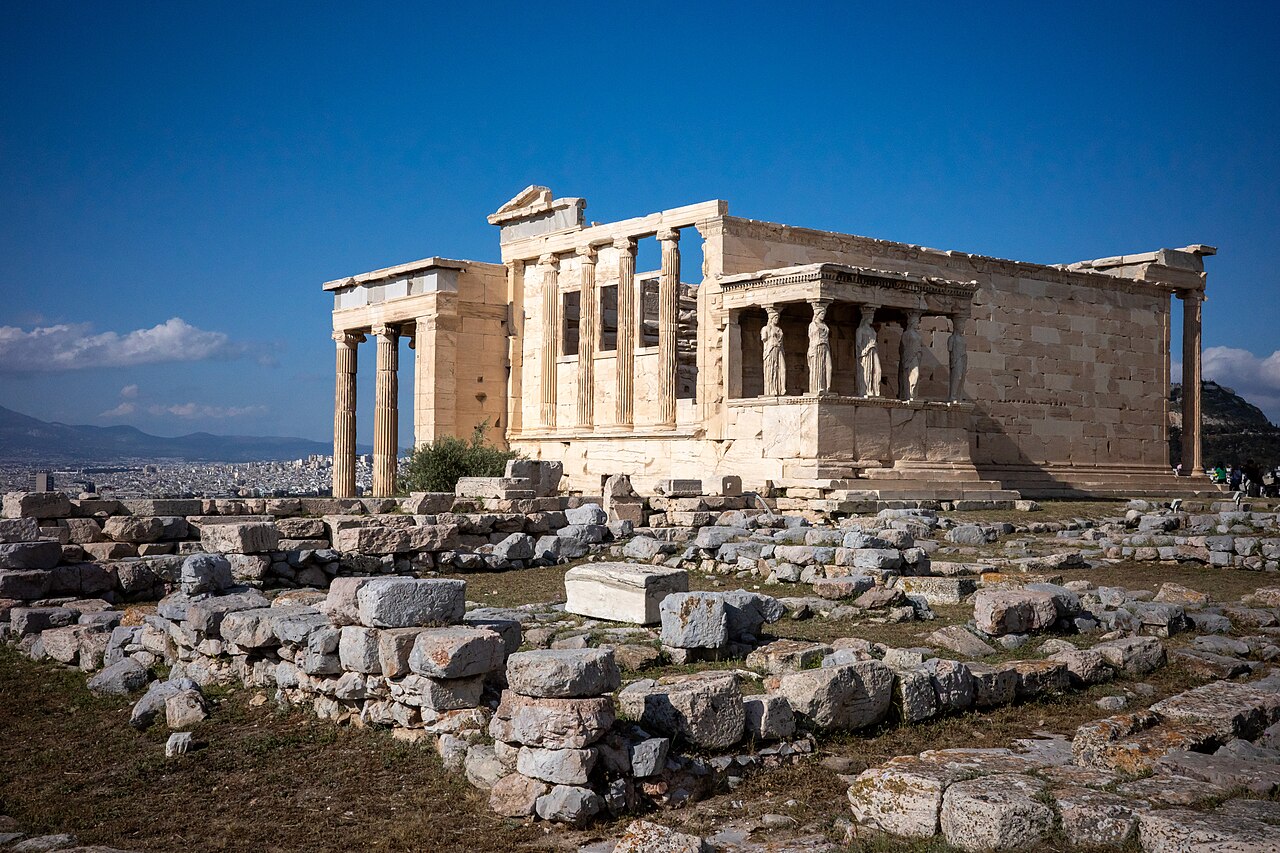
Erechtheion
c. 430s-406 BC
An Ionic temple on the Acropolis dedicated to Athena, completed after Pericles' death as part of the building scheme he had launched.
Completed after Pericles' death, it belongs to the Acropolis building programme he launched and shows it continuing during the war.
About this source
What it is
The Erechtheion is an Ionic temple on the north side of the Athenian Acropolis, primarily dedicated to the goddess Athena, housing her sacred statue. Its exact construction date is debated, but recent scholarship places much of it in the 430s BC, possibly as part of the programme of works Pericles instigated, though it was finished after his death.
Why it matters
The temple is unusual among Greek buildings for its irregular, asymmetrical design, likely because of the site's uneven ground or the complex mix of cults housed there. Its completion after Pericles died shows that the ambitious Acropolis building programme he started continued even through the hardship of the Peloponnesian War, carried on by those who came after him.
Look closer
- Why might a building be finished years after the leader who started the project had died?
- What does the irregular shape of this temple suggest about the challenges architects faced?
- What continued building during wartime tell you about Athenian priorities?
This artifact is part of the curated material that grounds the AI version of Pericles on Humy.ai — when students ask about related events, the AI can quote it and cite it.
More Pericles sources
Meet the AI Pericles →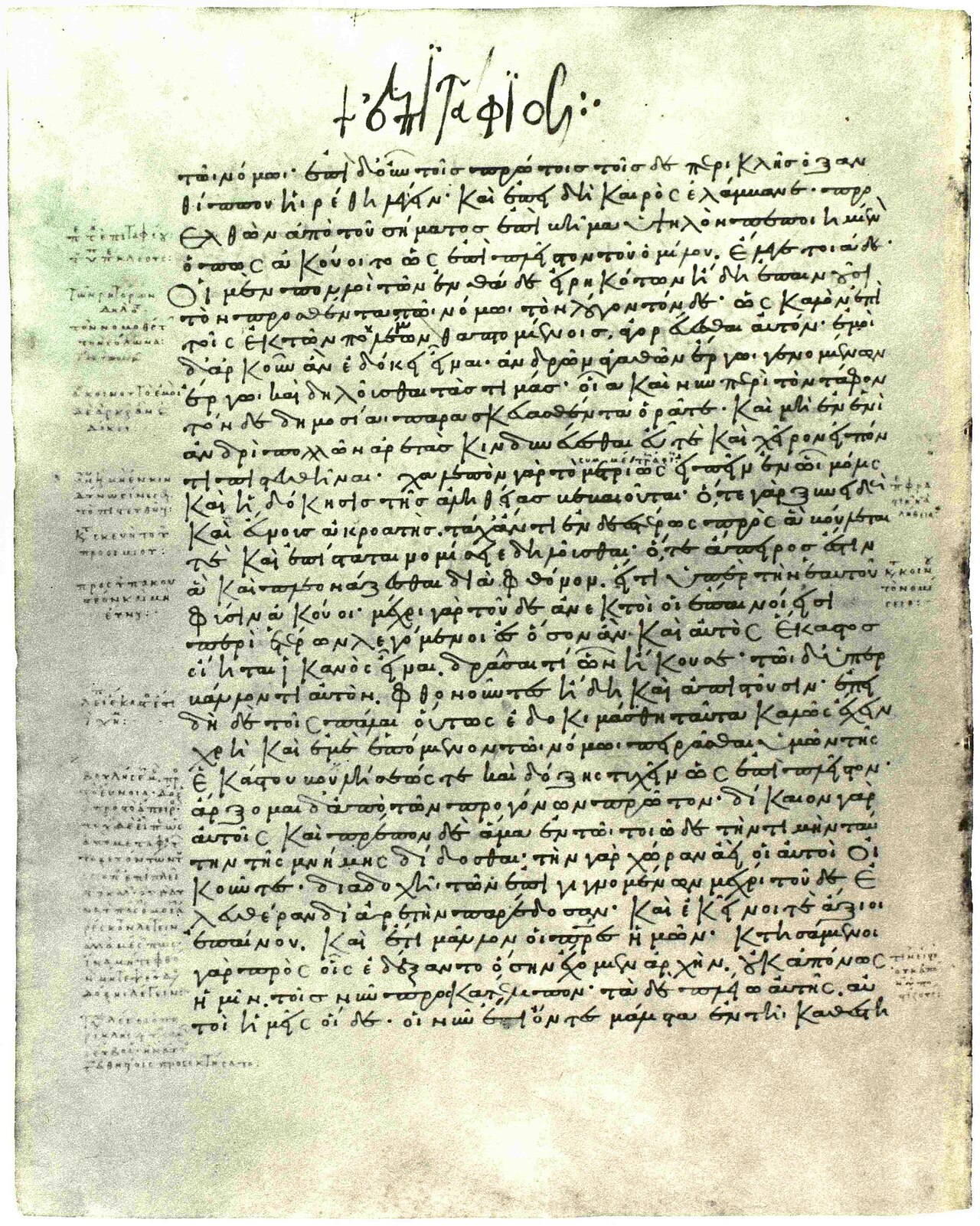 Speech
Secondary source
Pericles' Funeral Oration
Thucydides · 431/430 BCE
 Artifact
Primary source
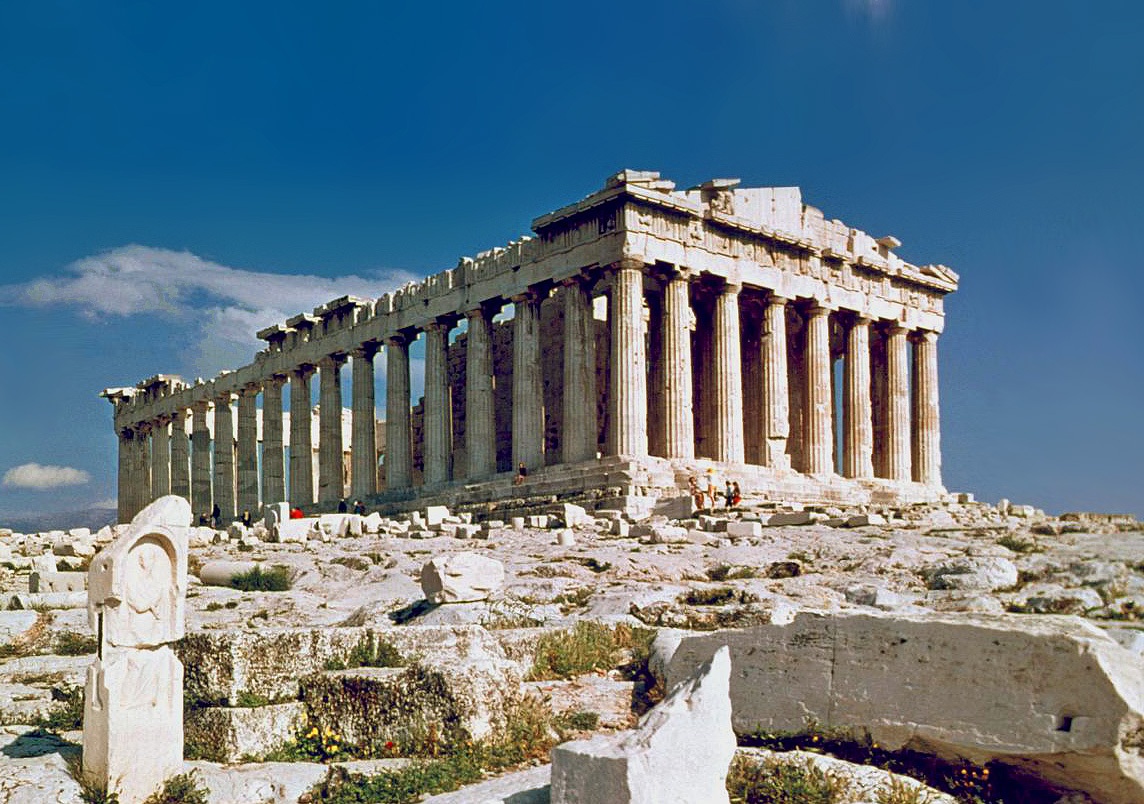
Parthenon
447-432 BCE
 Sculpture
Secondary source
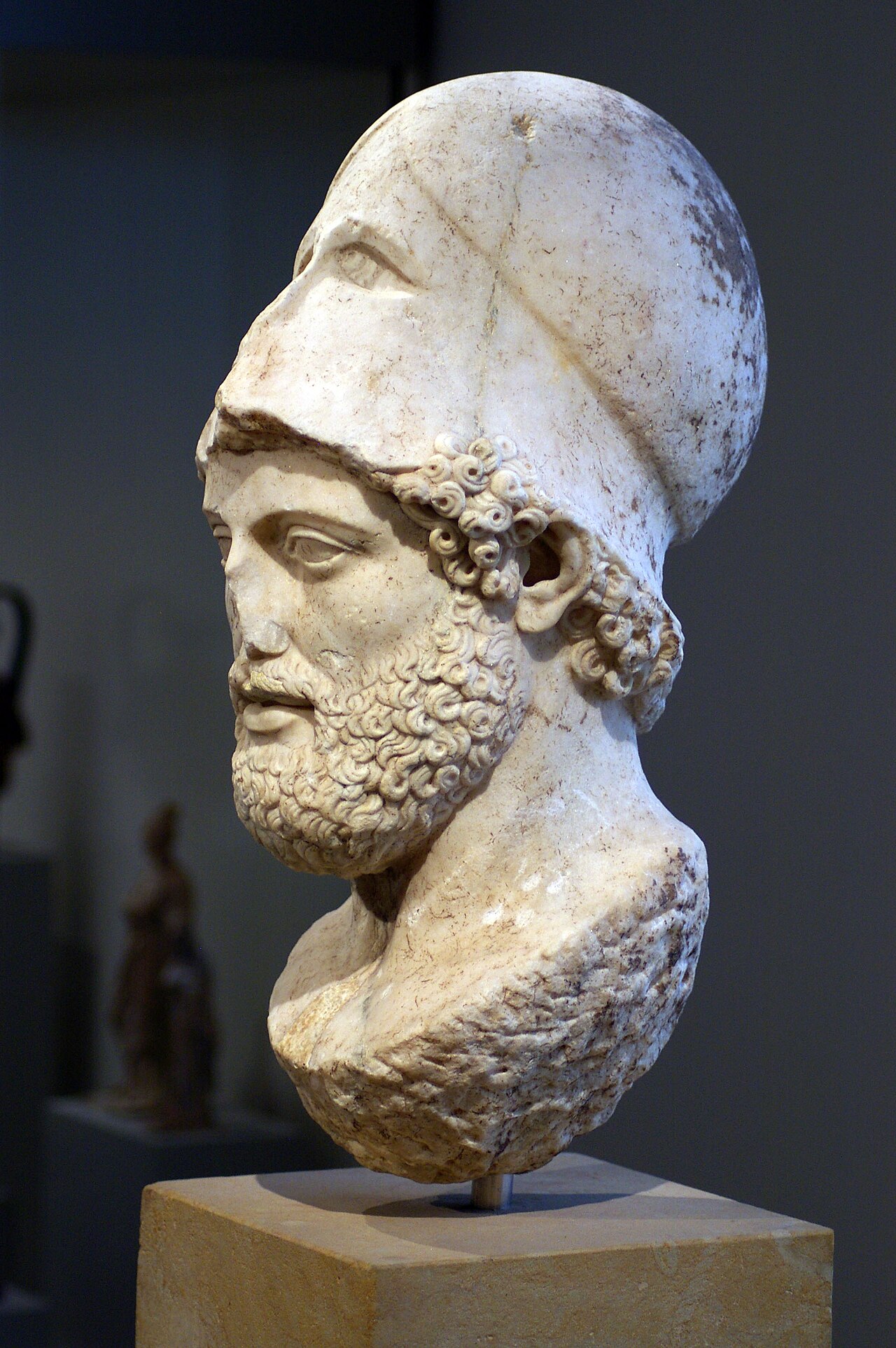
Pericles with the Corinthian Helmet
Kresilas · Roman copy, from a Greek original near Pericles' lifetime
 Book
Primary source
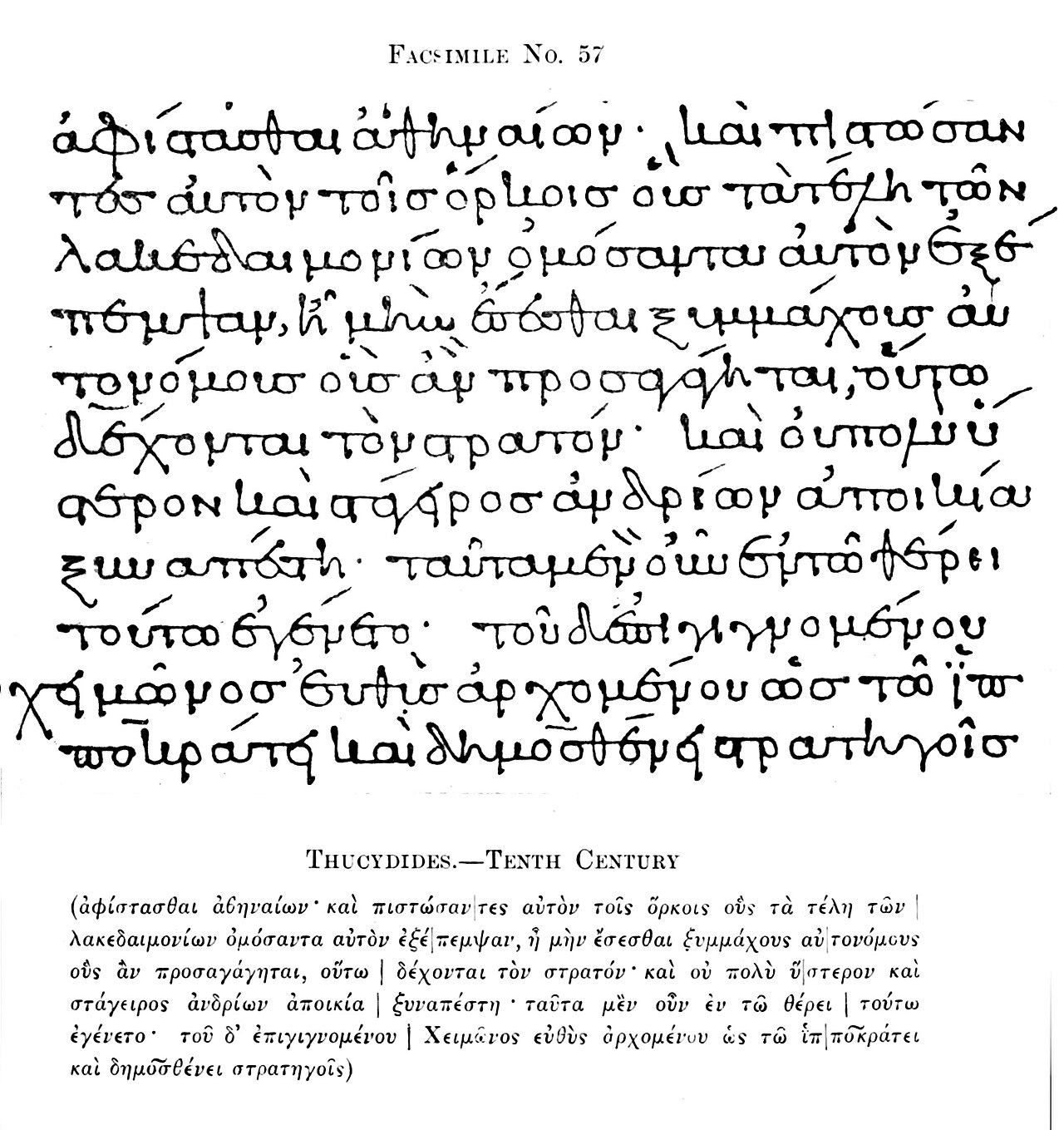
History of the Peloponnesian War
Thucydides · 5th century BCE
Secondary source
Life of Pericles
Plutarch
Ready when you are
Start chatting with Pericles now.
20 messages free · No credit card · Available in 50+ languages.