


Secondary sourceBook1900
Evolution of the Thermometer, chapter on Fahrenheit
1900
An early 1900s history chapter describing Fahrenheit's life and his role in developing reliable thermometers.
This chapter narrates Fahrenheit's birth and his achievement in creating reliable thermometers.
About this source
What it is
This is a chapter from a history of the thermometer, published in 1900, describing Daniel Gabriel Fahrenheit's birth in Danzig and his work developing reliable thermometers. The chapter also discusses earlier work by the French physicist Guillaume Amontons.
Why it matters
This text shows how, more than 150 years after Fahrenheit's death, historians placed his achievements within a longer story of scientific instrument-making, connecting his work to predecessors like Amontons. It reveals how the development of reliable temperature measurement was a gradual process involving many people.
Look closer
- Why does the author start the chapter talking about Amontons before introducing Fahrenheit?
- What does this text suggest was difficult about making thermometers reliable before Fahrenheit's work?
- How might a history written in 1900 differ from one written today?
This book is part of the curated material that grounds the AI version of Daniel Fahrenheit on Humy.ai — when students ask about related events, the AI can quote it and cite it.
More Daniel Fahrenheit sources
Meet the AI Daniel Fahrenheit →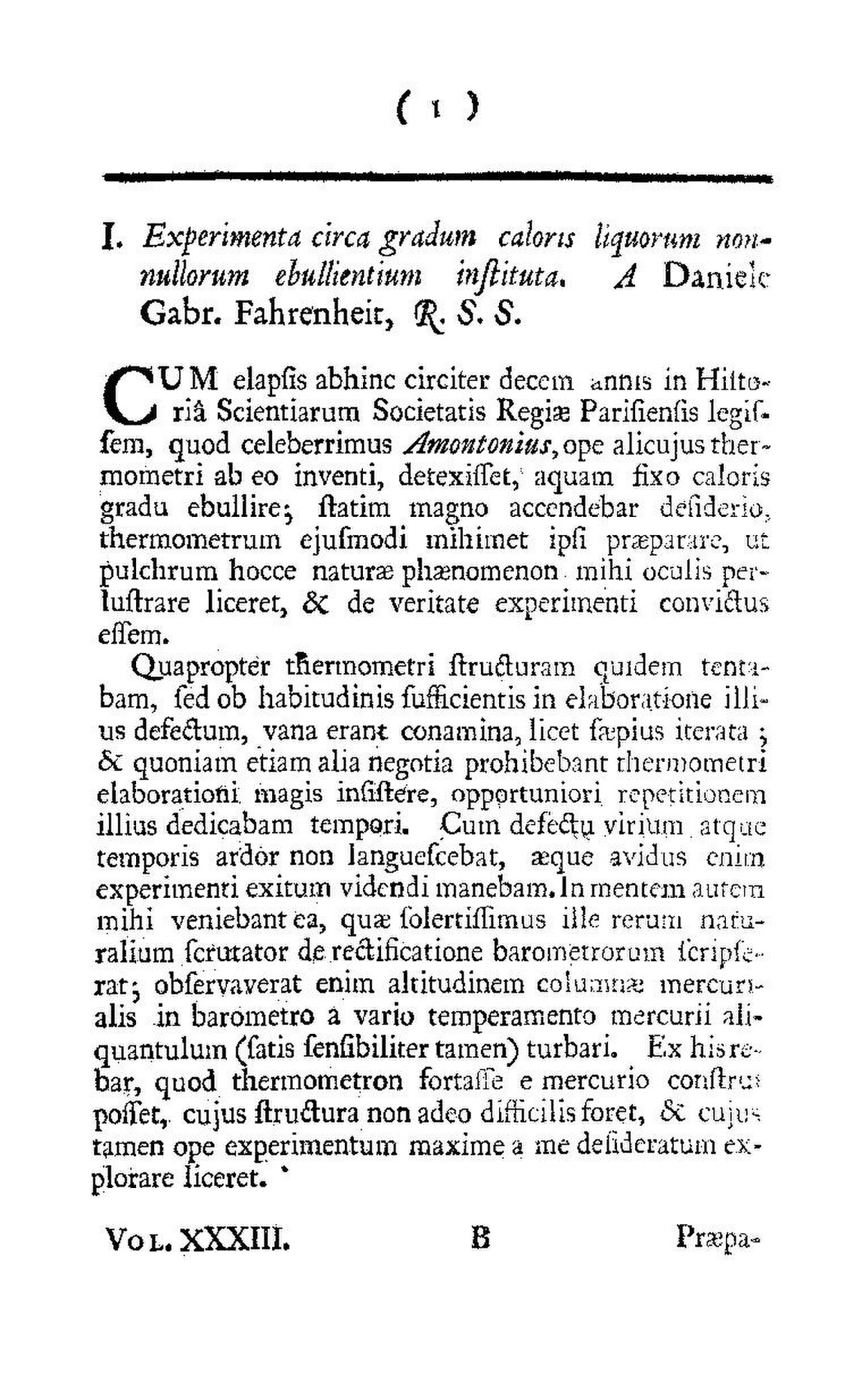 Document
Primary source
Experimenta circa gradum caloris liquorum nonnullorum ebullientium instituta
Daniel Gabriel Fahrenheit · 1724
 Document
Primary source
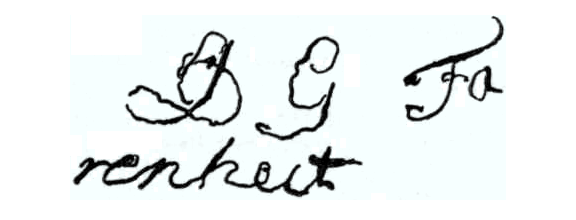
Fahrenheit's Last Will Signature
Daniel Gabriel Fahrenheit · 11 September 1736
 Document
Primary source
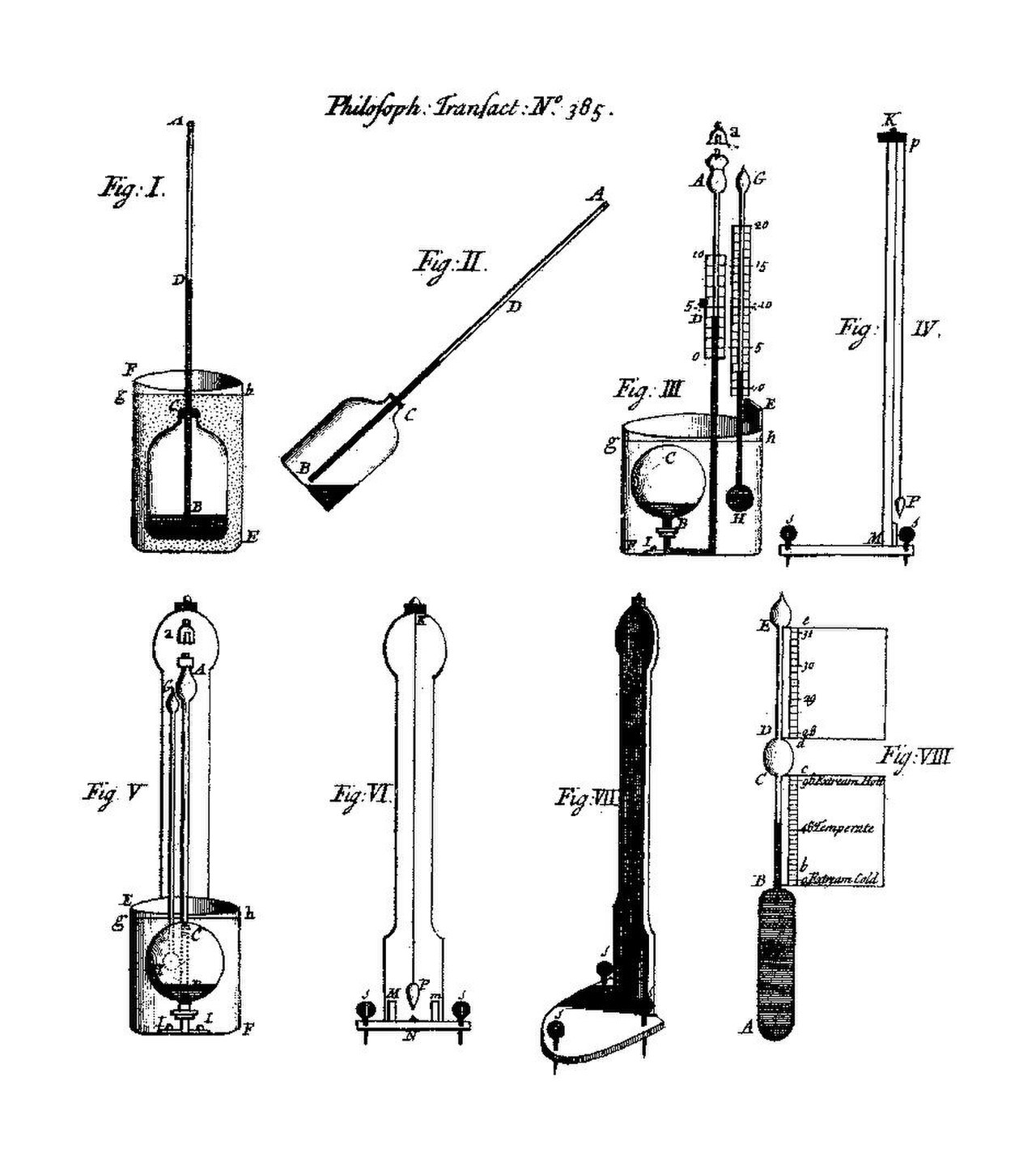
Barometri novi descriptio
Daniel Gabriel Fahrenheit · 1724
 Document
Primary source
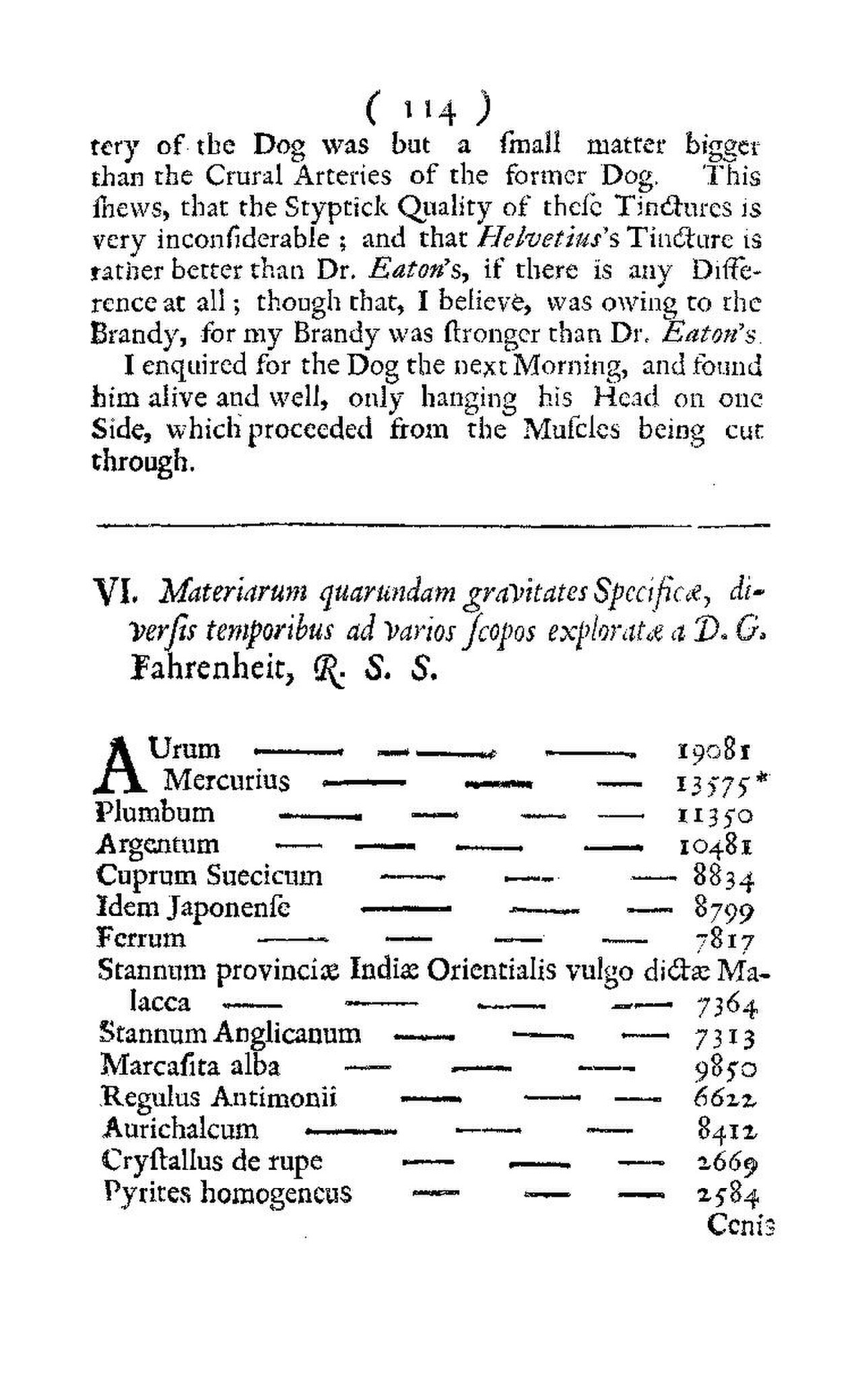
Materiarum quarundam gravitates specificae
Daniel Gabriel Fahrenheit · 1724
 Document
Primary source
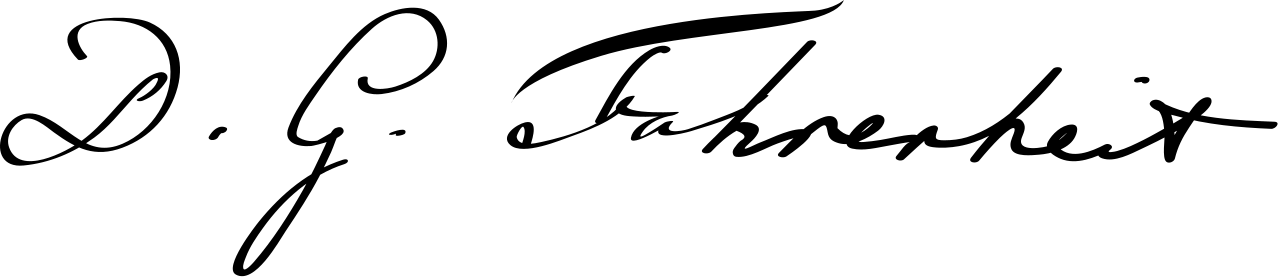
Signature of Daniel Gabriel Fahrenheit
Daniel Gabriel Fahrenheit
Ready when you are
Start chatting with Daniel Fahrenheit now.
20 messages free · No credit card · Available in 50+ languages.