


Secondary sourcePainting19th century
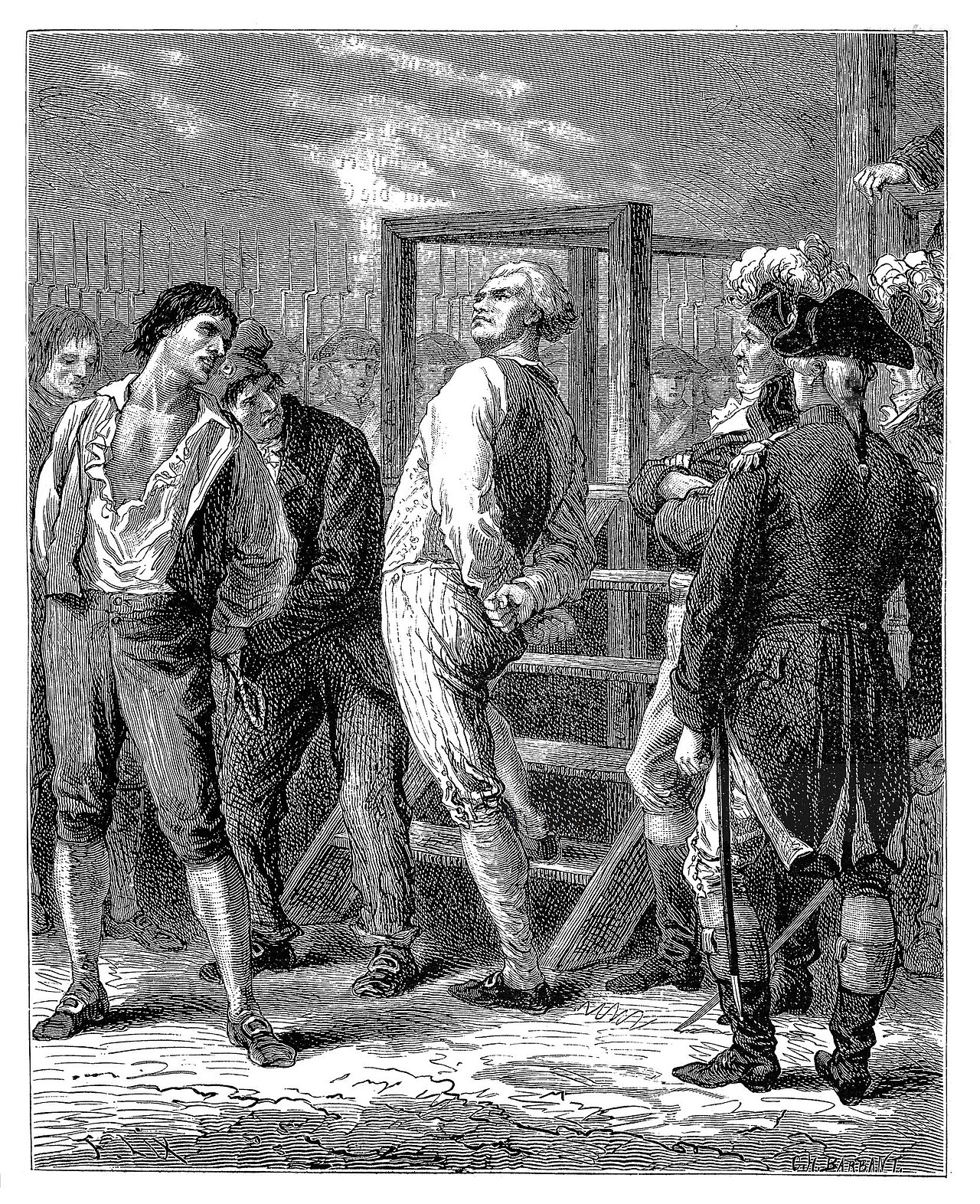
Exécution de Danton
Charles Barbant, after Frédéric Théodore Lix · 19th century
A 19th-century engraving depicting the execution of Georges Danton in 1794.
This engraving depicts the dramatic scene associated with Danton's execution, a central event in his historical memory.
About this source
What it is
This is an engraving by Charles Barbant, based on a drawing by Frédéric Théodore Lix, created in the 19th century. It depicts a scene at a prison or tribunal connected to Danton's execution, showing bound prisoners and armed officers.
Why it matters
Danton's execution in 1794 during the Reign of Terror became one of the most remembered moments of the French Revolution. This later engraving, made decades after the event, shows how his death was turned into a dramatic set piece in the historical memory of the Revolution.
Look closer
- What details in the image, such as the figures' clothing and poses, suggest tension or drama?
- Why might 19th-century audiences have been interested in scenes of revolutionary executions?
- What does this image not show about the actual event that might be important to know?
This painting is part of the curated material that grounds the AI version of Georges Danton on Humy.ai — when students ask about related events, the AI can quote it and cite it.
More Georges Danton sources
Meet the AI Georges Danton →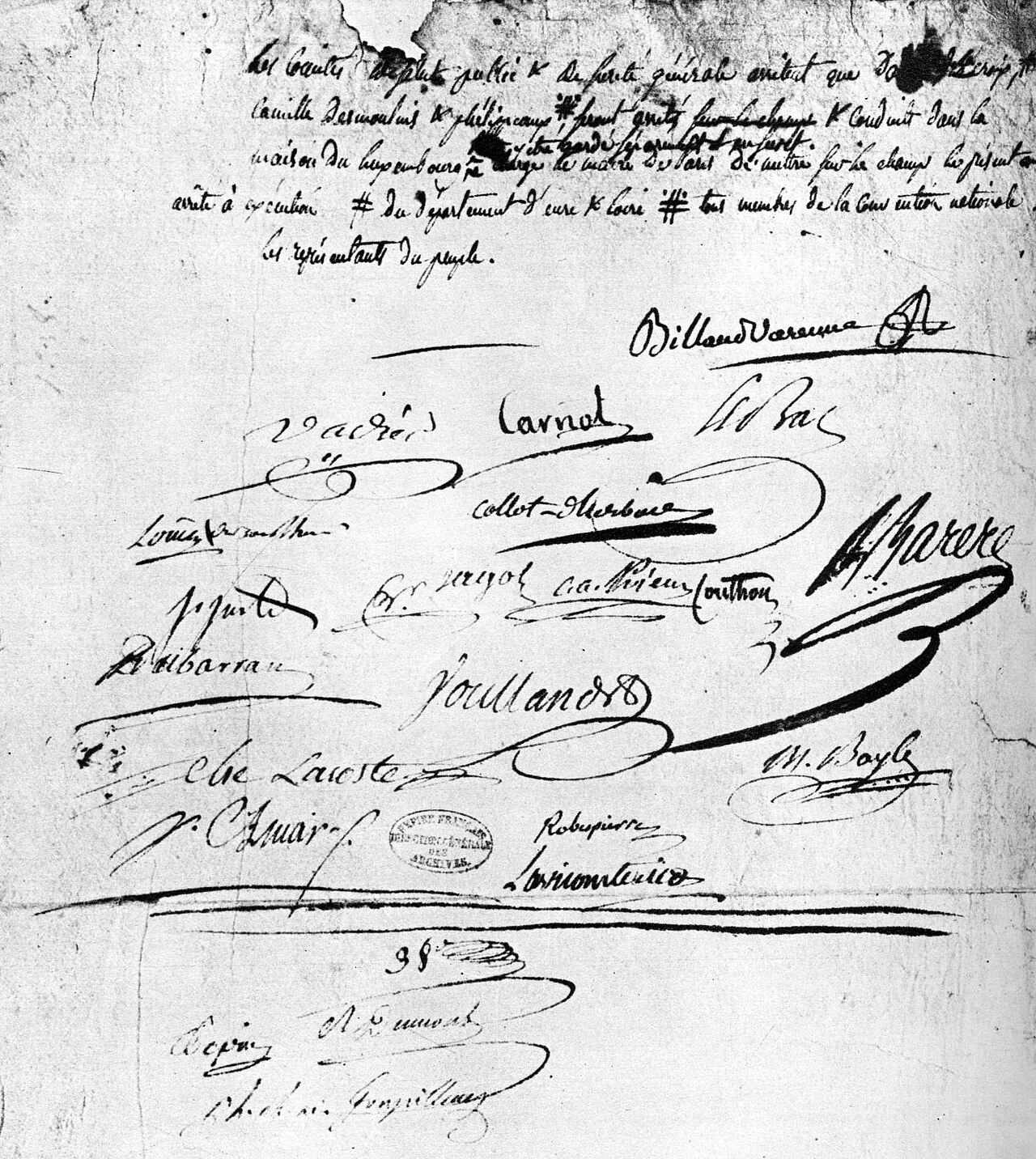 Document
Primary source
Arrest Warrant Against Danton and His Friends
Committee of Public Safety · March 1794
 Painting
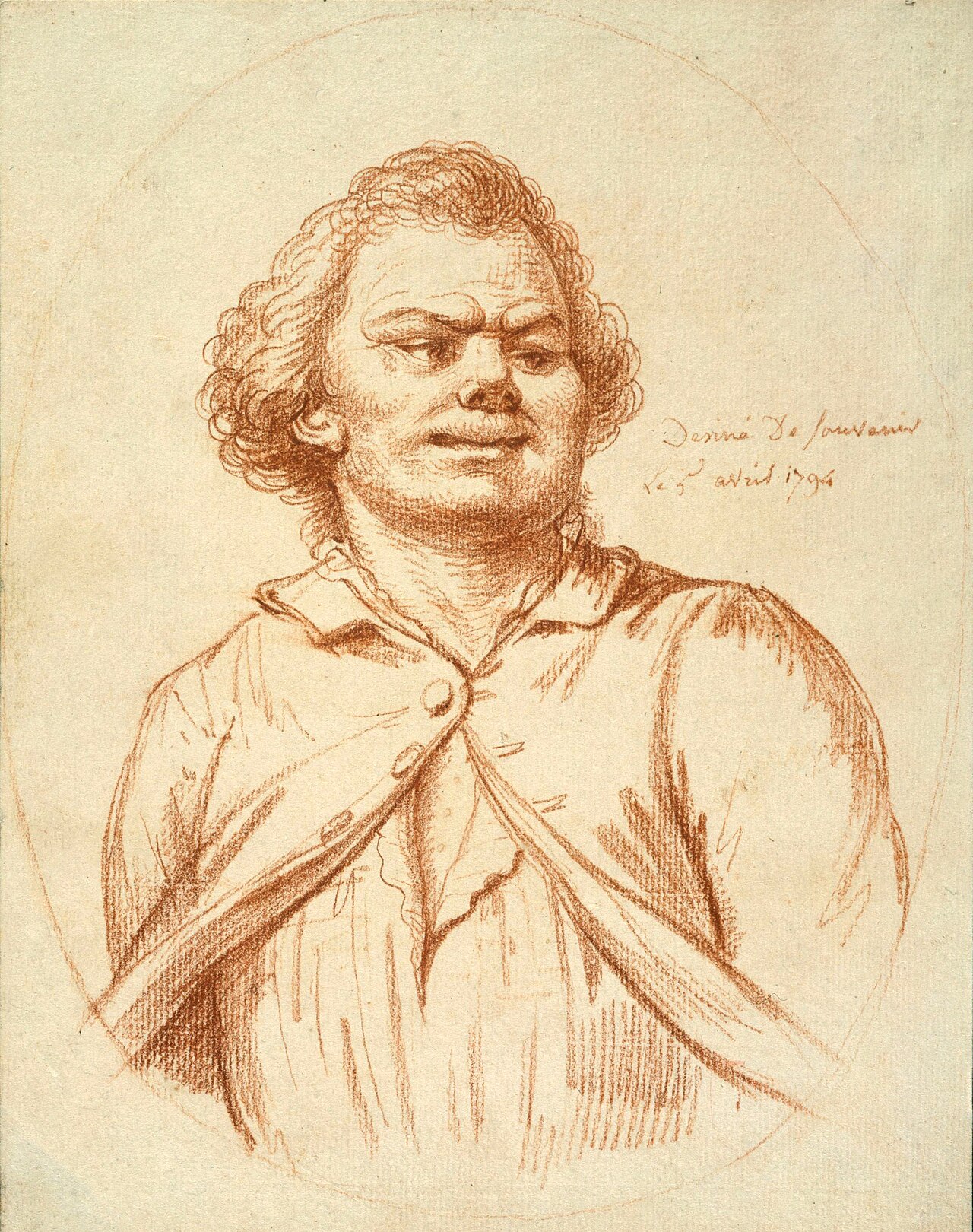
Primary source
Danton Led to Execution
Attributed to Pierre-Alexandre Wille · 1794
 Painting
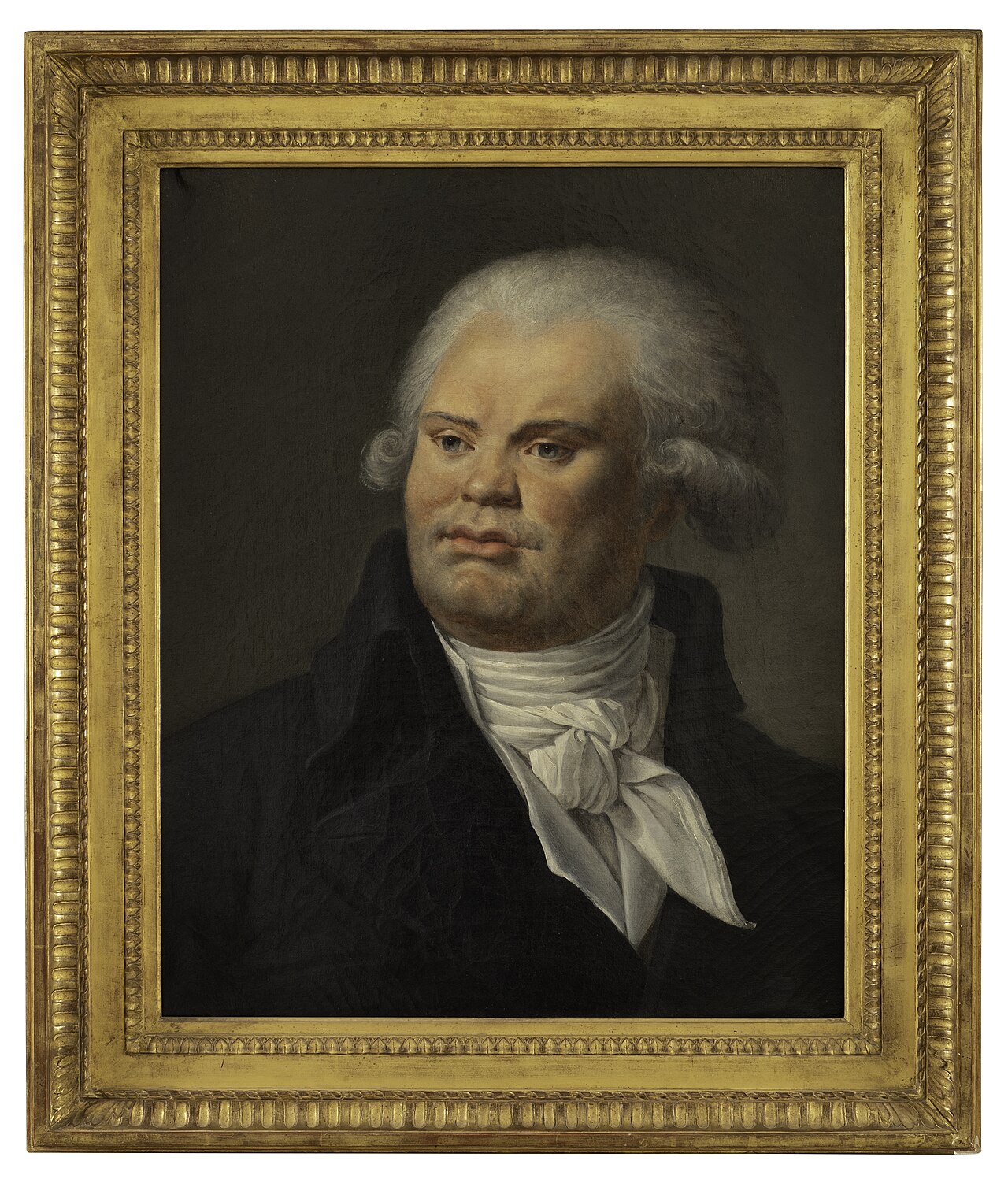
Primary source
Portrait of Georges Danton
 Document
Primary source
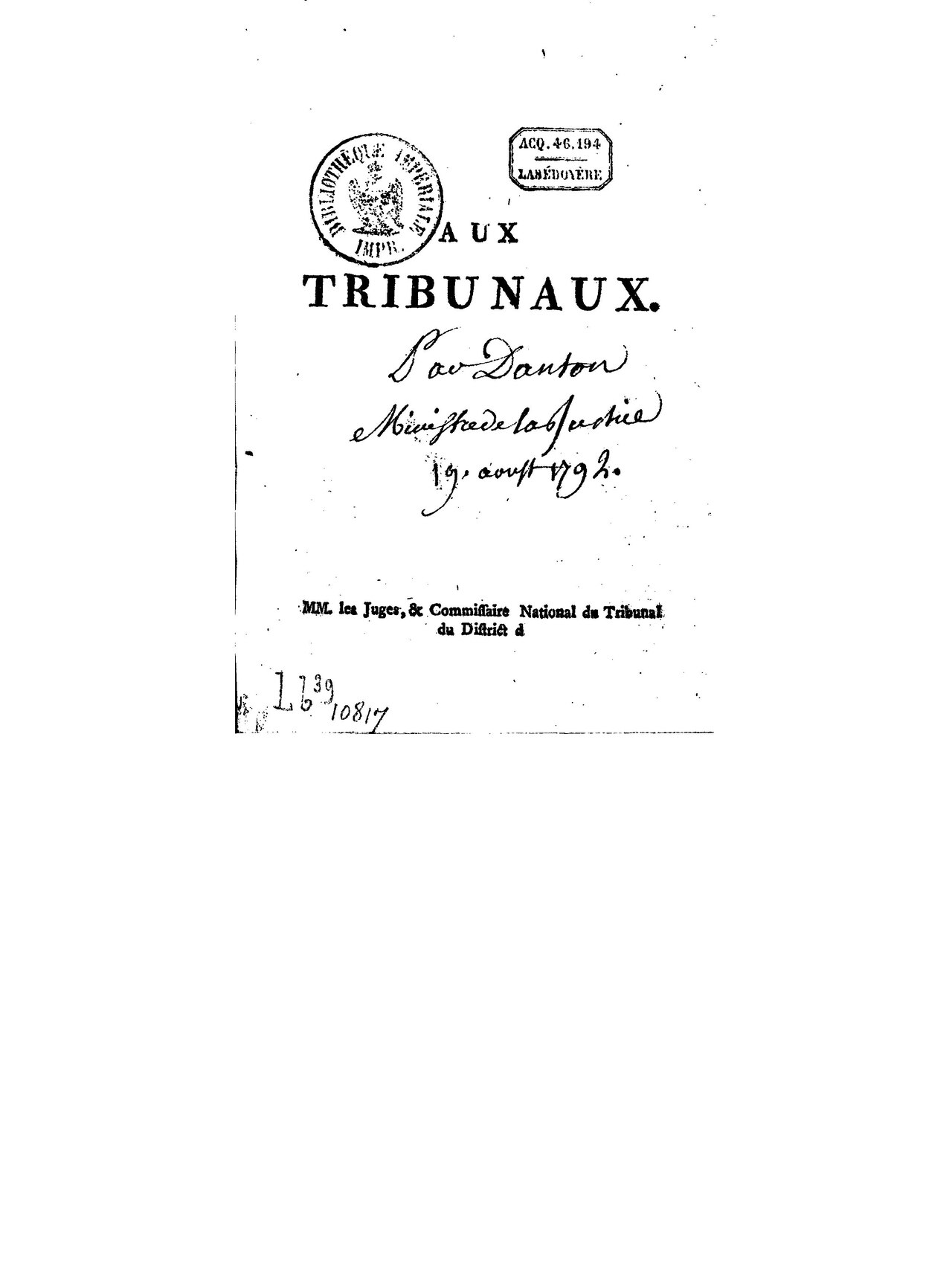
Aux tribunaux
Georges Danton · 19 August 1792
 Document
Primary source
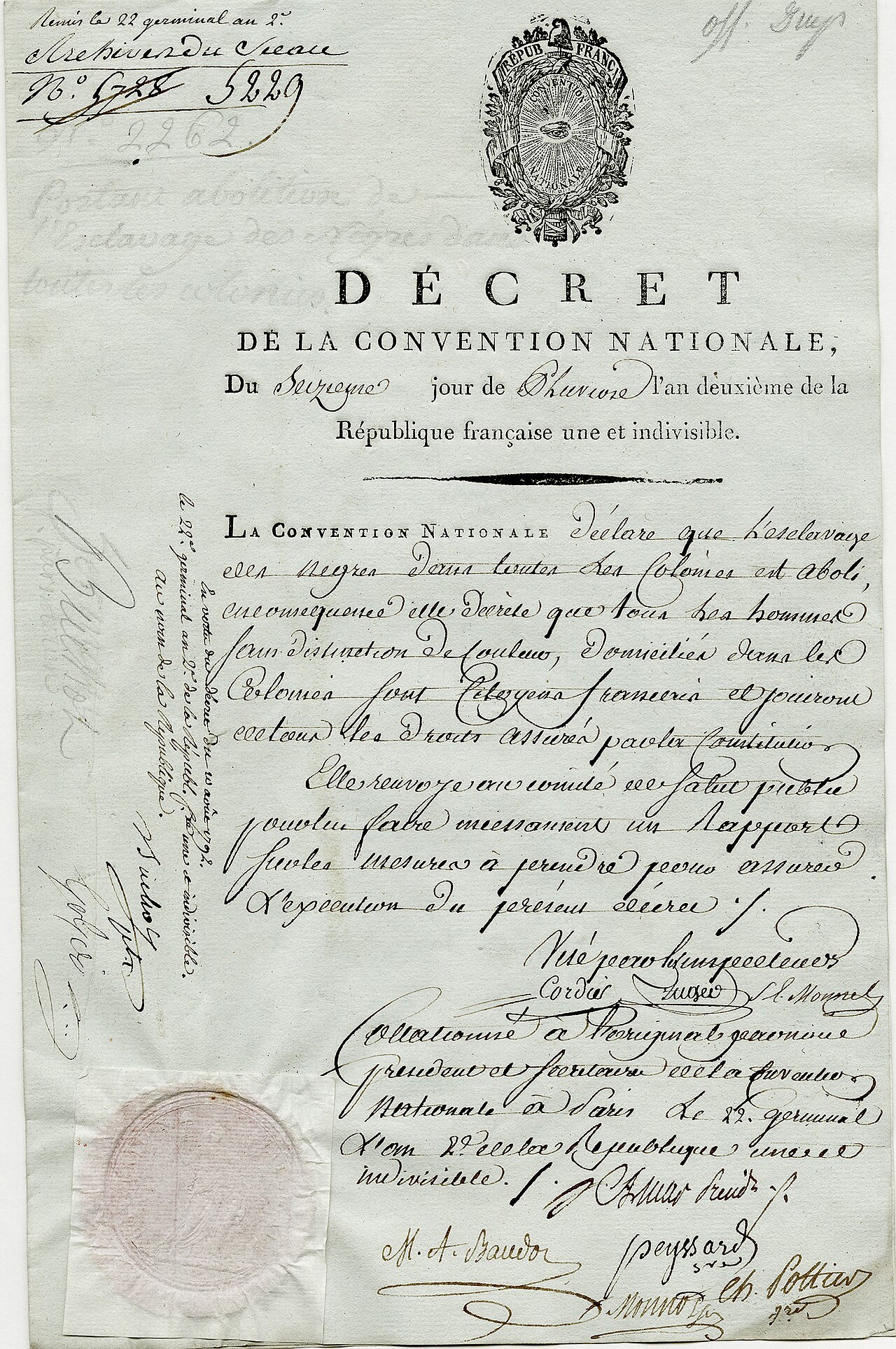
Law of 4 February 1794
National Convention · 4 February 1794
Ready when you are
Start chatting with Georges Danton now.
20 messages free · No credit card · Available in 50+ languages.