


Primary sourceDocument8 July 1933
Executive Order 6198
Franklin Delano Roosevelt · 8 July 1933
An executive order signed by President Roosevelt in 1933 appointing Harold L. Ickes as Federal Emergency Administrator of Public Works under the National Industrial Recovery Act.
Roosevelt signed this order himself, an early act of his presidency establishing New Deal public works administration.
About this source
What it is
This is Executive Order 6198, issued by President Franklin D. Roosevelt on 8 July 1933. It appoints Harold L. Ickes to the office of Federal Emergency Administrator of Public Works, under the authority of the National Industrial Recovery Act.
Why it matters
This order dates from the first year of Roosevelt's presidency and the start of the New Deal, showing how he used executive power to build new government agencies meant to address the Great Depression. It also connects Roosevelt directly to Harold Ickes, one of his key administrators.
Look closer
- What authority does Roosevelt cite to justify this appointment?
- Why might a president use an executive order instead of asking Congress to approve an appointment?
- What does this short document not explain about the larger purpose of the Public Works program?
This document is part of the curated material that grounds the AI version of Franklin D. Roosevelt on Humy.ai — when students ask about related events, the AI can quote it and cite it.
More Franklin D. Roosevelt sources
Meet the AI Franklin D. Roosevelt →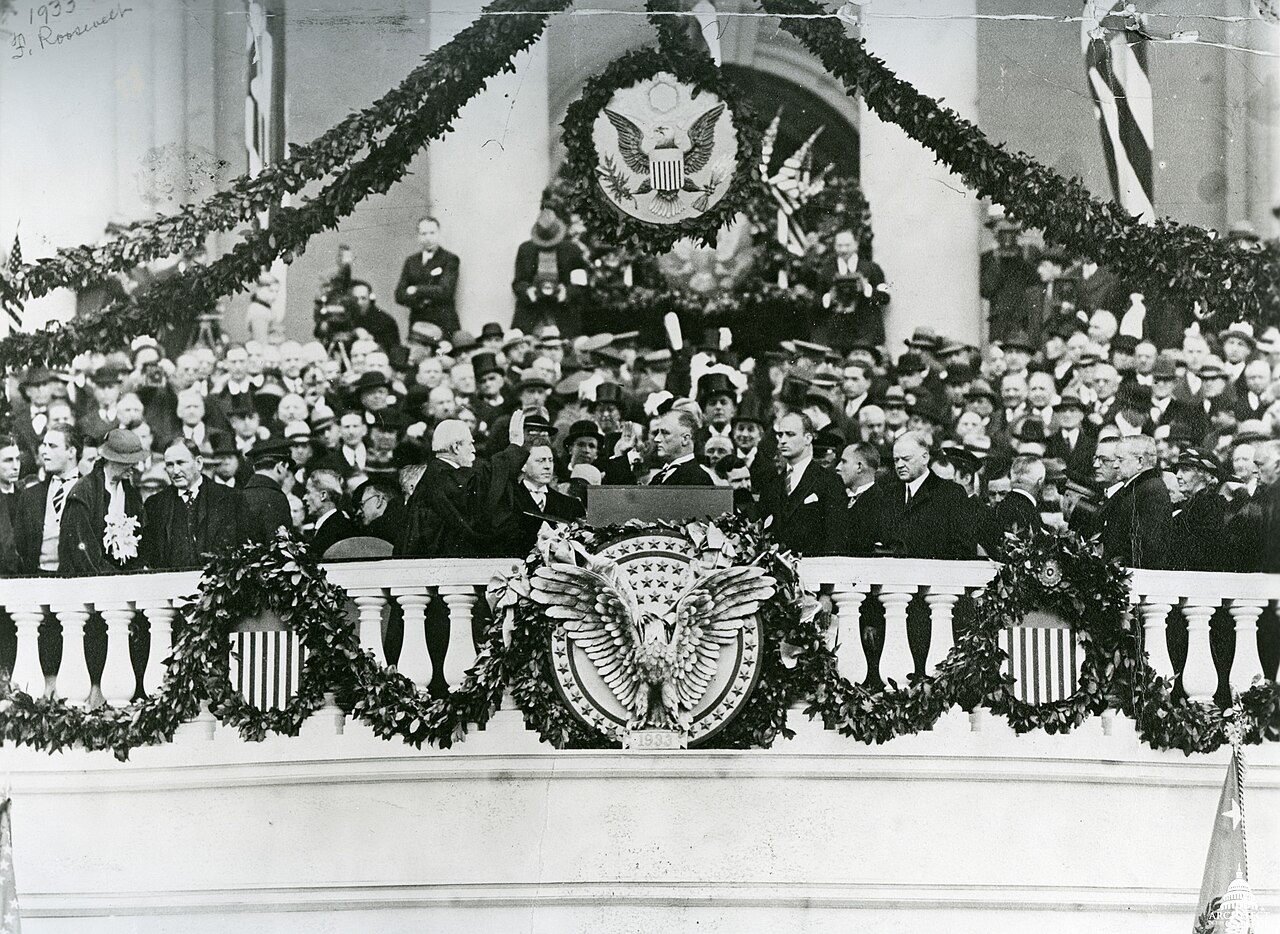 Speech
Primary source
First Inaugural Address of Franklin D. Roosevelt
Franklin Delano Roosevelt · 4 March 1933
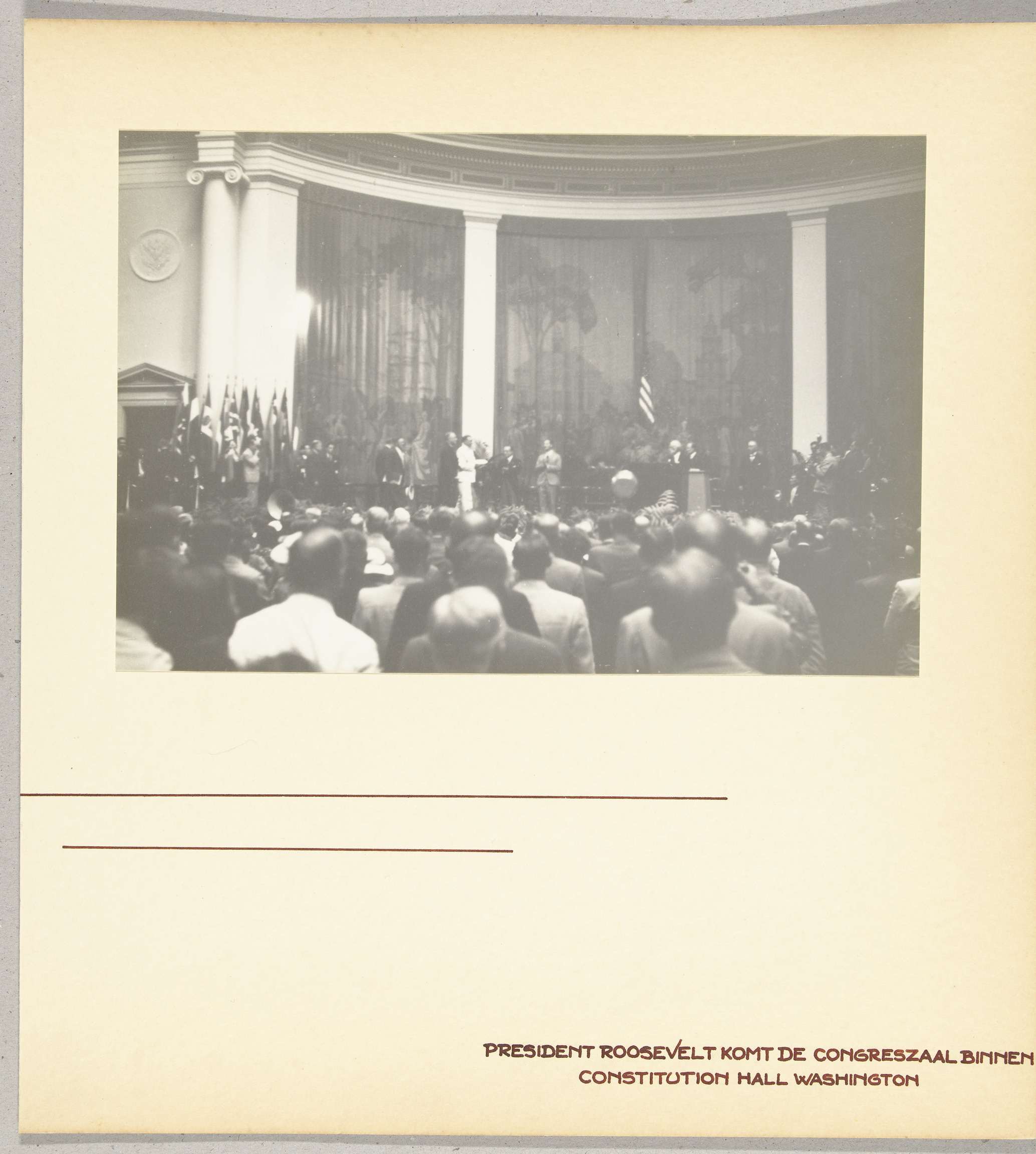 Photograph
Primary source
Roosevelt at the Third World Power Conference
1936
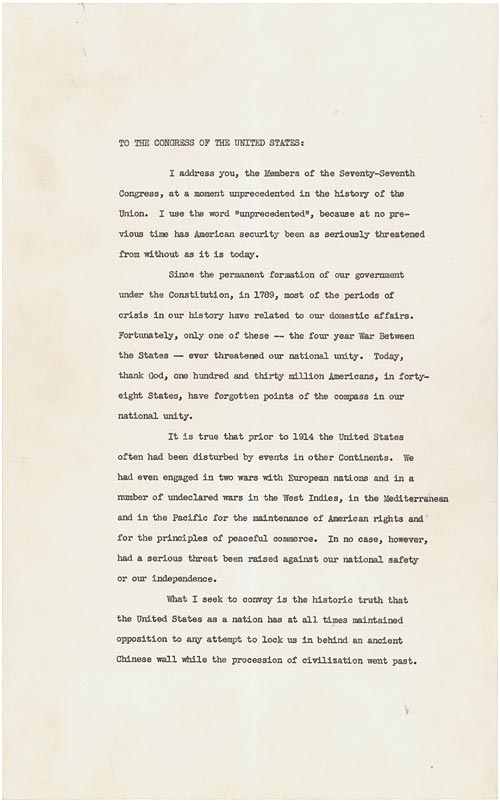 Speech
Primary source
Four Freedoms Speech
Franklin Delano Roosevelt · 6 January 1941
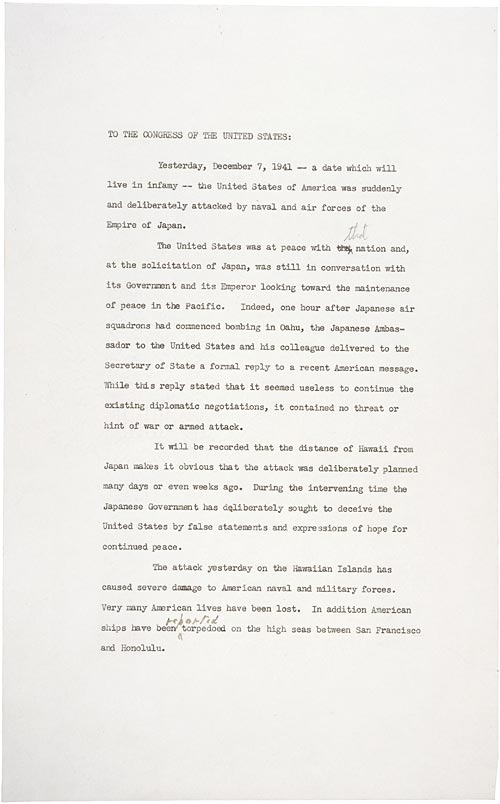 Speech
Primary source
Day of Infamy Speech
Franklin Delano Roosevelt · 8 December 1941
Primary source
Executive Order 9066
Franklin Delano Roosevelt · 19 February 1942
Ready when you are
Start chatting with Franklin D. Roosevelt now.
20 messages free · No credit card · Available in 50+ languages.