


Primary sourceDocument1453
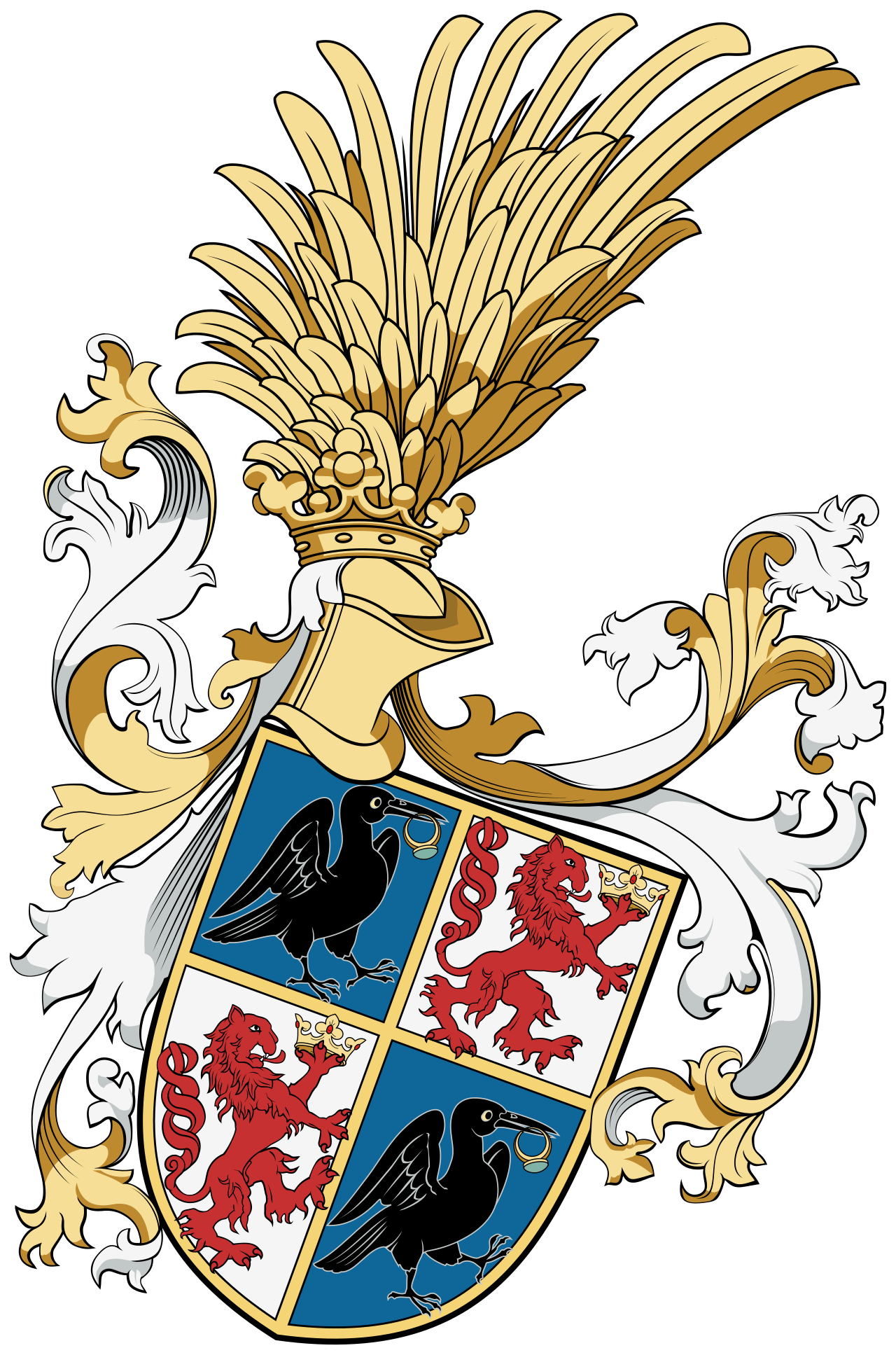
Extended Coat of Arms of John Hunyadi
1453
The heraldic arms granted to John Hunyadi by King Ladislaus V in 1453, marking his elevation as the kingdom's first hereditary count.
These arms, granted to Hunyadi in 1453, marked his elevation as the kingdom's first hereditary count.
About this source
What it is
This is the extended coat of arms granted to John Hunyadi by King Ladislaus V in 1453. The shield is divided into four quarters showing black ravens holding rings and red crowned lions, topped with a gold crown and plume. The raven symbol gave rise to the name Corvinus, from the Latin word for raven, used by Hunyadi's descendants.
Why it matters
This grant of arms marked a major honor: Hunyadi's elevation as the first hereditary count of the kingdom. Heraldry like this was used by medieval rulers to formally recognize and reward powerful nobles, and this coat of arms later became closely tied to the identity of his son, King Matthias Corvinus, and the Corvinus dynasty.
Look closer
- What might the raven and ring symbols have meant to the people who designed this coat of arms?
- Why would a king grant such an elaborate heraldic symbol to a noble?
- How did this coat of arms continue to matter after Hunyadi's death?
This document is part of the curated material that grounds the AI version of John Hunyadi on Humy.ai — when students ask about related events, the AI can quote it and cite it.
More John Hunyadi sources
Browse all 71 →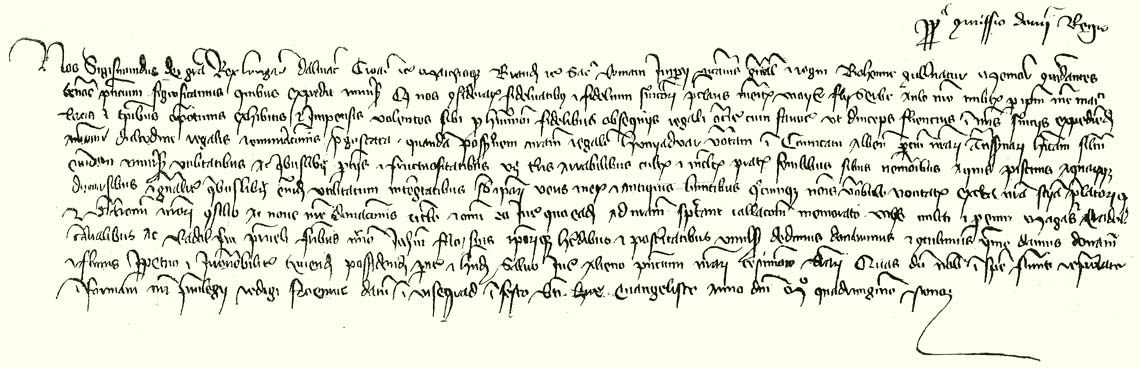 Document
Primary source
Diploma of Sigismund of Luxembourg
1409
 Painting
Secondary source
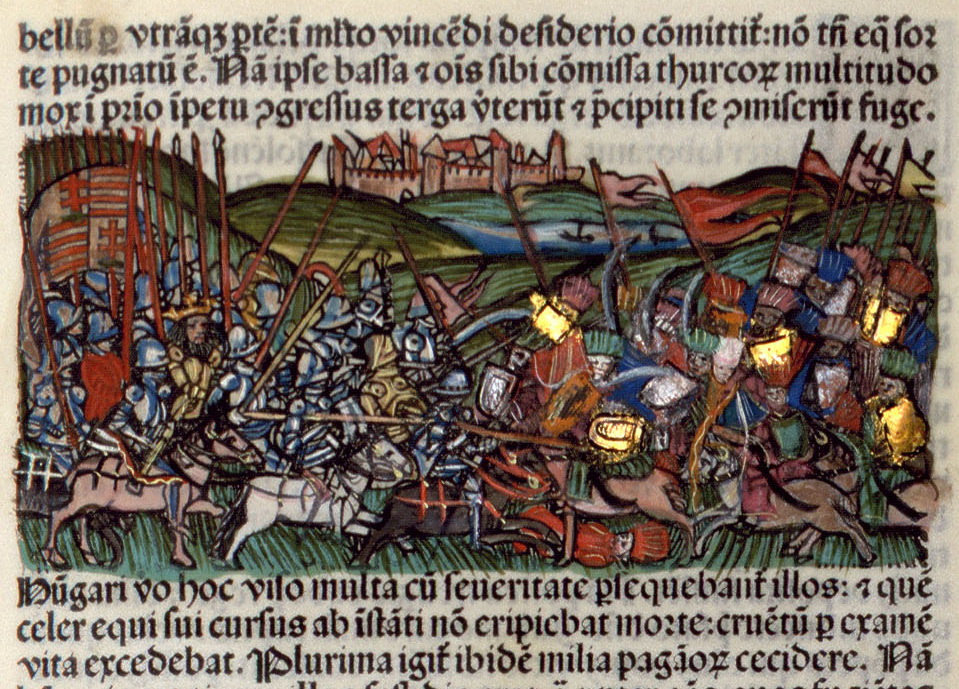
Hunyadi's Long Campaign Against the Ottomans
Johannes de Thurocz · 1488
 Artifact
Primary source
Corvin Castle
1440
 Sculpture
Primary source
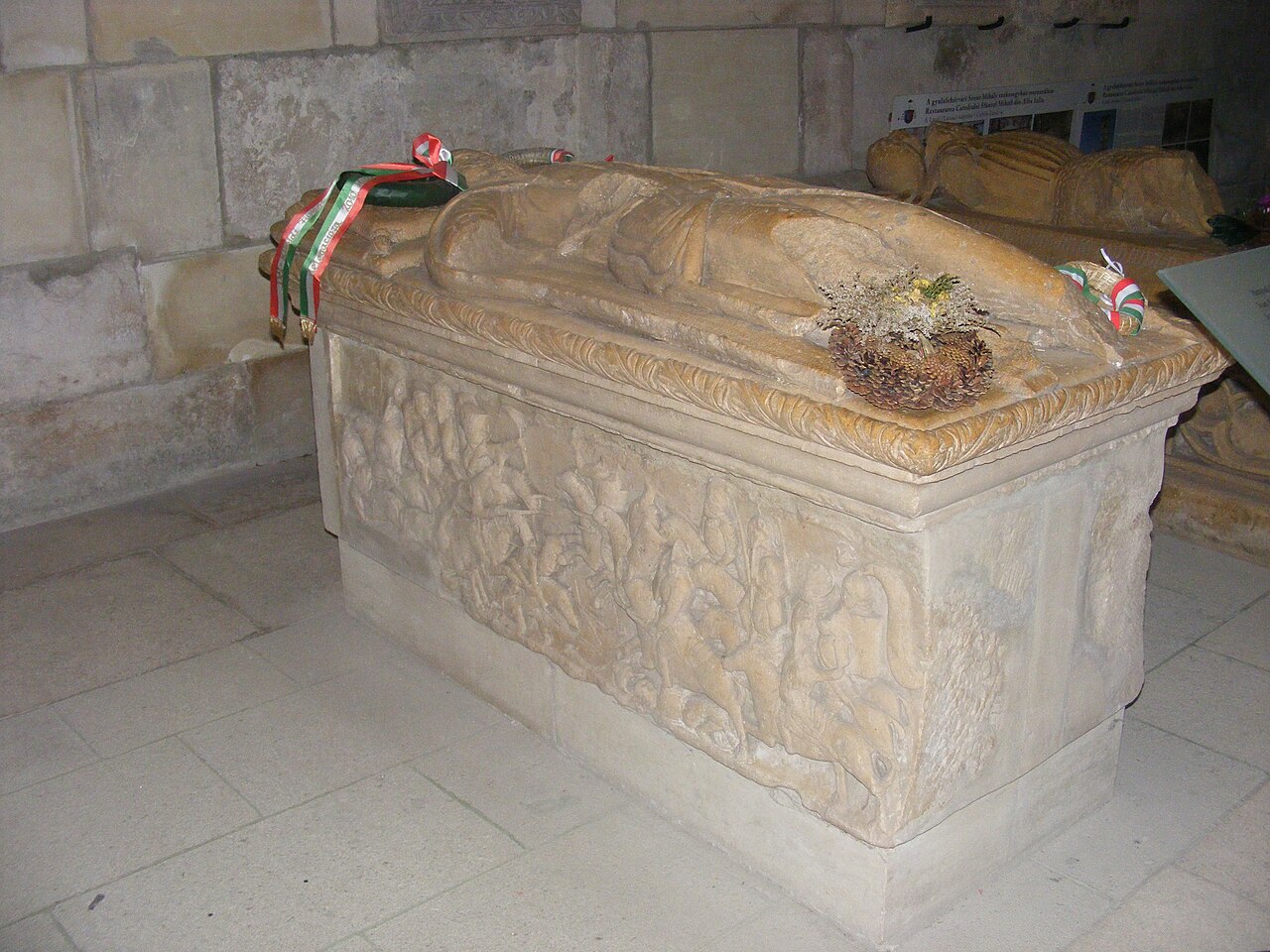
Grave of John Hunyadi

Free account
Read every John Hunyadi source
Sign up free →
Ready when you are
Start chatting with John Hunyadi now.
20 messages free · No credit card · Available in 50+ languages.