


Primary sourcePhotograph14 February 1990
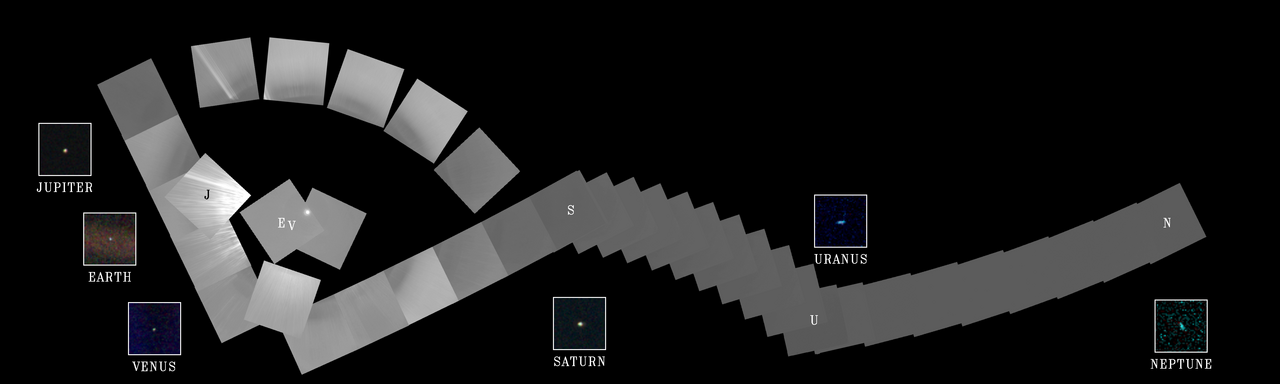
Family Portrait of the Solar System
Voyager 1 (NASA/JPL) · 14 February 1990
A mosaic of images taken by Voyager 1 in 1990 showing the Sun and six planets from outside the Solar System, including the frame that became the Pale Blue Dot.
This full mosaic, including the Pale Blue Dot frame, resulted from the Earth-imaging project Sagan pushed NASA to carry out.
About this source
What it is
On 14 February 1990, Voyager 1's cameras, pointed back toward the Sun, captured a series of 60 frames making up the first ever portrait of the Solar System seen from outside. The mosaic links together images of the Sun, Jupiter, Earth, Venus, Saturn, Uranus and Neptune.
Why it matters
This full mosaic shows the scale of the project that Carl Sagan championed: turning Voyager's cameras backward not for scientific data, but to let humanity see its own cosmic neighbourhood as a small chain of dots. The Pale Blue Dot, showing Earth alone, is one single frame drawn from this larger portrait.
Look closer
- Why might scientists want a picture of the whole Solar System rather than just Earth?
- What technical challenges can you spot in the image, such as glare or scattered light?
- How does seeing all the planets together change your sense of scale compared to the single Pale Blue Dot image?
This photograph is part of the curated material that grounds the AI version of Carl Sagan on Humy.ai — when students ask about related events, the AI can quote it and cite it.
More Carl Sagan sources
Browse all 48 →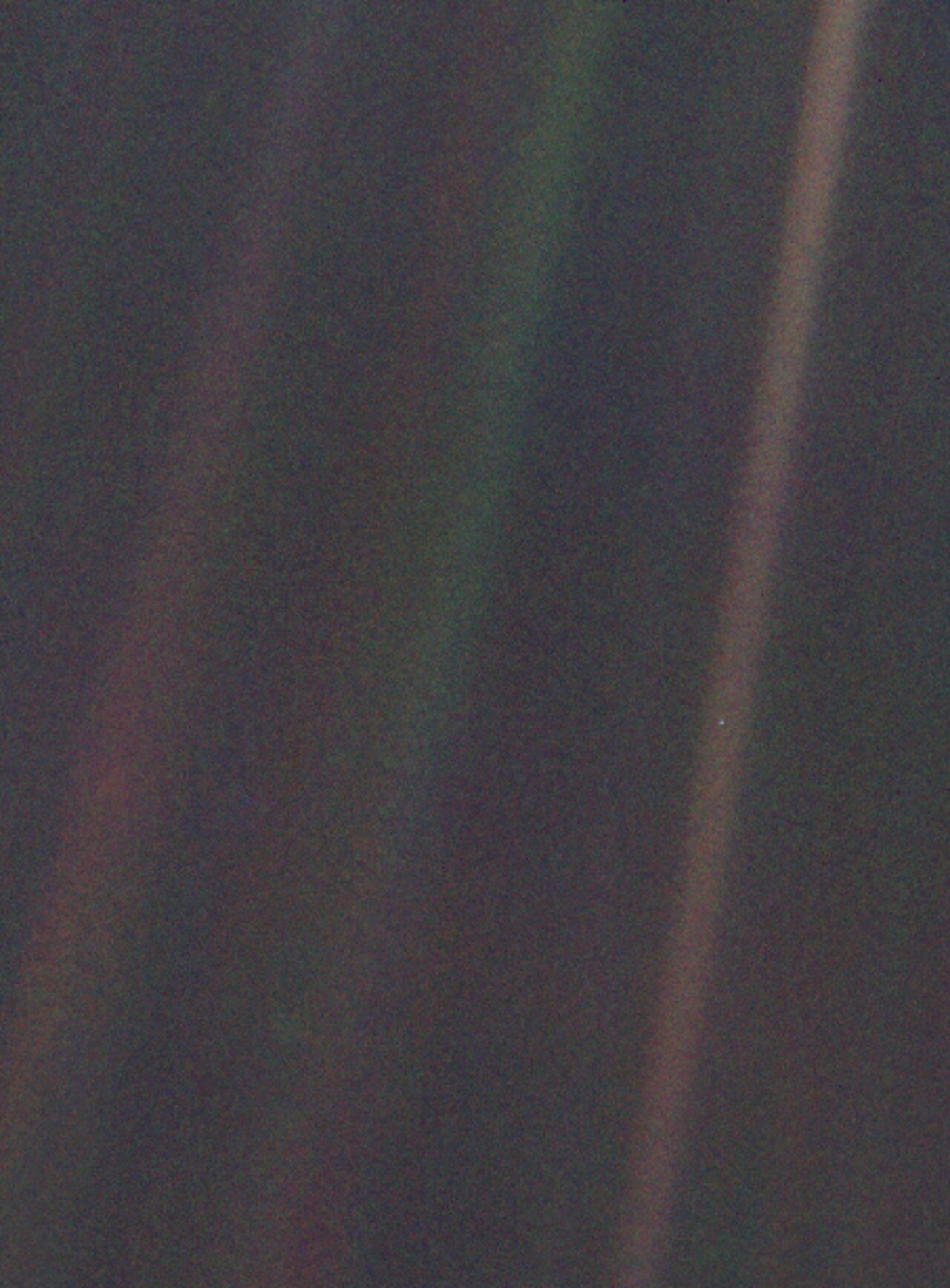 Photograph
Primary source
Pale Blue Dot
Voyager 1 (NASA/JPL) · 14 February 1990
 Artifact
Primary source
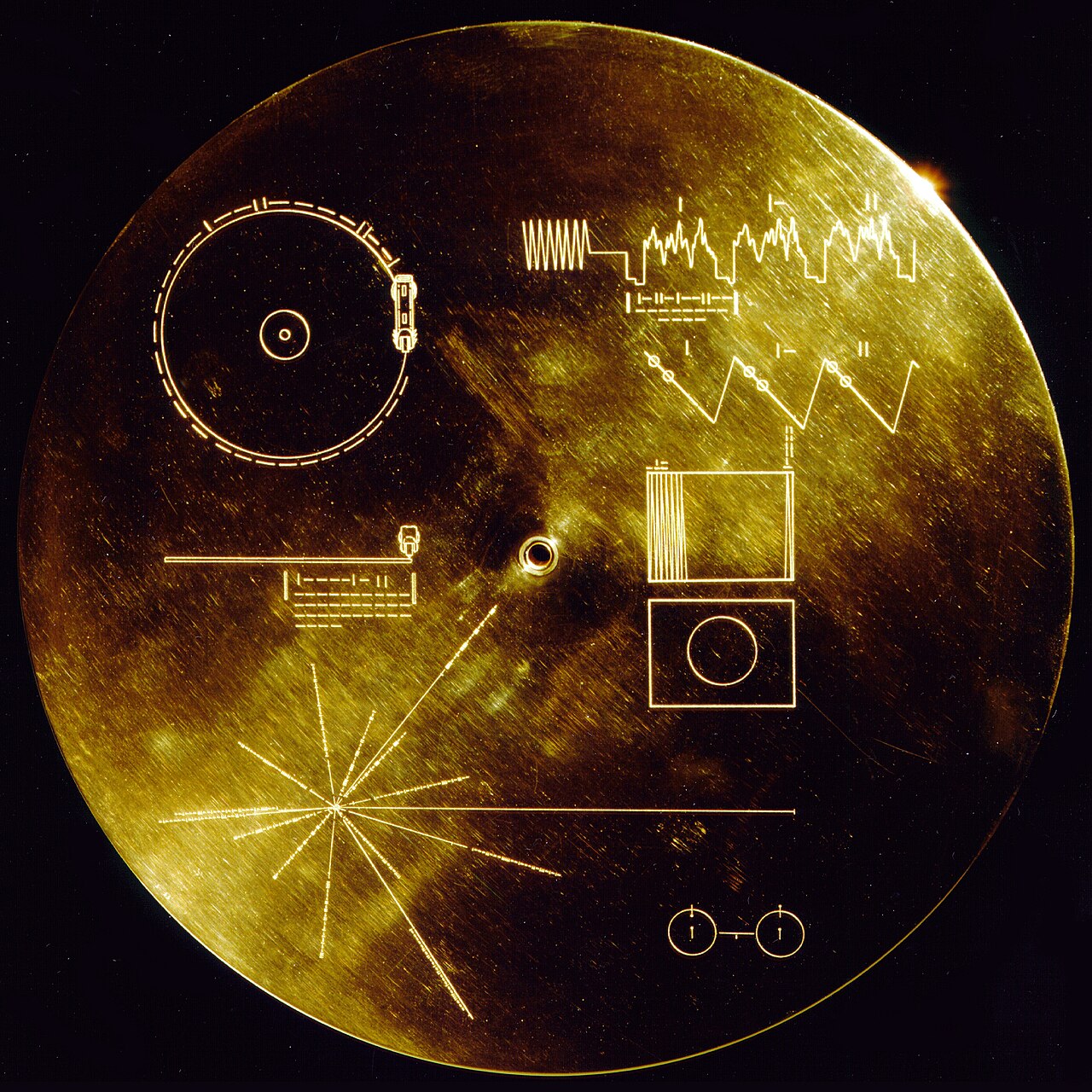
Voyager Golden Record
Committee chaired by Carl Sagan · 1977
 Artifact
Primary source
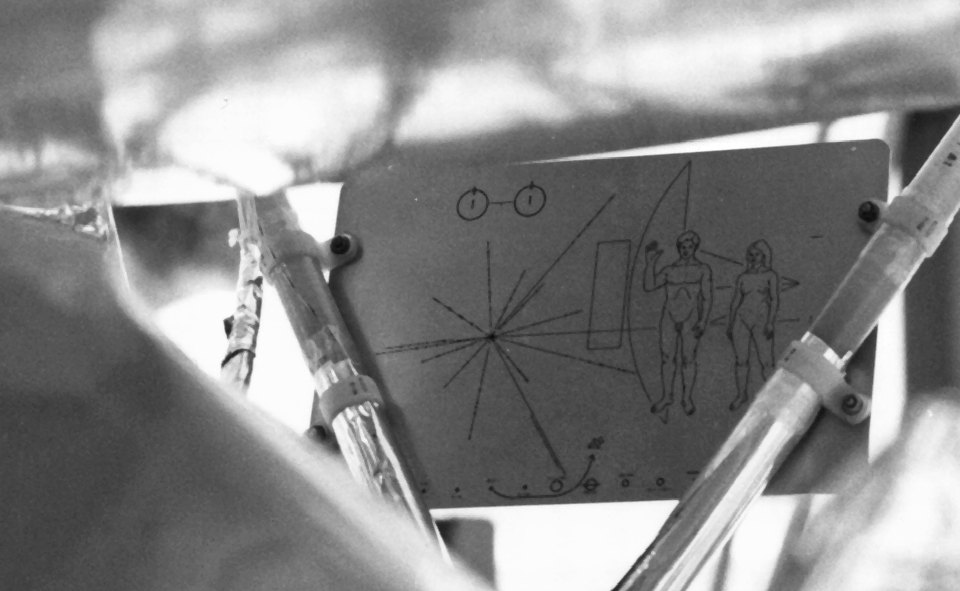
Pioneer Plaque
Carl Sagan and Frank Drake (artwork by Linda Salzman Sagan) · 1972
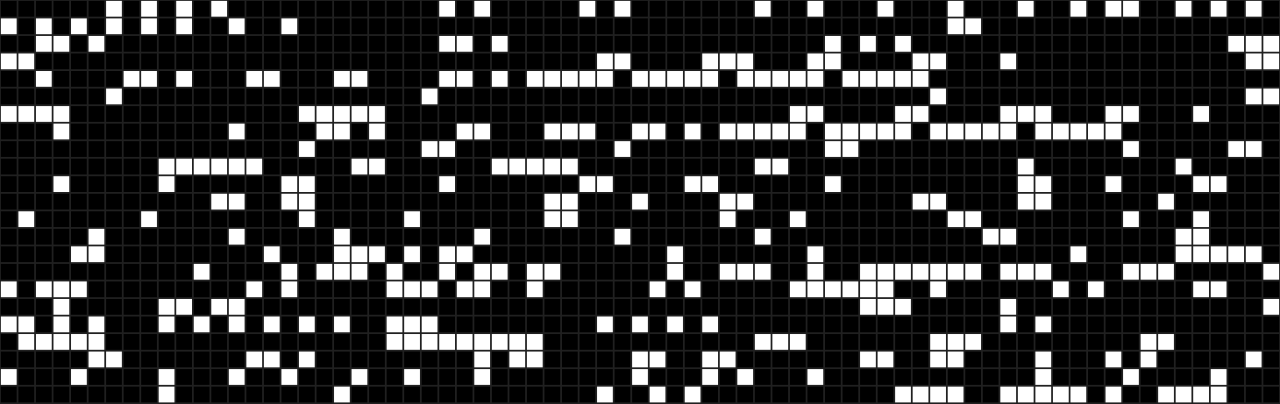 Document
Primary source
Arecibo Message
Frank Drake, James C. G. Walker, Linda M. French, Richard Isaacman, with contributions from Carl Sagan · 16 November 1974
Free account
Read every Carl Sagan source
Sign up free →
Ready when you are
Start chatting with Carl Sagan now.
20 messages free · No credit card · Available in 50+ languages.