


Primary sourceDocument21 March 1919
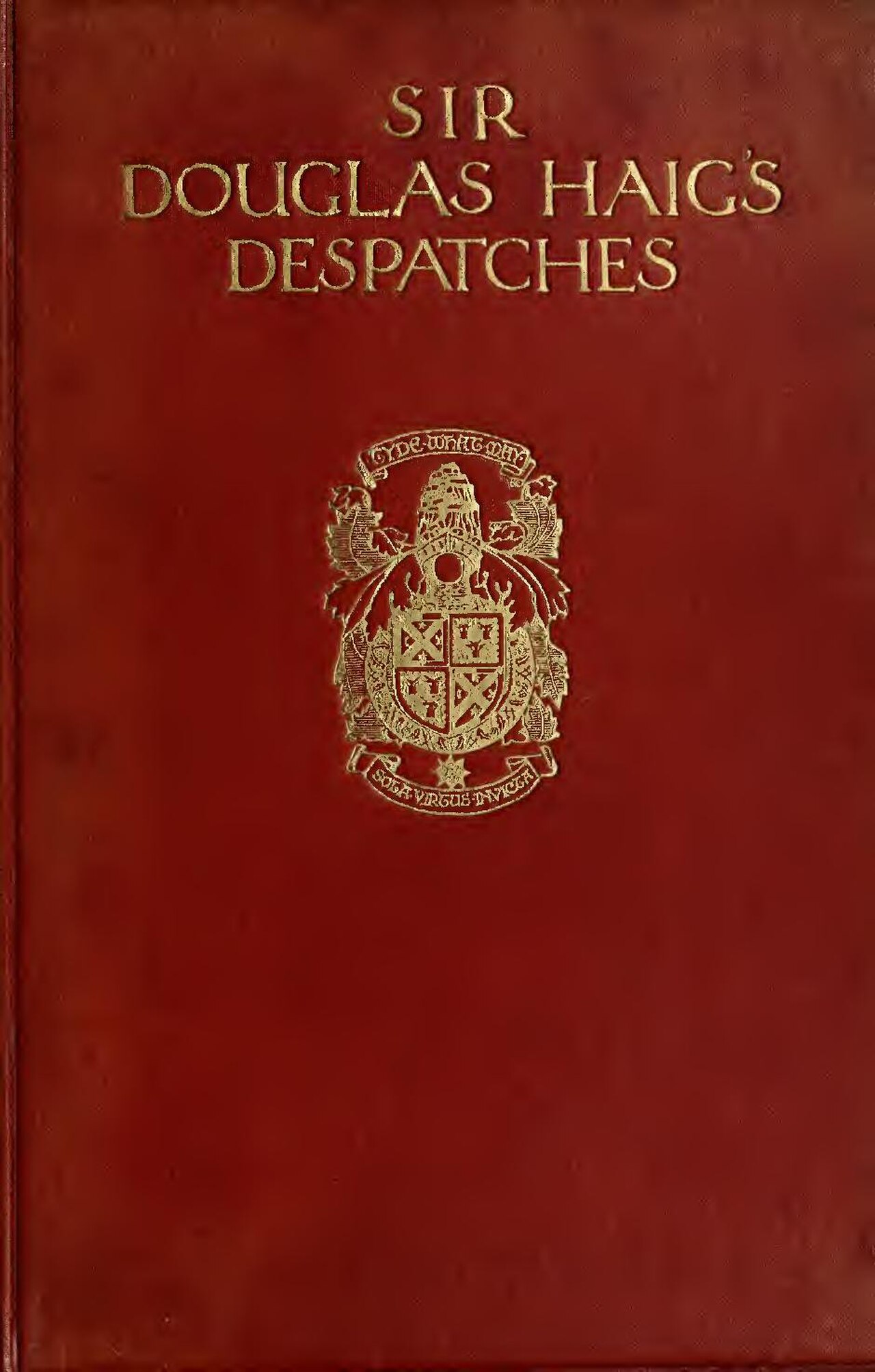
Final Despatch of Sir Douglas Haig
Douglas Haig · 21 March 1919
Haig's own official report of 21 March 1919, defending his conduct of the war's battles as one continuous campaign leading to victory in 1918.
Haig's own written defence of his strategy as commander-in-chief, submitted at the war's end.
About this source
What it is
This is the Final Despatch written by Field Marshal Douglas Haig, dated 21 March 1919, submitted as an official report on the operations of the forces under his command. It covers the campaigns from 1917 into the final year of the war and was published, with the text held among official war records.
Why it matters
Historians note that in this despatch Haig sought to shape how his leadership would be judged and to answer criticism in advance. As commander-in-chief of the British Expeditionary Force, his account presents the war's battles as linked stages of one long attritional struggle ending in the 1918 Allied victory. It is a primary example of a commander writing his own defence of decisions that cost many lives.
Look closer
- Why might a commander want to control how his own record of the war is written?
- What kind of language does Haig use to describe setbacks or losses?
- What questions would you want answered that a despatch like this does not address?
This document is part of the curated material that grounds the AI version of Field Marshal Douglas Haig on Humy.ai — when students ask about related events, the AI can quote it and cite it.
More Field Marshal Douglas Haig sources
Meet the AI Field Marshal Douglas Haig →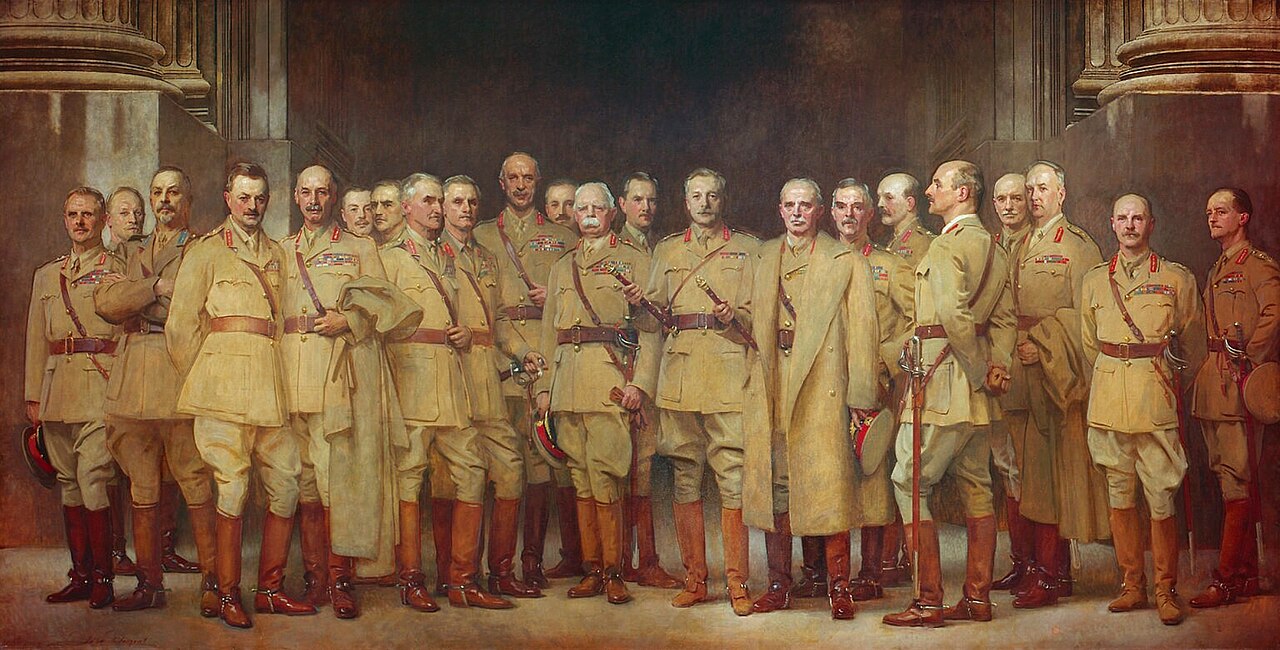 Painting
Primary source
General Officers of World War I
John Singer Sargent · 1922
 Painting
Primary source
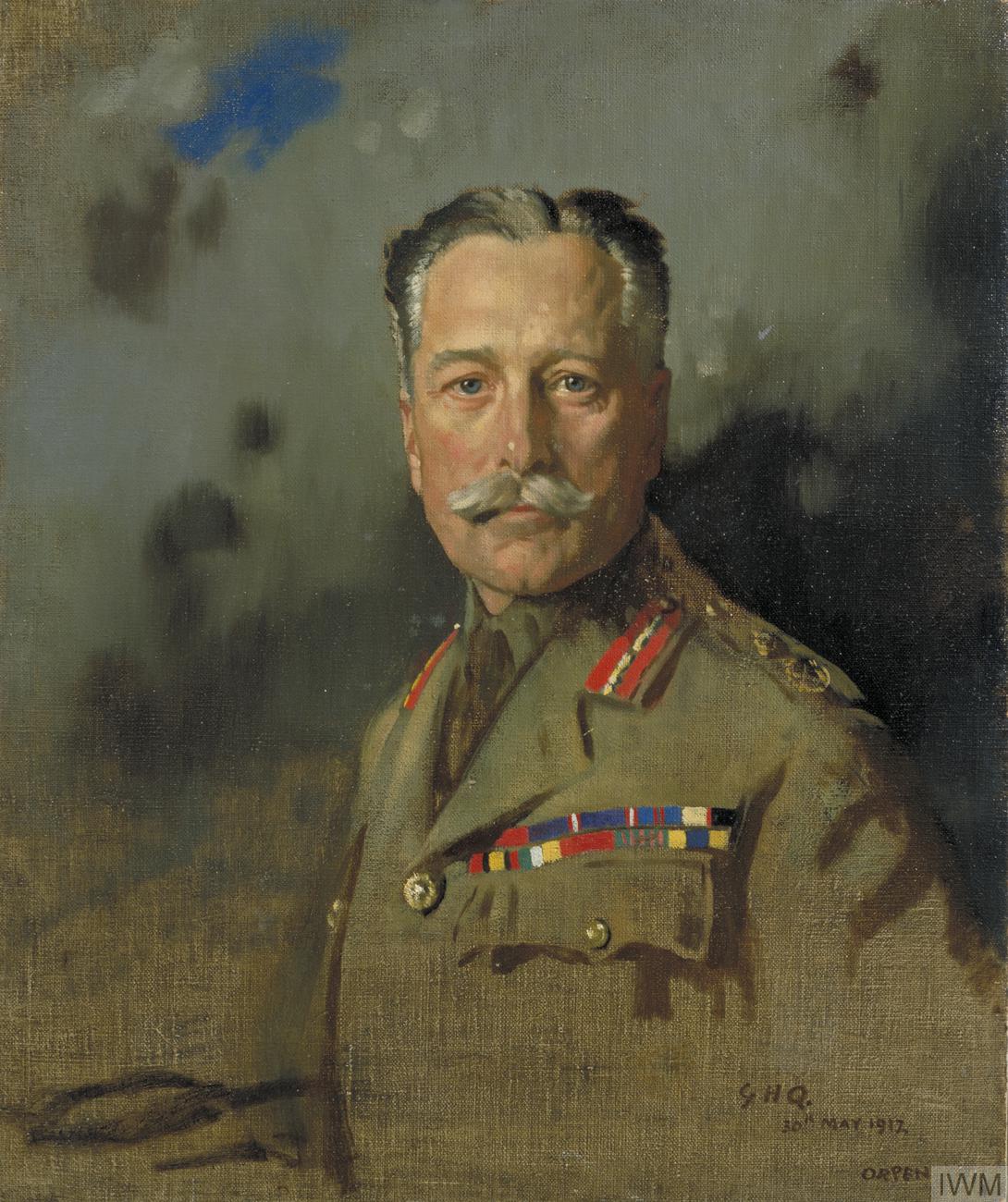
Field-Marshal Sir Douglas Haig, Commander-in-Chief, France
William Orpen · 1917
 Artifact
Primary source
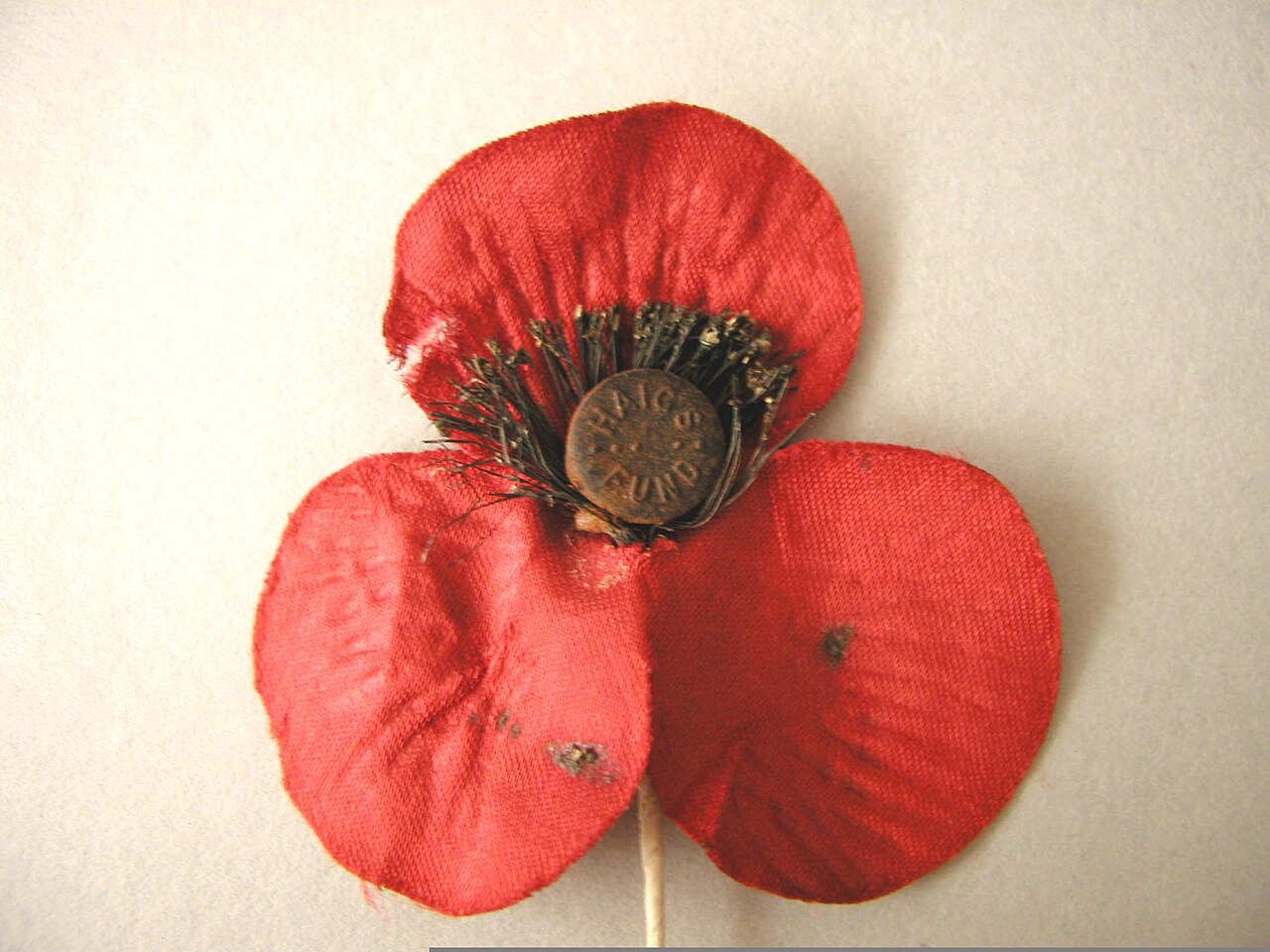
Haig Fund remembrance poppy
1921-1928
 Photograph
Primary source
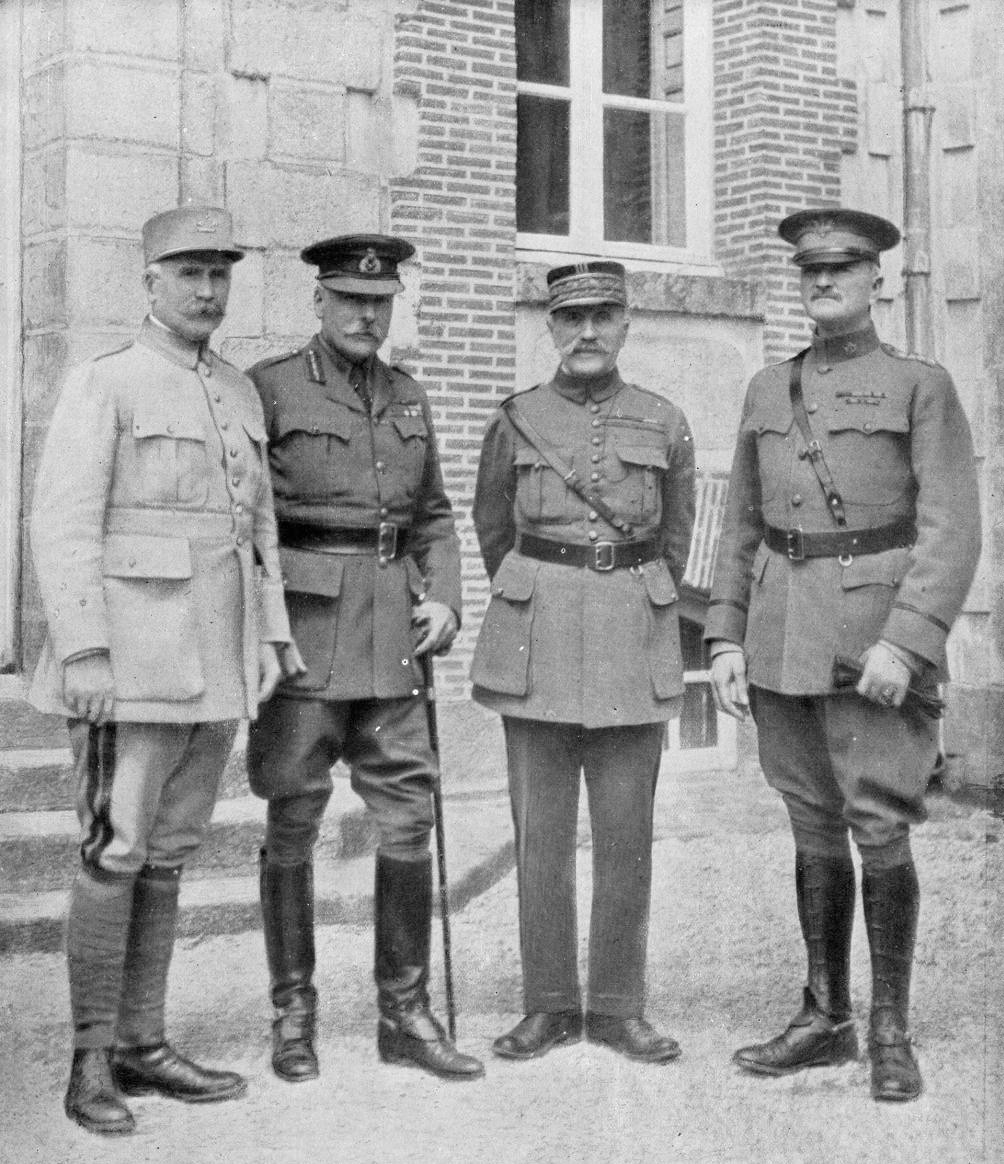
Foch, Pershing, Pétain and Haig
Clara E. Laughlin · 1918
 Photograph
Primary source
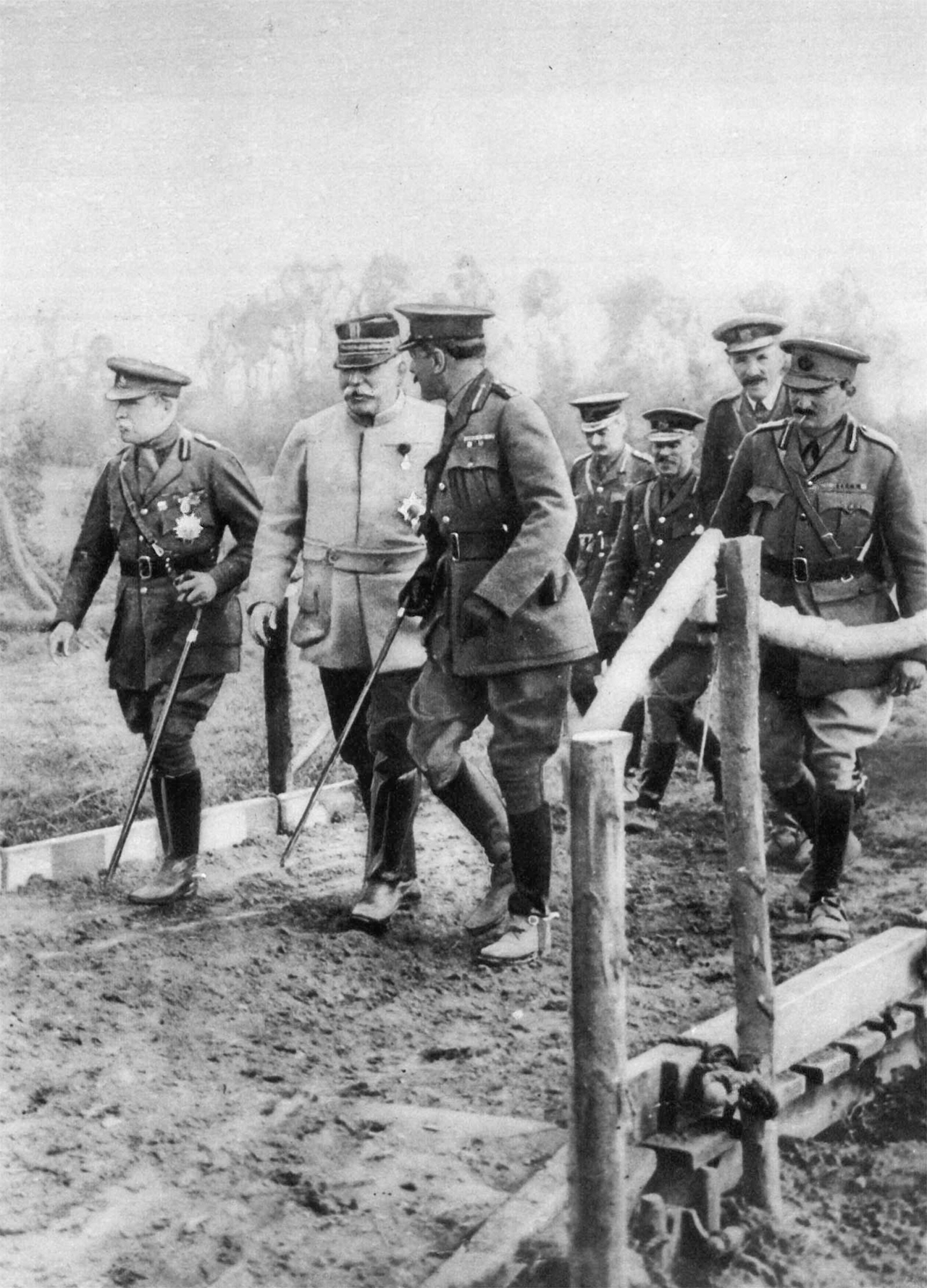
Generals French, Joffre and Haig at the Front
Unknown · 1915
Ready when you are
Start chatting with Field Marshal Douglas Haig now.
20 messages free · No credit card · Available in 50+ languages.