


Primary sourceArtifact16th century
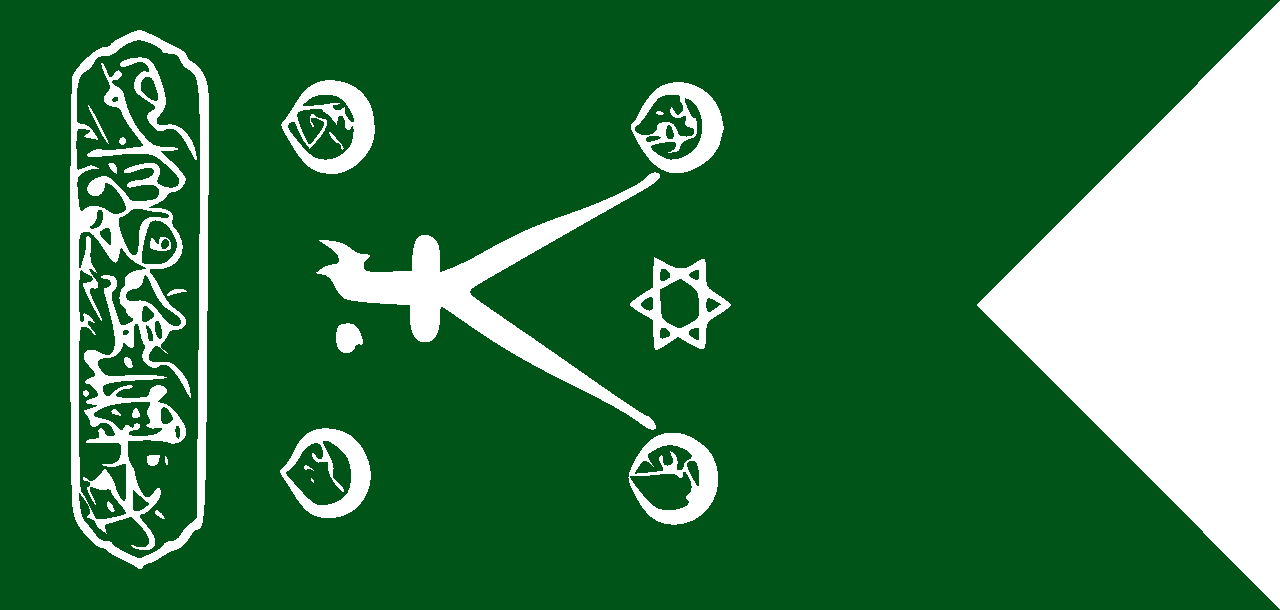
Flag of Hayreddin Barbarossa
16th century
A 16th-century banner traditionally attributed to Barbarossa, decorated with religious and Ottoman naval symbols.
A banner traditionally attributed to Barbarossa, linked to his command of the Ottoman fleet.
Free Humy account · No credit card · 120,912 sources to read
About this source
What it is
This green flag, held at the Istanbul Naval Museum, dates from the 16th century and is traditionally linked to Hayreddin Barbarossa. It carries white calligraphy, a star, small circular emblems, and the Zulfiqar motif, along with a swallowtail edge.
Why it matters
Flags like this one combined religious symbolism with the identity of an Ottoman fleet, and this example shows the kind of imagery flown by Barbarossa's ships. As an object tied to his command, it connects the admiral's naval power to the wider visual culture of the Ottoman navy in his era.
Look closer
- What do the symbols on the flag suggest about the beliefs and identity of the fleet that flew it?
- Why might a flag be useful evidence even though we can't be fully certain it belonged to Barbarossa?
- How might a flag like this have functioned at sea, beyond decoration?
This artifact is part of the curated material that grounds the AI version of Hayreddin Barbarossa on Humy.ai — when students ask about related events, the AI can quote it and cite it.
More Hayreddin Barbarossa sources
Browse all 47 →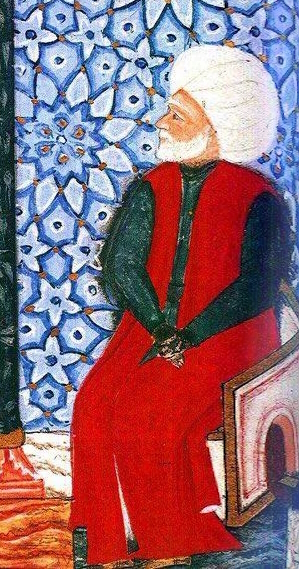 Painting
Primary source
Barbarossa Received by Süleyman I, Süleymanname
1558
 Painting
Primary source
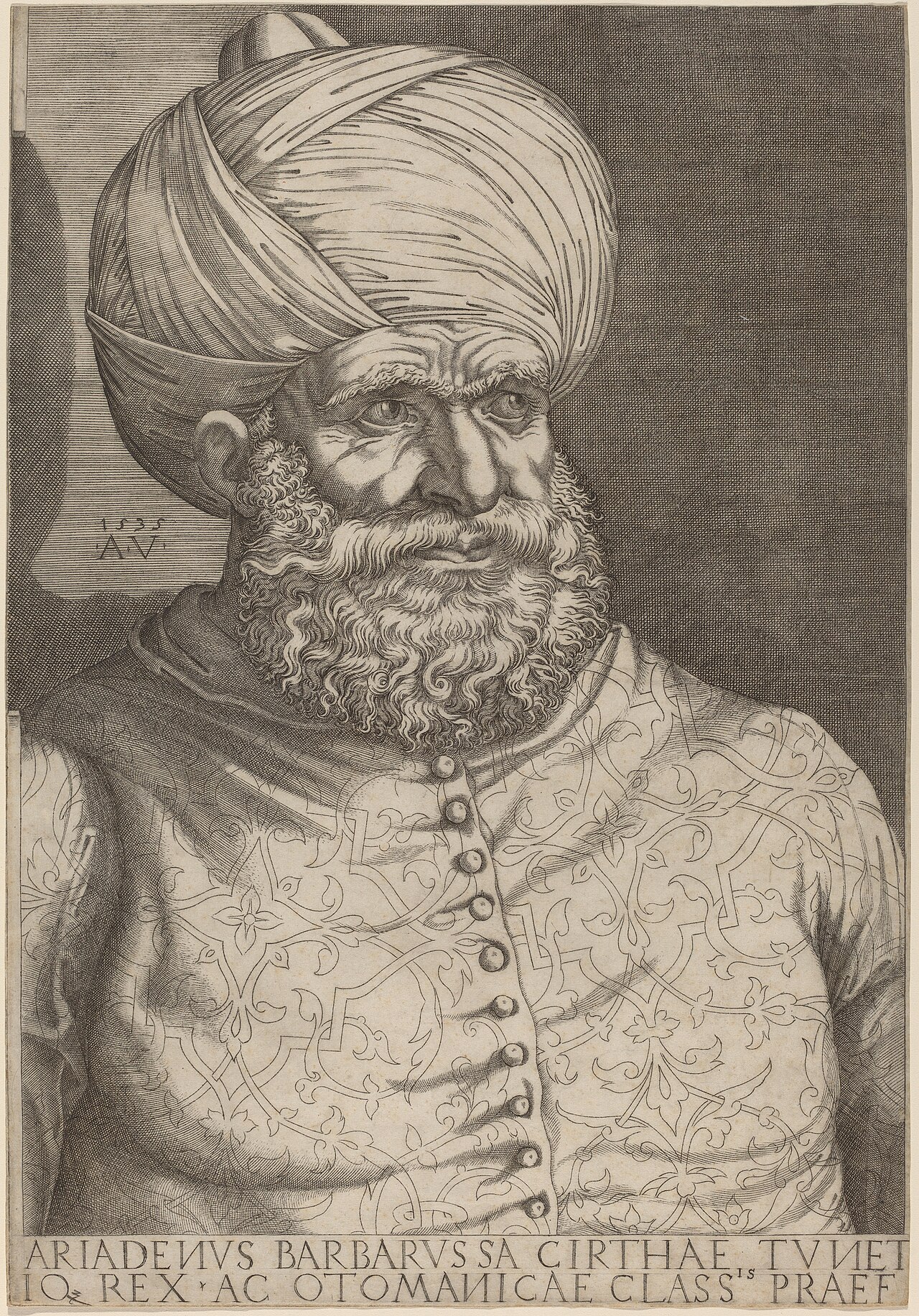
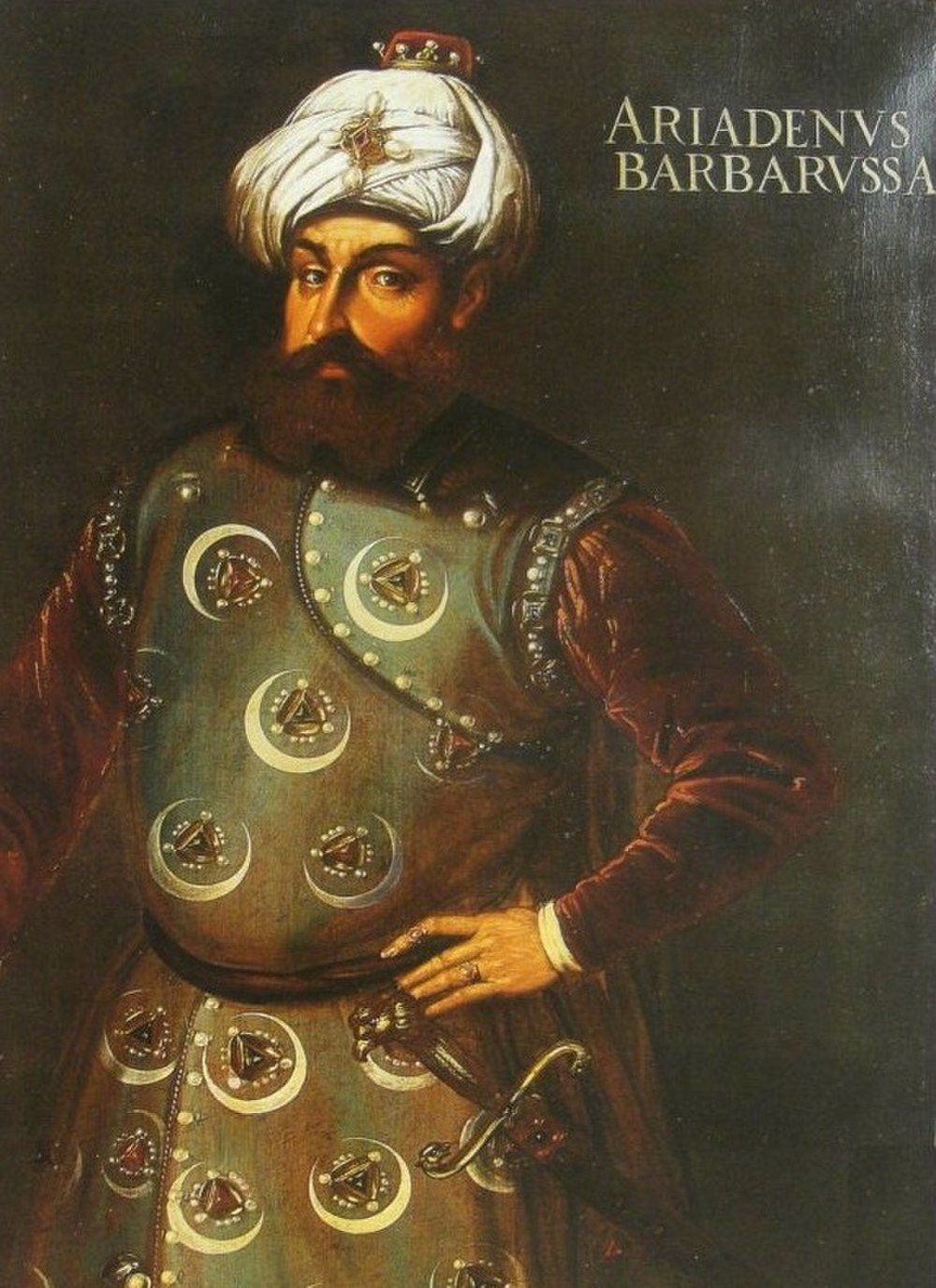
Portrait of Khair ad Din (Barbarossa)
Agostino Veneziano · 1535
 Artifact
Secondary source
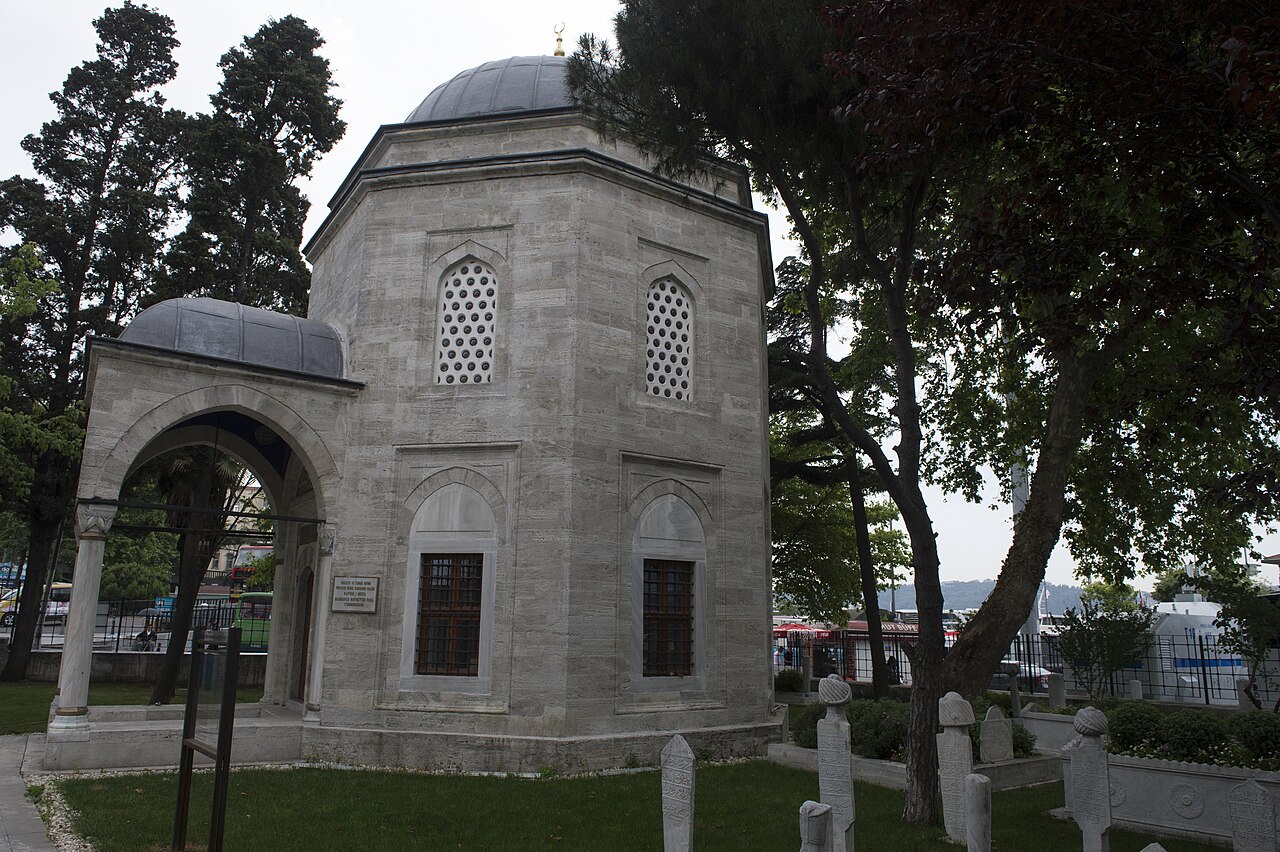
Tomb of Hayreddin Barbarossa
Mimar Sinan · 1541–1542
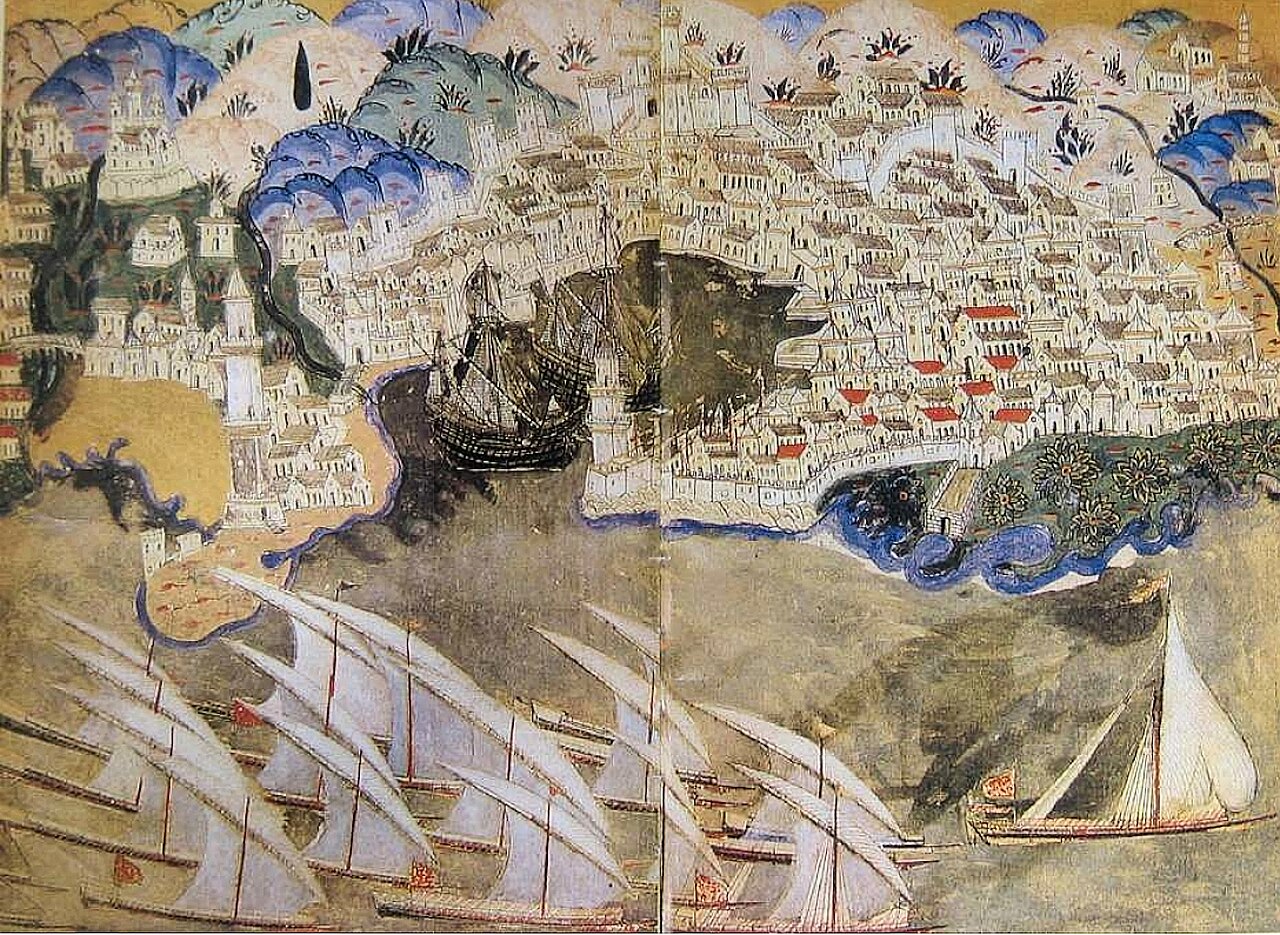 Painting
Primary source
Genoa, Tarih-i Feth-i Şikloş ve Estergon ve İstunibelgrad
Matrakçı Nasuh · c. 1545
Free account
Read every Hayreddin Barbarossa source
Sign up free →
Ready when you are
Start chatting with Hayreddin Barbarossa now.
20 messages free · No credit card · Available in 50+ languages.