


Primary sourceArtifact1963
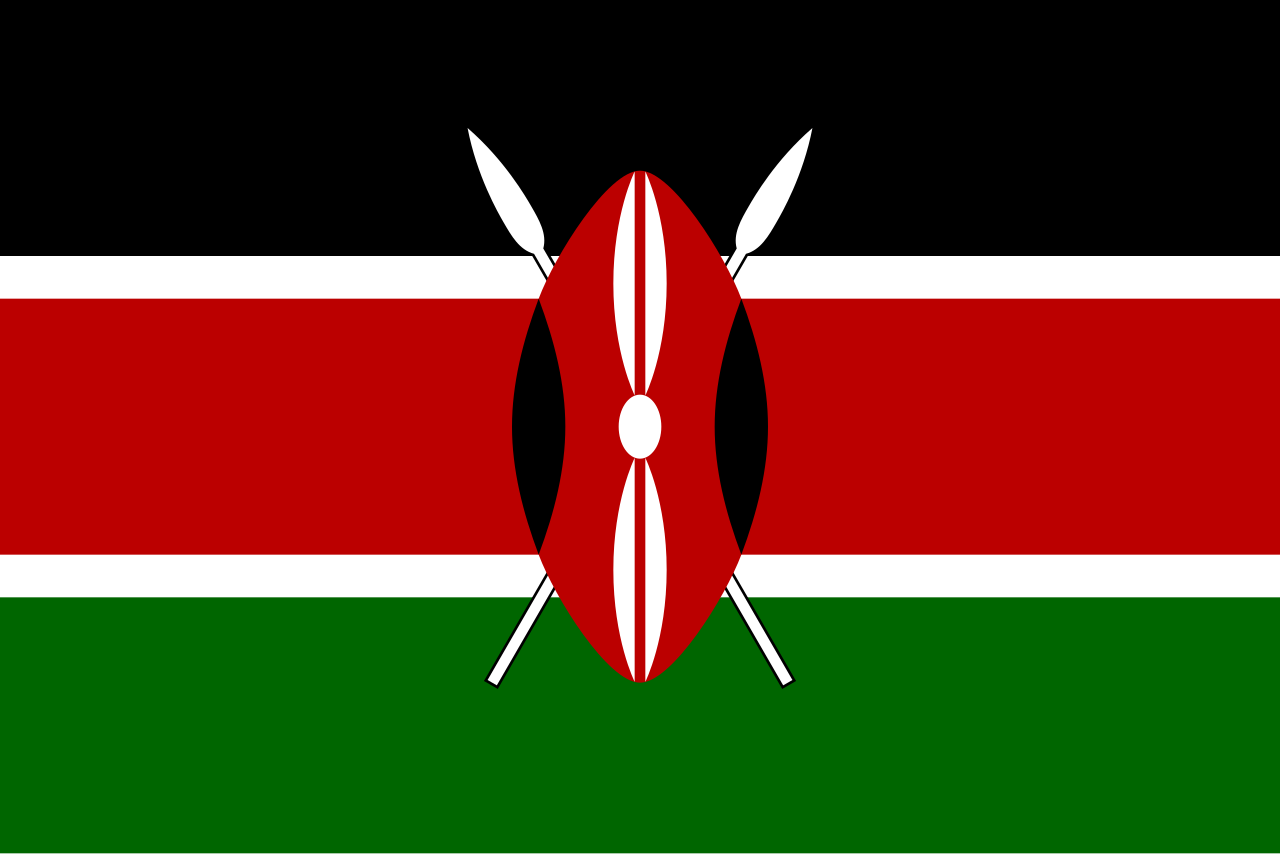
Flag of Kenya
1963
Kenya's national flag, adopted at independence in 1963; Mboya is credited with shaping the compromise design that avoided using a single party's flag.
Mboya helped shape the compromise behind this flag's design, resisting pressure to adopt a single party's flag as the national symbol.
About this source
What it is
This is the national flag of Kenya, a tricolour of black, red and green with white edges and a Maasai shield crossed with spears. It was officially adopted on 12 December 1963 when Kenya became independent, developed from the flags of the rival parties KANU and KADU.
Why it matters
Tom Mboya, one of Kenya's founding fathers, argued against simply using the ruling party KANU's flag as the national flag, warning this would deepen political division. A committee set up by Jomo Kenyatta then combined elements of both KANU's and KADU's flags into a compromise all sides could accept. The flag shows how newly independent nations had to balance party rivalry against national unity, and Mboya's role in that debate reveals his focus on holding the country together.
Look closer
- Why might combining two party flags help unify a new country?
- What do the colours and symbols on the flag represent?
- What political tensions does this compromise design hint at?
This artifact is part of the curated material that grounds the AI version of Tom Mboya on Humy.ai — when students ask about related events, the AI can quote it and cite it.
More Tom Mboya sources
Browse all 8 →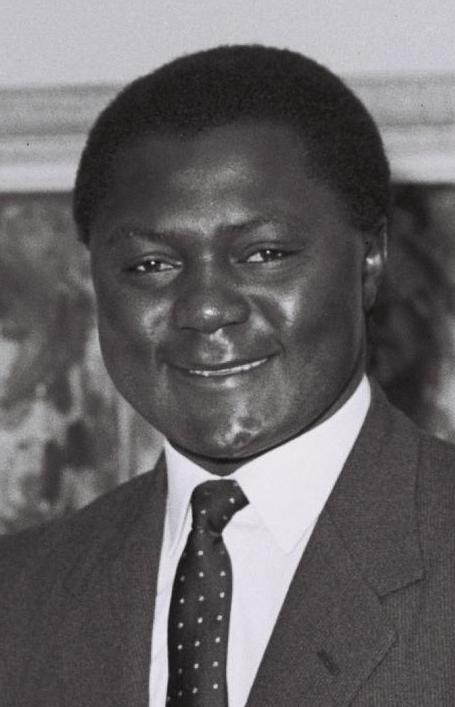 Photograph
Primary source
Portrait of Tom Mboya
1962
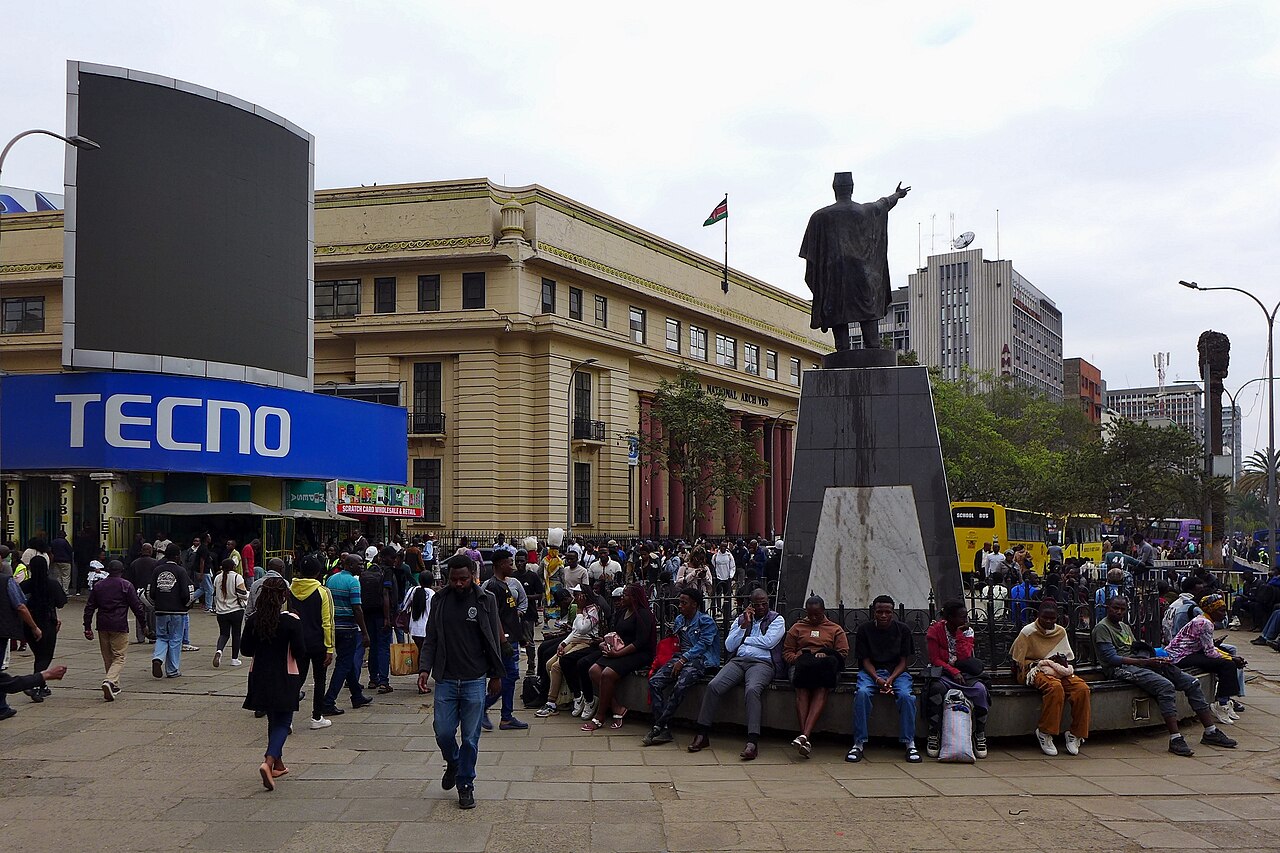 Sculpture
Secondary source
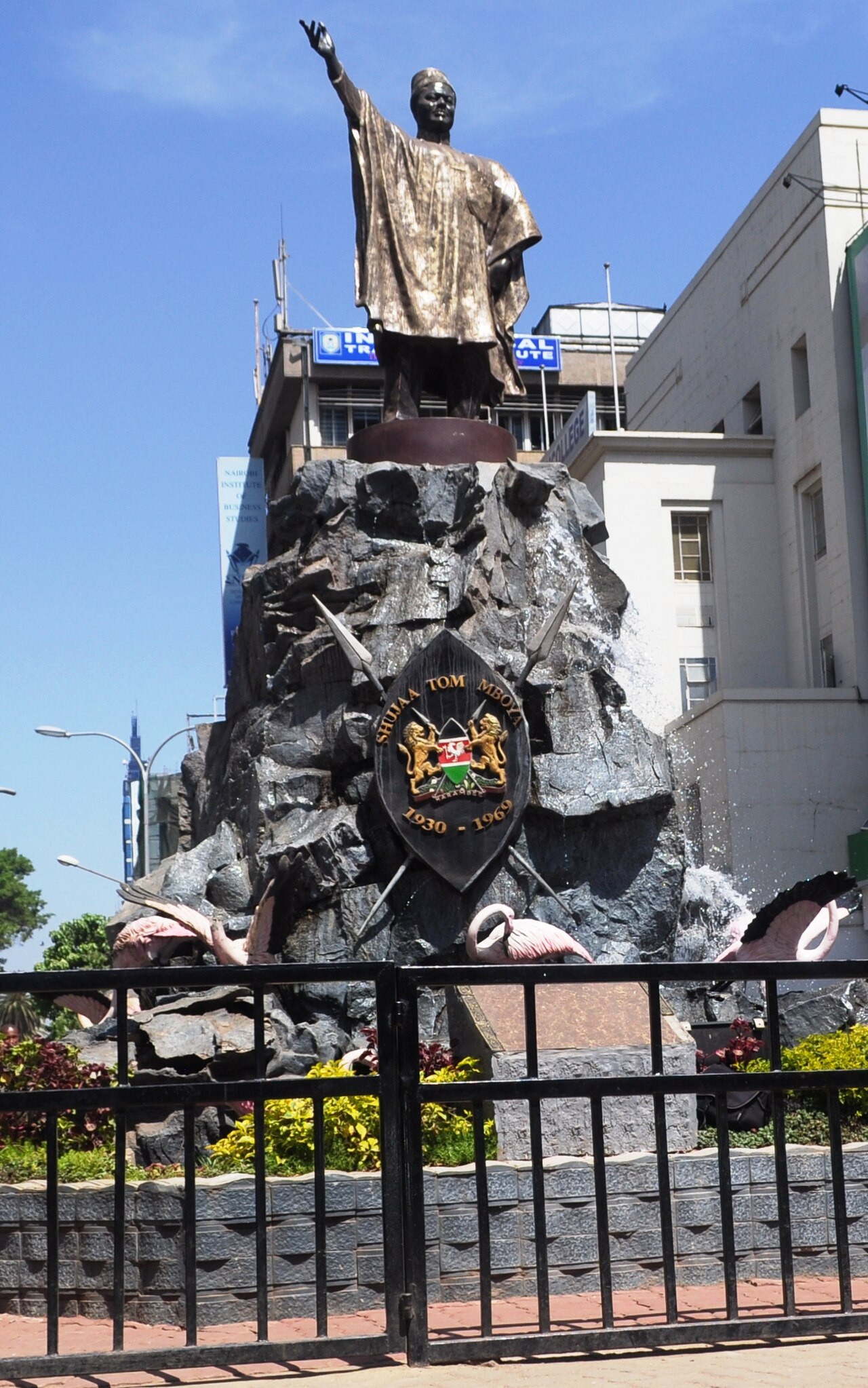
Tom Mboya Monument
Bahnfrend · 2025-08-05
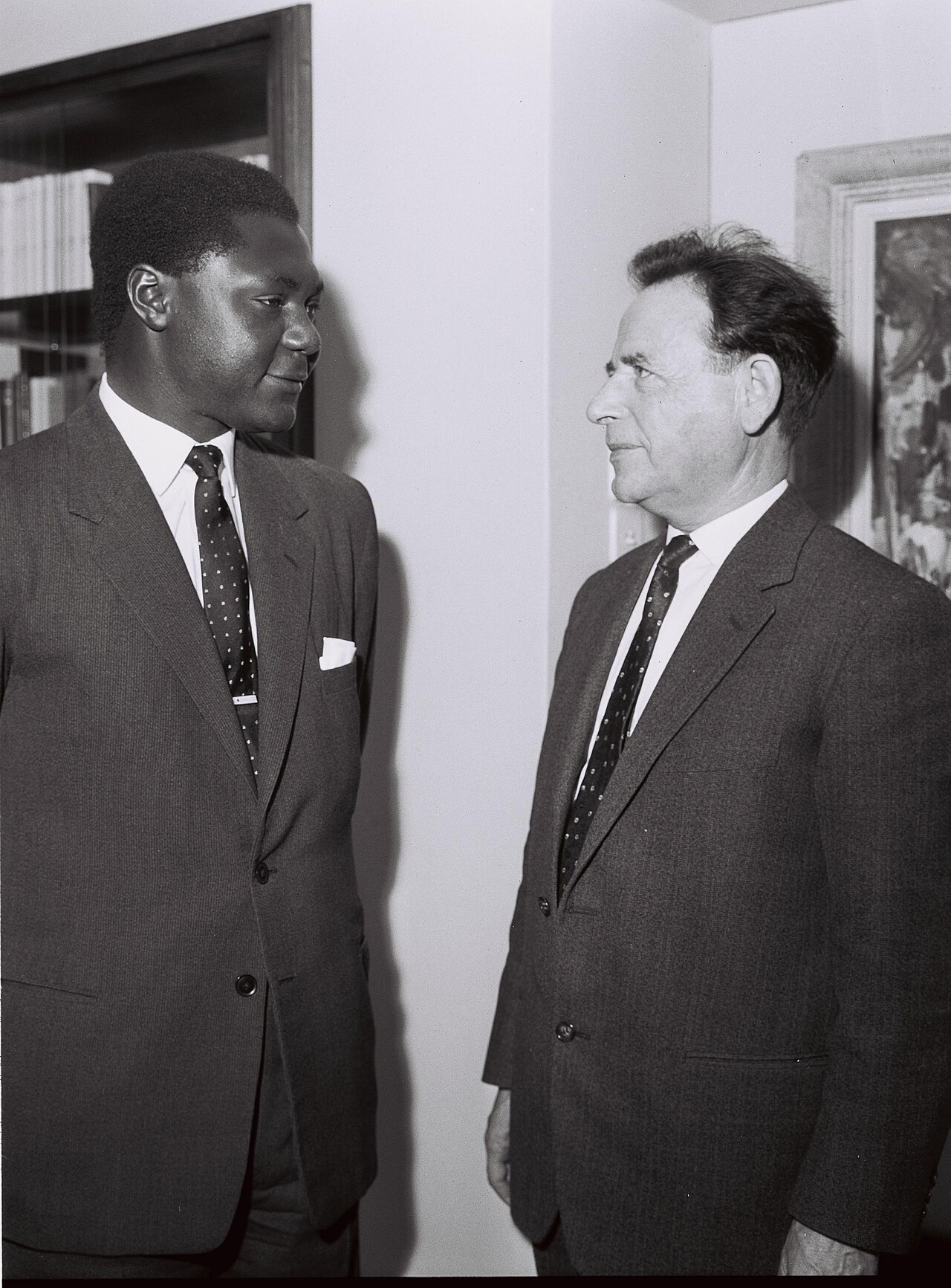 Photograph
Primary source
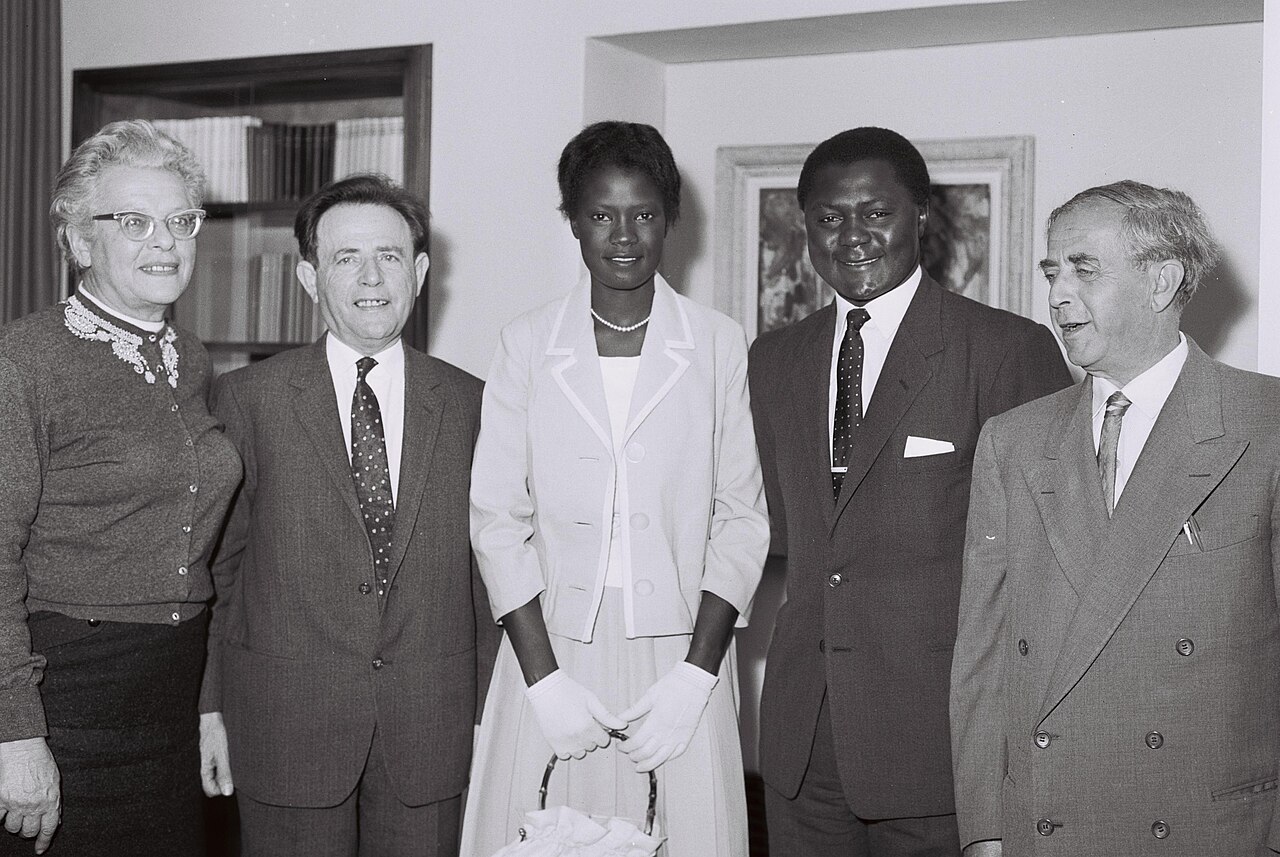
Tom Mboya with Aharon Becker
1962
 Photograph
Primary source
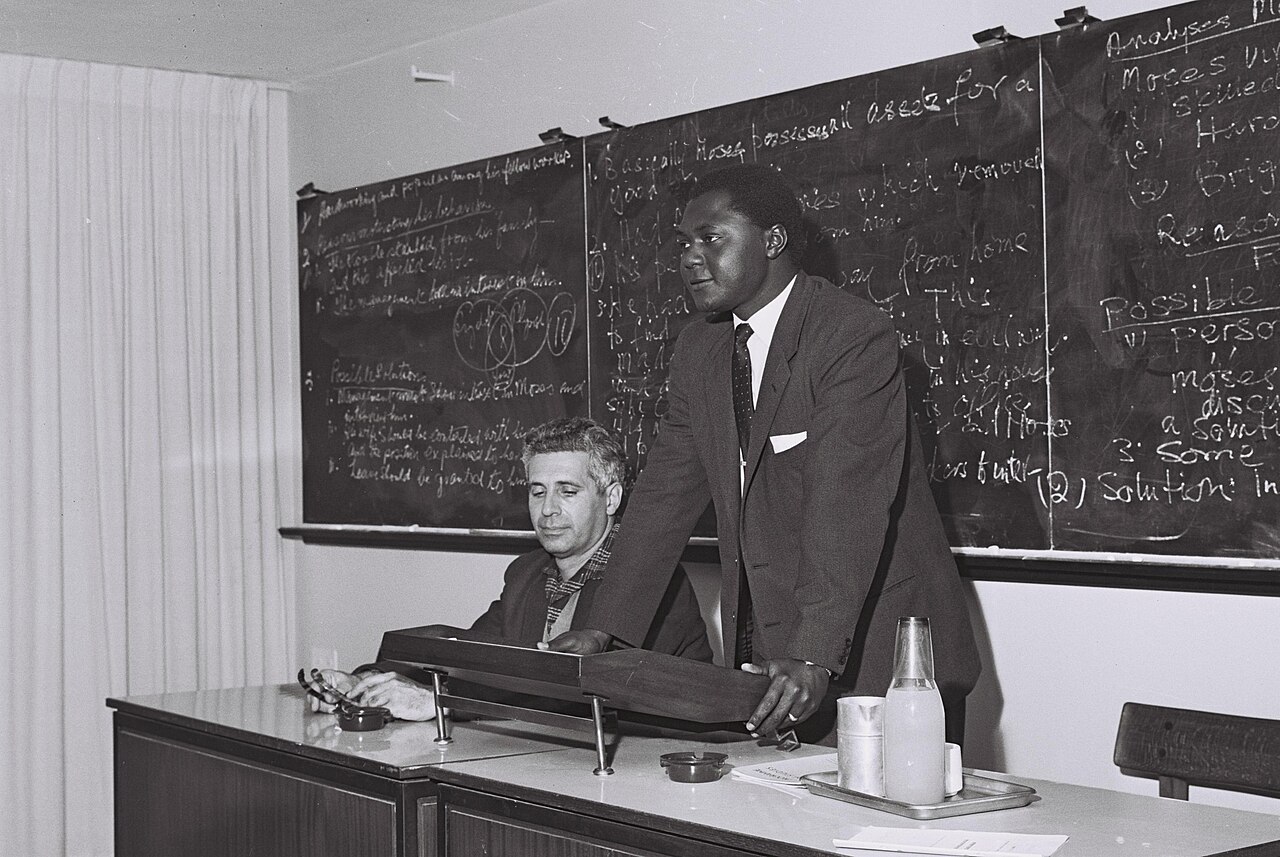
Tom Mboya Lecturing at the Afro-Asian Institute
Moshe Pridan · 1962

Free account
Read every Tom Mboya source
Sign up free →
Ready when you are
Start chatting with Tom Mboya now.
20 messages free · No credit card · Available in 50+ languages.