


Primary sourceArtifact1926
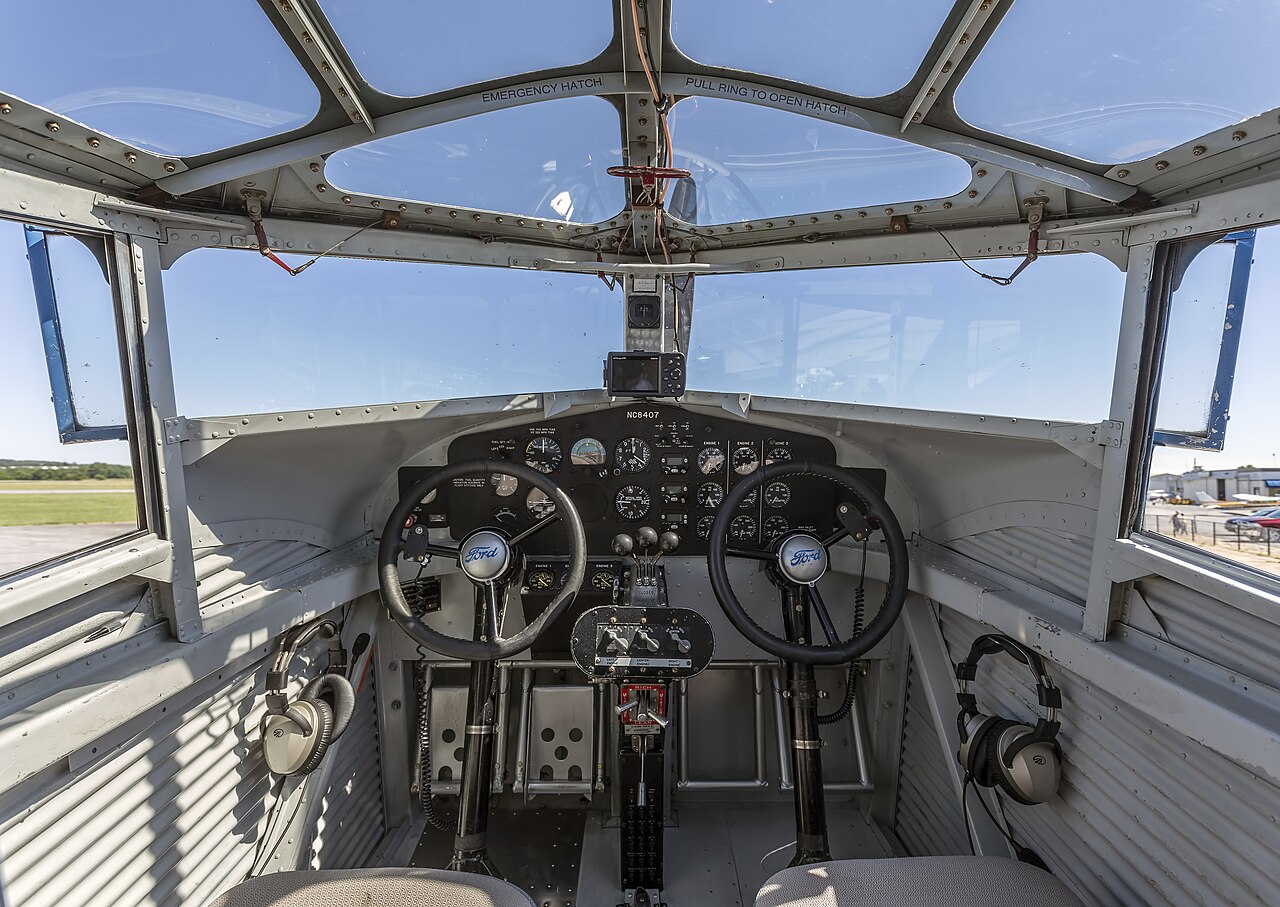
Ford Trimotor
Ford Motor Company (Stout Metal Airplane Division) · 1926
An all-metal airliner built by Ford's aviation division in 1926, showing his expansion from cars into air travel.
Ford's company built this aircraft, marking his venture into aviation alongside cars and tractors.
About this source
What it is
The Ford Trimotor, nicknamed the 'Tin Goose', is a three-engined transport aircraft first flown in 1926 by the Stout Metal Airplane Division of the Ford Motor Company. Examples are preserved at The Henry Ford museum and the Smithsonian National Air and Space Museum.
Why it matters
Henry Ford's company did not only make cars and tractors; it also moved into building aircraft for commercial passenger travel. The Trimotor's sturdy metal construction helped make air travel more practical and reliable, reflecting Ford's broader ambition to apply mass production to many kinds of transport.
- What does the cockpit's design tell you about how pilots flew this plane?
- Why would Ford, already successful with cars, choose to invest in airplanes too?
- What clues in the photo show this was an early, experimental era of aviation?
This artifact is part of the curated material that grounds the AI version of Henry Ford on Humy.ai — when students ask about related events, the AI can quote it and cite it.
More Henry Ford sources
Meet the AI Henry Ford →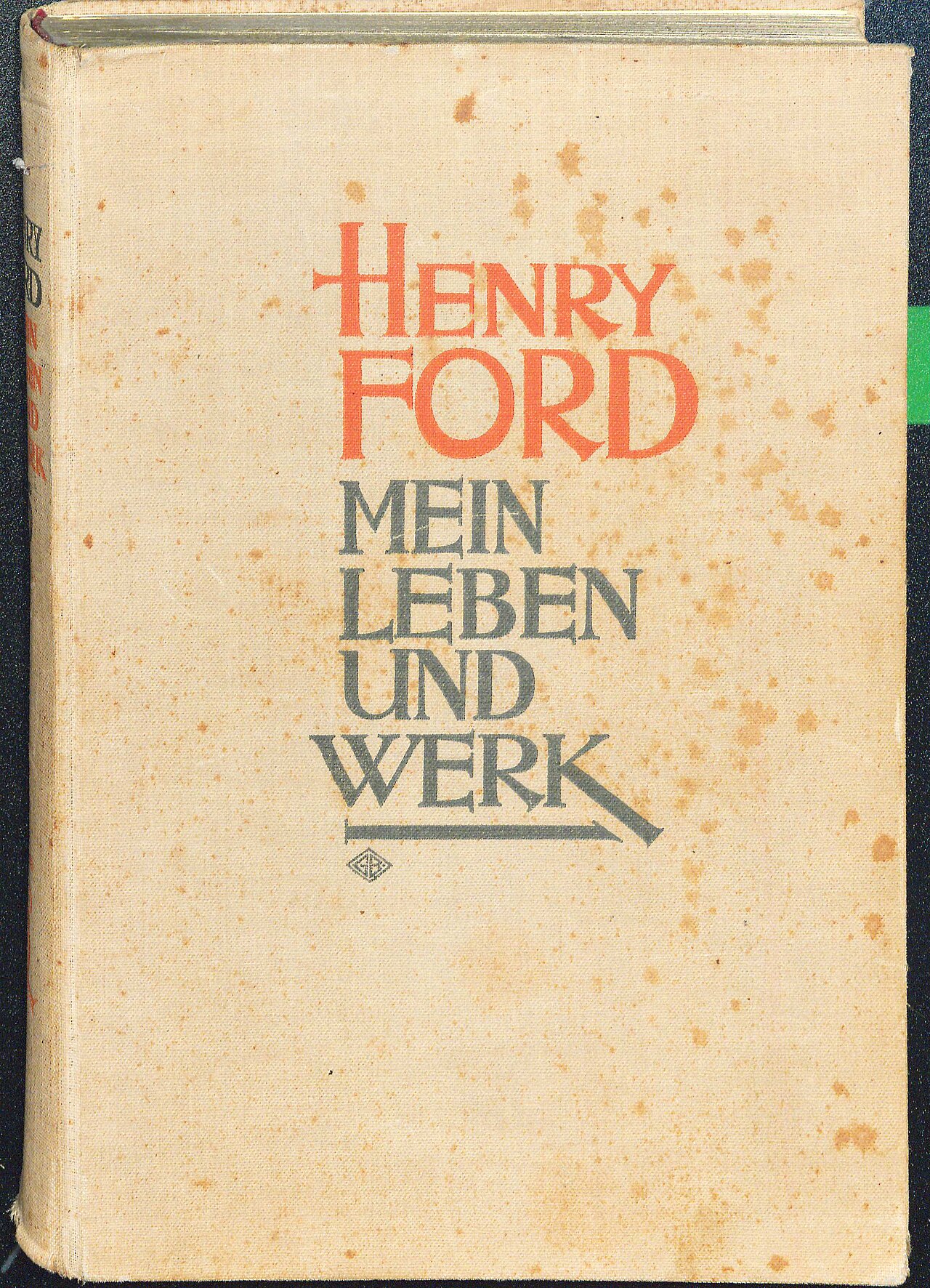 Book
Primary source
My Life and Work
Henry Ford · 1922
 Photograph
Primary source
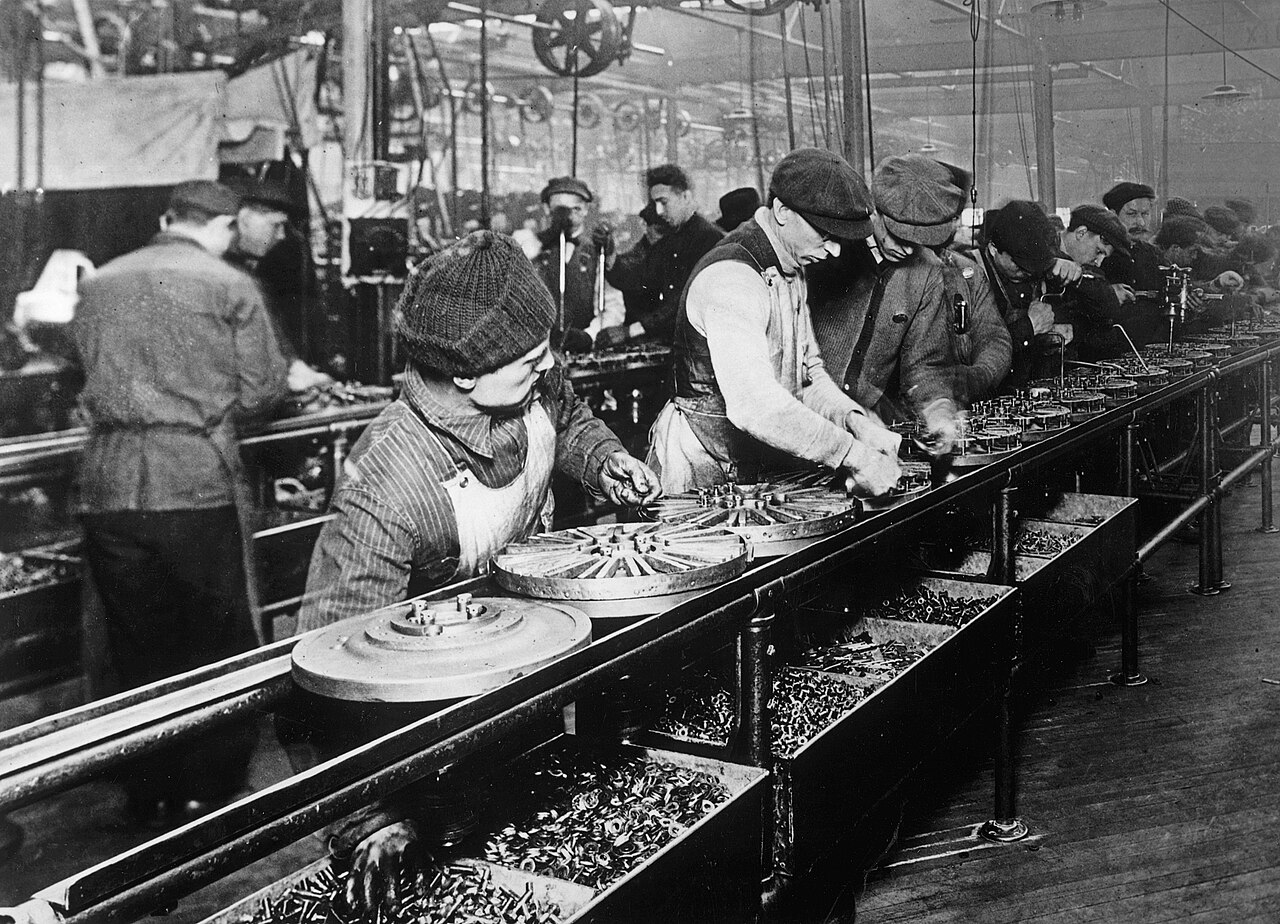
Ford Assembly Line, 1913
Unknown · 1913
 Artifact
Primary source
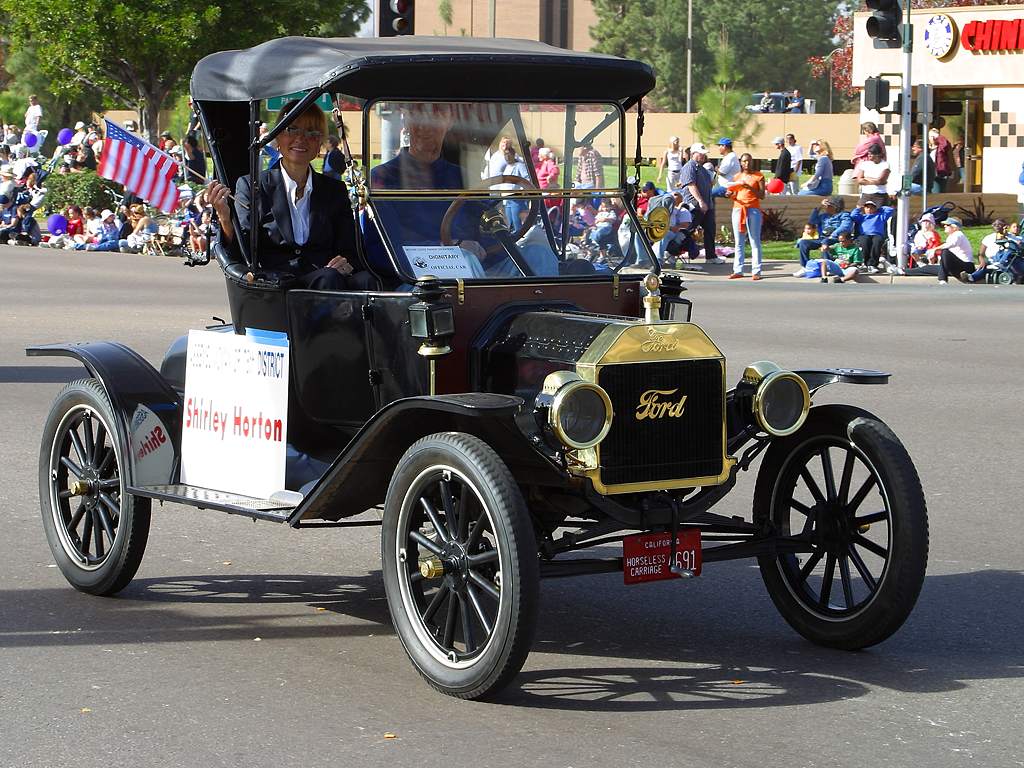
Ford Model T
Joseph A. Galamb, Eugene Farkas, Childe Harold Wills · 1908
 Book
Primary source
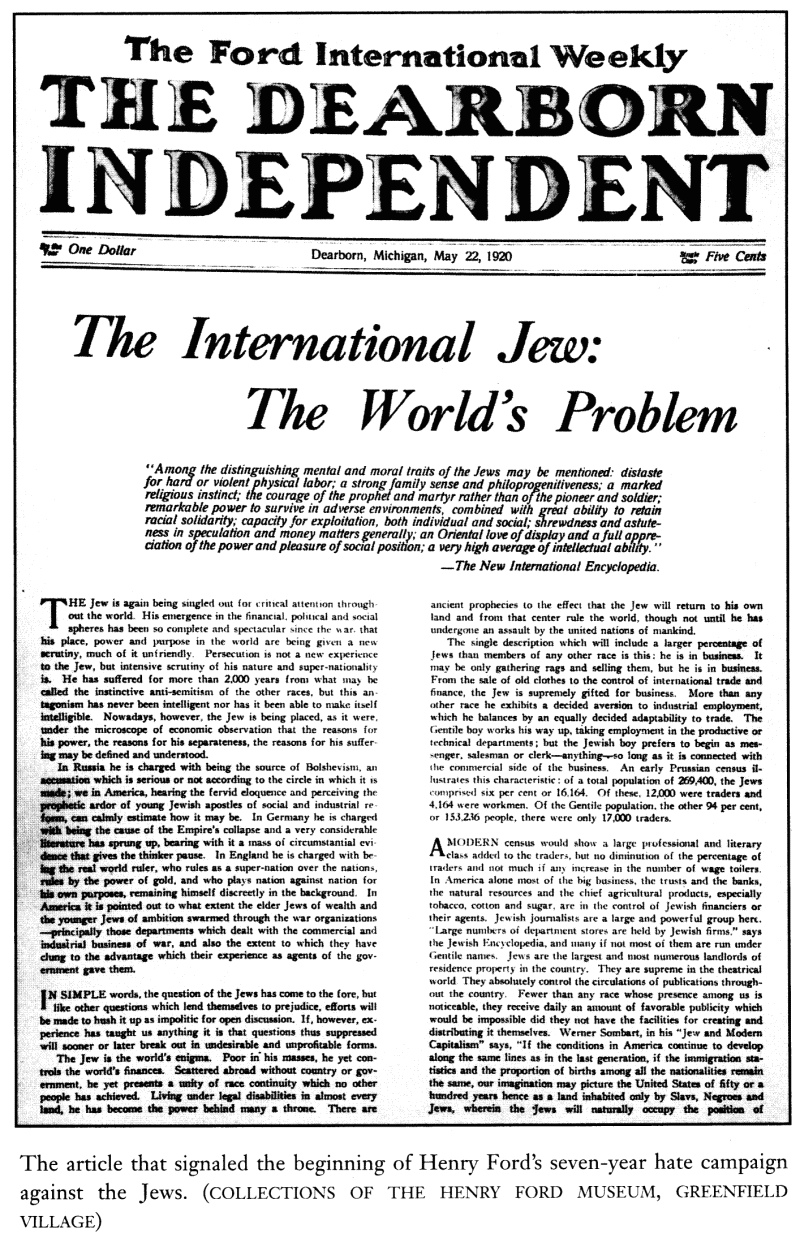
The International Jew
Henry Ford (publisher); William J. Cameron (writer) · 1920-1922
 Newspaper article
Primary source
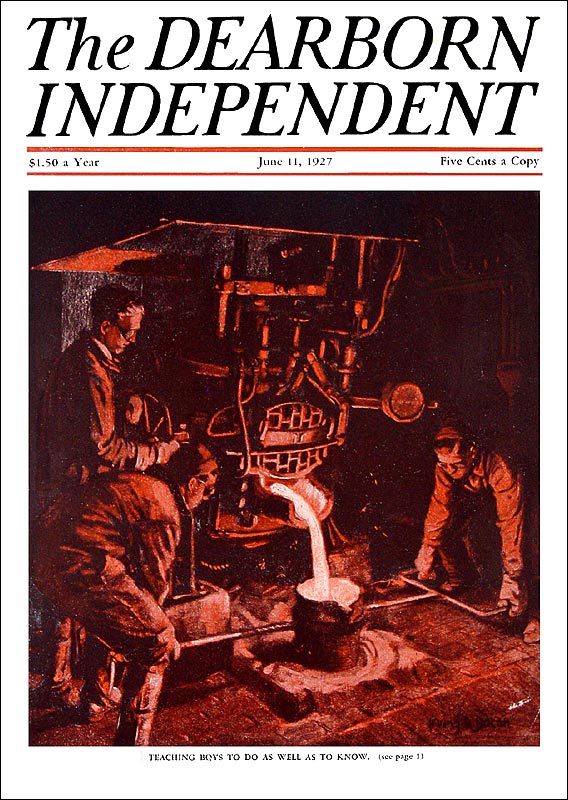
The Dearborn Independent
William J. Cameron (editor); owned by Henry Ford · 1919-1927
Ready when you are
Start chatting with Henry Ford now.
20 messages free · No credit card · Available in 50+ languages.