


Primary sourceArtifact1625
Fort Amsterdam
Kryn Fredericksen · 1625
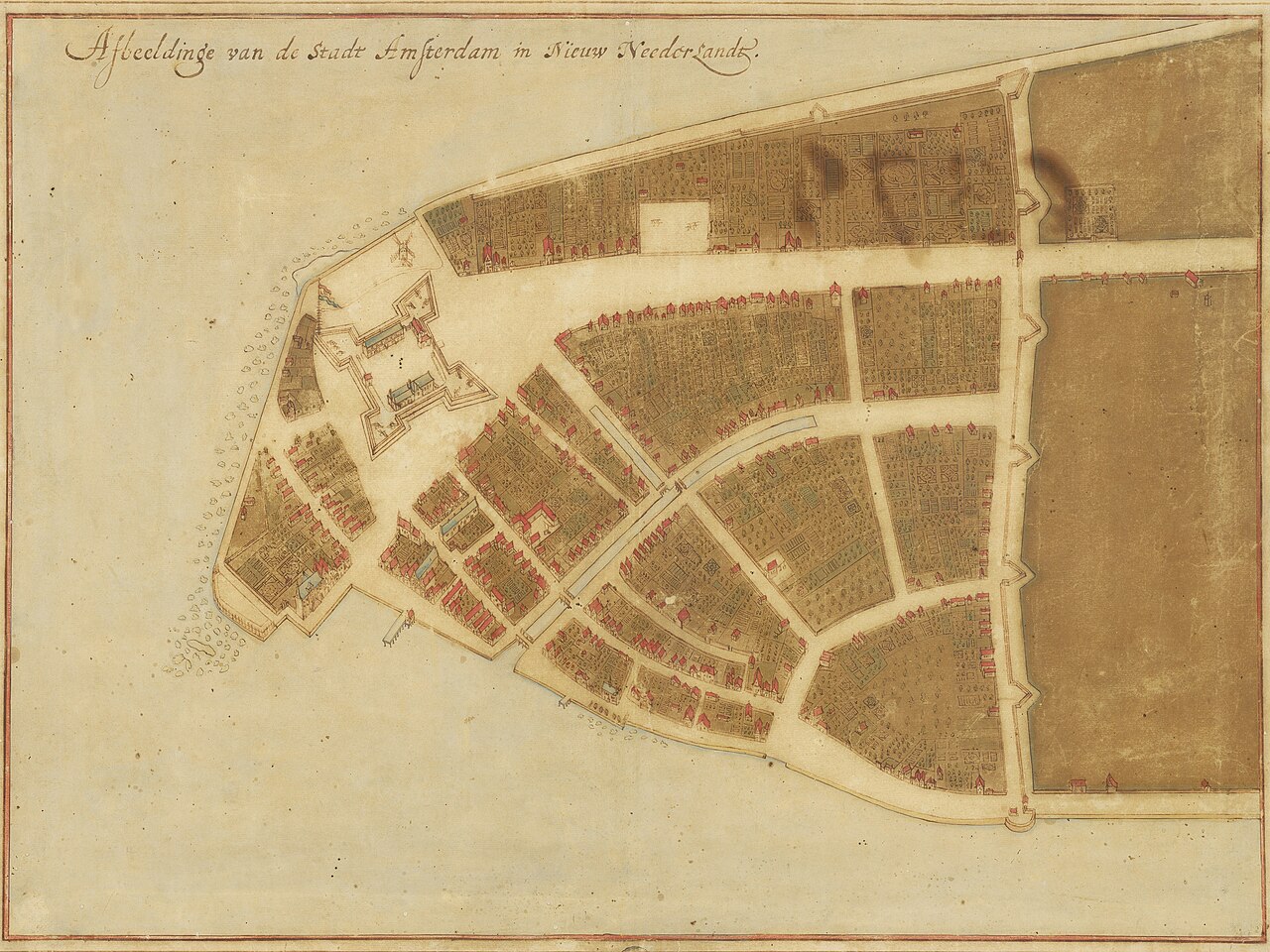
The fortification on Manhattan that served as Stuyvesant's seat of government and the site of his 1664 surrender of New Netherland to the English.
Lovelace governed from this fort, and its surrender to a Dutch fleet in 1673 ended his career in disgrace.
About this source
What it is
Fort Amsterdam was a fortification built from 1625 on the southern tip of Manhattan Island, designed by engineer Kryn Fredericksen. It served as the administrative headquarters for Dutch rule of New Netherland and later British rule of New York, before being torn down in 1790. Enslaved Africans were used in its construction starting in 1626. A 1660 map by cartographer Johannes Vingboons, based on surveys by Jacques Cortelyou, shows the fort's star shape within the street plan of New Amsterdam.
Why it matters
This fort was Peter Stuyvesant's seat of power as Director-General. It was here that he initially rejected an English surrender demand, and from here that he ultimately surrendered the colony to Richard Nicolls in 1664, ending Dutch rule in New Netherland. The fort's construction and daily operation also depended on enslaved labor, a reminder of slavery's role in the colony Stuyvesant governed.
Look closer
- What does the fort's star shape and location tell us about its defensive purpose?
- Why might Stuyvesant have resisted surrendering the fort before eventually giving in?
- What does the map leave out about the people, including enslaved people, who built and lived around the fort?
This artifact is part of the curated material that grounds the AI version of Francis Lovelace and Peter Stuyvesant on Humy.ai — when students ask about related events, the AI can quote it and cite it.
More Francis Lovelace sources
Meet the AI Francis Lovelace → Document
Primary source
Minutes of the Executive Council of the Province of New York, Administration of Francis Lovelace
Council of the Province of New York under Francis Lovelace · 1668–1673
 Artifact
Secondary source
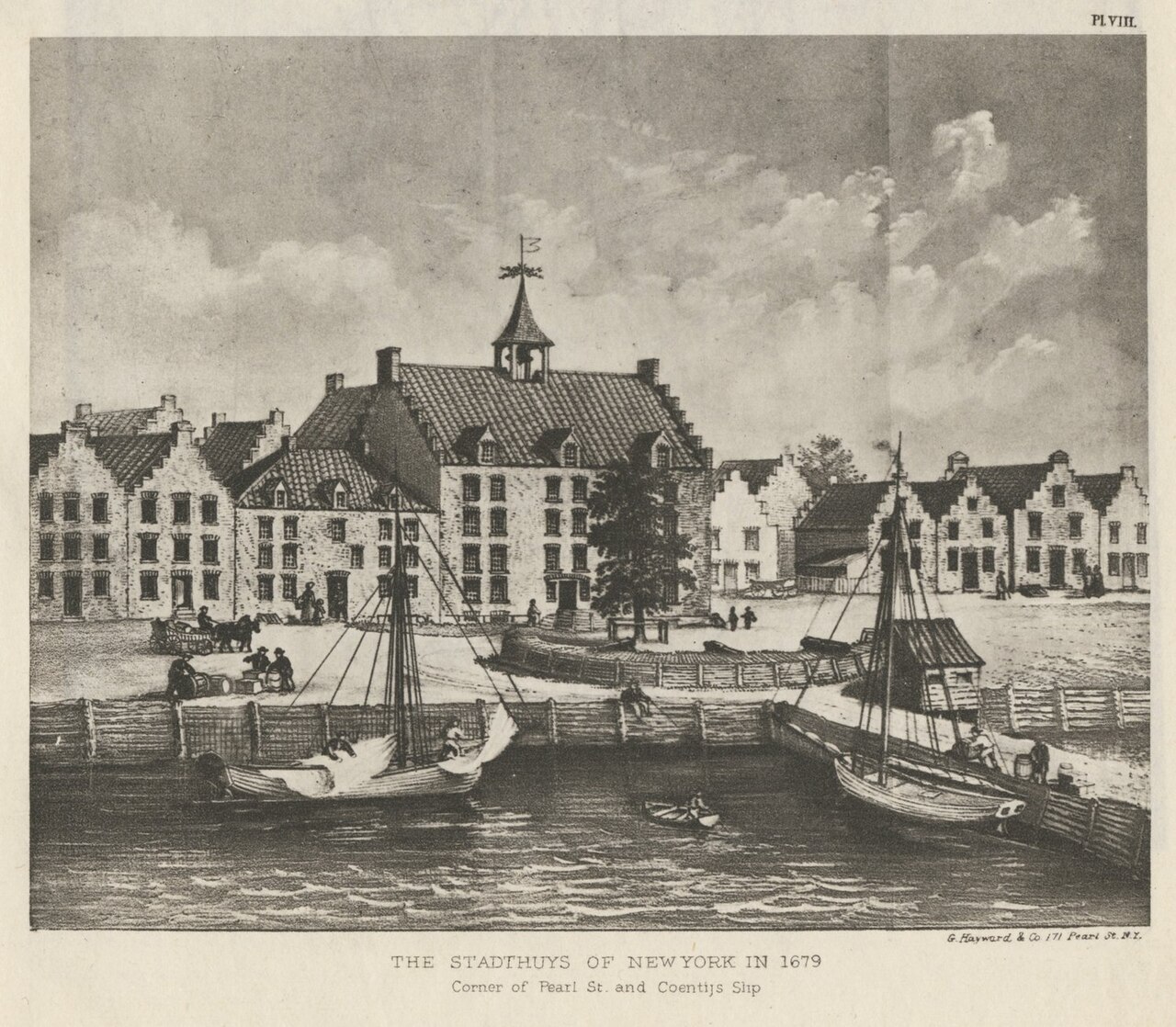
Stadt Huys Site
1670 (tavern); excavated 1979–1981
 Document
Secondary source
Calendar of Historical Manuscripts in the Office of the Secretary of State, Albany: English Manuscripts
Edmund Bailey O'Callaghan · 1866
 Painting
Secondary source
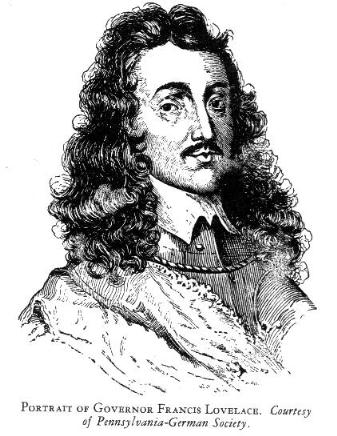
Portrait of Francis Lovelace
 Artifact
Secondary source
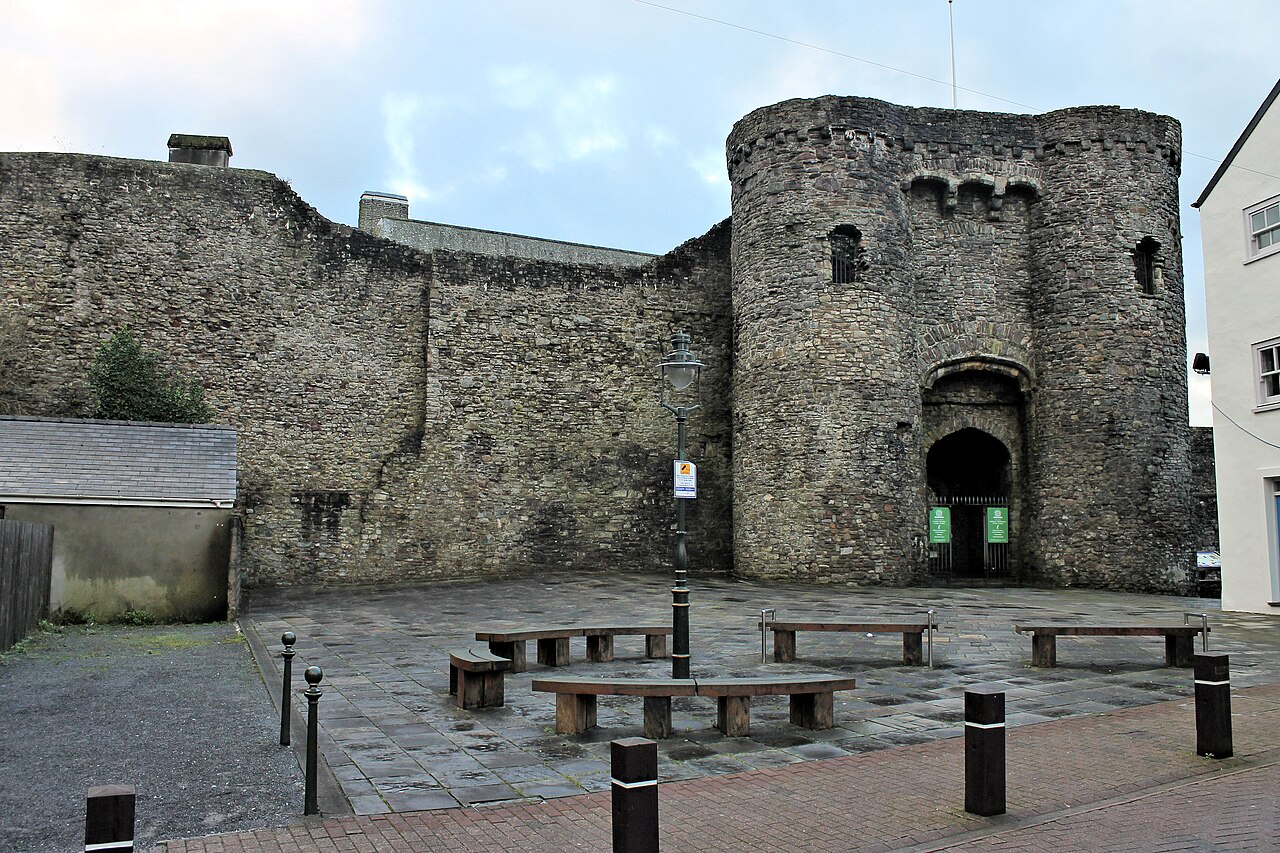
Carmarthen Castle
1105 (first built)
Ready when you are
Start chatting with Francis Lovelace now.
20 messages free · No credit card · Available in 50+ languages.