


Secondary sourceArtifact1796
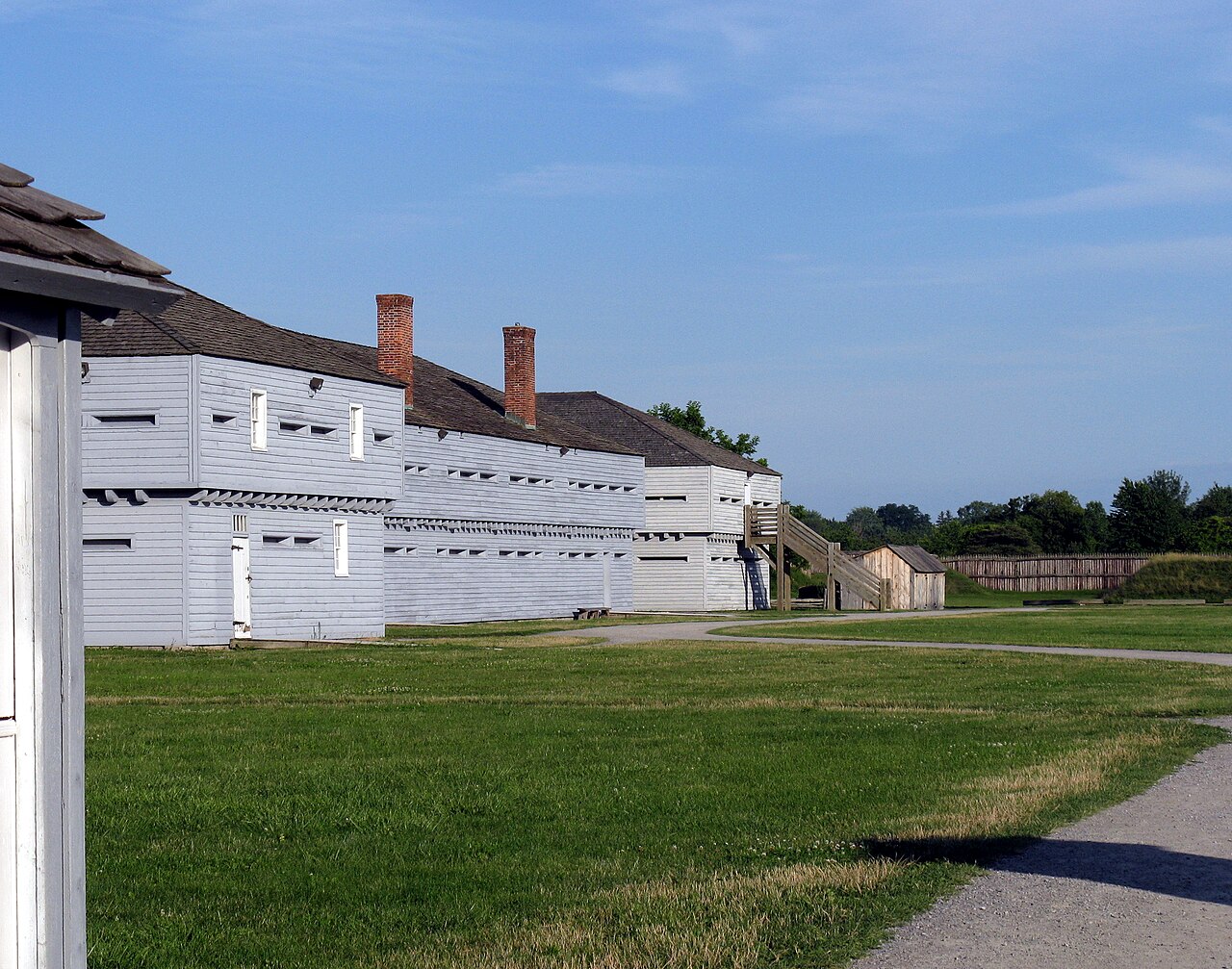
Fort George
1796
A British military fort in Niagara-on-the-Lake that served as Isaac Brock's headquarters and his first burial place after the Battle of Queenston Heights.
Fort George was Brock's headquarters, the site of a mutiny he suppressed, and his first burial place after Queenston.
About this source
What it is
Fort George is a military fortification built by the British Army in the 1790s near Niagara-on-the-Lake, Ontario. It replaced Fort Niagara after Britain withdrew from American territory under the Jay Treaty, and it served as a headquarters and supply depot through the early 1800s and the War of 1812.
Why it matters
As headquarters for Isaac Brock, Fort George was where he suppressed a mutiny in 1803 and where he was first buried in a bastion after his death at Queenston Heights in 1812. The fort was manned not only by British regulars but by Canadian militia units, including a company of Black soldiers, and by First Nations allies, showing the diverse forces involved in defending Upper Canada.
Look closer
- Why might a fort originally built as a supply depot have proven difficult to defend during actual fighting?
- What does the mix of regulars, militia and Indigenous allies stationed here tell you about who fought in the War of 1812?
- The fort seen today is a 1930s reconstruction — what might be different from the original, and why does that matter for historians?
This artifact is part of the curated material that grounds the AI version of Isaac Brock on Humy.ai — when students ask about related events, the AI can quote it and cite it.
More Isaac Brock sources
Browse all 76 →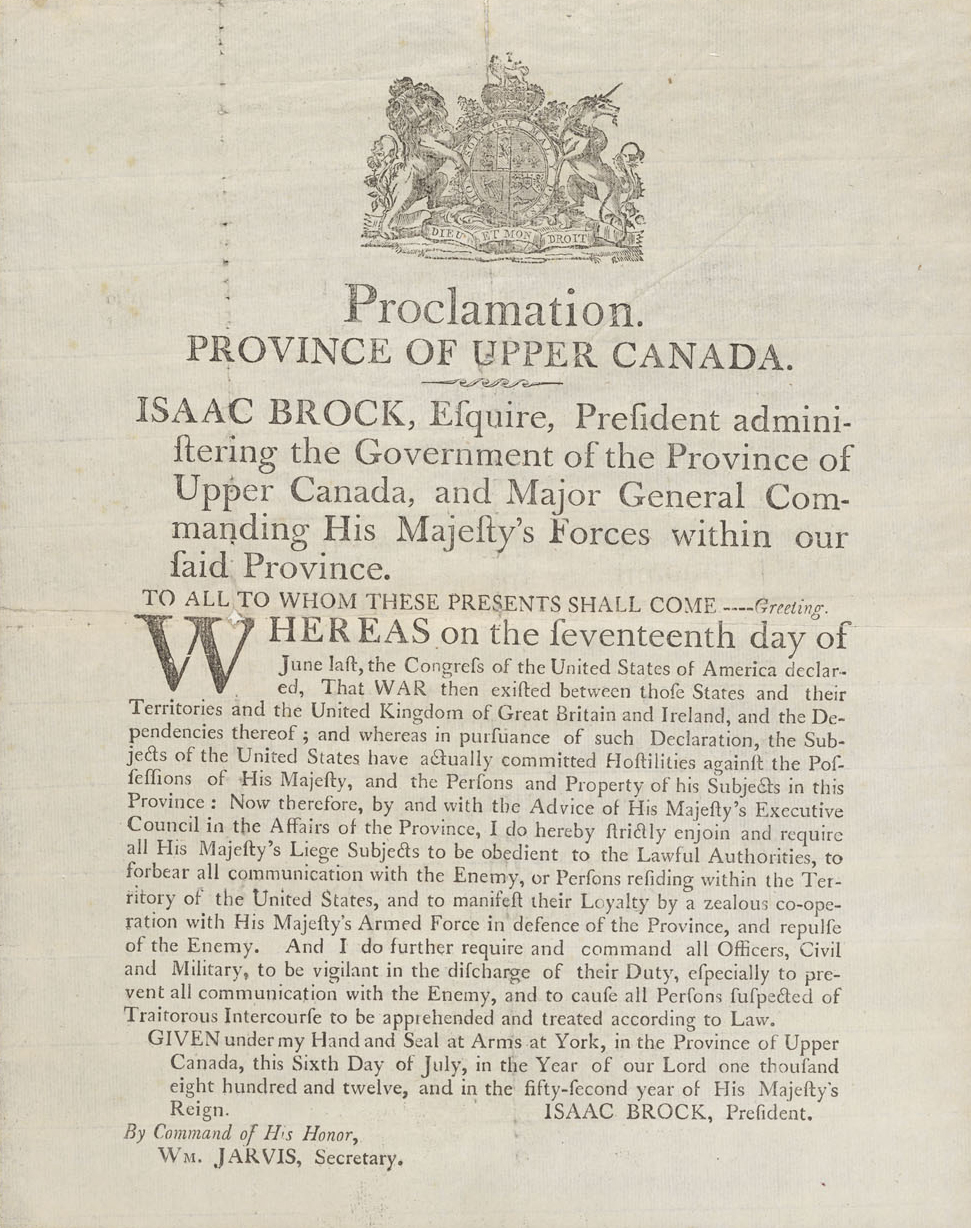 Document
Primary source
Proclamation by Isaac Brock, Administrator of Upper Canada
Isaac Brock · 6 July 1812
Primary source
Articles of Capitulation of Detroit
Isaac Brock and William Hull · 16 August 1812
 Book
Secondary source
The Life and Correspondence of Major-General Sir Isaac Brock
Ferdinand Brock Tupper · 1847
 Painting
Secondary source
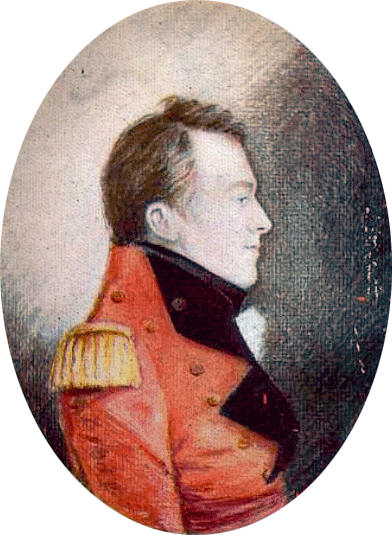
Isaac Brock portrait, from The Story of Isaac Brock
Alyn Williams (original miniature) · 1908 (reproduction)
Free account
Read every Isaac Brock source
Sign up free →
Ready when you are
Start chatting with Isaac Brock now.
20 messages free · No credit card · Available in 50+ languages.