


Secondary sourceArtifact1679
Fort Miami (Michigan)
René-Robert Cavelier de La Salle · 1679
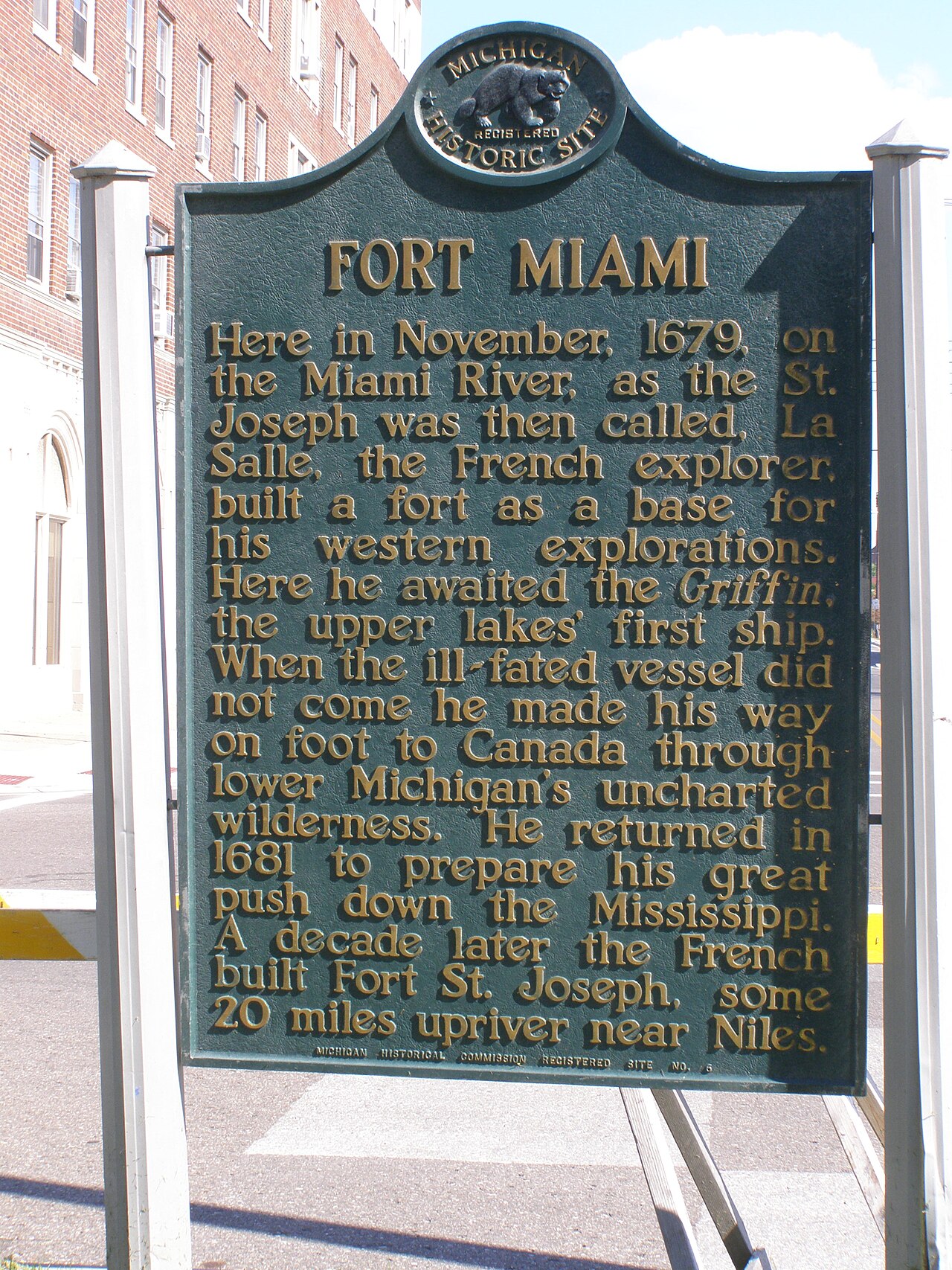
The site of a stockade La Salle built in 1679 at the mouth of the St. Joseph River as a base for his westward explorations.
La Salle personally built this fort in 1679 as a base for his push into the Illinois country and toward the Mississippi.
About this source
What it is
Fort Miami was a stockade built by René-Robert Cavelier de La Salle in November 1679 on what was then called the Miami River (today the St. Joseph River) in present-day Michigan. A historical marker placed by the Michigan Historical Commission now stands at the site, in the town of St. Joseph.
Why it matters
La Salle built the fort as a base while waiting for his ship, the Griffon, and his associate Tonti, before pushing further into the Illinois country. When the Griffon failed to arrive, La Salle made his way on foot through uncharted wilderness to Canada, returning in 1681 to prepare his expedition down the Mississippi. The site shows how fragile and dependent on timing and supply these expeditions were.
Look closer
- Why would an explorer need to build a fort before continuing a journey?
- What does the failure of the Griffon to arrive tell us about the risks of these voyages?
- What does a modern historical marker add or leave out compared to the original fort?
This artifact is part of the curated material that grounds the AI version of Robert de La Salle on Humy.ai — when students ask about related events, the AI can quote it and cite it.
More Robert de La Salle sources
Meet the AI Robert de La Salle →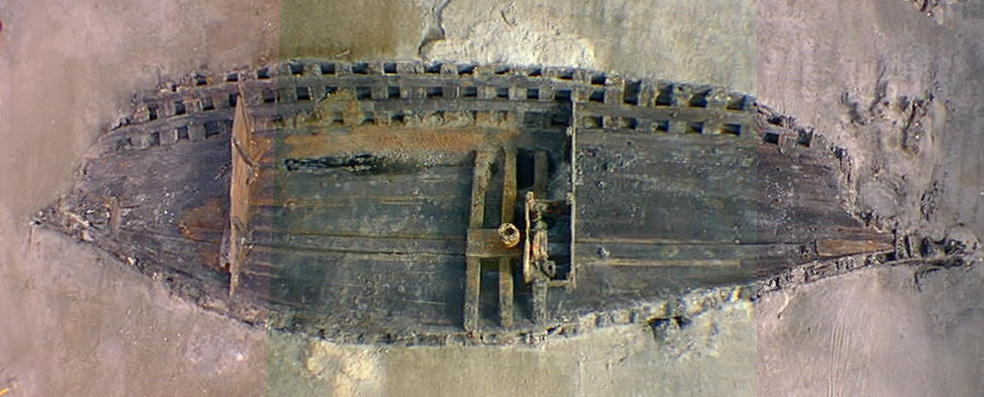 Artifact
Primary source
La Belle Shipwreck and Recovered Hull
French royal navy (built at Rochefort) · 1684 (built); sunk 1686; excavated 1995-97
 Book
Primary source
Description de la Louisiane
Louis Hennepin · 1683
 Document
Primary source
Signature of René-Robert Cavelier, Sieur de La Salle
René-Robert Cavelier, Sieur de La Salle
 Document
Primary source
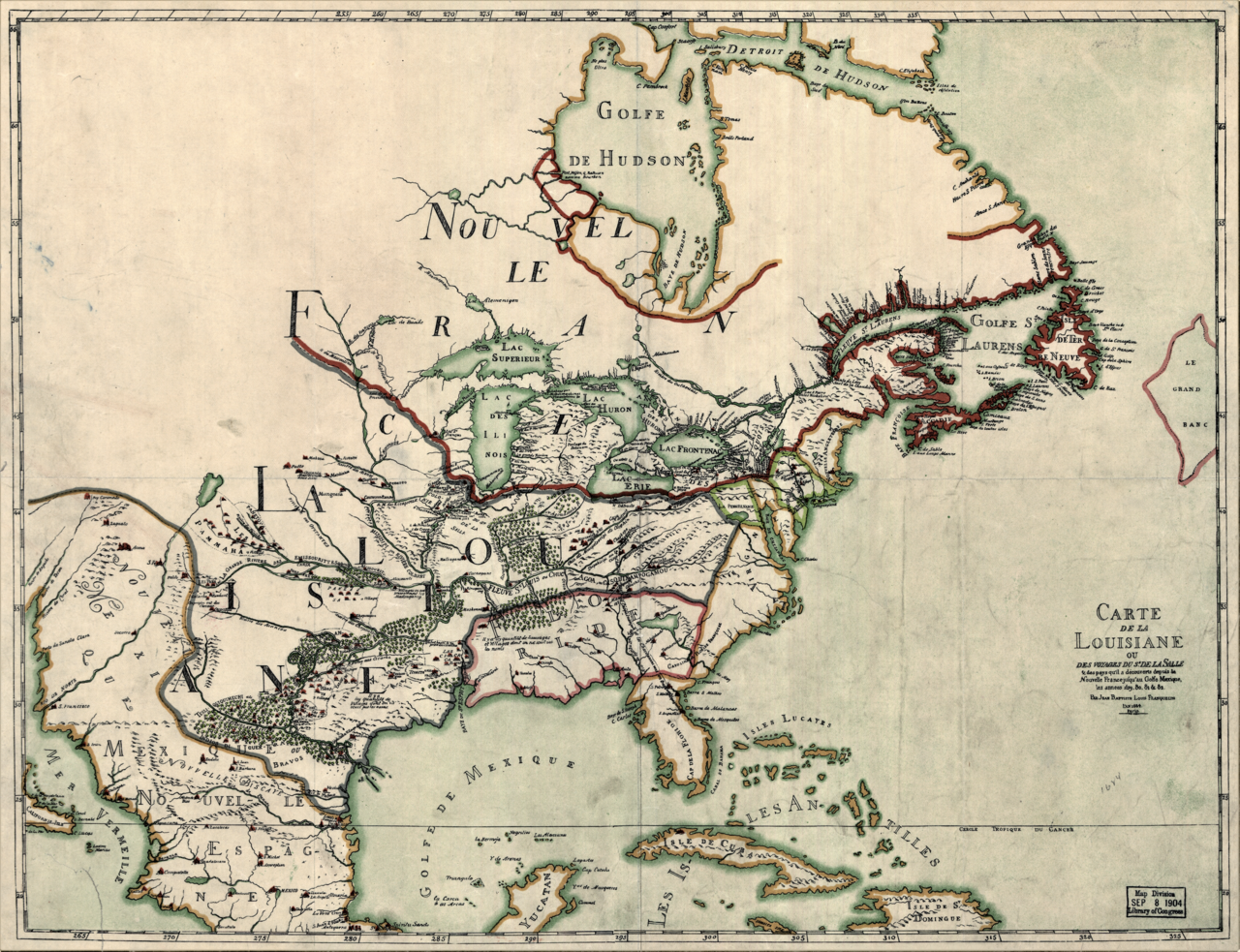
Carte de la Louisiane ou des voyages du Sr. de La Salle
Jean-Baptiste-Louis Franquelin · 1684
 Document
Primary source
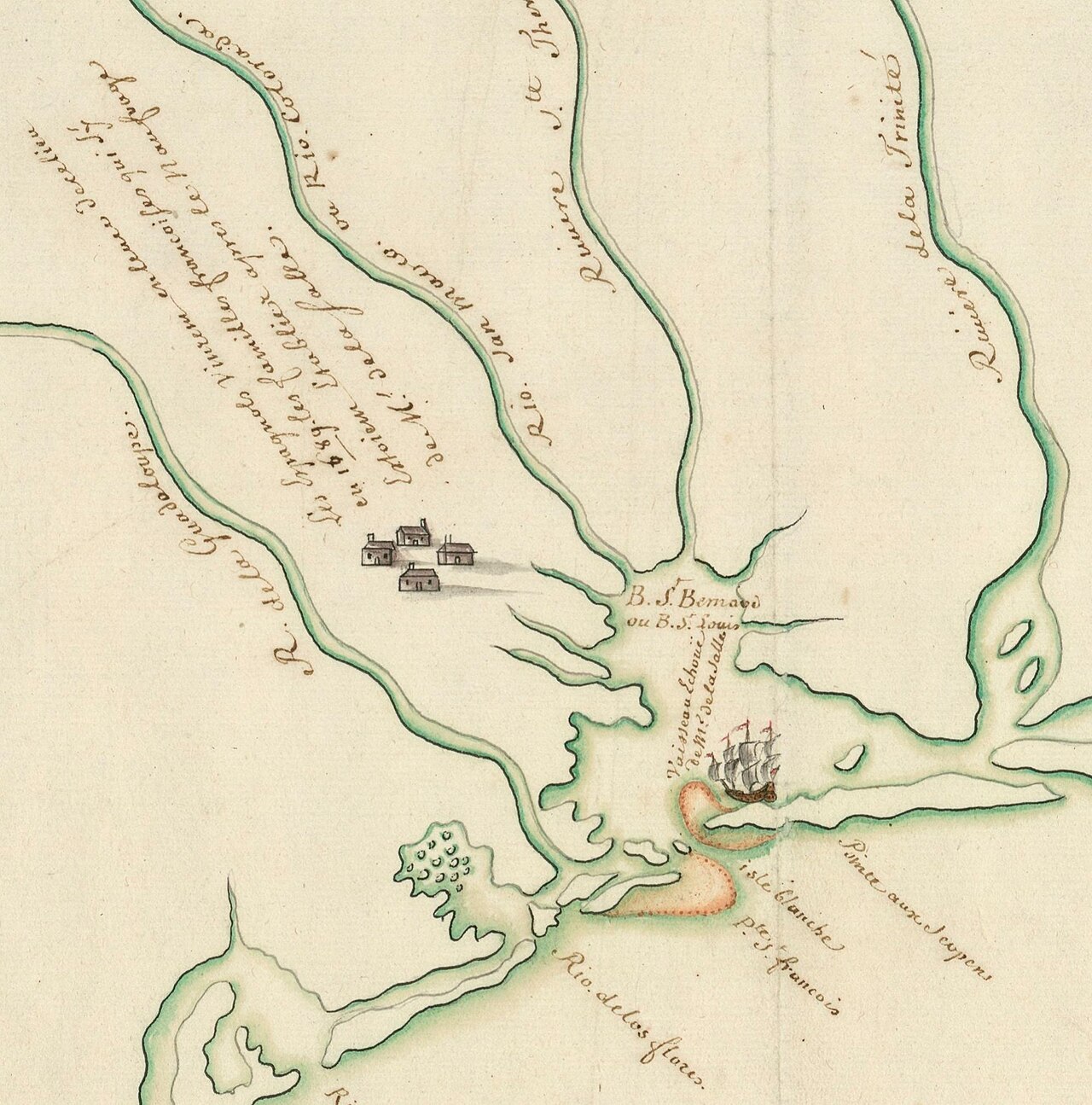
Plan présentant le naufrage d'un navire de Cavelier de La Salle en 1686
Unknown, possibly François Le Maire · late 17th or early 18th century
Ready when you are
Start chatting with Robert de La Salle now.
20 messages free · No credit card · Available in 50+ languages.