


Primary sourceSculpture1935
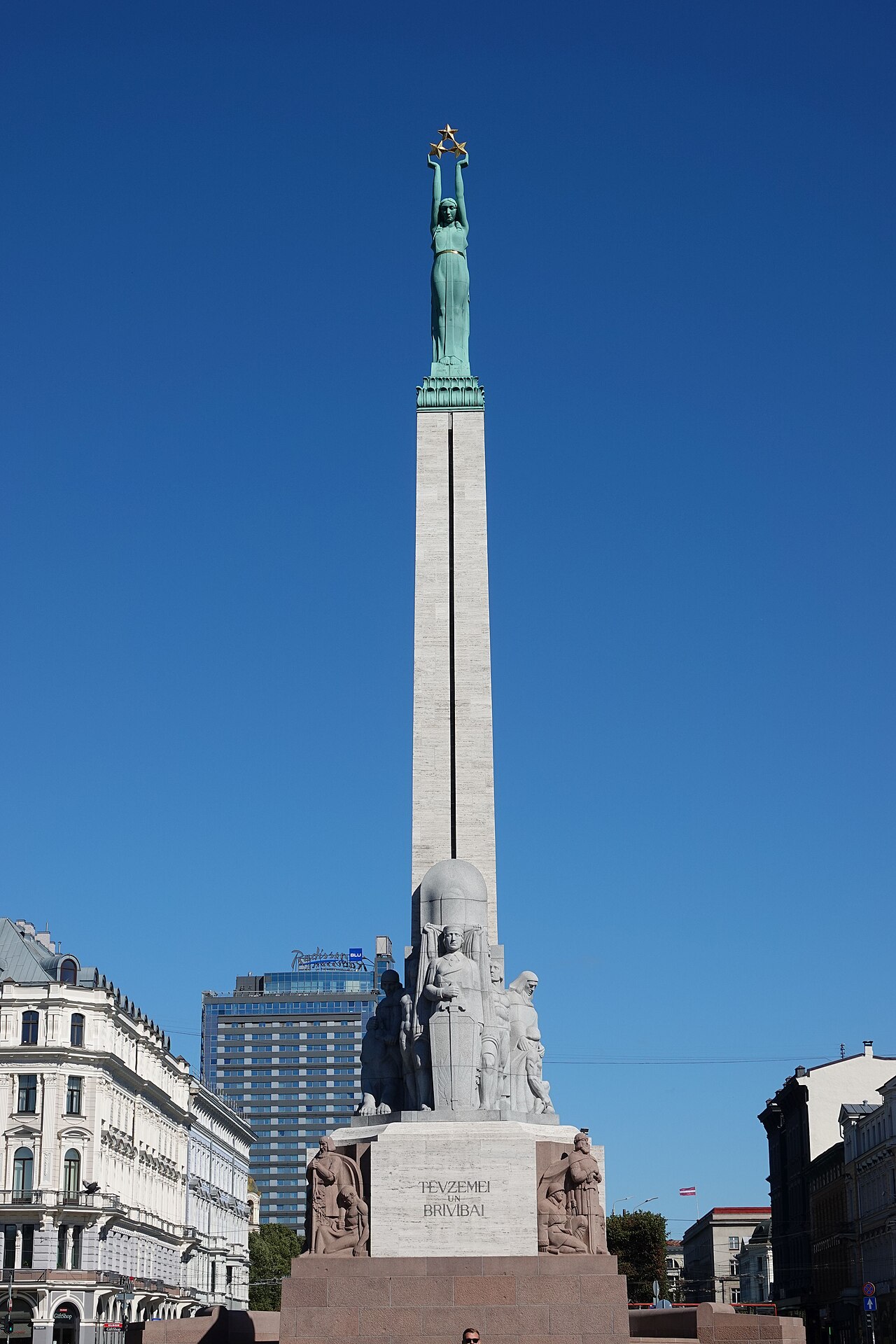
Freedom Monument
Kārlis Zāle · 1935
A towering national monument in Riga honoring soldiers of the Latvian War of Independence, unveiled in 1935 during Ulmanis's rule and used for his regime's ceremonies.
Unveiled in 1935 under Ulmanis's rule, the monument became a focal point of his regime's nationalist ceremonies.
Free Humy account · No credit card · 120,912 sources to read
About this source
What it is
The Freedom Monument, designed by sculptor Kārlis Zāle, is a 42-metre granite, travertine, and copper monument in Riga, unveiled in 1935. It honors soldiers killed in the Latvian War of Independence and is topped by a copper figure of Liberty holding three gilded stars. Its sculptures and reliefs depict scenes from Latvian history and culture, with a dedication inscribed by writer Kārlis Skalbe.
Why it matters
Unveiled under the authoritarian rule of Kārlis Ulmanis, the monument quickly became the central stage for official and nationalist ceremonies. It later survived Soviet occupation and became a rallying point for Latvia's independence movement, showing how the same monument's meaning can change across different political eras.
Look closer
- What different groups of people are shown in the monument's sculptures, and why might those figures have been chosen?
- Why might an authoritarian government want a monument like this at the center of public life?
- How did the monument's meaning change between the 1930s and later decades?
This sculpture is part of the curated material that grounds the AI version of Kārlis Ulmanis and Oskars Kalpaks on Humy.ai — when students ask about related events, the AI can quote it and cite it.
More Kārlis Ulmanis sources
Browse all 51 →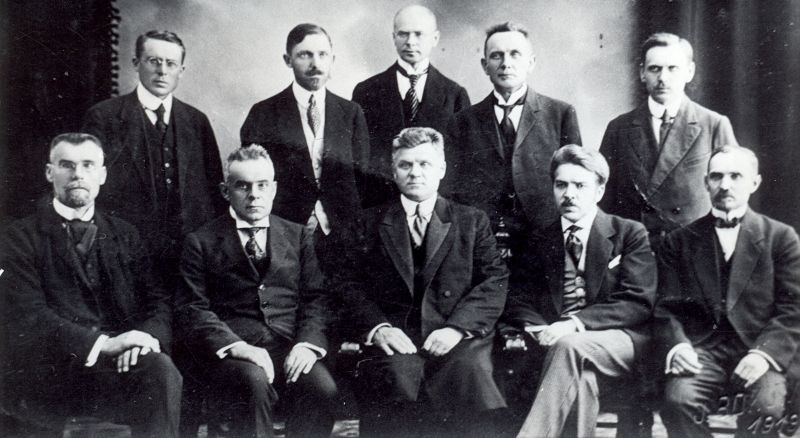 Photograph
Primary source
Provisional Government of Latvia, Liepāja 1919
April 1919
 Photograph
Primary source
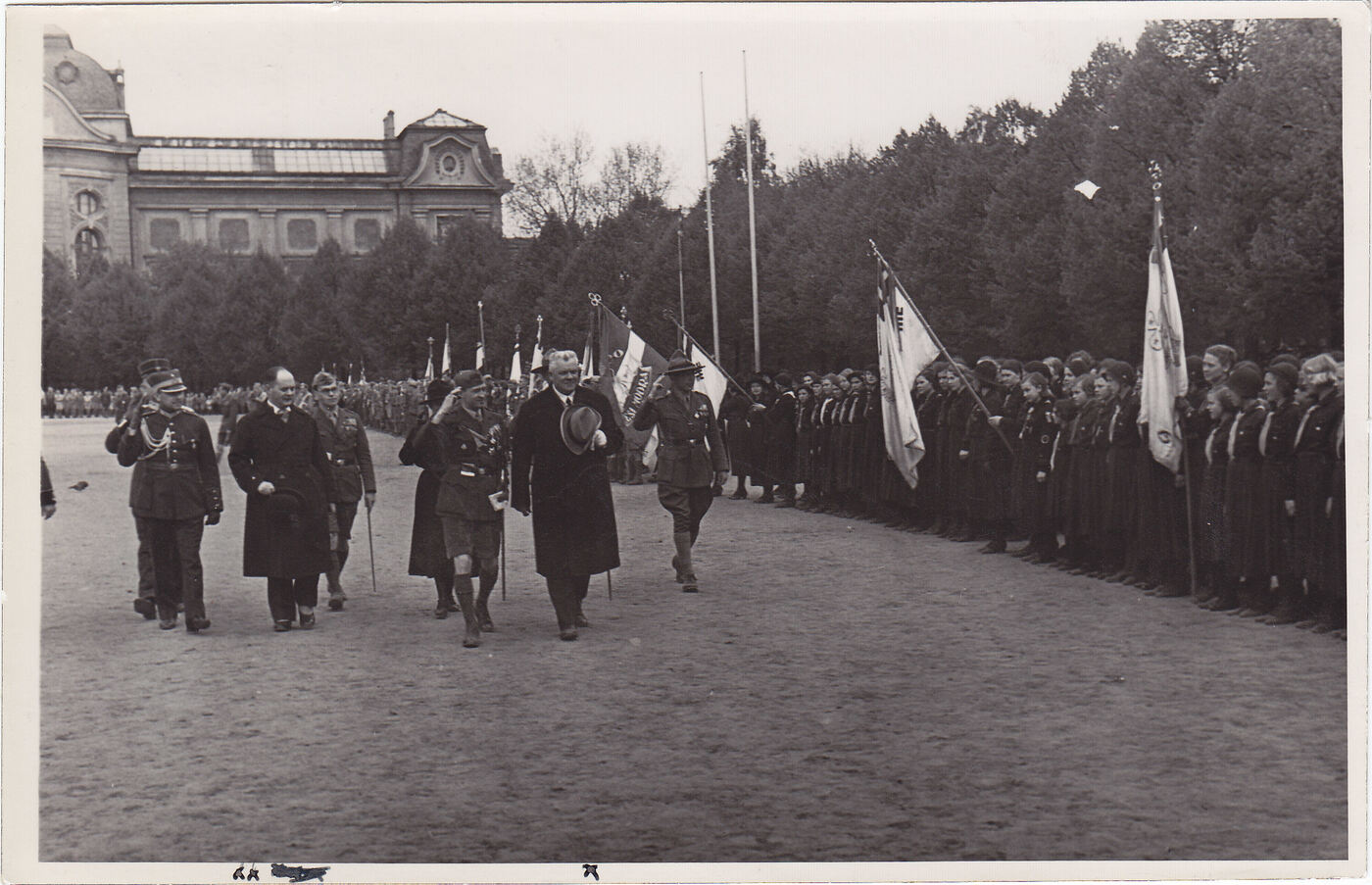
Ulmanis as Scout Chief at Riga Spring Festival
1938
 Photograph
Primary source
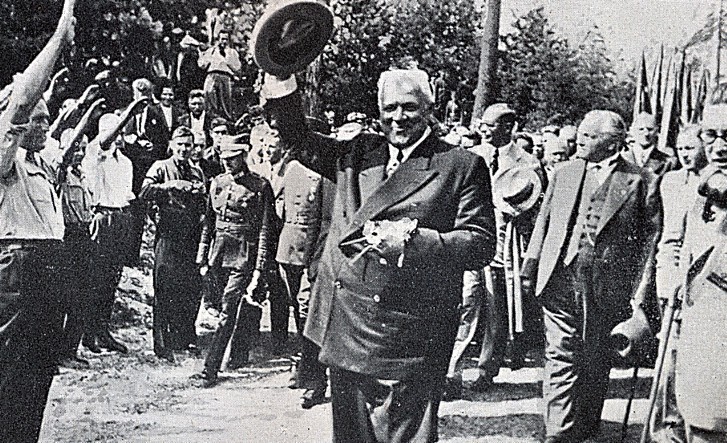
President Kārlis Ulmanis Visiting His Supporters
1934
 Photograph
Primary source
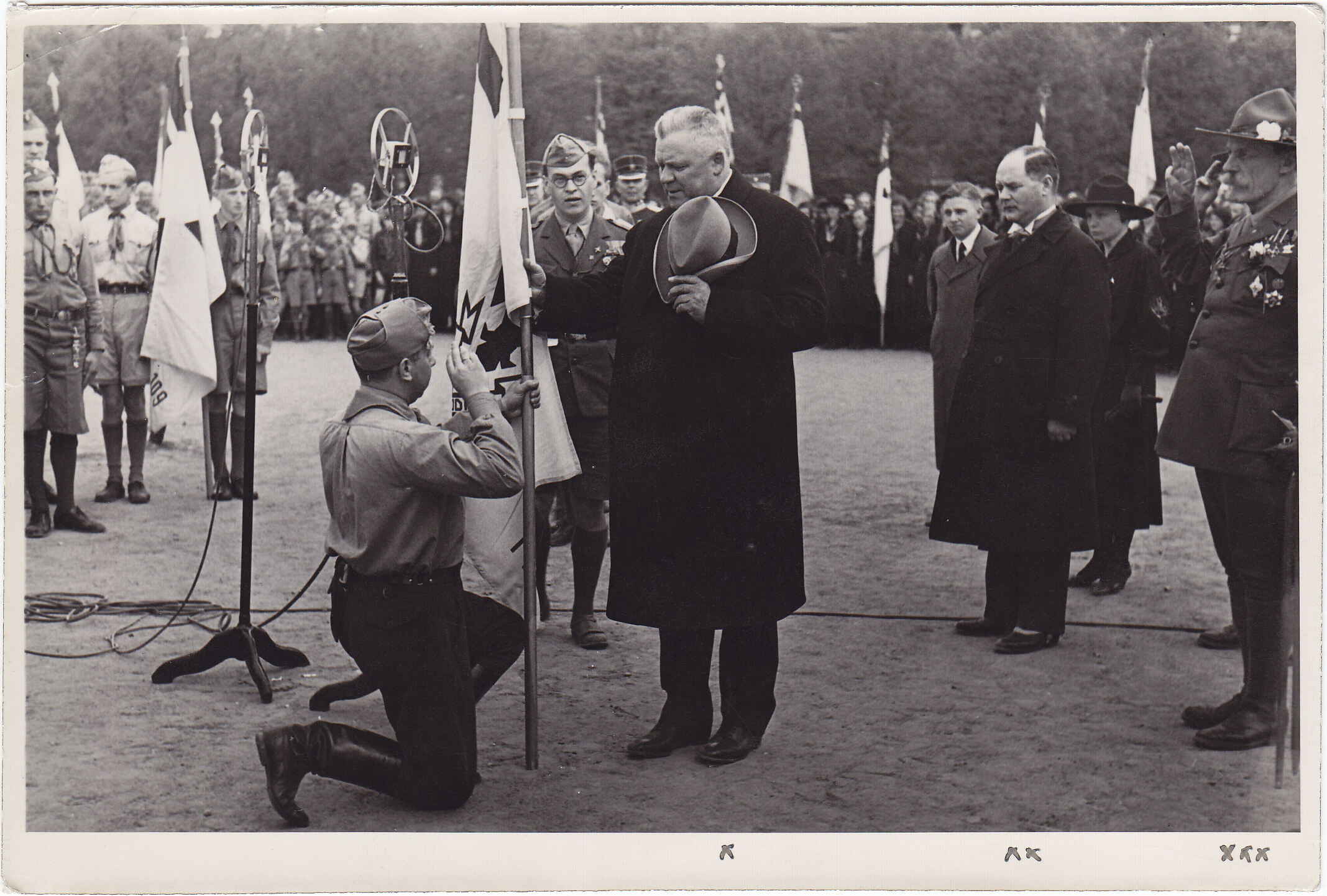
Ulmanis Presenting a Flag at the Riga Scout Festival
1938
Free account
Read every Kārlis Ulmanis source
Sign up free →
Ready when you are
Start chatting with Kārlis Ulmanis now.
20 messages free · No credit card · Available in 50+ languages.