


Primary sourcePainting1943
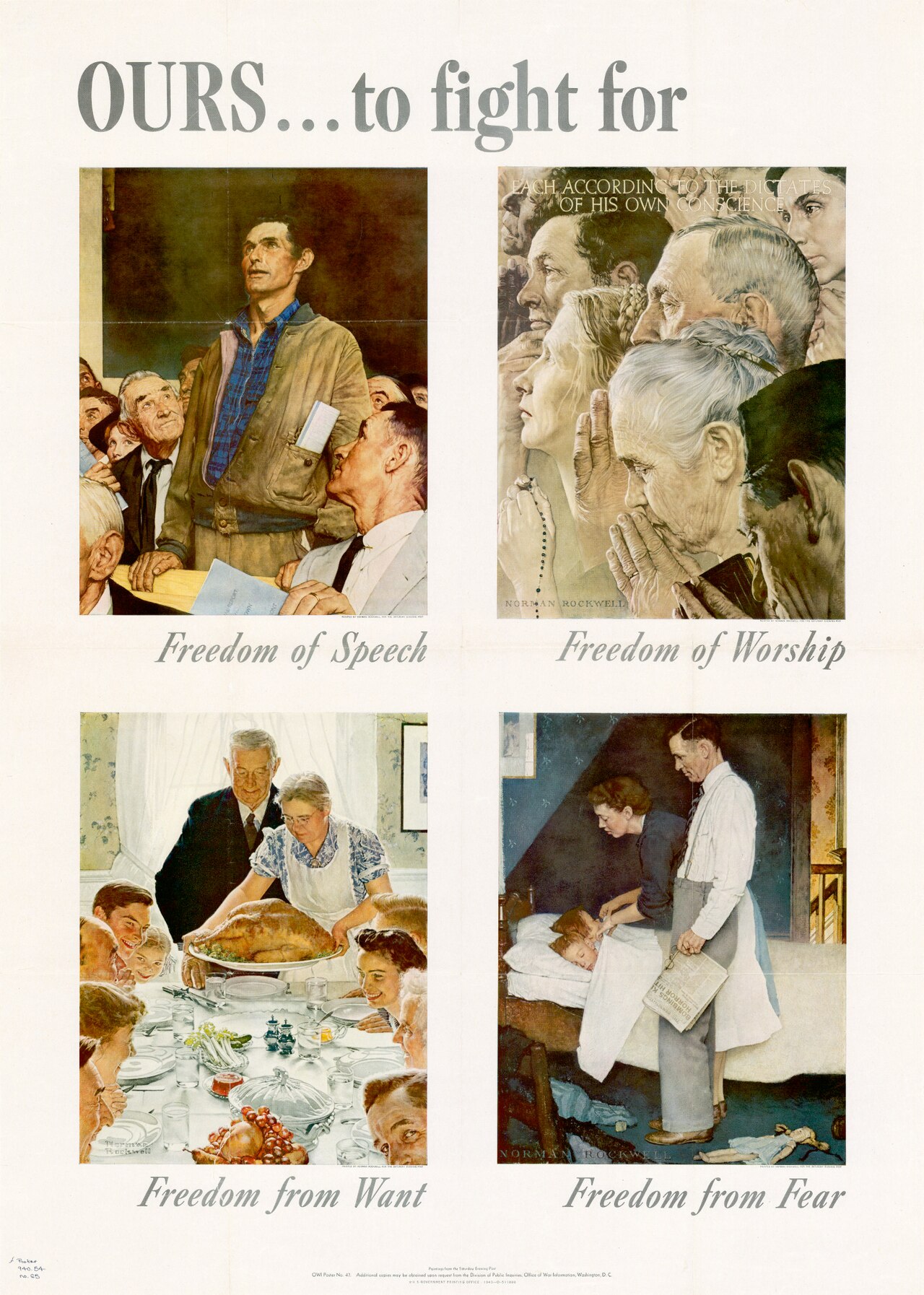
Freedom of Speech
Norman Rockwell · 1943
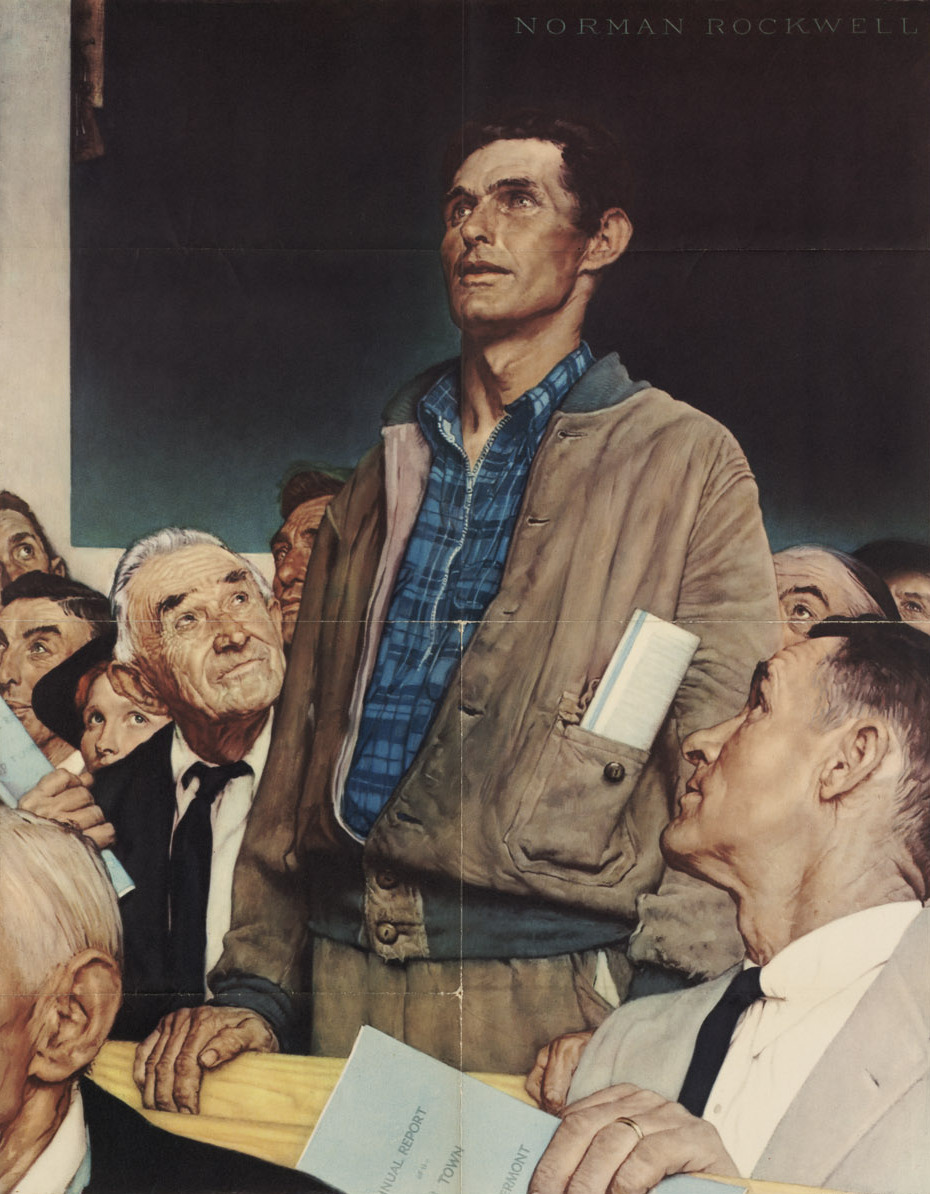
Norman Rockwell's 1943 painting of a Vermont town meeting, part of his Four Freedoms series illustrating FDR's wartime goals.
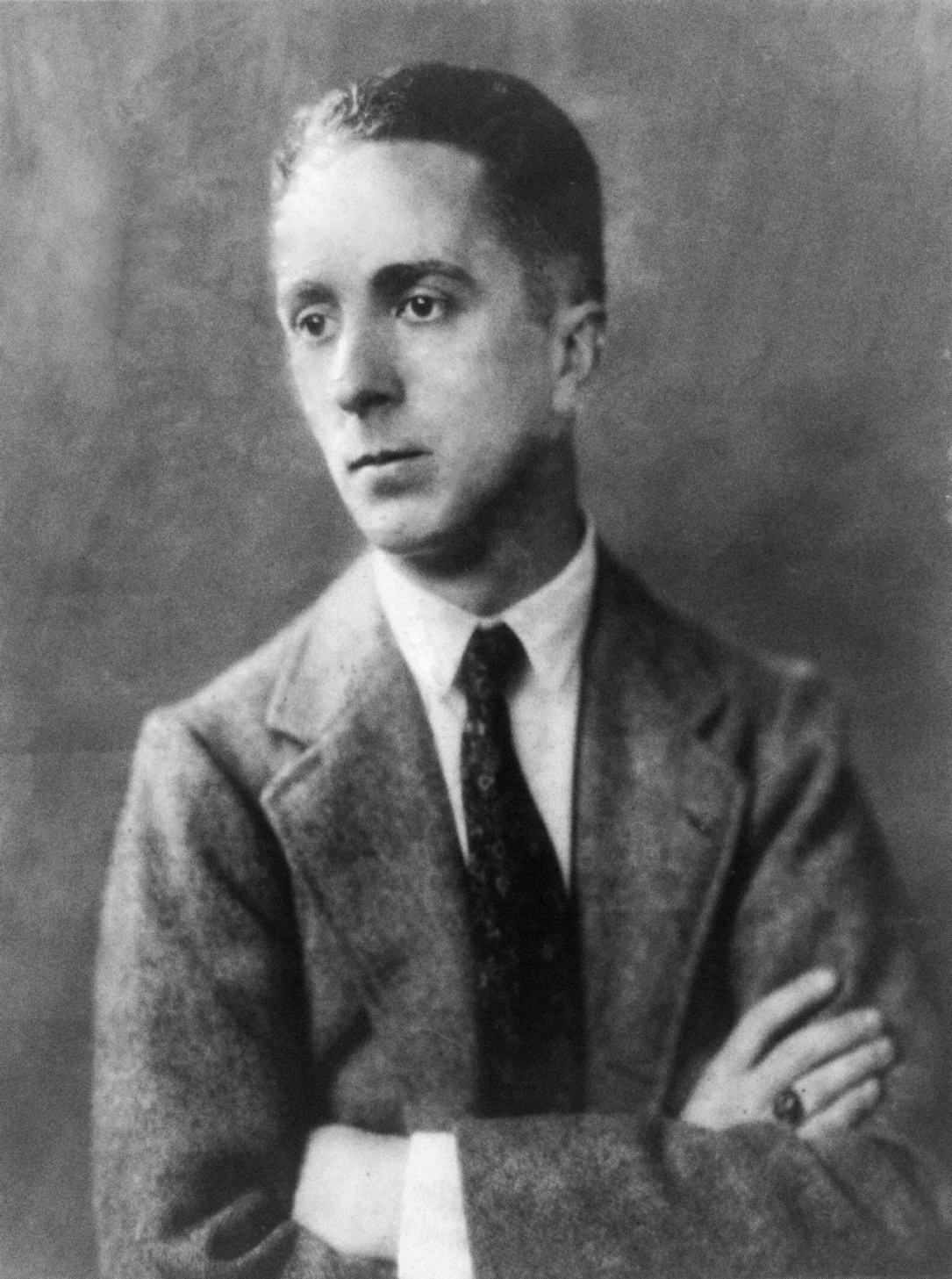
Painted by Rockwell himself, one of his favourite works in the Four Freedoms series.
About this source
What it is
An oil painting by Norman Rockwell, painted in 1943 and published in The Saturday Evening Post. It shows a workman standing up to speak at a New England town meeting, based on a real Arlington, Vermont, meeting. It is now held by the Norman Rockwell Museum.
Why it matters
The painting turned President Franklin D. Roosevelt's abstract idea of "freedom of speech" into a scene ordinary Americans could recognise. Rockwell used his own Vermont neighbours as models, including Carl Hess, who posed as the speaker. It became one of the most reproduced images of World War II, used on posters to sell war bonds, and Rockwell himself considered it one of his most successful works.
Look closer
- Why do you think Rockwell dressed the speaker differently from the other men in the room?
- What does the painting leave out about who actually got to speak at meetings like this one?
- How does the composition direct your eye to the speaker?
This painting is part of the curated material that grounds the AI version of Norman Rockwell on Humy.ai — when students ask about related events, the AI can quote it and cite it.
More Norman Rockwell sources
Browse all 75 →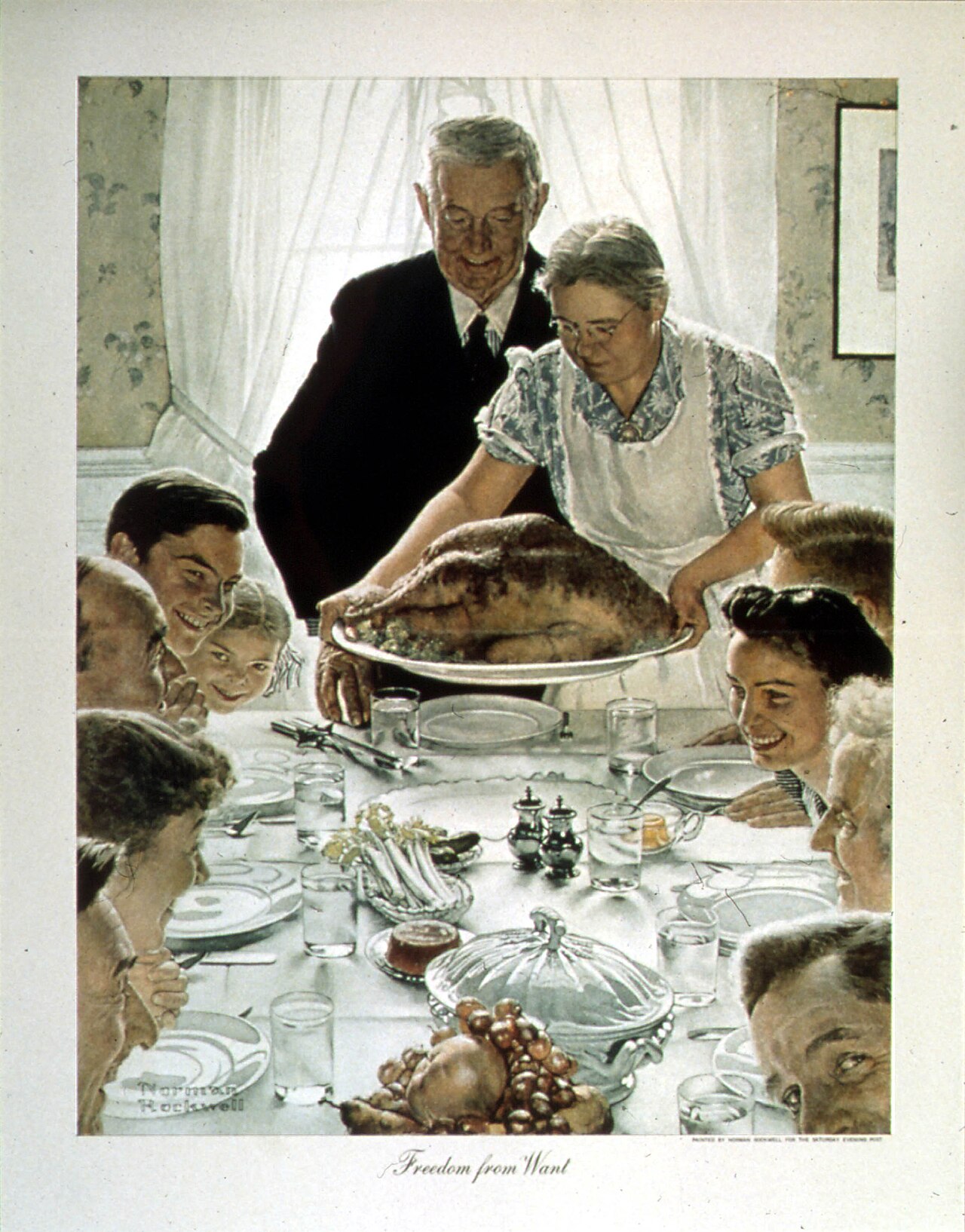 Newspaper article
Primary source
Freedom from Want
Carlos Bulosan · 1943
 Painting
Primary source
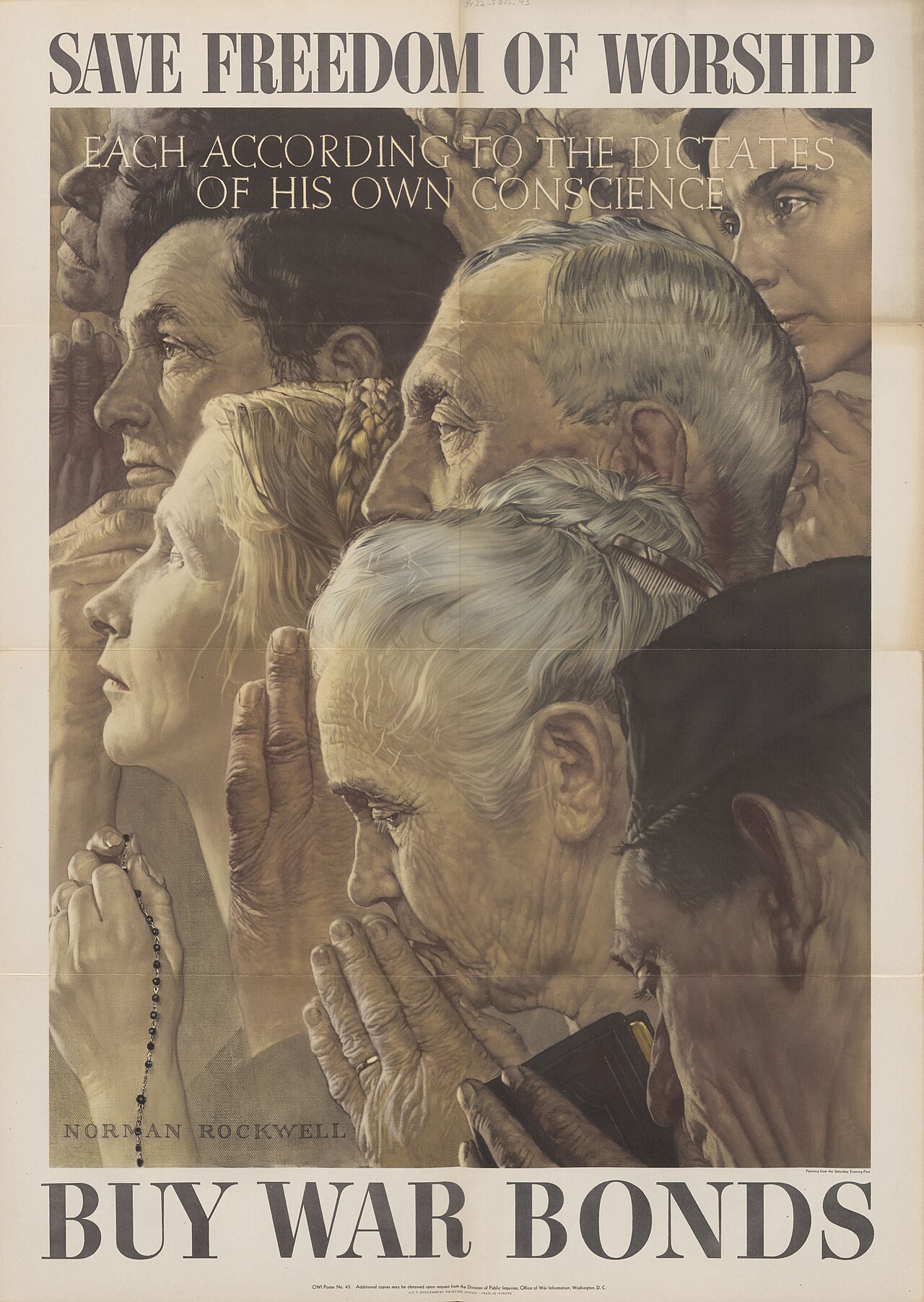
Freedom of Worship
Norman Rockwell · 1943
 Painting
Primary source
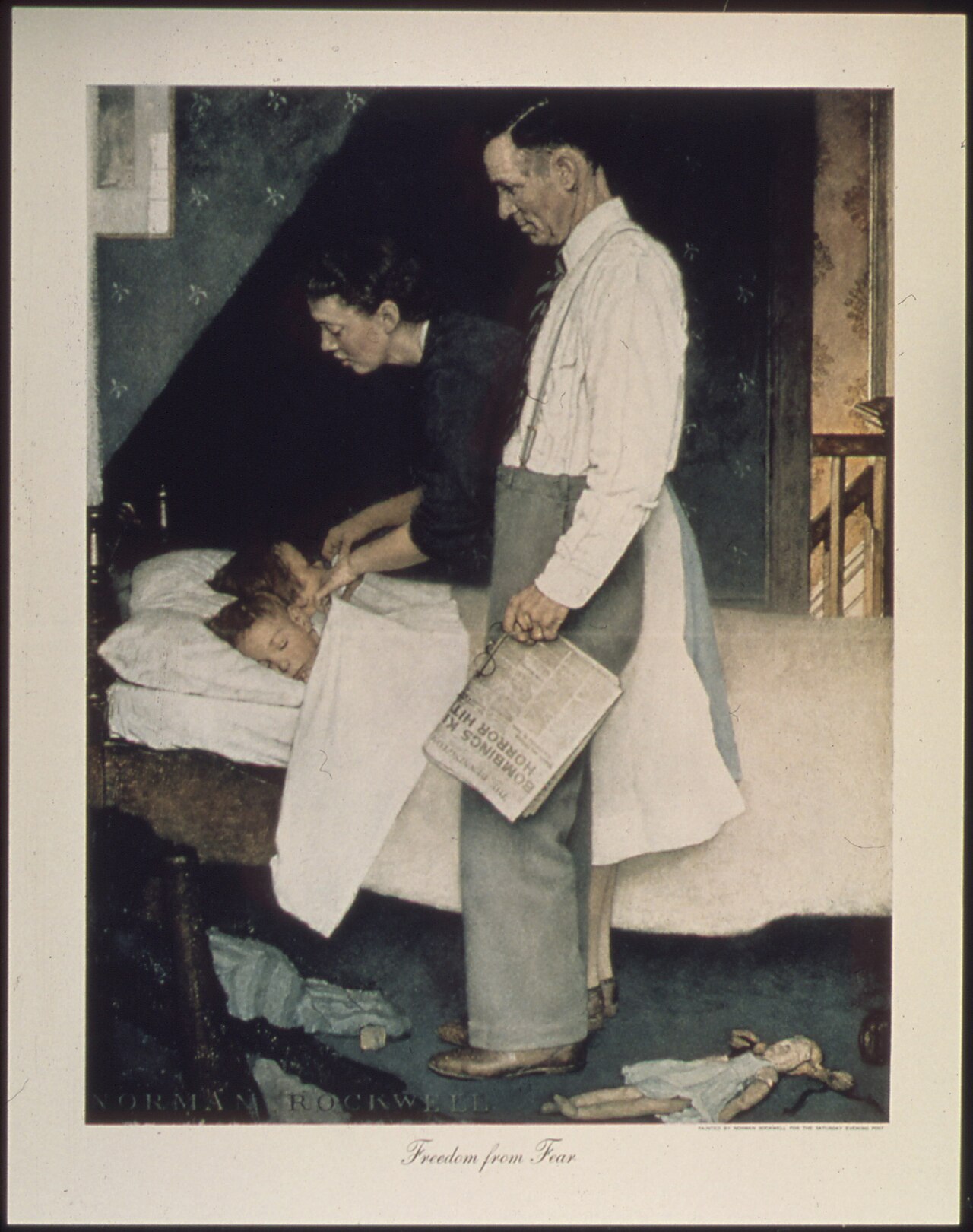
Freedom from Fear
Norman Rockwell · 1943
 Speech
Primary source
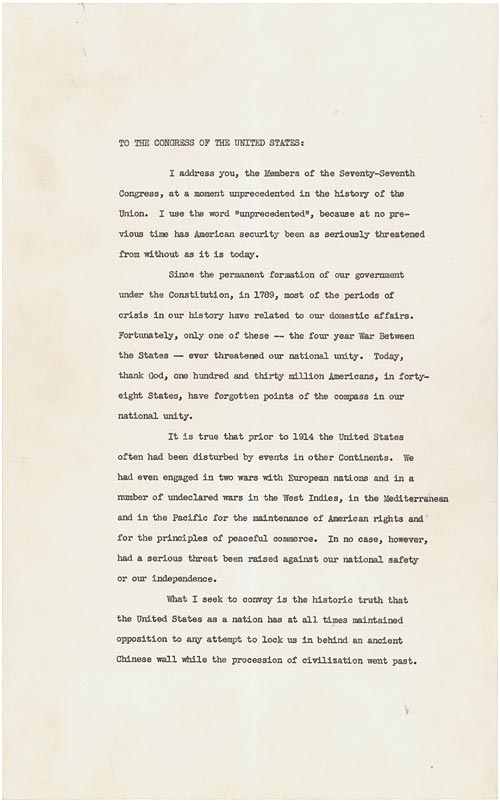
Four Freedoms Speech
Franklin Delano Roosevelt · 6 January 1941
Free account
Read every Norman Rockwell source
Sign up free →
Ready when you are
Start chatting with Norman Rockwell now.
20 messages free · No credit card · Available in 50+ languages.