


Primary sourceDocument1793
Fugitive Slave Act of 1793
U.S. Congress · 1793
A federal law encouraging the capture of fugitive slaves, which also enabled kidnapping of free Black people and was the direct target of Absalom Jones's petitions to Congress.
This law, which endangered free Black people, was the direct target of Jones's petitions to Congress in 1797 and 1799.
About this source
What it is
This is a law passed by the U.S. Congress in 1793, held in the U.S. National Archives. It set out procedures for returning people who had escaped enslavement to those claiming ownership of them.
Why it matters
The law made it easier for free Black people to be wrongly seized and claimed as fugitives. Absalom Jones petitioned Congress in 1797 and 1799 directly challenging this law and its effects, making him one of the earliest Black petitioners to the federal government. The document shows the legal system Jones had to confront in his activism against slavery.
Look closer
- Why would a law meant to recover escaped enslaved people also put free Black people at risk?
- What courage might it have taken for Jones to petition Congress against a federal law?
- What does this law tell you about the limits of freedom for Black Americans even in states where slavery was ending?
This document is part of the curated material that grounds the AI version of Absalom Jones on Humy.ai — when students ask about related events, the AI can quote it and cite it.
More Absalom Jones sources
Meet the AI Absalom Jones →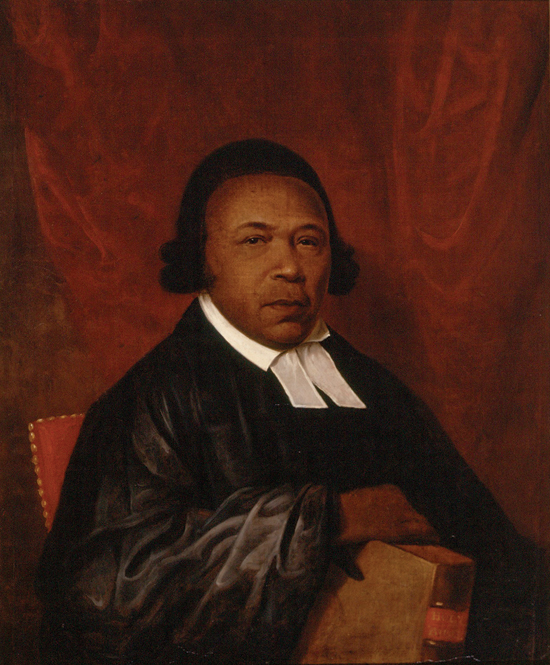 Painting
Primary source
Portrait of Absalom Jones
Raphaelle Peale · 1810
Primary source
The Life, Experience, and Gospel Labours of the Rt. Rev. Richard Allen
Richard Allen · 1833
 Book
Secondary source
Annals of the First African Church in the United States of America
William Douglass · 1862
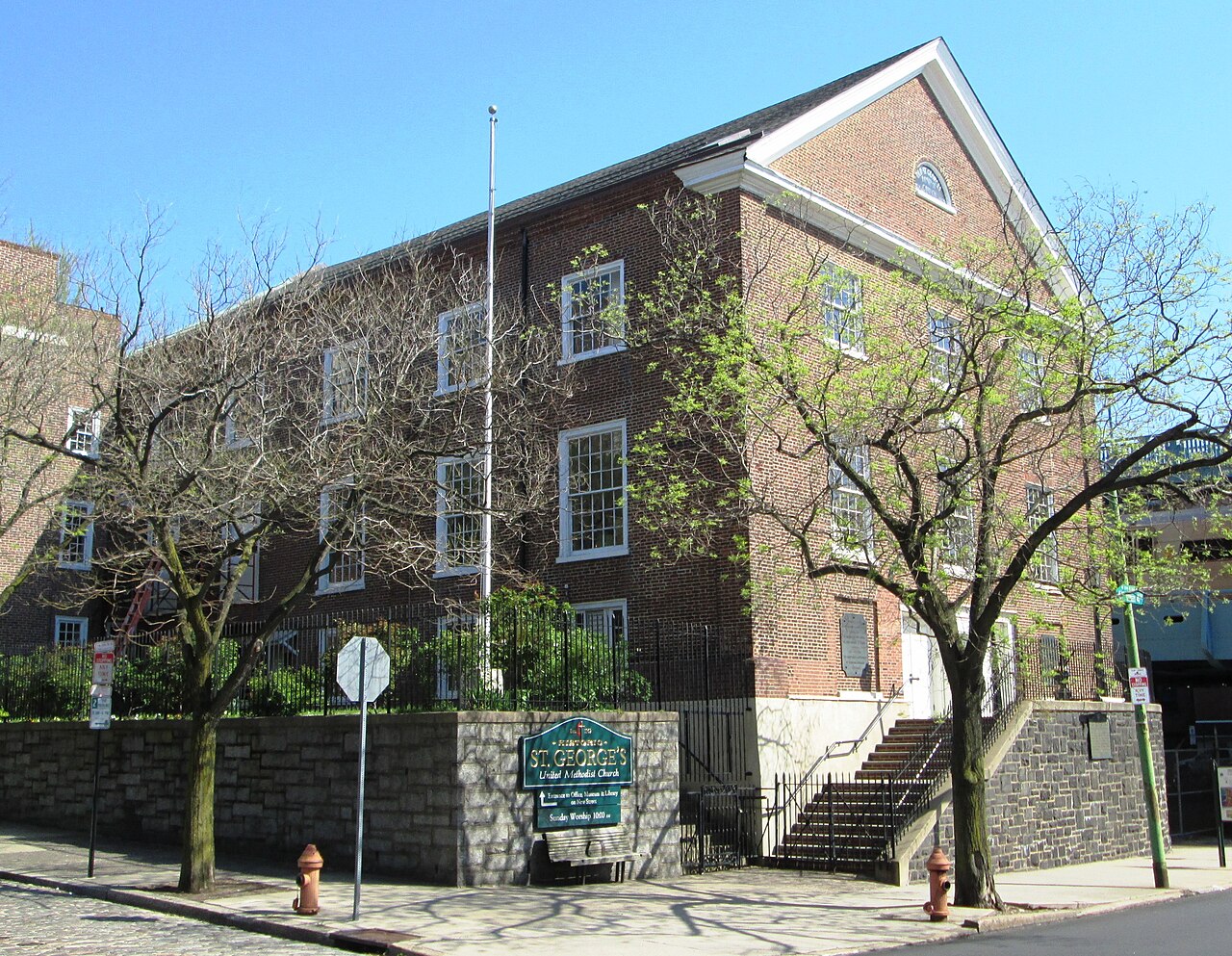 Artifact
Primary source
St. George's United Methodist Church
1763
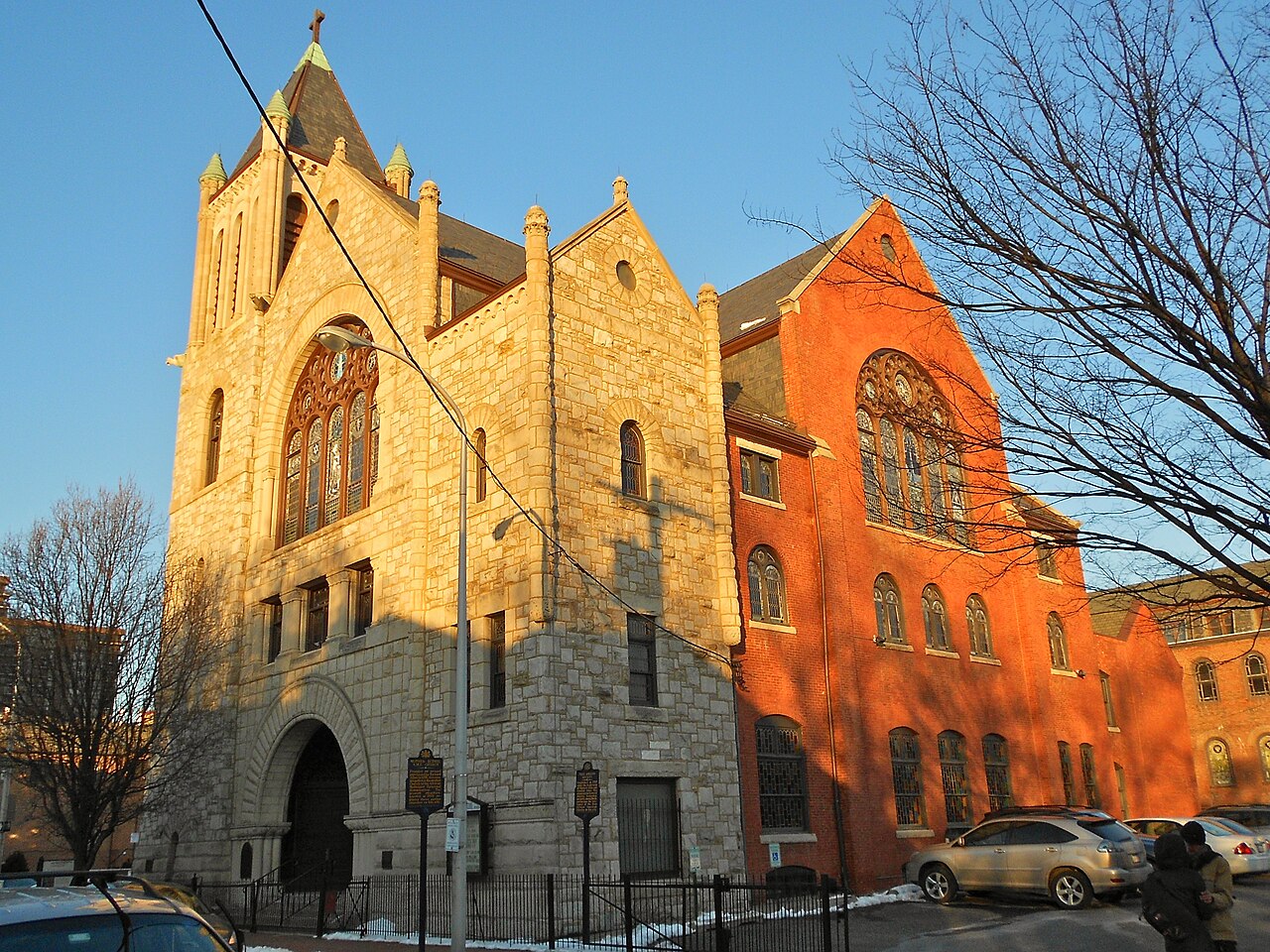 Artifact
Secondary source
Mother Bethel A.M.E. Church
1890
Ready when you are
Start chatting with Absalom Jones now.
20 messages free · No credit card · Available in 50+ languages.