


Primary sourceDocument1850
Fugitive Slave Act of 1850
United States Congress · 1850
The 1850 federal law, signed by President Fillmore, requiring the return of escaped slaves and compelling Northern officials and citizens to assist.
Fillmore signed and enforced this law, a decision that defined and damaged his presidential legacy.
About this source
What it is
This statute, passed by the 31st Congress on September 18, 1850 as part of the Compromise of 1850, amended the earlier Fugitive Slave Act of 1793. It required officials and citizens in free states to help capture and return escaped slaves, denied suspects a jury trial, and punished anyone who aided a fugitive.
Why it matters
President Millard Fillmore signed this law and then insisted on enforcing it, a decision that badly damaged his standing in the North. The Act deepened the divide between North and South, angered many who saw it as forcing ordinary citizens to participate in slavery, and contributed to the political upheaval that led to the founding of the Republican Party and, eventually, the Civil War.
Why it matters
Look closer
- Who benefited from the rewards built into this law, and who suffered from it?
- Why might a law like this cause even people who disliked slavery to break it or resist it?
- What does the law's harsh penalties for helping a fugitive tell you about the pressures facing officials of the time?
This document is part of the curated material that grounds the AI version of Millard Fillmore on Humy.ai — when students ask about related events, the AI can quote it and cite it.
More Millard Fillmore sources
Meet the AI Millard Fillmore →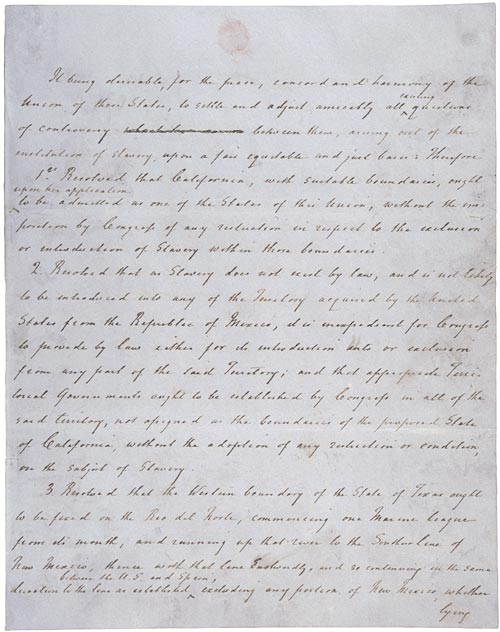 Document
Primary source
Compromise of 1850
Henry Clay · 29 January 1850 (resolutions); statutes enacted September 1850
 Photograph
Primary source
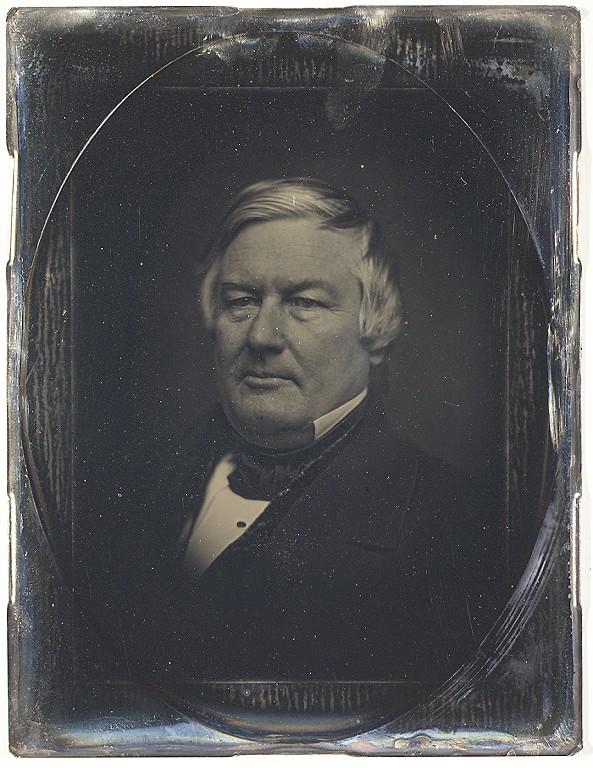
Millard Fillmore
Southworth and Hawes · 1850
Primary source
Millard Fillmore's First Annual Message to Congress
Millard Fillmore · December 2, 1850
Primary source
Millard Fillmore's Second State of the Union Address
Millard Fillmore · December 2, 1851
 Painting
Primary source
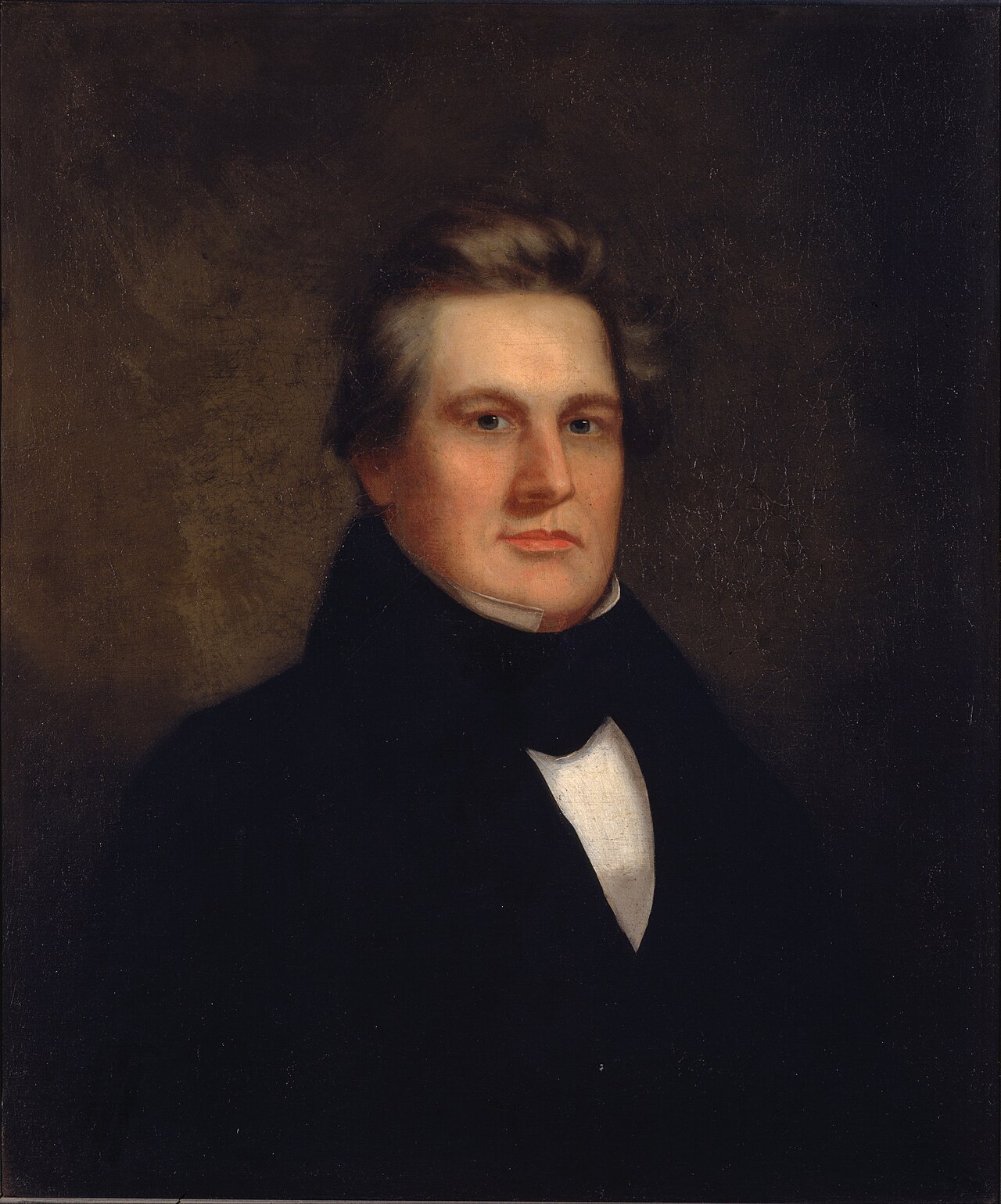
Millard Fillmore
Unidentified Artist · 1843
Ready when you are
Start chatting with Millard Fillmore now.
20 messages free · No credit card · Available in 50+ languages.