


Primary sourceArtifact1882-1884
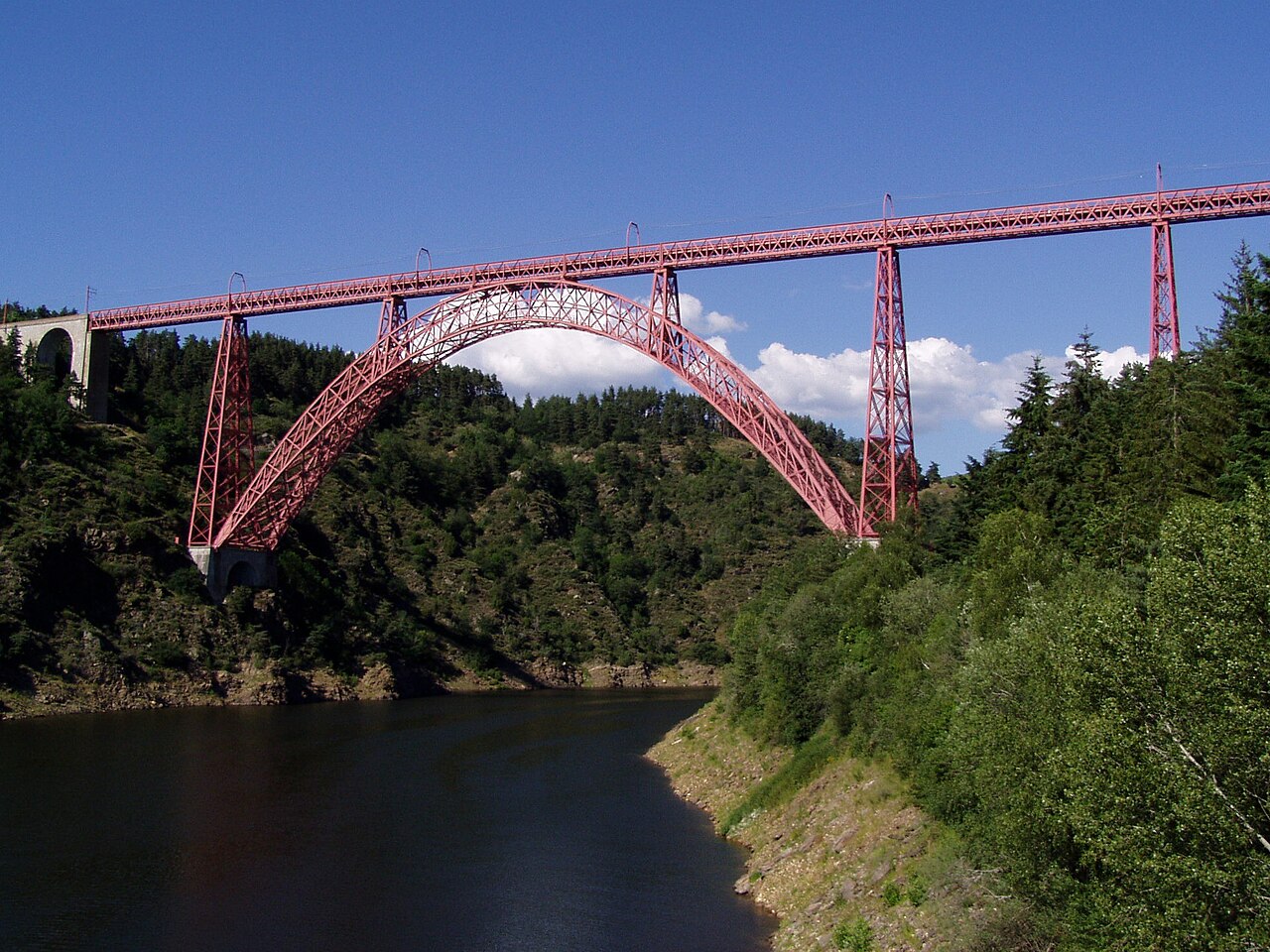
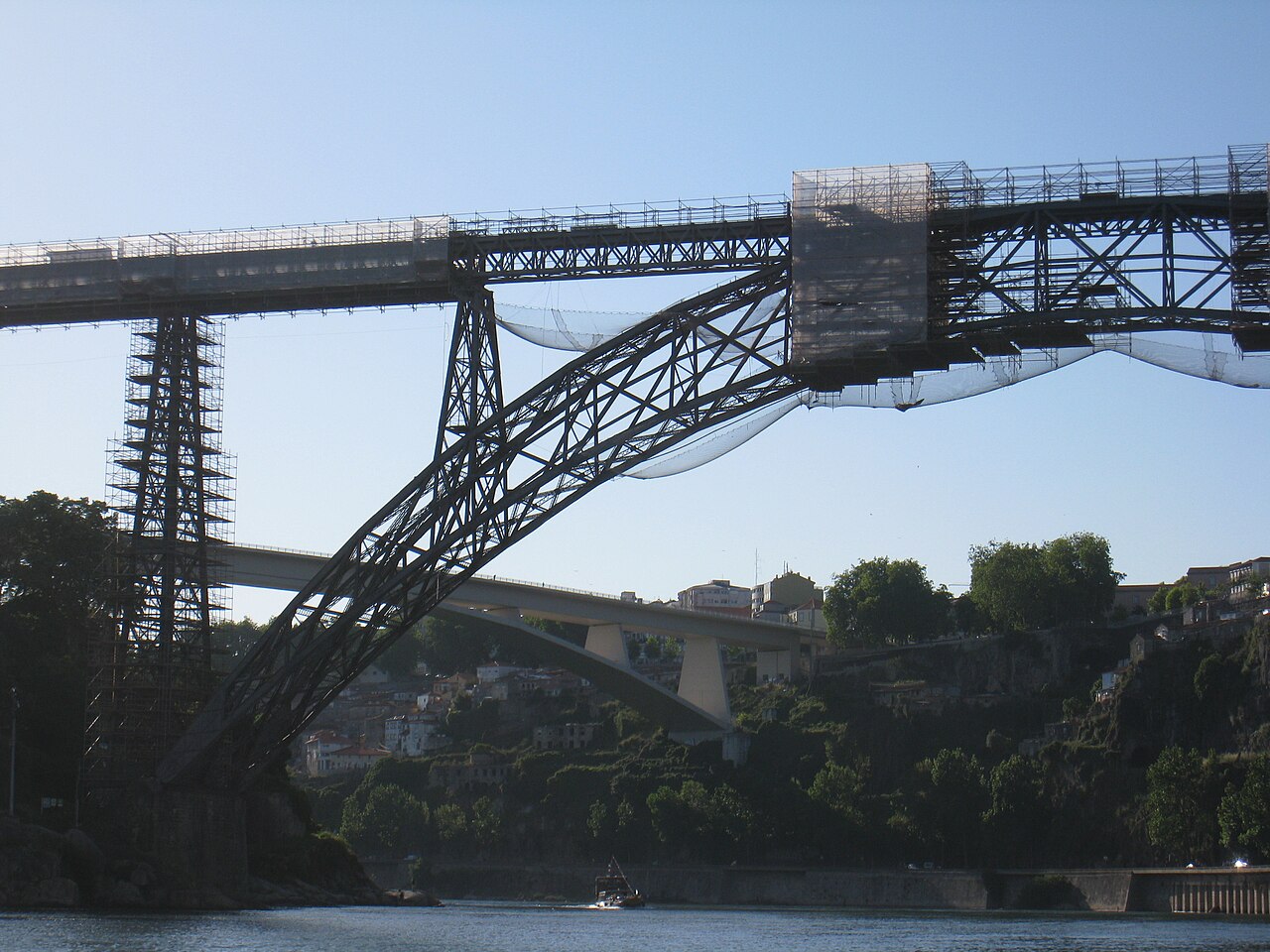
Garabit Viaduct
Gustave Eiffel · 1882-1884
A railway arch bridge over the Truyère river in France, built by Eiffel's company and considered his most celebrated bridge before the Eiffel Tower.
This bridge, built by Eiffel's company, was his most celebrated work before the tower and trained the team that designed it.
About this source
What it is
The Garabit viaduct is a railway arch bridge crossing the Truyère river in the Massif Central region of France. It was built between 1882 and 1884 by Gustave Eiffel's company, with structural engineering by Maurice Koechlin, and opened in 1885.
Why it matters
The bridge used a parabolic arch to cross a deep gorge, and when completed it had the longest arch span in the world. It was built by the same team—including Koechlin—who later designed the Eiffel Tower, making it a crucial testing ground for the ideas used on that larger project. It shows Eiffel's company solving major engineering challenges years before becoming famous for the tower.
Look closer
- What does the choice of a lightweight lattice structure suggest about the engineering priorities of the time?
- Why might a railway bridge in a remote mountain region matter as much to history as a tower in the capital?
- What connects this bridge's design to the later Eiffel Tower?
This artifact is part of the curated material that grounds the AI version of Gustave Eiffel on Humy.ai — when students ask about related events, the AI can quote it and cite it.
More Gustave Eiffel sources
Browse all 92 →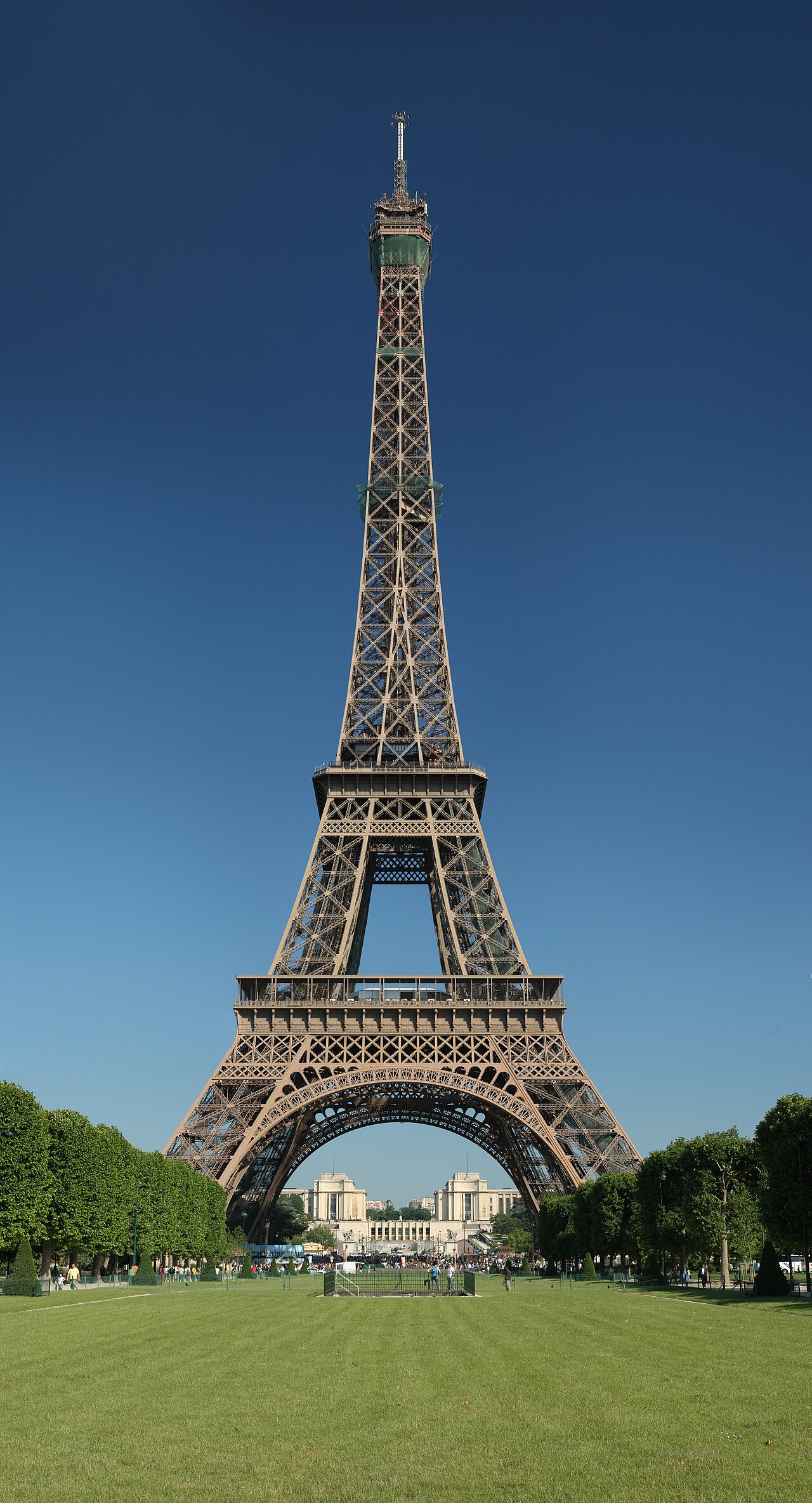 Artifact
Primary source
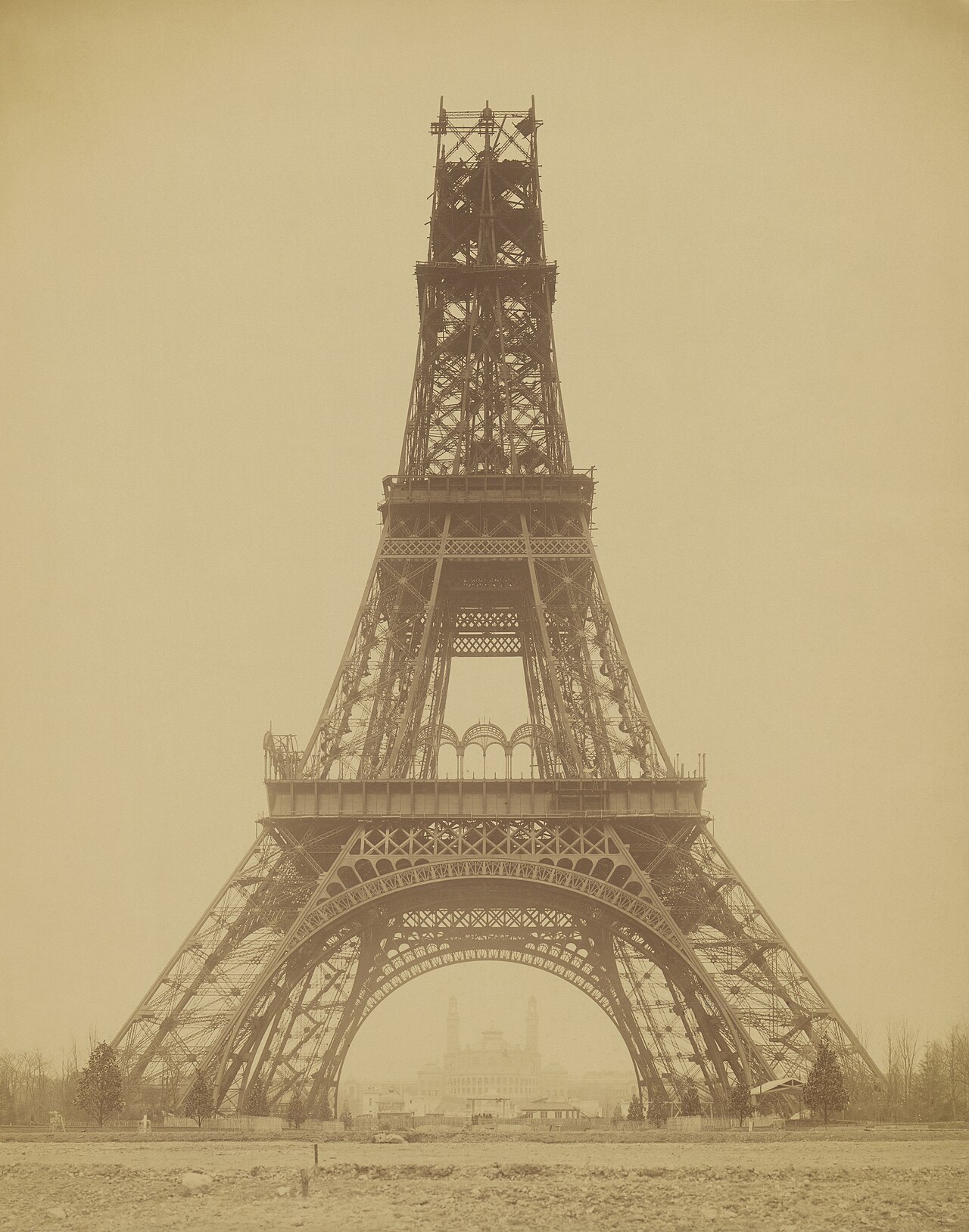
Eiffel Tower
Compagnie des Établissements Eiffel · 1887-1889
 Artifact
Secondary source
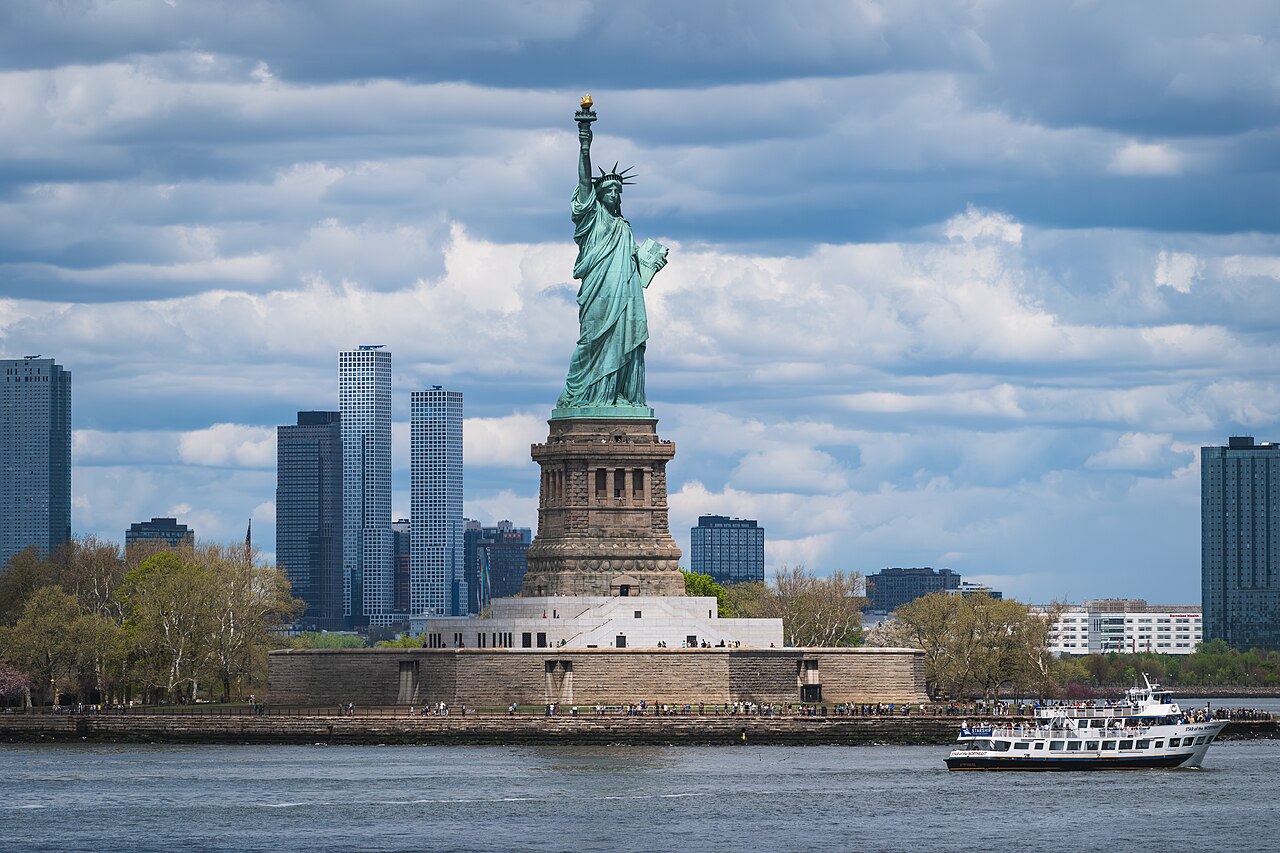
Statue of Liberty
Frédéric Auguste Bartholdi · 1886
 Document
Primary source
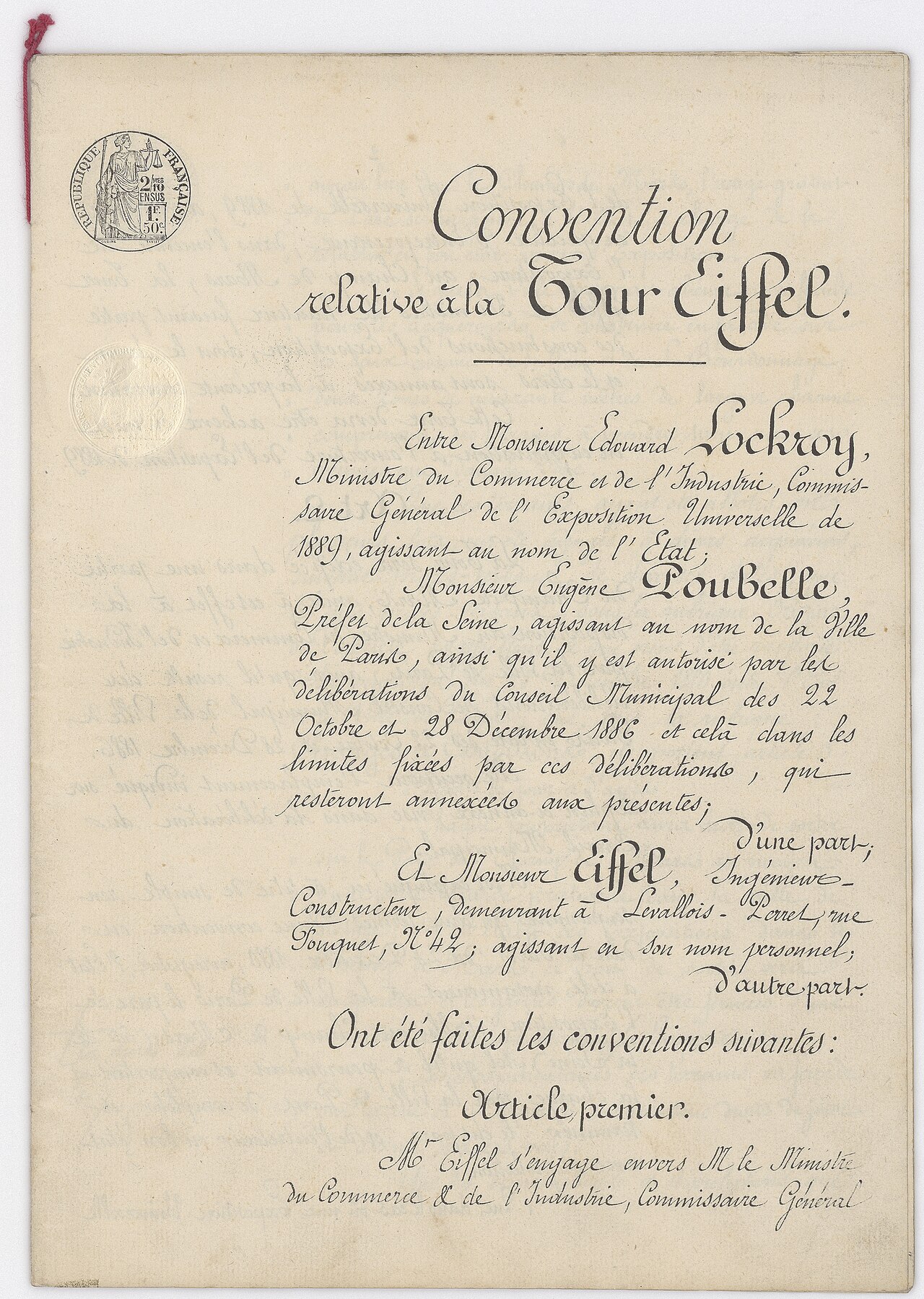
Convention relative à la Tour Eiffel
8 January 1887
 Photograph
Primary source
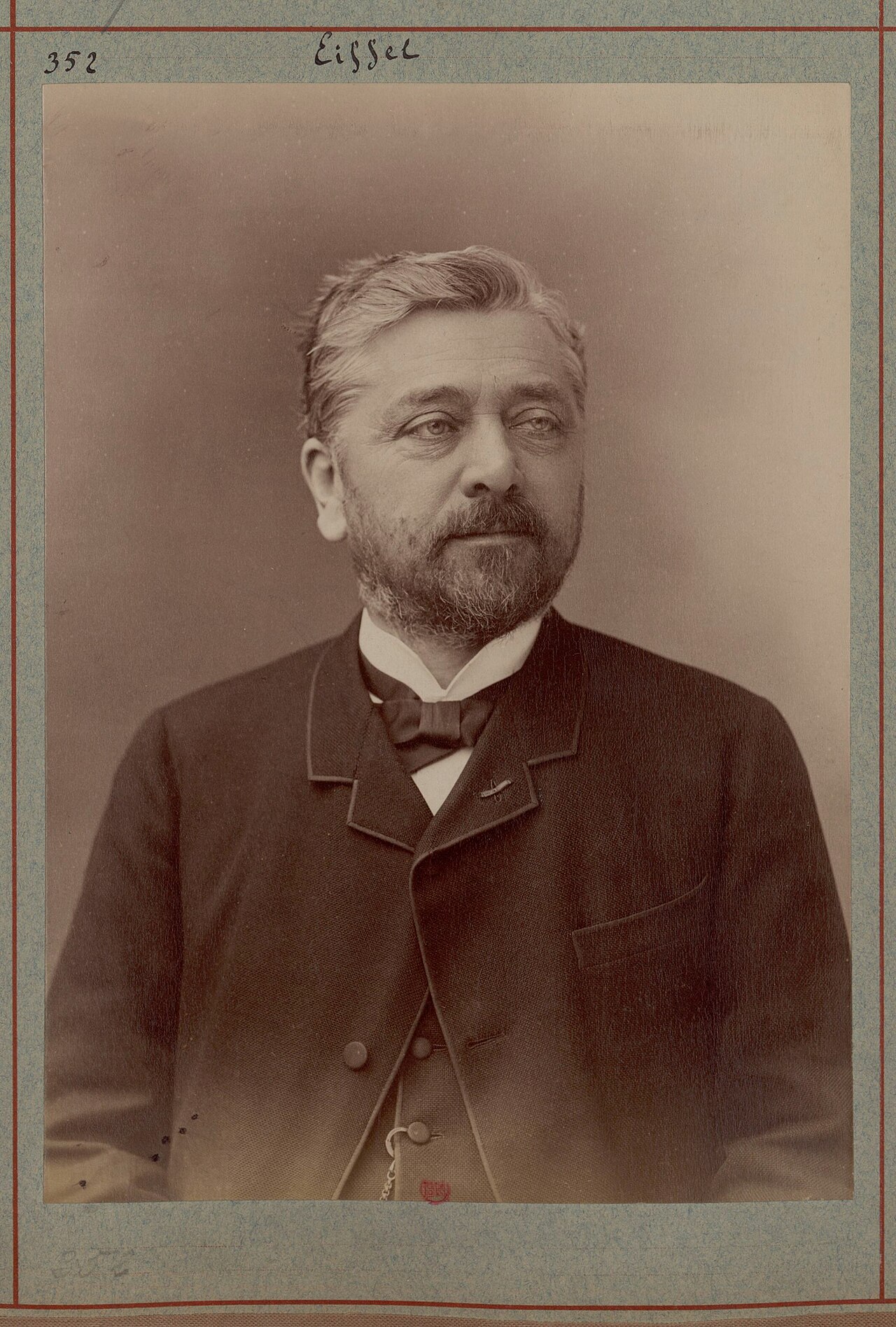
Portrait of Gustave Eiffel
Nadar · 1888
Free account
Read every Gustave Eiffel source
Sign up free →
Ready when you are
Start chatting with Gustave Eiffel now.
20 messages free · No credit card · Available in 50+ languages.