


Primary sourceSpeech19 September 1796
George Washington's Farewell Address
George Washington · 19 September 1796
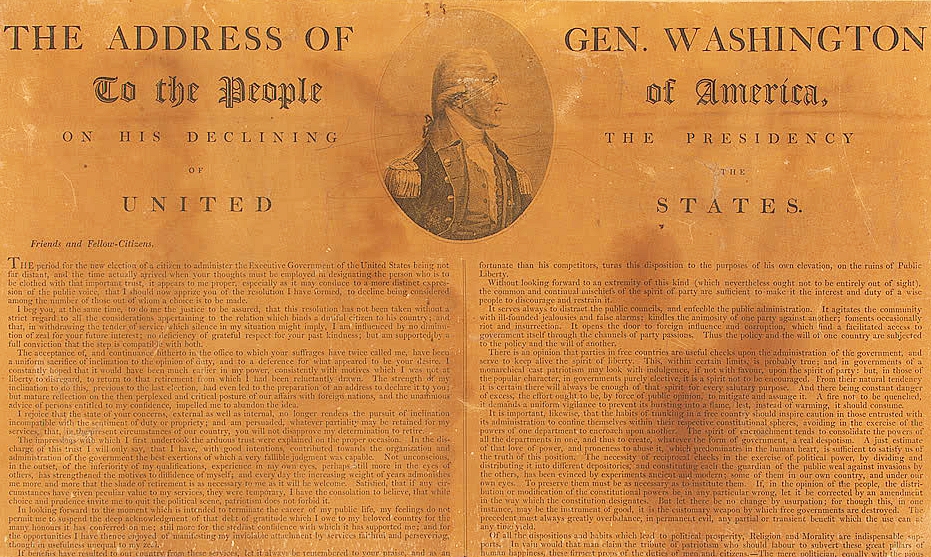
The 1796 farewell letter from President Washington to the American people, drafted largely by Hamilton.
Hamilton drafted most of the address's text, shaping its warnings against faction and foreign influence.
About this source
What it is
This is George Washington's 1796 farewell letter to the American people, announcing he would not seek a third term. It was first published in a newspaper and then widely reprinted as a pamphlet and broadside.
Why it matters
Although the ideas came from Washington, most of the actual writing was done by Alexander Hamilton, building on an earlier draft by James Madison. The address warns against political faction, sectionalism, and foreign entanglement. It shows how closely Hamilton shaped Washington's public voice and policies during the early republic.
Look closer
- Why might Washington have wanted help writing such an important public statement?
- What does it mean that the ideas are credited to Washington but much of the writing to Hamilton?
- What warnings in the address still feel relevant, and what does that suggest about the fears of the time?
This speech is part of the curated material that grounds the AI version of Alexander Hamilton and George Washington on Humy.ai — when students ask about related events, the AI can quote it and cite it.
More Alexander Hamilton sources
Meet the AI Alexander Hamilton →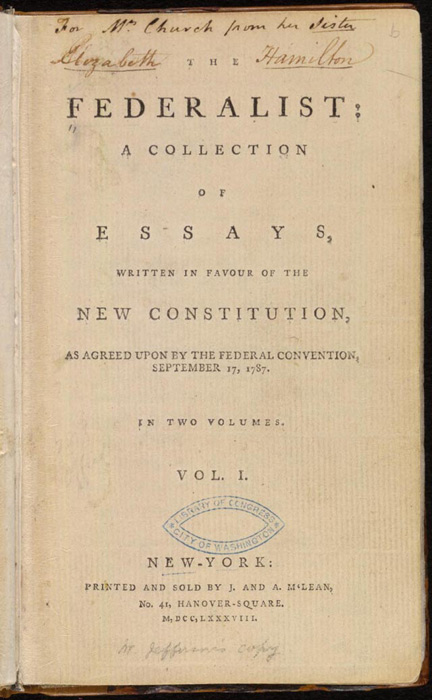 Book
Primary source
The Federalist Papers
Alexander Hamilton, James Madison, John Jay · 1788
Primary source
Federalist No. 78
Alexander Hamilton · 1788
Primary source
Federalist No. 70
Alexander Hamilton · 15 March 1788
 Document
Primary source
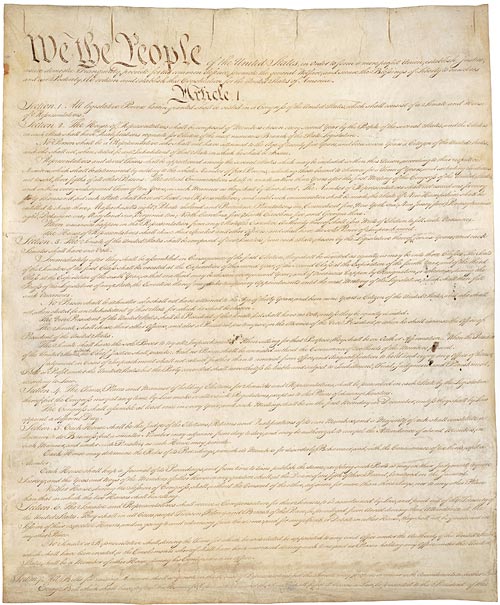
United States Constitution
Constitutional Convention · 17 September 1787
 Document
Primary source
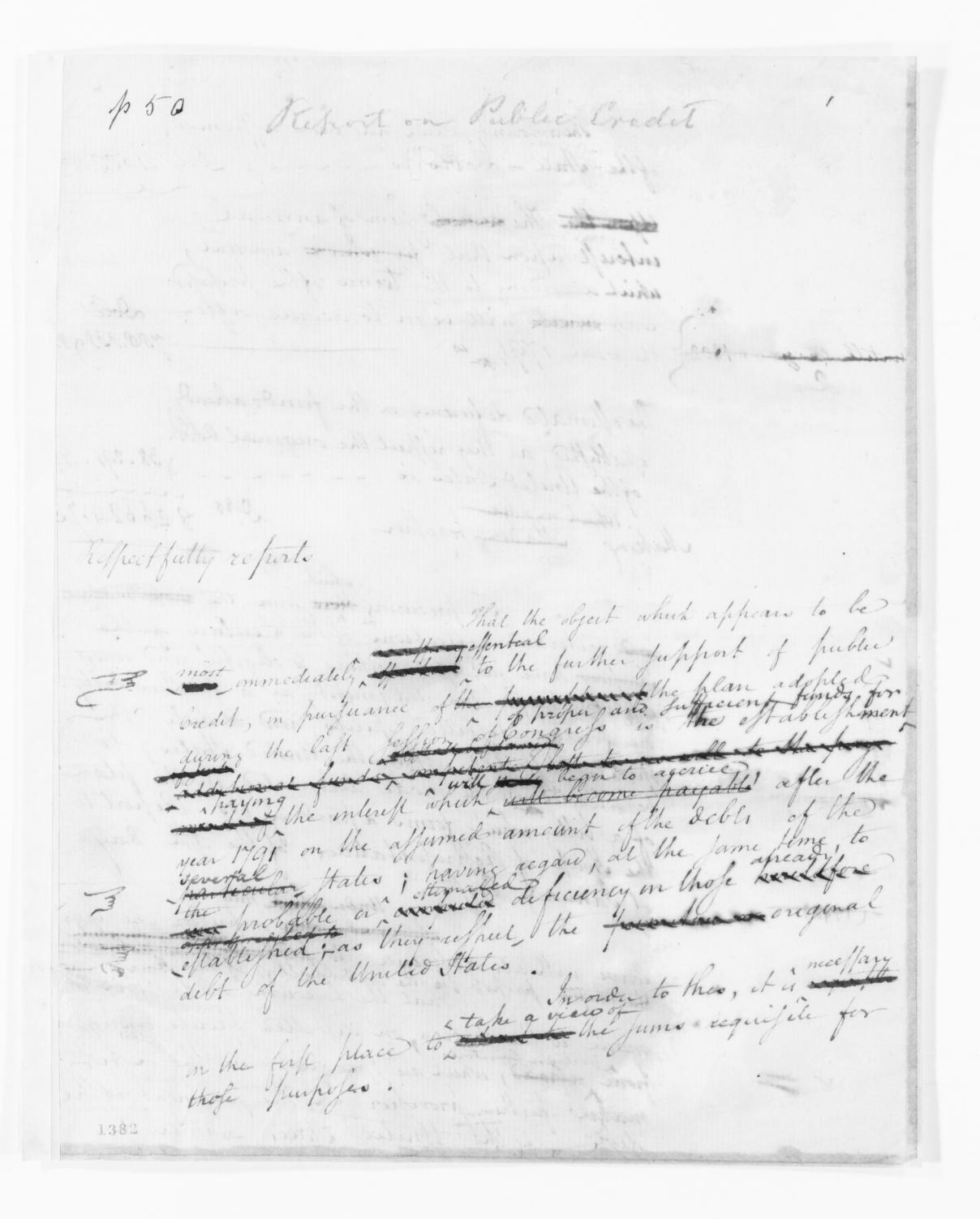
First Report on the Public Credit
Alexander Hamilton · 1790
Ready when you are
Start chatting with Alexander Hamilton now.
20 messages free · No credit card · Available in 50+ languages.