


Primary sourceBook1885
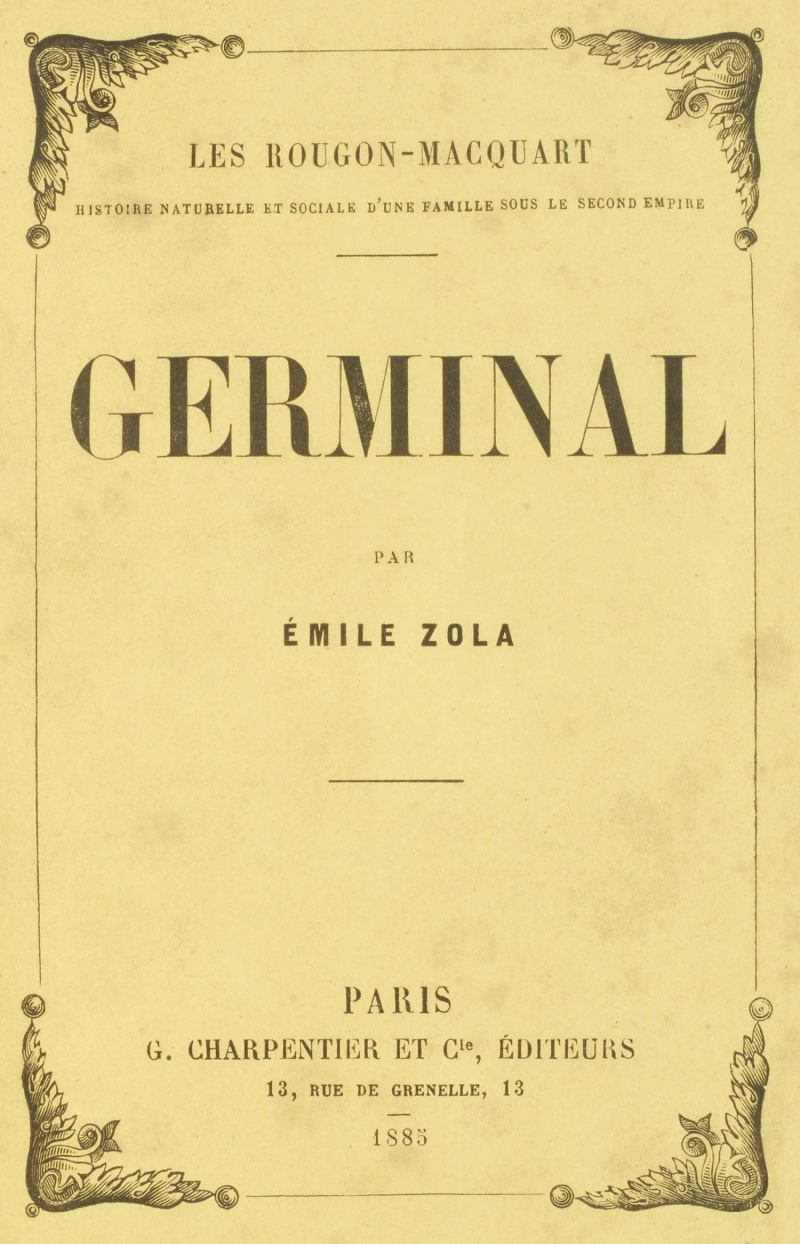
Germinal
Émile Zola · 1885
Zola's novel about a coal miners' strike in northern France, based on his own research in mining towns, often considered his masterpiece.
Zola wrote this novel, applying his naturalist method and fieldwork to depict industrial labour and strikes.
Free Humy account · No credit card · 120,912 sources to read
About this source
What it is
Germinal is a novel by Émile Zola, the thirteenth book in his twenty-volume series Les Rougon-Macquart. Written between 1884 and 1885, it was first serialized in a periodical and then published as a book in March 1885.
It tells the story of a miners' strike in the fictional town of Montsou, centered on the migrant worker Étienne Lantier, and was based on months Zola spent travelling through real mining districts in northern France and Belgium taking notes.
Why it matters
The novel is seen as one of the most significant works of French literature, portraying poverty, class conflict and industrial labour with harsh realism. It shows Zola's naturalist method of close research applied to social struggle, and it became a lasting symbol for working-class causes; crowds reportedly chanted its title at his funeral.
- Why might Zola have spent months in mining towns before writing this story?
- What does the title, referring to a spring month, suggest about how Zola wanted readers to feel at the end?
- How might a novel shape public sympathy for workers differently than a newspaper report?
This book is part of the curated material that grounds the AI version of Émile Zola on Humy.ai — when students ask about related events, the AI can quote it and cite it.
More Émile Zola sources
Browse all 98 →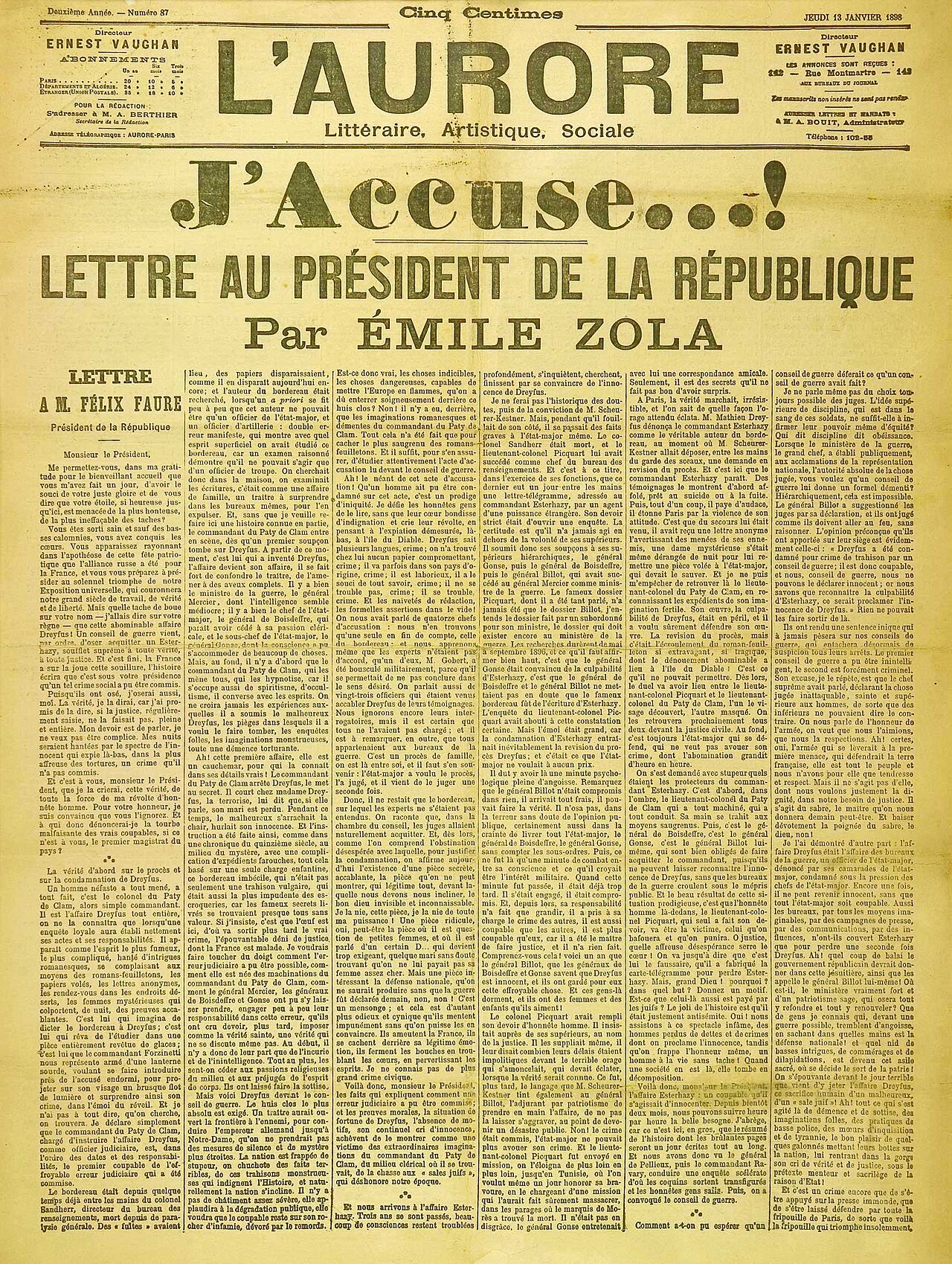 Newspaper article
Primary source
J'accuse…!
Émile Zola · 13 January 1898
 Newspaper article
Primary source
J’accuse…!, paru dans L’Aurore, 13 janvier 1898
Émile Zola · 13 January 1898
 Book
Primary source
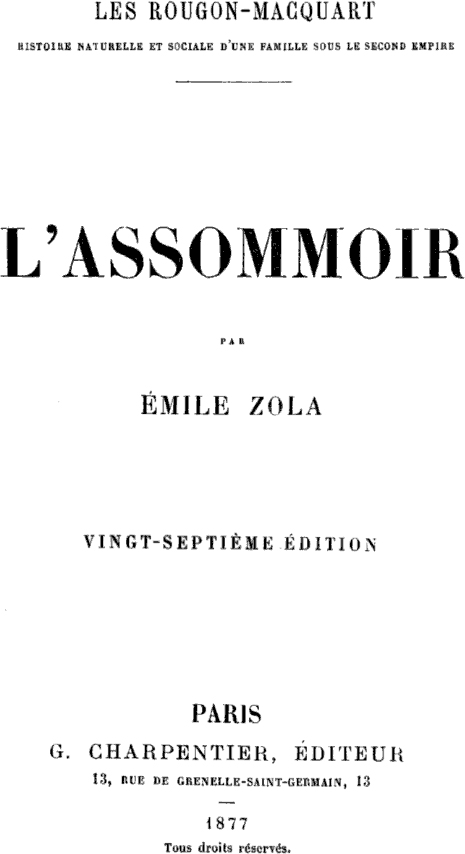
L'Assommoir
Émile Zola · 1876-1877
 Book
Primary source
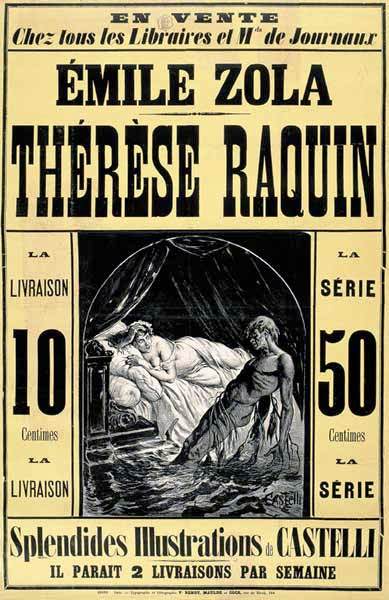
Thérèse Raquin
Émile Zola · 1867
Free account
Read every Émile Zola source
Sign up free →
Ready when you are
Start chatting with Émile Zola now.
20 messages free · No credit card · Available in 50+ languages.