


Primary sourceBook1912
Gitanjali (Song Offerings)
Rabindranath Tagore · 1912
Tagore's own English prose translations of his Bengali poems, the collection that helped win him the Nobel Prize in Literature.
Tagore's own translation of his Bengali poems, the work that brought him the Nobel Prize in Literature.
About this source
What it is
Gitanjali (Song Offerings) is a collection of poems originally written in Bengali by Rabindranath Tagore and translated into English prose by Tagore himself. It was published in 1912 by Macmillan and Co. The text is available on Wikisource with an introduction describing the strong impression the poems made on English readers.
Why it matters
This collection is one of Tagore's most famous works and played a major role in bringing him international recognition, including the Nobel Prize in Literature. The introduction shows how unfamiliar English readers were with Tagore and Indian literary traditions before these translations appeared, highlighting the cultural bridge the book created.
Look closer
- Why might Tagore have chosen prose rather than verse for his English translations?
- What does the introduction's comparison to European poets suggest about how Western readers viewed Tagore's work?
- What might be lost in translating poems from Bengali into English prose?
This book is part of the curated material that grounds the AI version of Rabindranath Tagore on Humy.ai — when students ask about related events, the AI can quote it and cite it.
More Rabindranath Tagore sources
Meet the AI Rabindranath Tagore →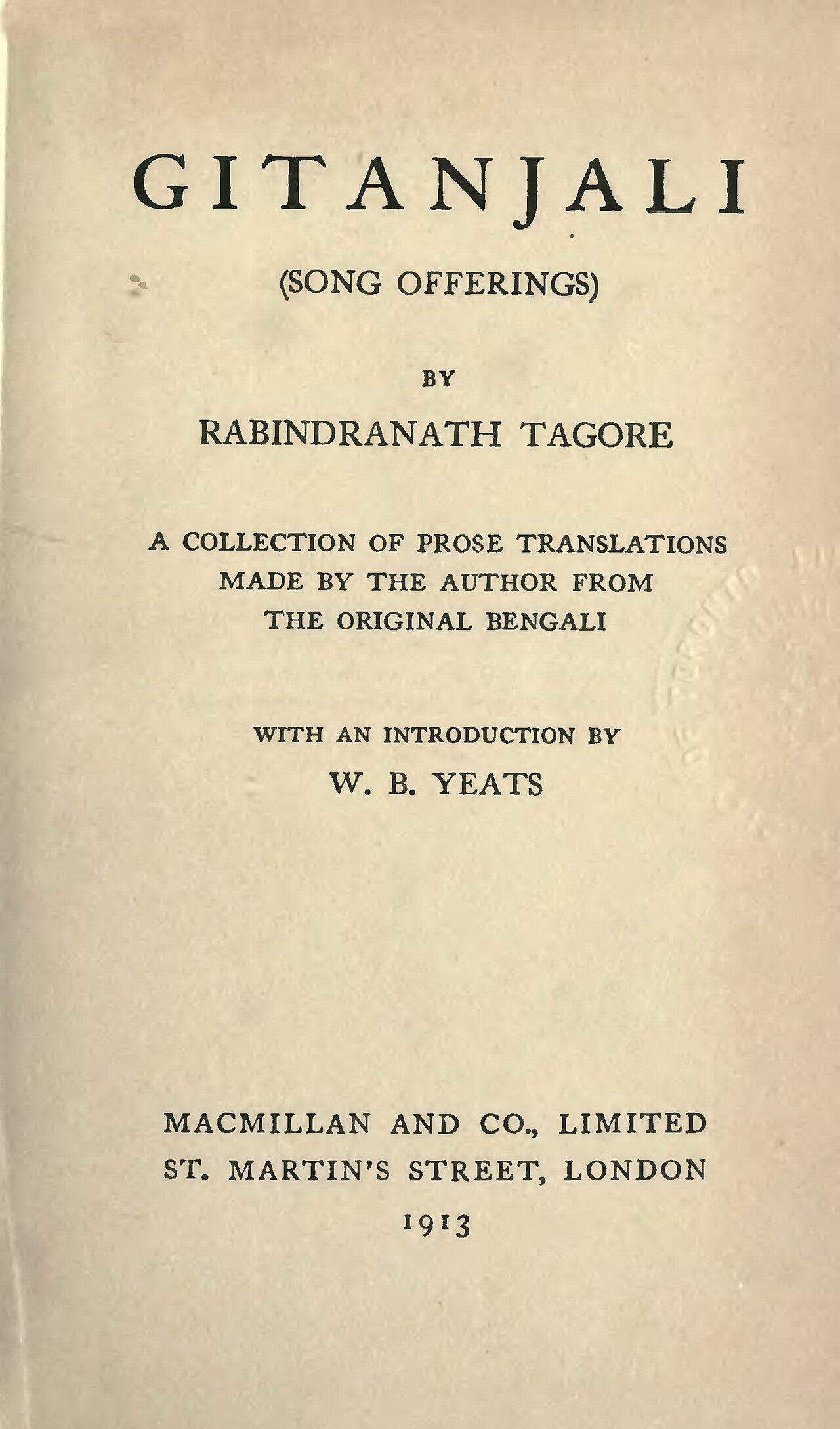 Book
Primary source
Song Offerings
Rabindranath Tagore · 1912
 Photograph
Primary source
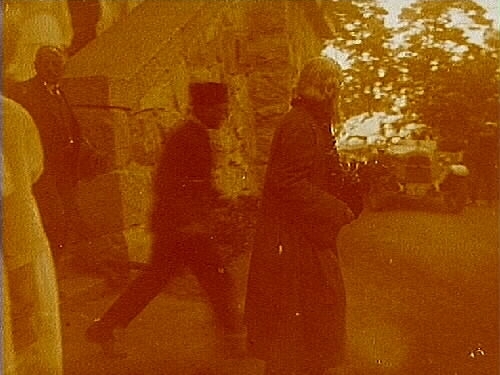
Tagore Leaves the Sigtuna Foundation
Bertil Waldén · May 1921
BookPrimary source
Gitanjali
Rabindranath Tagore · 1910
 Photograph
Primary source
Tagore with K.B. Westman and M. Björkqvist
Bertil Waldén · May 1921
 Document
Primary source
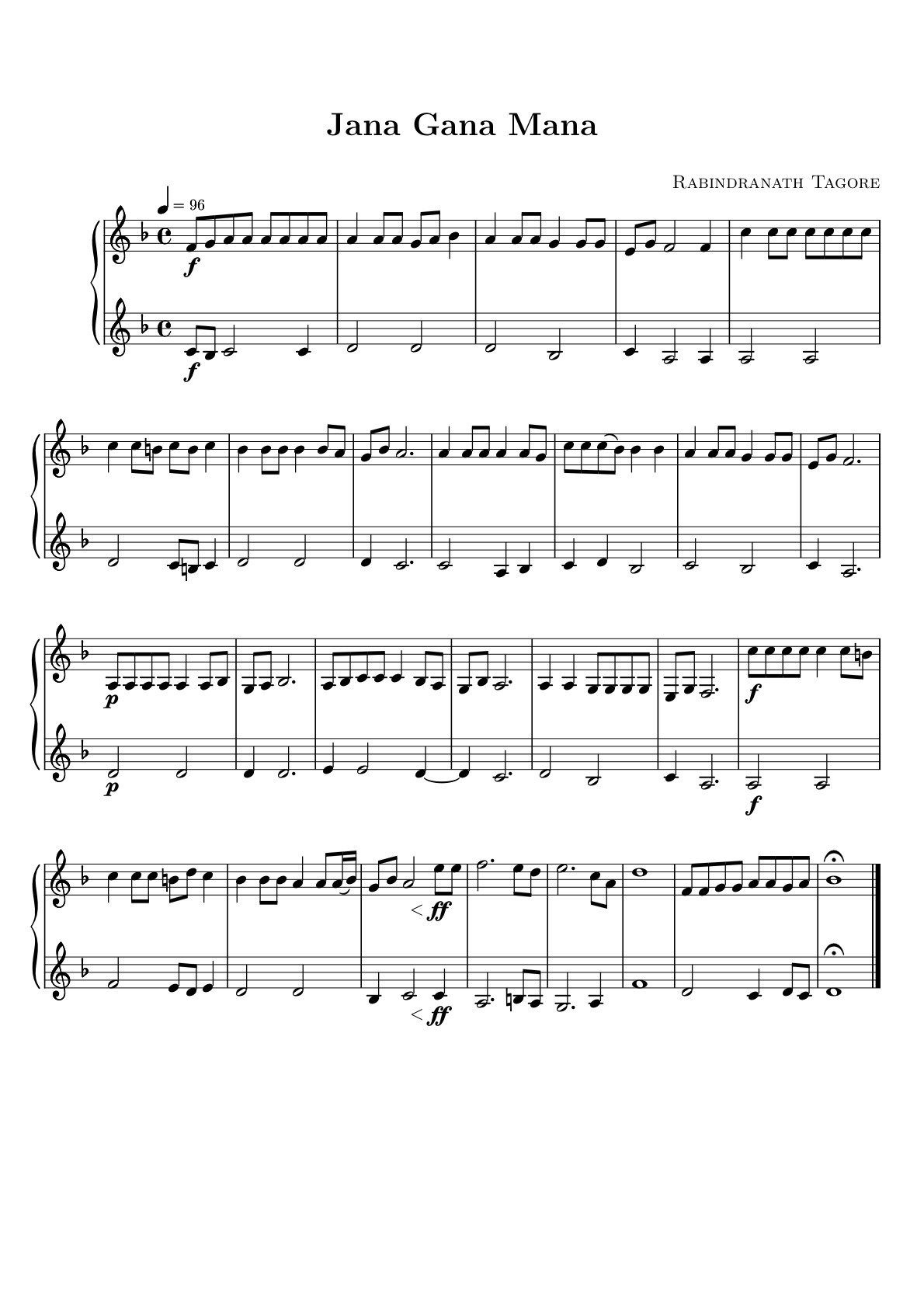
Jana Gana Mana
Rabindranath Tagore · 11 December 1911
Ready when you are
Start chatting with Rabindranath Tagore now.
20 messages free · No credit card · Available in 50+ languages.