


Primary sourceDocumentc. 1713-1715
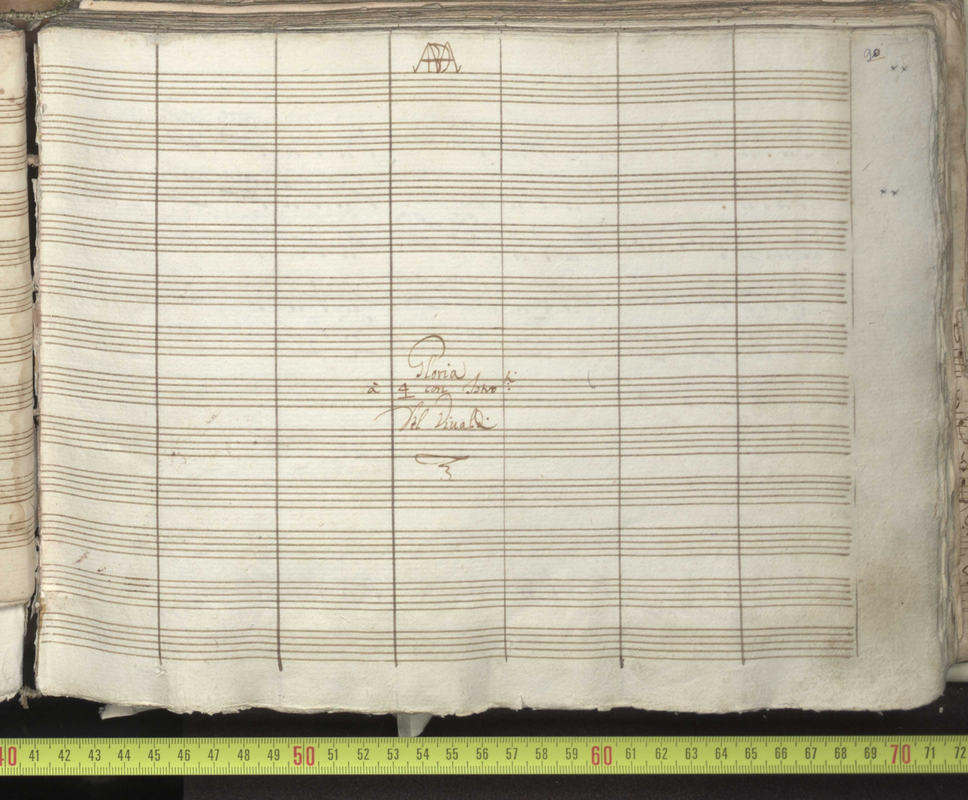
Gloria in D Major, RV 589
Antonio Vivaldi · c. 1713-1715
Vivaldi's best-known sacred choral work, written for the female choir and orchestra of the Ospedale della Pietà where he worked as a priest-musician.
Vivaldi's own manuscript of his most famous sacred work, reflecting his role as a priest and church composer.
About this source
What it is
This is a setting of the Gloria in excelsis Deo, a text from the Catholic mass, composed by Antonio Vivaldi, likely around 1715, for the choir and orchestra of the Ospedale della Pietà in Venice. It survives in Vivaldi's own handwritten manuscript, part of which is shown here.
Why it matters
Vivaldi is remembered mainly for his instrumental concertos, but he was also an ordained priest and worked for years writing sacred music for the Pietà, an institution that trained orphaned and abandoned girls as musicians. This Gloria shows that side of his career, and scholarly study has shown it drew musical ideas from an earlier Gloria setting by Giovanni Maria Ruggieri, a common practice in the period.
Look closer
- What does the handwriting on this manuscript page tell you about how music was composed and copied before printing was common?
- Why might a priest also be employed to write music for a choir of young women?
- What does borrowing musical ideas from another composer suggest about originality in Baroque music?
This document is part of the curated material that grounds the AI version of Antonio Vivaldi on Humy.ai — when students ask about related events, the AI can quote it and cite it.
More Antonio Vivaldi sources
Browse all 41 →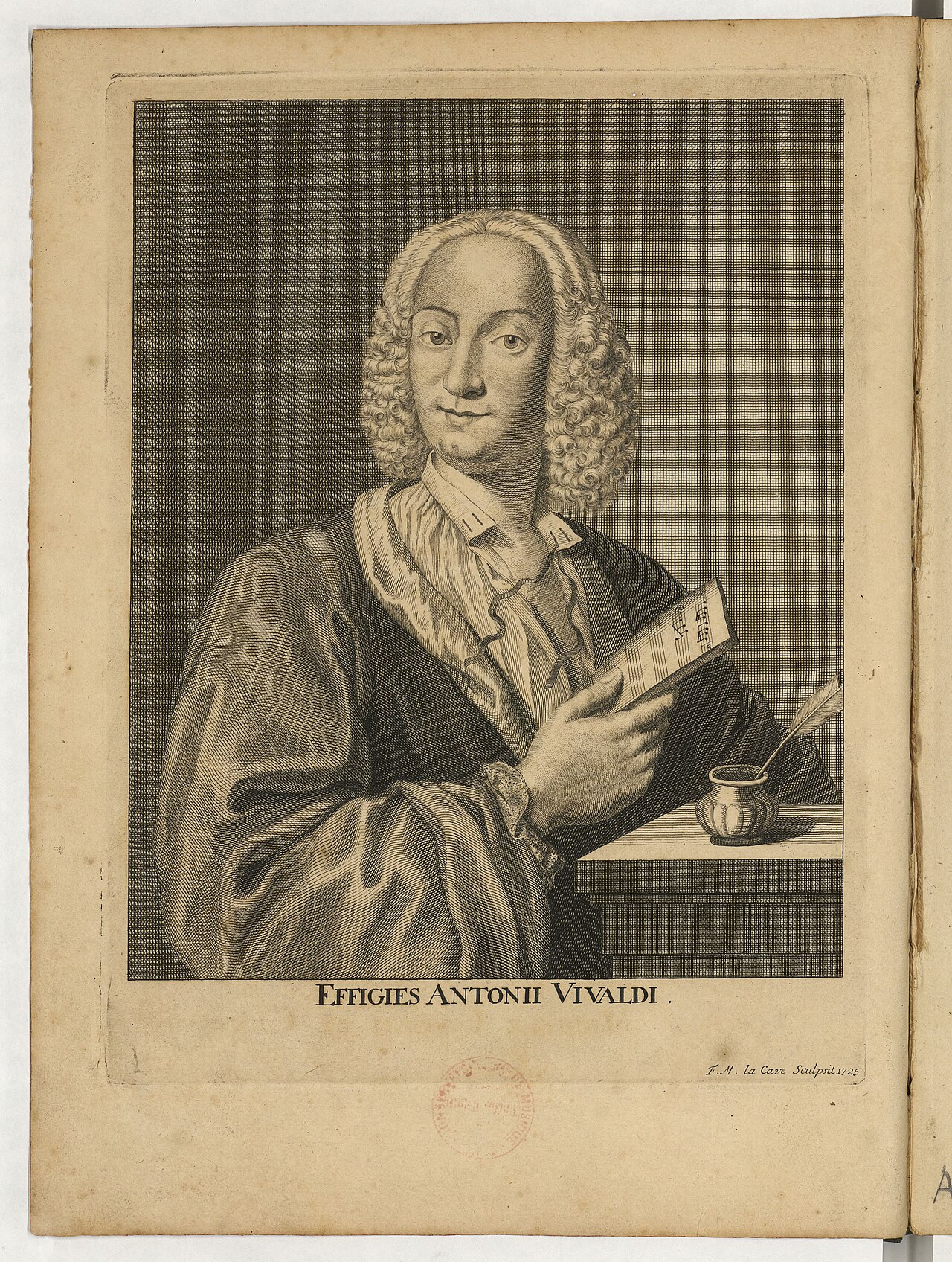 Document
Primary source
Il cimento dell'armonia e delle inventione, Op. 8
Antonio Vivaldi · 1725
 Artifact
Primary source
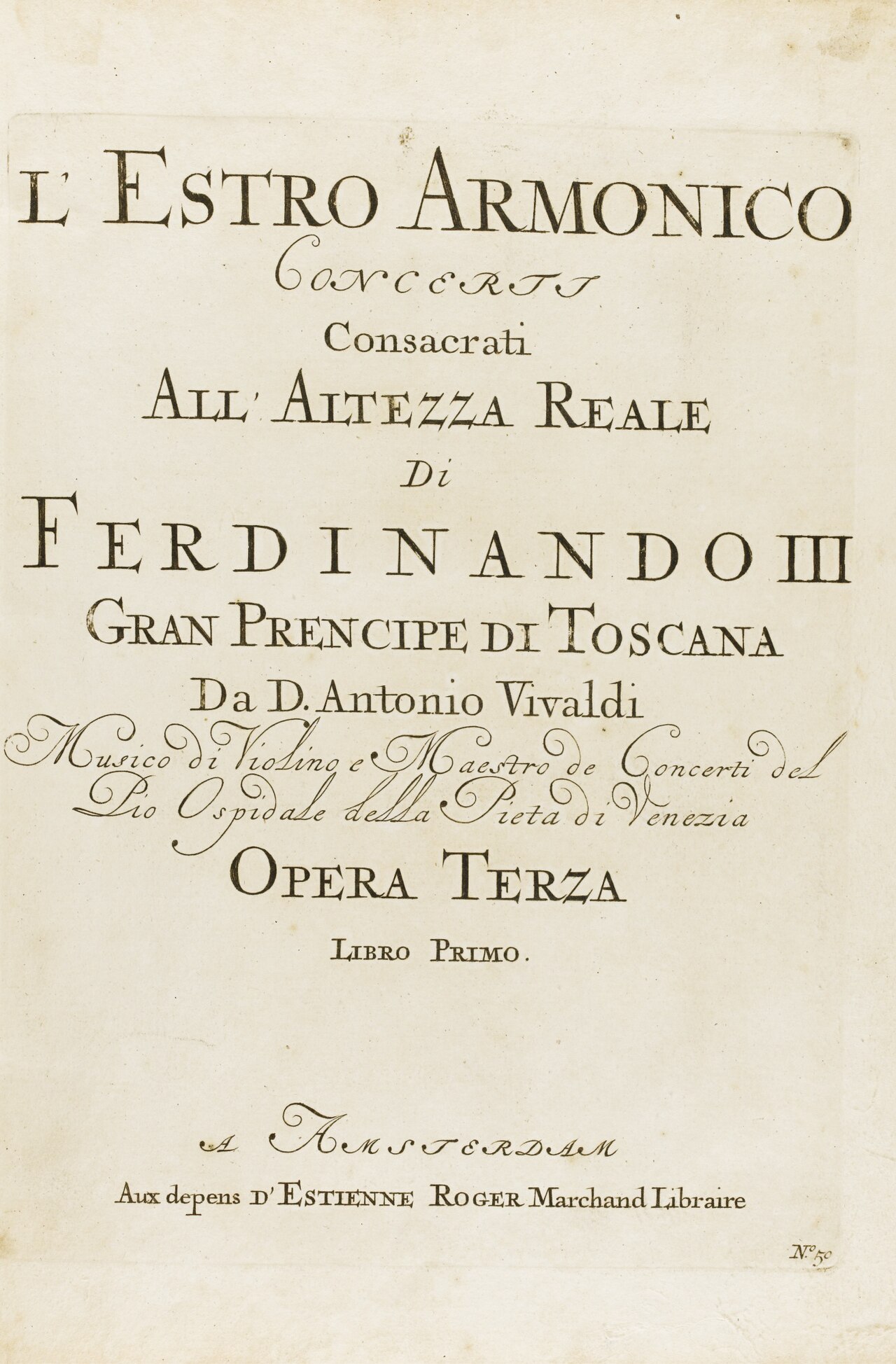
L'estro armonico, Op. 3
Antonio Vivaldi · 1711
 Painting
Primary source
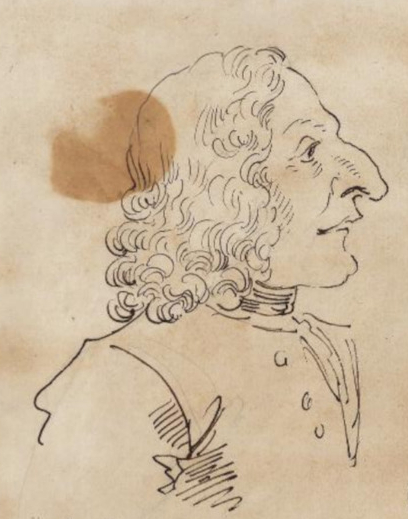
Caricature of Vivaldi
Pier Leone Ghezzi · 1723
 Book
Secondary source
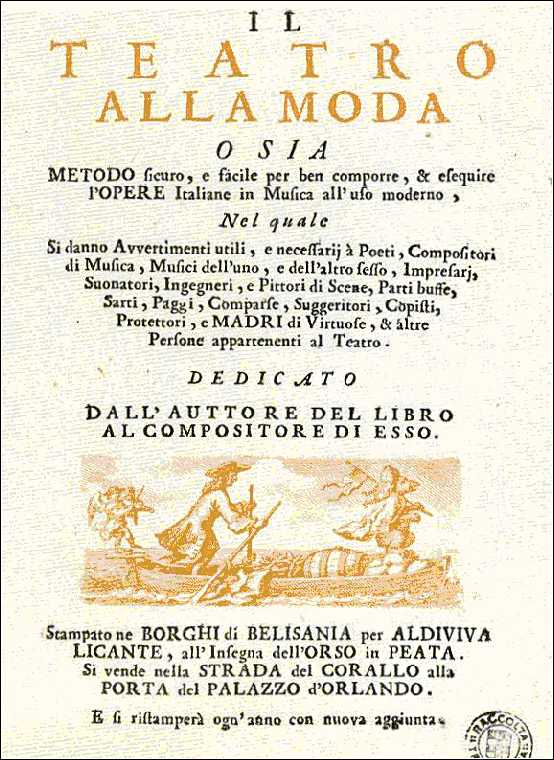
Il teatro alla moda
Benedetto Marcello · 1720
Free account
Read every Antonio Vivaldi source
Sign up free →
Ready when you are
Start chatting with Antonio Vivaldi now.
20 messages free · No credit card · Available in 50+ languages.