


Primary sourceArtifact976–1025
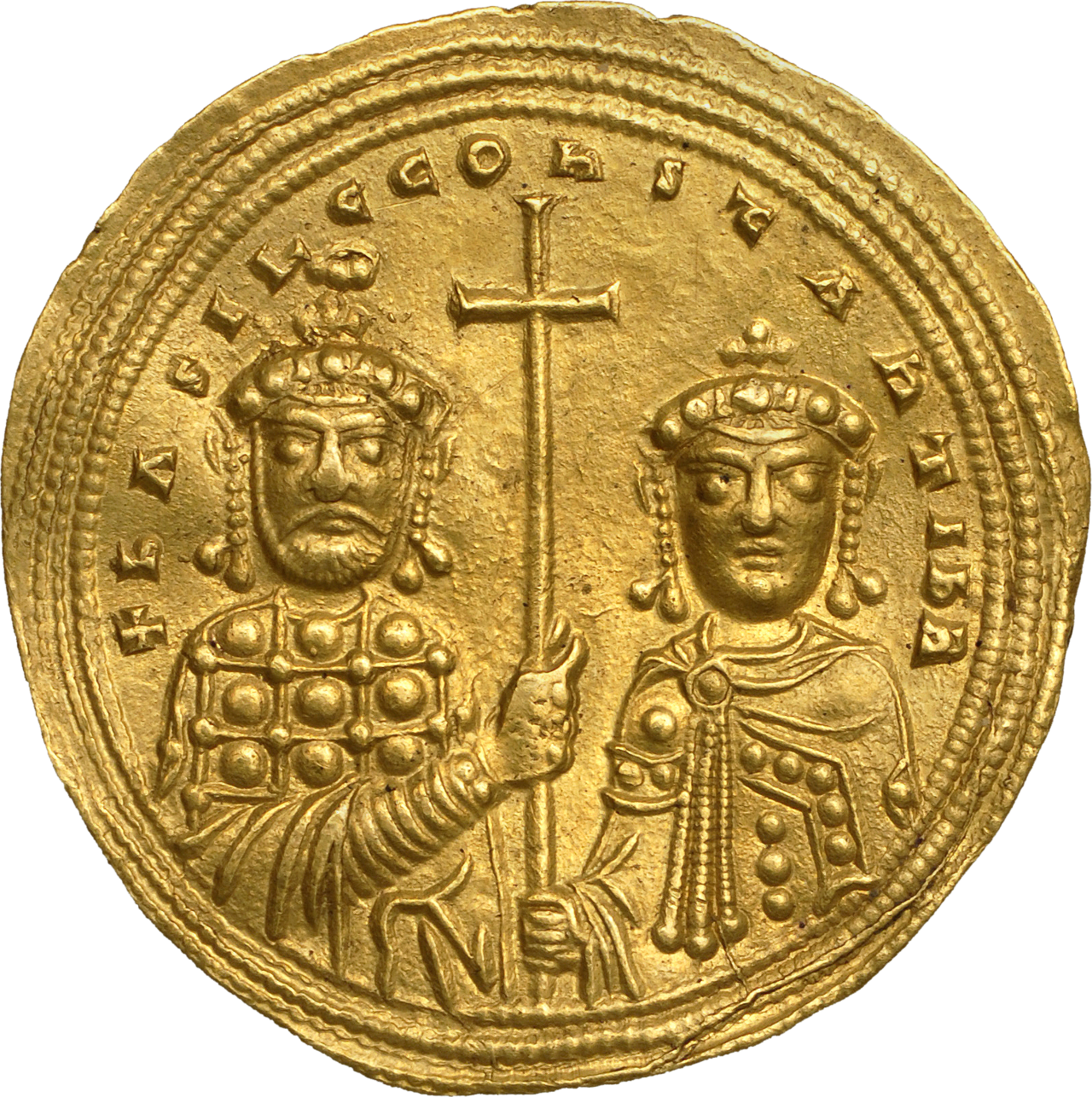
Gold histamenon of Basil II and Constantine VIII
Constantinople mint · 976–1025
A gold coin struck at Constantinople showing the co-emperors Basil II and Constantine VIII holding a cross.
This coin, struck in Basil II's name alongside his brother Constantine VIII, shows their official joint imperial portrait.
About this source
What it is
This gold coin, called a histamenon, was struck at the Constantinople mint during the joint reign of Basil II and his brother Constantine VIII, sometime between 976 and 1025. It shows both crowned emperors standing side by side holding a long cross, surrounded by Greek lettering.
Why it matters
Coins were one of the main ways Byzantine emperors spread their image and authority across the empire. This coin reflects the joint rule of the two brothers and the strength of Byzantine gold currency during Basil's long reign, which was known for a full imperial treasury.
Look closer
- Why would an emperor put his portrait on money that ordinary people used every day?
- What might the cross between the two emperors be meant to symbolise?
- What does the quality of the gold coinage suggest about the empire's economy at this time?
This artifact is part of the curated material that grounds the AI version of Basil II on Humy.ai — when students ask about related events, the AI can quote it and cite it.
More Basil II sources
Browse all 71 →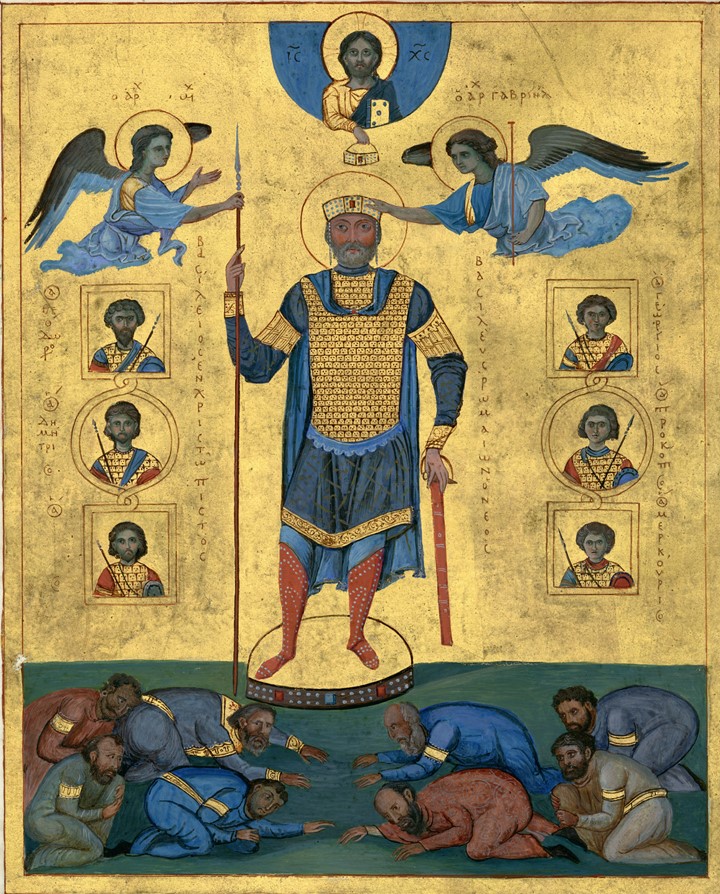 Painting
Primary source
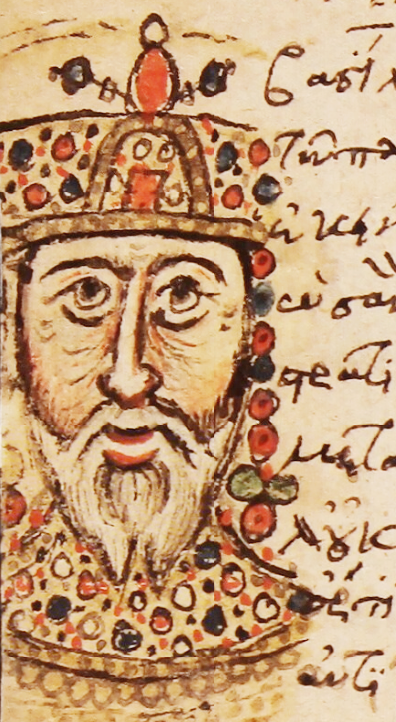
Portrait of Basil II
Unknown Byzantine artist · early 11th century
 Painting
Secondary source
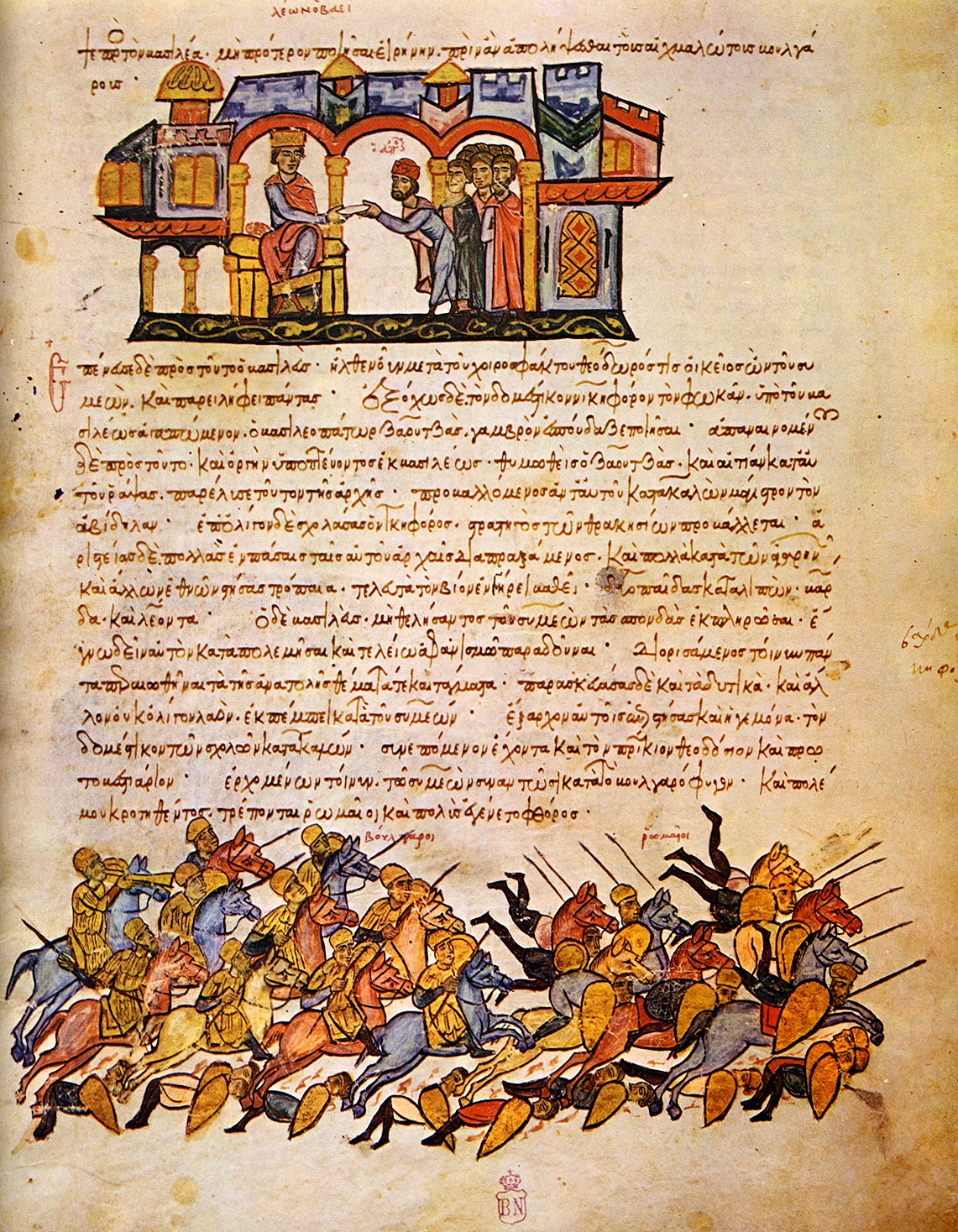
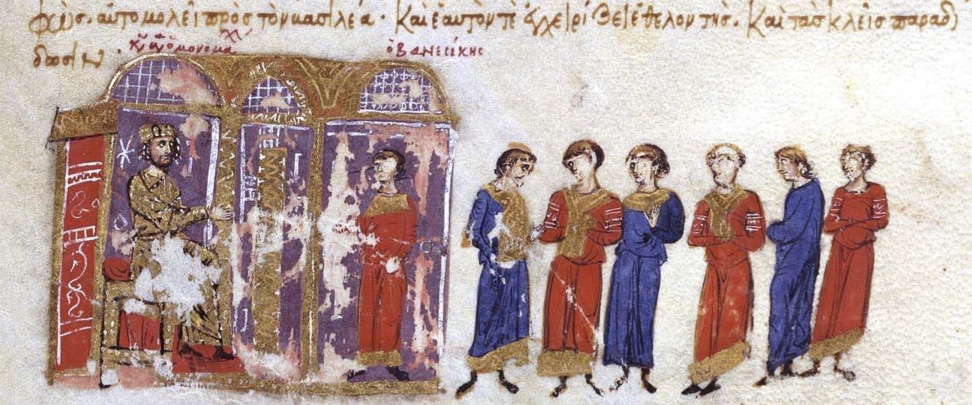
Madrid Skylitzes
John Skylitzes · 12th century
 Book
Primary source
Psalter of Basil II
Unknown Byzantine artist · 1017
 Painting
Secondary source
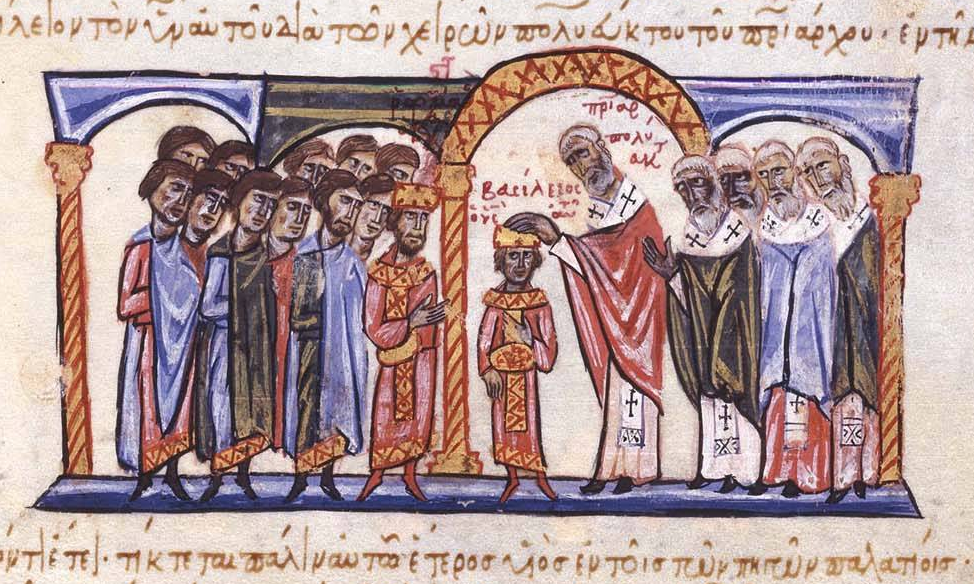
Coronation of Basil II as Co-Emperor by Patriarch Polyeuctus
Unknown 13th-century author · 13th century
Free account
Read every Basil II source
Sign up free →
Ready when you are
Start chatting with Basil II now.
20 messages free · No credit card · Available in 50+ languages.