


Primary sourceArtifact
Graph of Desire, First Part
Jacques Lacan
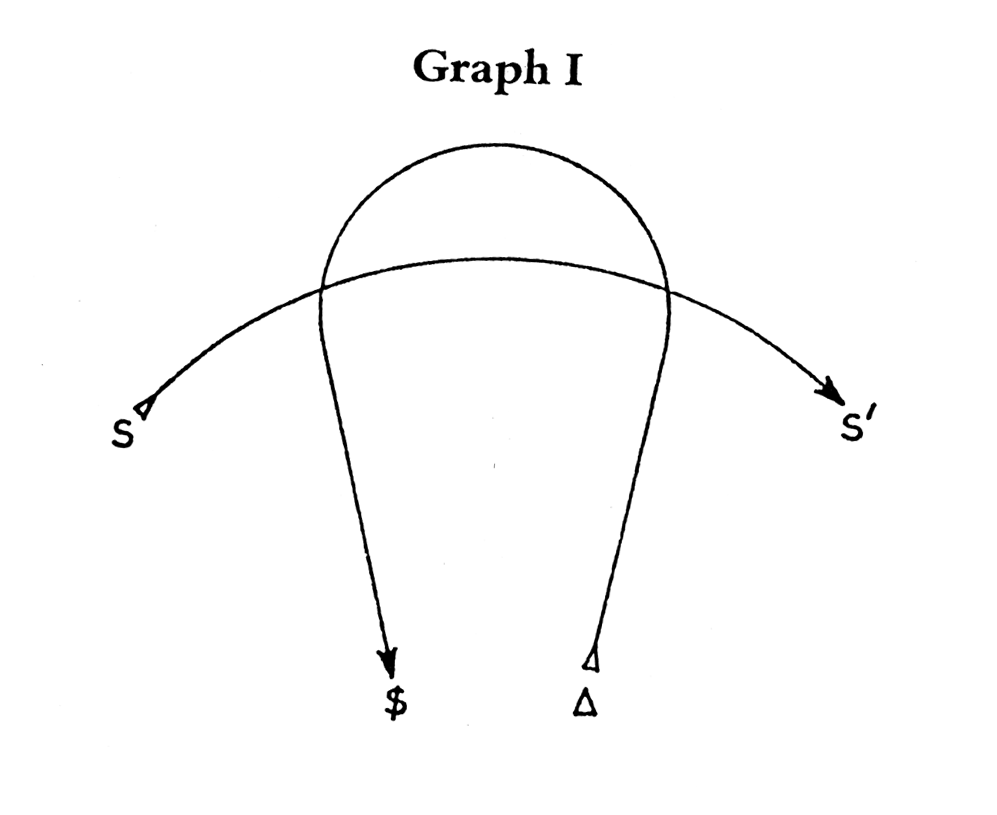
A diagram drawn by Lacan to illustrate the first stage of his 'Graph of Desire', published in his essay on the subversion of the subject.
Lacan drew this diagram himself to formalise his theory of desire, showing his distinctive method of theorising.
About this source
What it is
This is a line drawing made by Jacques Lacan, showing the most basic section of his 'Graph of Desire'. It was published in his essay 'The Subversion of the Subject and the Dialectic of Desire in the Freudian Unconscious'. The diagram shows an arc connecting two points labelled S and S', passing over a loop that descends to symbols representing the barred subject and desire.
Why it matters
Lacan was known for using diagrams like this to formalise psychoanalytic concepts in a way that resembled mathematics or logic rather than ordinary prose. This habit reflects his broader project of trying to give psychoanalysis a more rigorous, structural language, influenced by linguistics and logic of his time.
Look closer
- Why might someone use a diagram instead of words to explain an idea about the unconscious?
- What do the symbols and letters in the graph suggest about how abstract or technical Lacan's thinking could be?
- What might be lost or gained by representing desire as a diagram rather than describing it in sentences?
This artifact is part of the curated material that grounds the AI version of Jacques Lacan on Humy.ai — when students ask about related events, the AI can quote it and cite it.
More Jacques Lacan sources
Browse all 23 →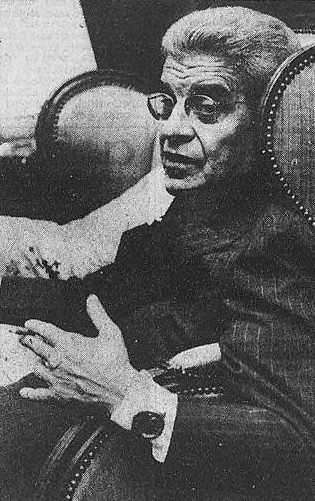 Photograph
Primary source
Jacques Lacan during an Interview, 1969
1969
 Painting
Primary source
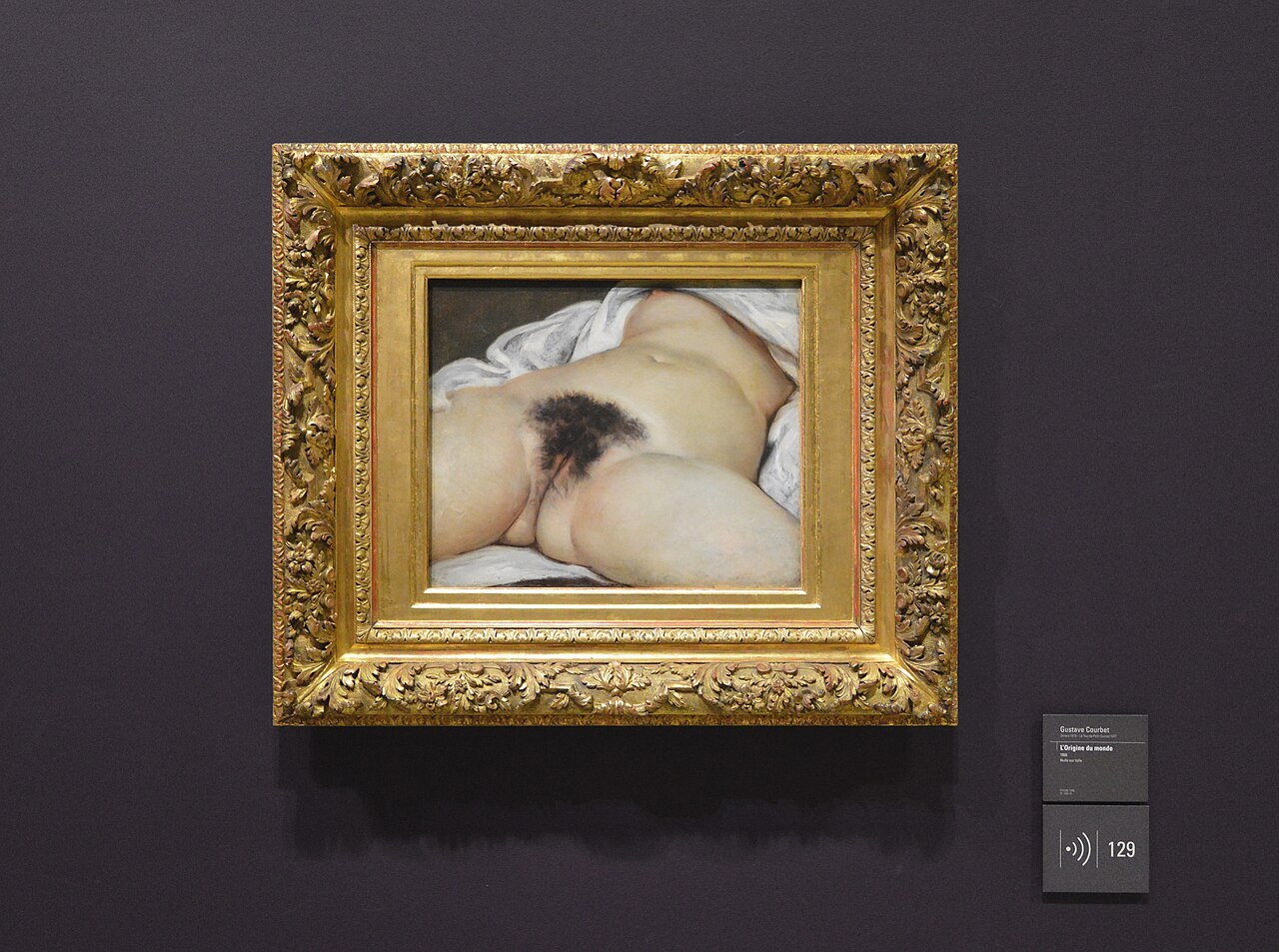
L'Origine du monde
Gustave Courbet
 Photograph
Primary source
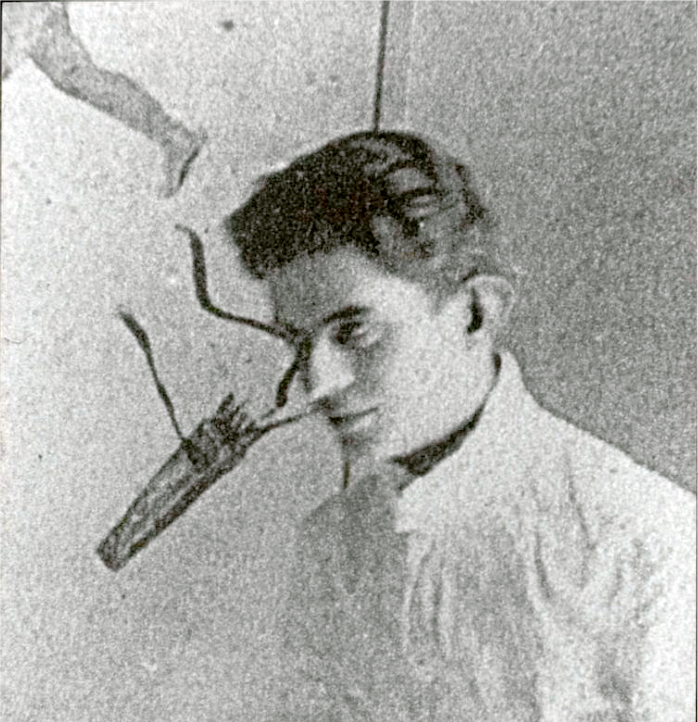
Jacques Lacan in the Hôtel-Dieu Interns' Common Room, c. 1928
c. 1928
 Document
Primary source
Signature of Jacques Lacan
Jacques Lacan



Free account
Read every Jacques Lacan source
Sign up free →
Ready when you are
Start chatting with Jacques Lacan now.
20 messages free · No credit card · Available in 50+ languages.