


Primary sourceArtifact1886
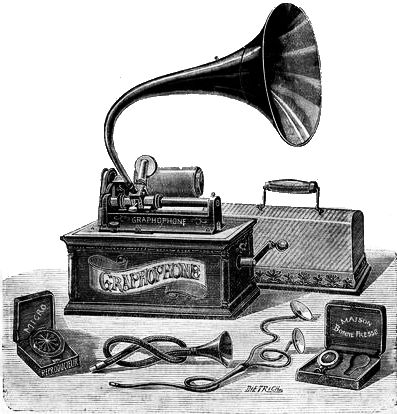
Graphophone
Alexander Graham Bell, Chichester Bell and Charles Sumner Tainter · 1886
An improved sound-recording machine co-invented by Bell with Chichester Bell and Charles Sumner Tainter at his Volta Laboratory, developed from Edison's phonograph.
Bell co-invented the Graphophone at his own Volta Laboratory, funded by his Volta Prize money.
About this source
What it is
The Graphophone was a sound-recording and playback device developed at the Volta Laboratory in Washington, D.C., which Alexander Graham Bell established. It was co-invented in 1886 by Bell, Charles Sumner Tainter, and Chichester Bell. It improved on Thomas Edison's phonograph by using wax-coated cylinders instead of tinfoil, giving better sound quality and longer recordings.
Why it matters
Bell used money from the Volta Prize to fund this research, showing how he reinvested his telephone success into new inventions. The device's commercial history, passing through several companies, eventually led to Columbia Records and the Dictaphone, linking Bell's laboratory work to the later recording industry.
Look closer
- What improvements did the researchers make to the recording cylinder, and why did they matter?
- How does this object show Bell working as part of a team rather than alone?
- Why might companies and investors have competed so hard over these recording patents?
This artifact is part of the curated material that grounds the AI version of Alexander Graham on Humy.ai — when students ask about related events, the AI can quote it and cite it.
More Alexander Graham sources
Meet the AI Alexander Graham →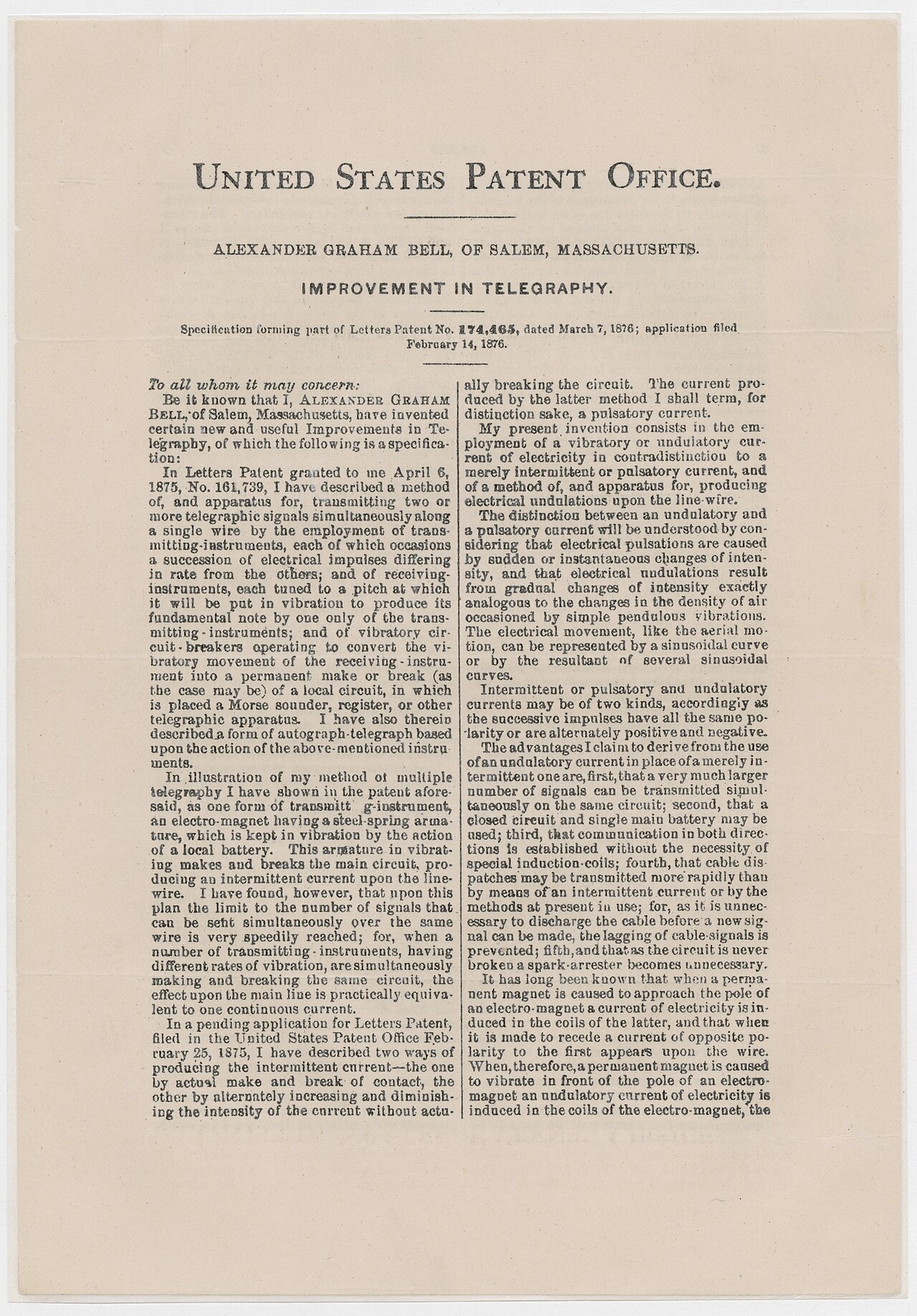 Document
Primary source
U.S. Patent No. 174,465, Improvement in Telegraphy
Alexander Graham Bell · 7 March 1876
Primary source
Recording of the Voice of Alexander Graham Bell
Alexander Graham Bell · 1885
 Painting
Primary source
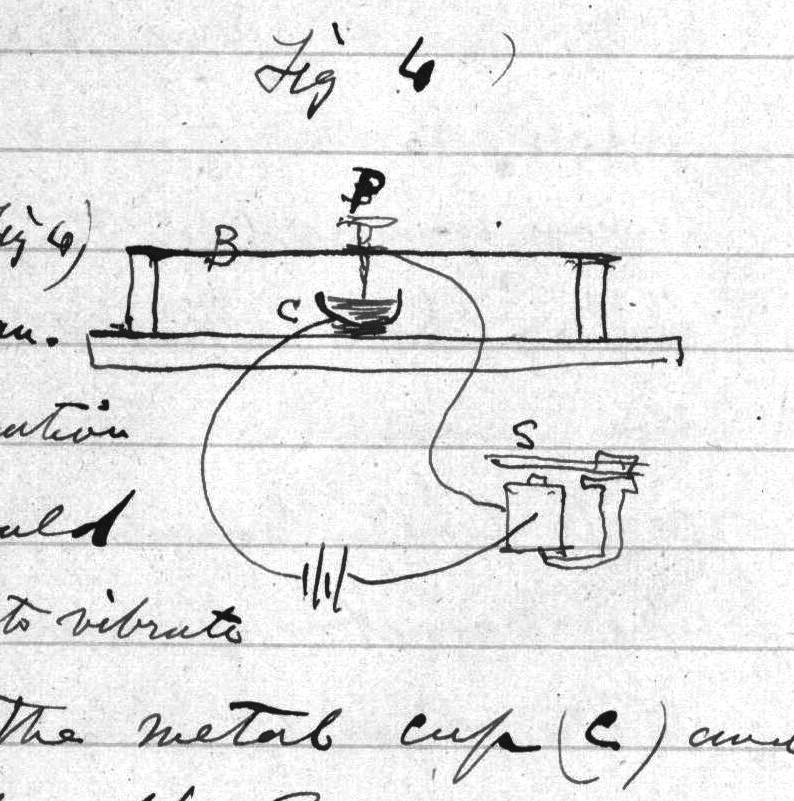
Drawing of a Liquid Transmitter, 8 March 1876
Alexander Graham Bell · 8 March 1876
Primary source
Memoir Upon the Formation of a Deaf Variety of the Human Race
Alexander Graham Bell · 1884
 Photograph
Primary source
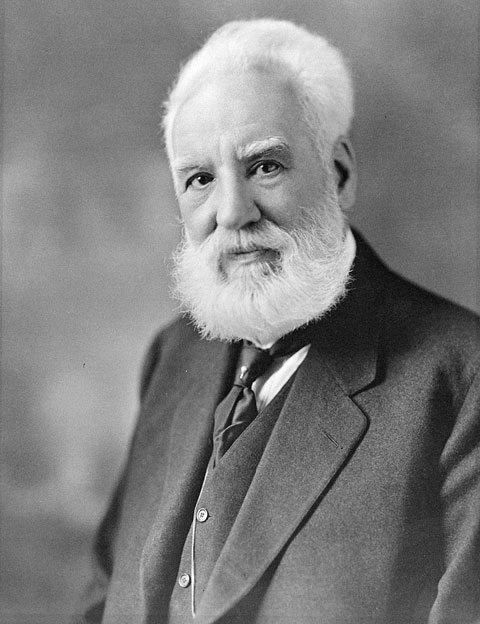
Portrait of Alexander Graham Bell
Moffett Studio
Ready when you are
Start chatting with Alexander Graham now.
20 messages free · No credit card · Available in 50+ languages.