


Secondary sourceArtifact
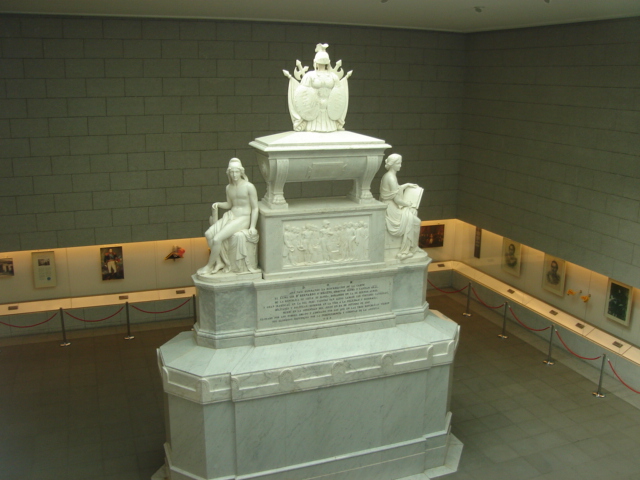
Grave of Bernardo O'Higgins
The marble monument in Santiago marking O'Higgins's final resting place after his remains were brought back from exile.
Marks O'Higgins's final resting place after his remains were repatriated from exile in Peru.
About this source
What it is
This is a white marble monument in an indoor hall in Santiago, Chile, marking the grave of Bernardo O'Higgins. It has a tiered base, a sarcophagus-like top with allegorical figures, and seated marble figures on each side.
Why it matters
O'Higgins died in exile in Peru, and his remains were later brought back to Chile, part of how the country built a posthumous cult around him as a national hero and founding figure of Chilean independence. Monuments like this show how nations honor and remember their leaders long after death.
Look closer
- What do the symbols and figures on the monument suggest about how O'Higgins was remembered?
- Why might a nation choose to bring a leader's remains home after exile?
- What does a grand monument like this tell us, and what might it leave out about the person's real life?
This artifact is part of the curated material that grounds the AI version of Bernardo O'Higgins on Humy.ai — when students ask about related events, the AI can quote it and cite it.
More Bernardo O'Higgins sources
Meet the AI Bernardo O'Higgins →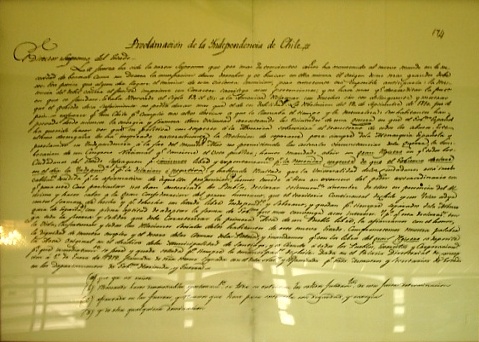 Document
Primary source
Chilean Declaration of Independence
Bernardo O'Higgins · 1 January 1818 (dated); proclaimed 12 February 1818
Primary source
Provisional Constitution for the State of Chile of 1818
Bernardo O'Higgins · 8 August 1818
 Document
Primary source
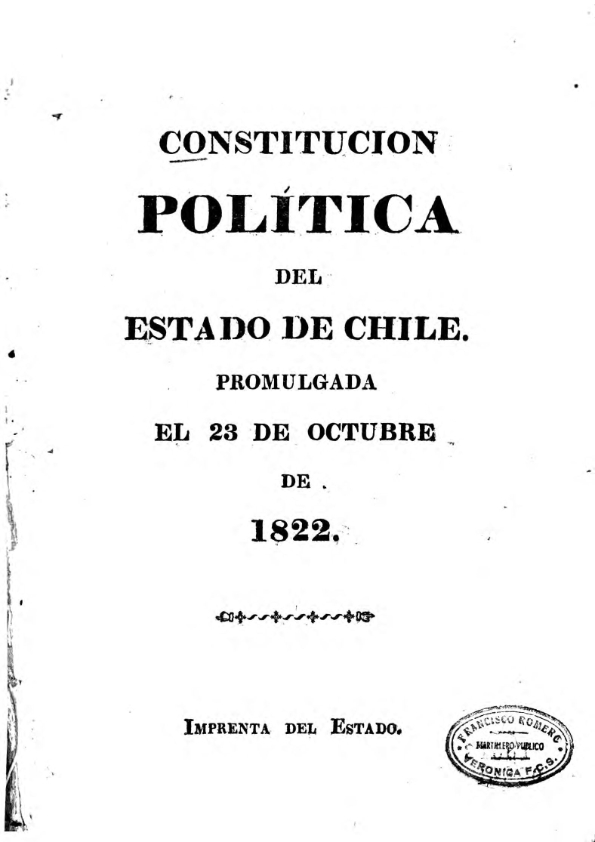
Political Constitution of the State of Chile of 1822
José Antonio Rodríguez Aldea · 23 October 1822
 Painting
Primary source
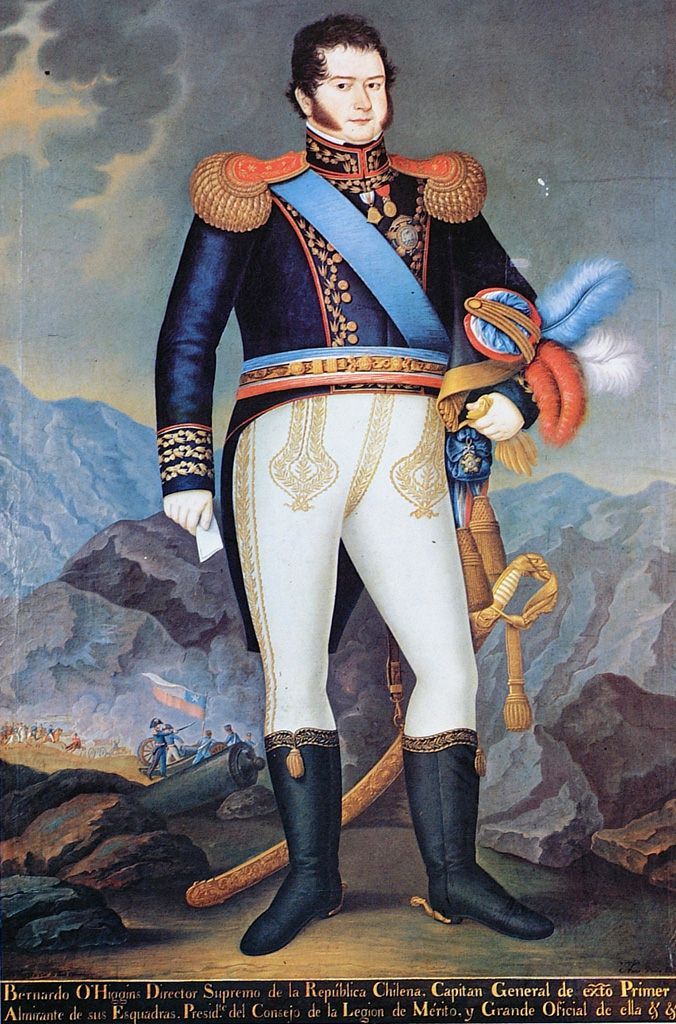
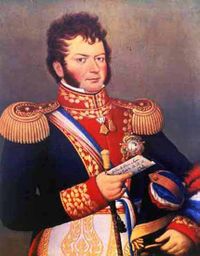
Portrait of Bernardo O'Higgins
José Gil de Castro
 Painting
Primary source
Bernardo O'Higgins Holding the Chilean Constitution
José Gil de Castro
Ready when you are
Start chatting with Bernardo O'Higgins now.
20 messages free · No credit card · Available in 50+ languages.