


Secondary sourceArtifact
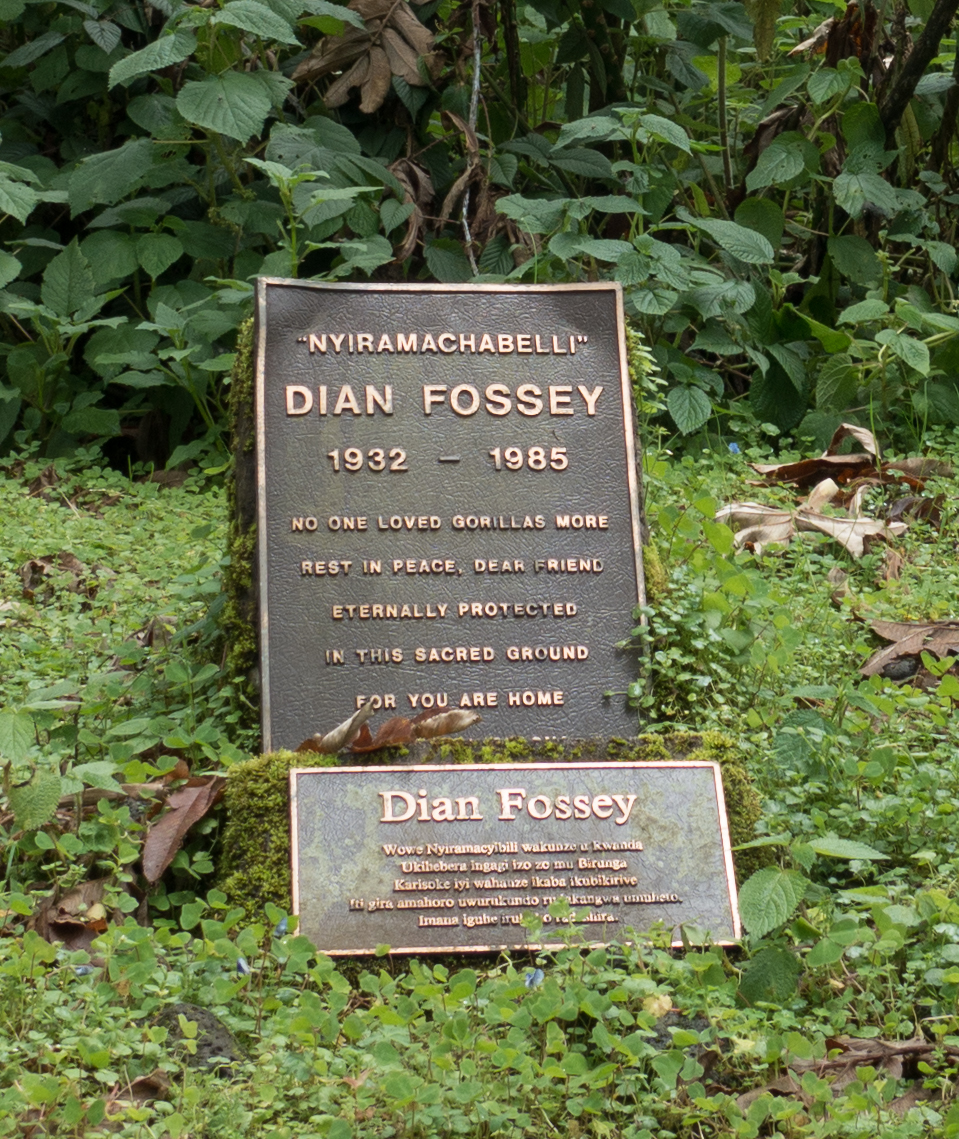
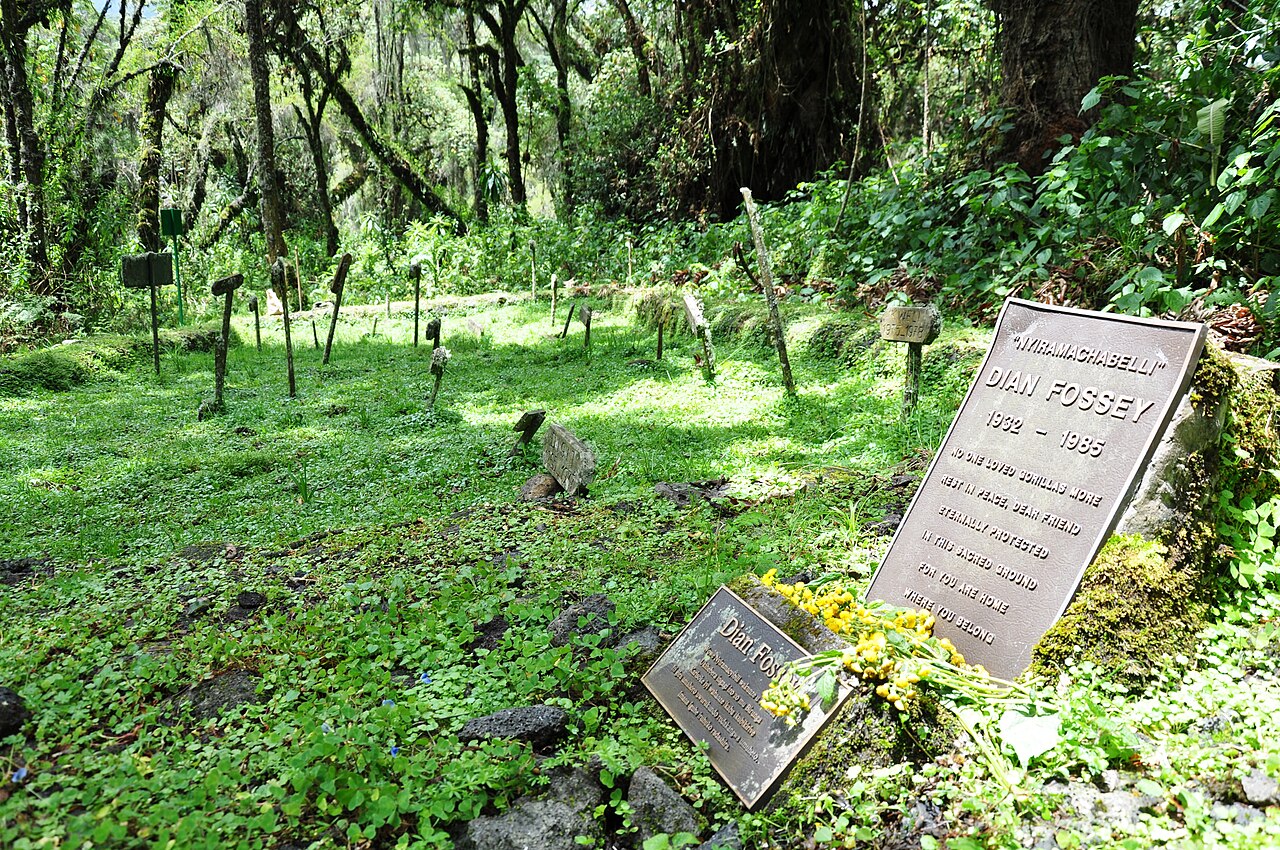
Grave of Dian Fossey
Fossey's grave at Karisoke, next to the gorilla Digit, in the graveyard she herself created, marking her life and violent death.
This is Fossey's own grave, marking the place and manner of her death at the research center she founded.
About this source
What it is
This is a photograph of Dian Fossey's grave marker at the Karisoke Research Center in Rwanda. A bronze plaque gives her name, the nickname "Nyiramachabelli," her dates 1932–1985, and a tribute saying "No one loved gorillas more." A second, smaller plaque repeats information in Kinyarwanda.
Why it matters
Fossey was buried at Karisoke, the research station she founded, in a graveyard she had built herself for gorillas she had studied, including one named Digit. Her grave marks both her deep devotion to the mountain gorillas and the fact that she was murdered there in 1985. It shows how closely her identity became tied to the place and animals she protected.
Look closer
- What does the inscription tell you about how others remembered her?
- Why do you think she was buried beside a gorilla rather than in a more conventional cemetery?
- What does the setting of the grave, deep in the forest, suggest about her relationship with this landscape?
This artifact is part of the curated material that grounds the AI version of Dian Fossey on Humy.ai — when students ask about related events, the AI can quote it and cite it.
More Dian Fossey sources
Browse all 23 →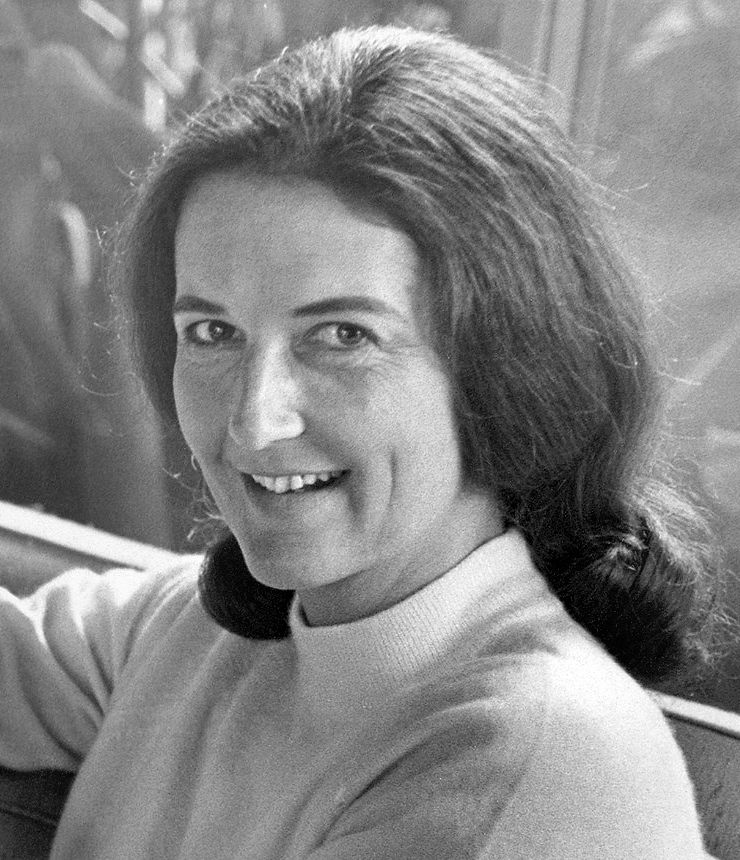 Photograph
Primary source
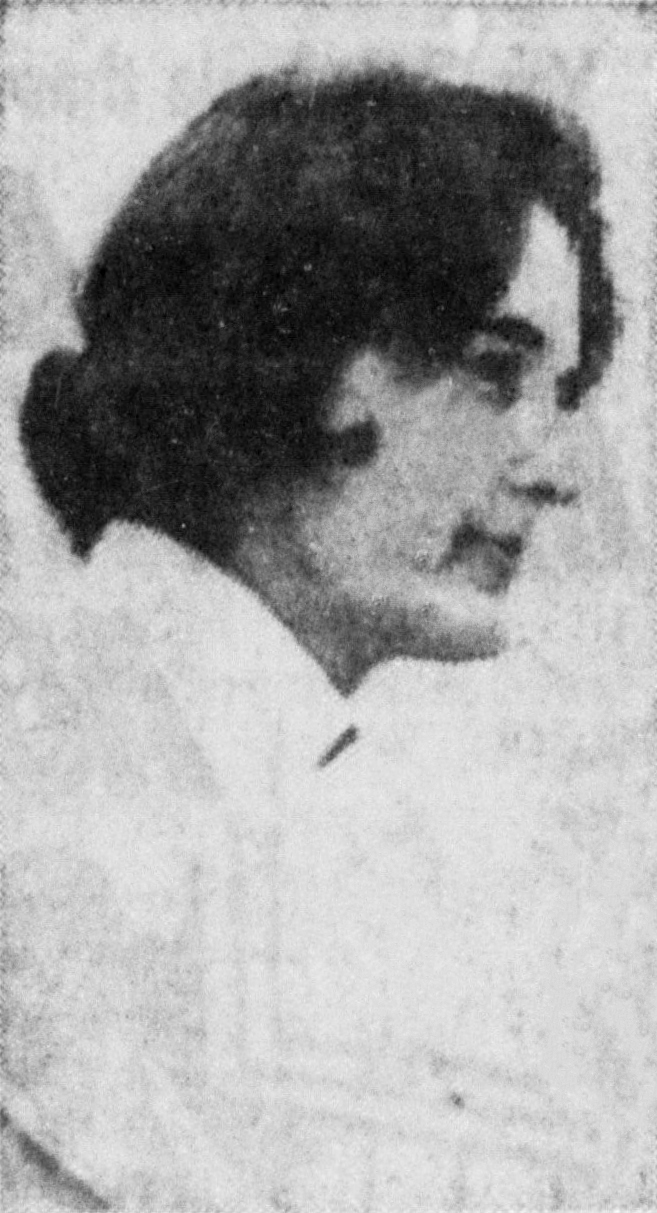
Portrait of Dian Fossey
1968
 Newspaper article
Primary source
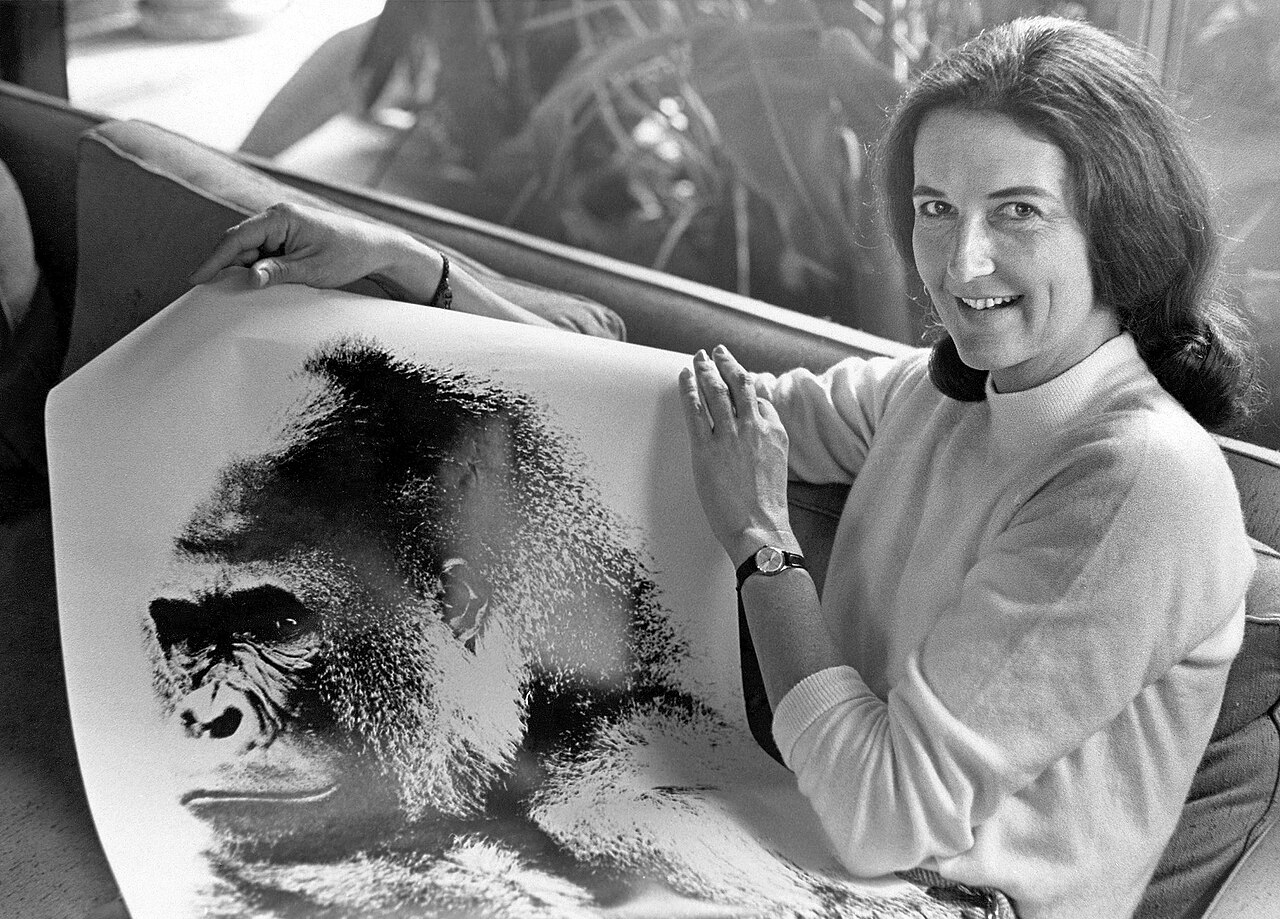
Dian Fossey Redwood City Tribune Photograph
31 October 1968
 Artifact
Primary source
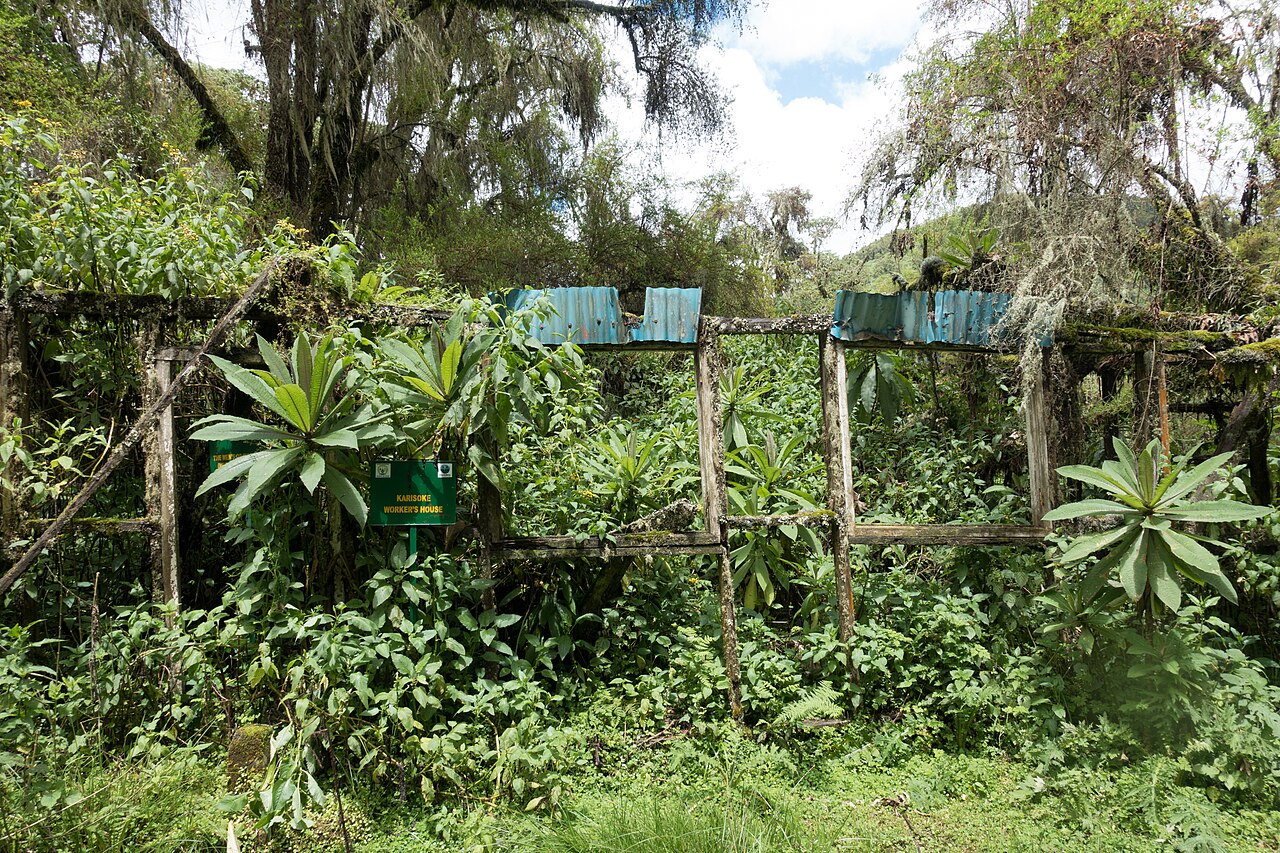
Karisoke Research Center
Dian Fossey · 1967
 Newspaper article
Primary source
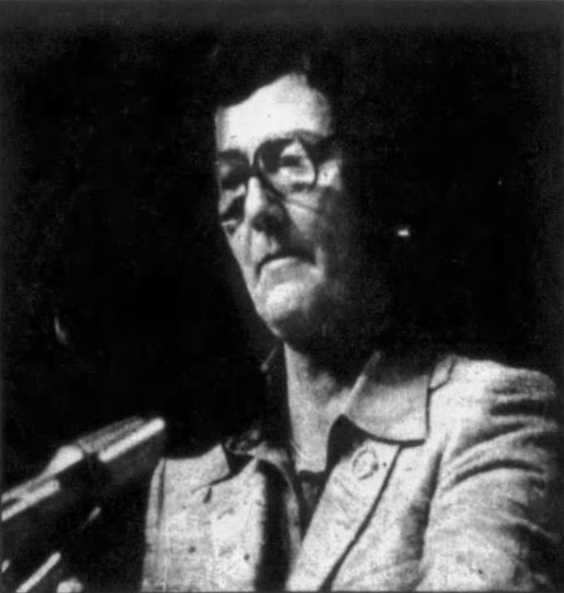
Dian Fossey, Pomona Progress-Bulletin Photograph
25 January 1968
Free account
Read every Dian Fossey source
Sign up free →
Ready when you are
Start chatting with Dian Fossey now.
20 messages free · No credit card · Available in 50+ languages.