


Secondary sourceArtifact
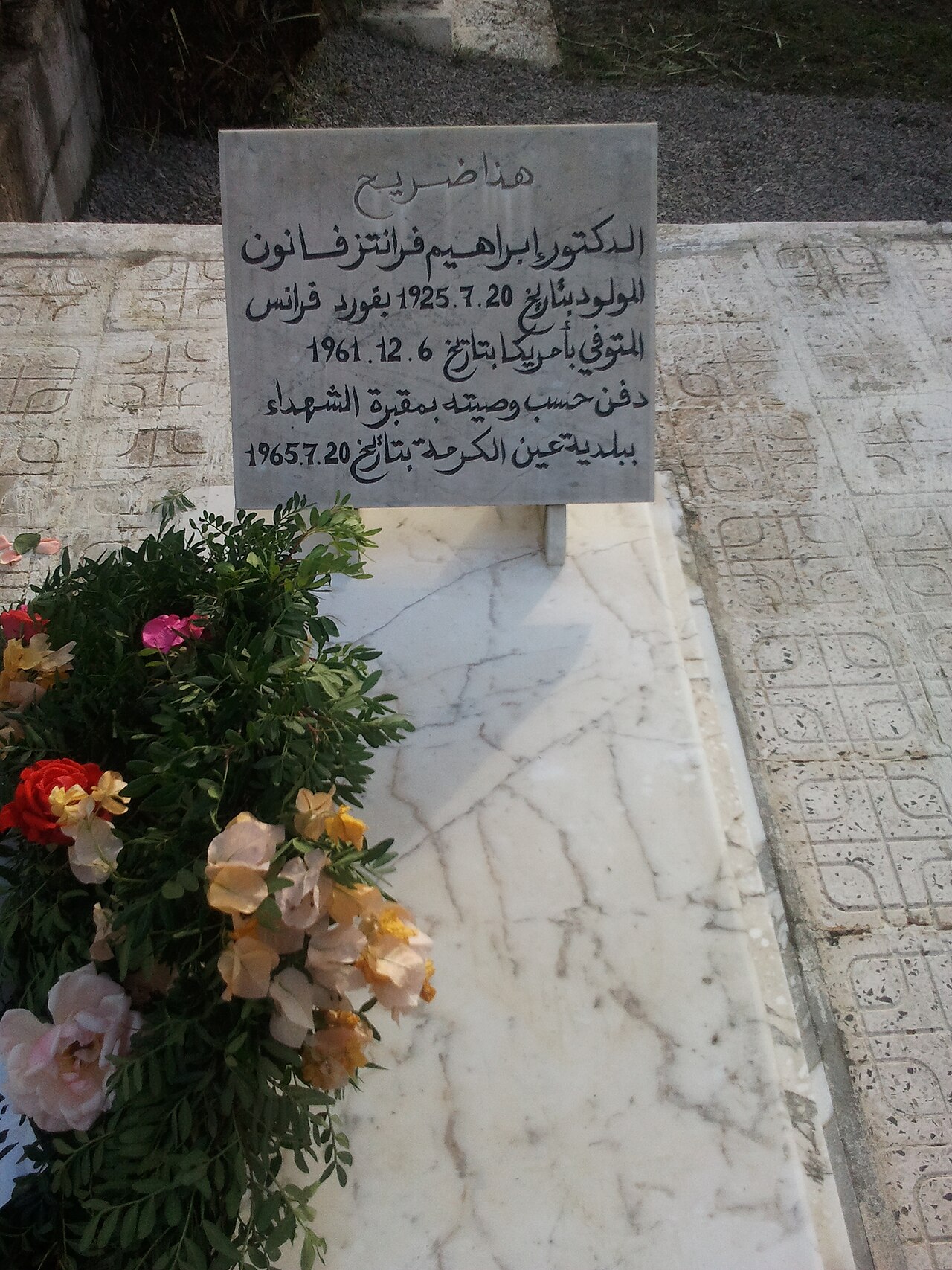
Grave of Frantz Fanon
The grave of Frantz Fanon at Aïn Kerma, in an ALN cemetery near the Tunisian border, where he chose to be buried among Algerian revolutionaries.
Fanon's chosen burial place reflects his lifelong identification with the Algerian revolution.
About this source
What it is
This photograph shows the grave of Frantz Fanon at Aïn Kerma, in a cemetery used by the Algerian National Liberation Army (ALN) near the Tunisian border. A marble headstone bears an Arabic inscription reading, in translation, "The doctor Ibrahim Frantz Fanon."
Why it matters
Fanon asked to be buried here, among Algerian fighters, reflecting how deeply he identified with the Algerian struggle for independence rather than with his birthplace in Martinique or his medical career in France. The Arabic inscription and the Arabic name "Ibrahim" given to him mark how he was embraced as part of the Algerian revolution.
Look closer
- Why might Fanon have chosen to be buried in Algeria rather than in Martinique, where he was born?
- What does the Arabic inscription and the name "Ibrahim" tell you about how he was regarded by Algerians?
- What questions does a grave leave unanswered about a person's life and choices?
This artifact is part of the curated material that grounds the AI version of Frantz Fanon on Humy.ai — when students ask about related events, the AI can quote it and cite it.
More Frantz Fanon sources
Browse all 14 →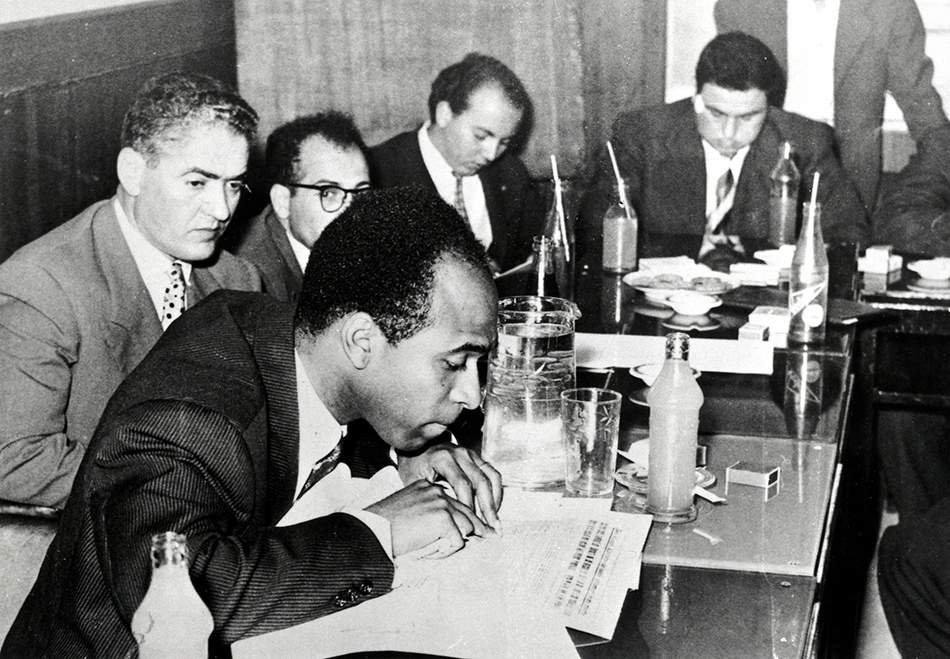 Photograph
Primary source
Frantz Fanon at a Press Conference in Tunis
1959
 Photograph
Primary source
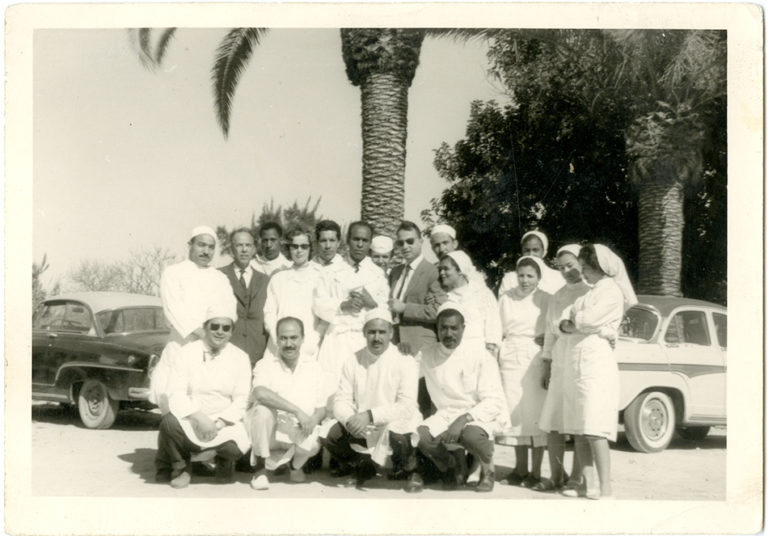
Frantz Fanon with Medical Team at Blida
1953-1956
 Photograph
Primary source
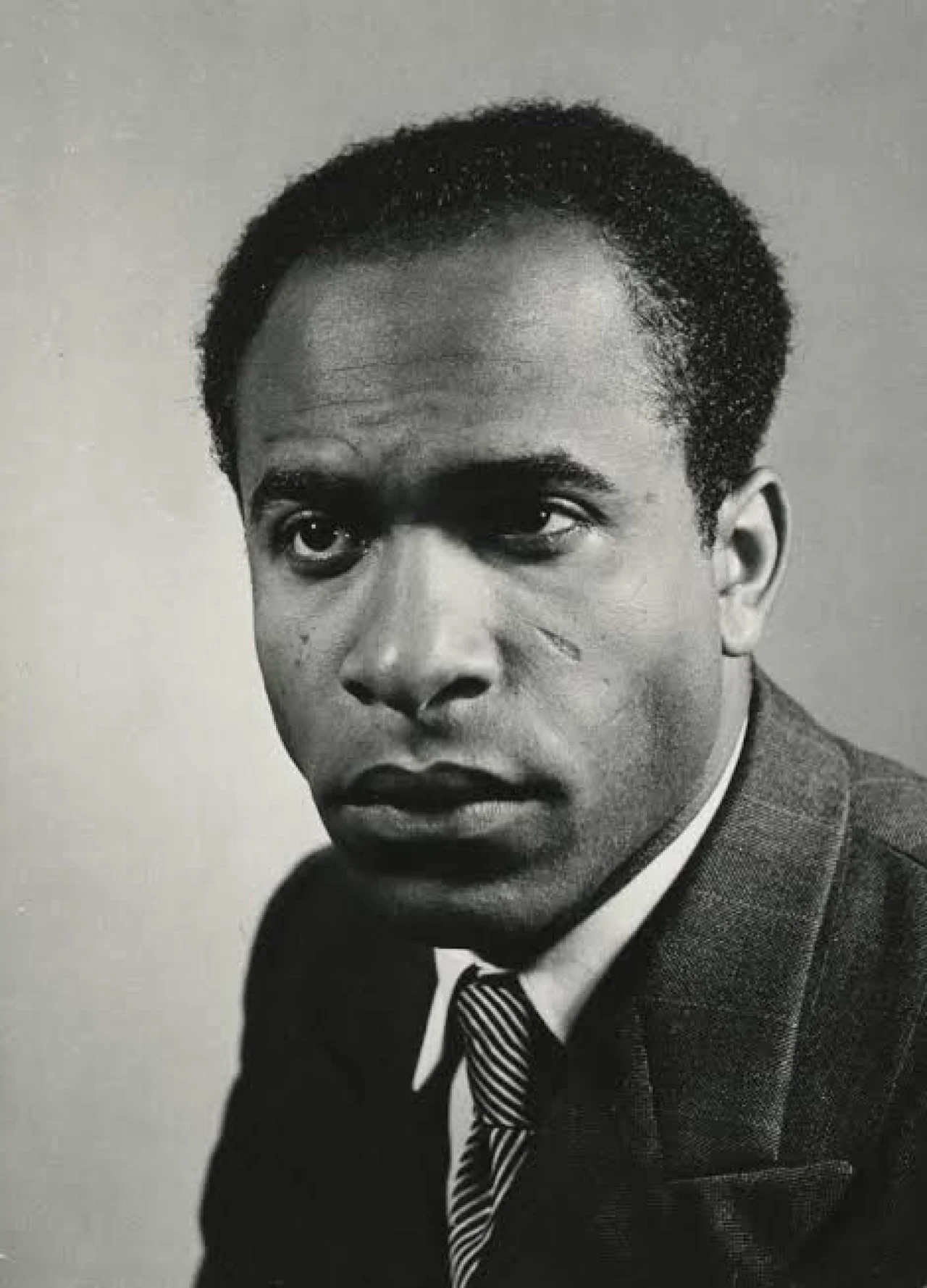
Portrait of Frantz Fanon
 Document
Primary source
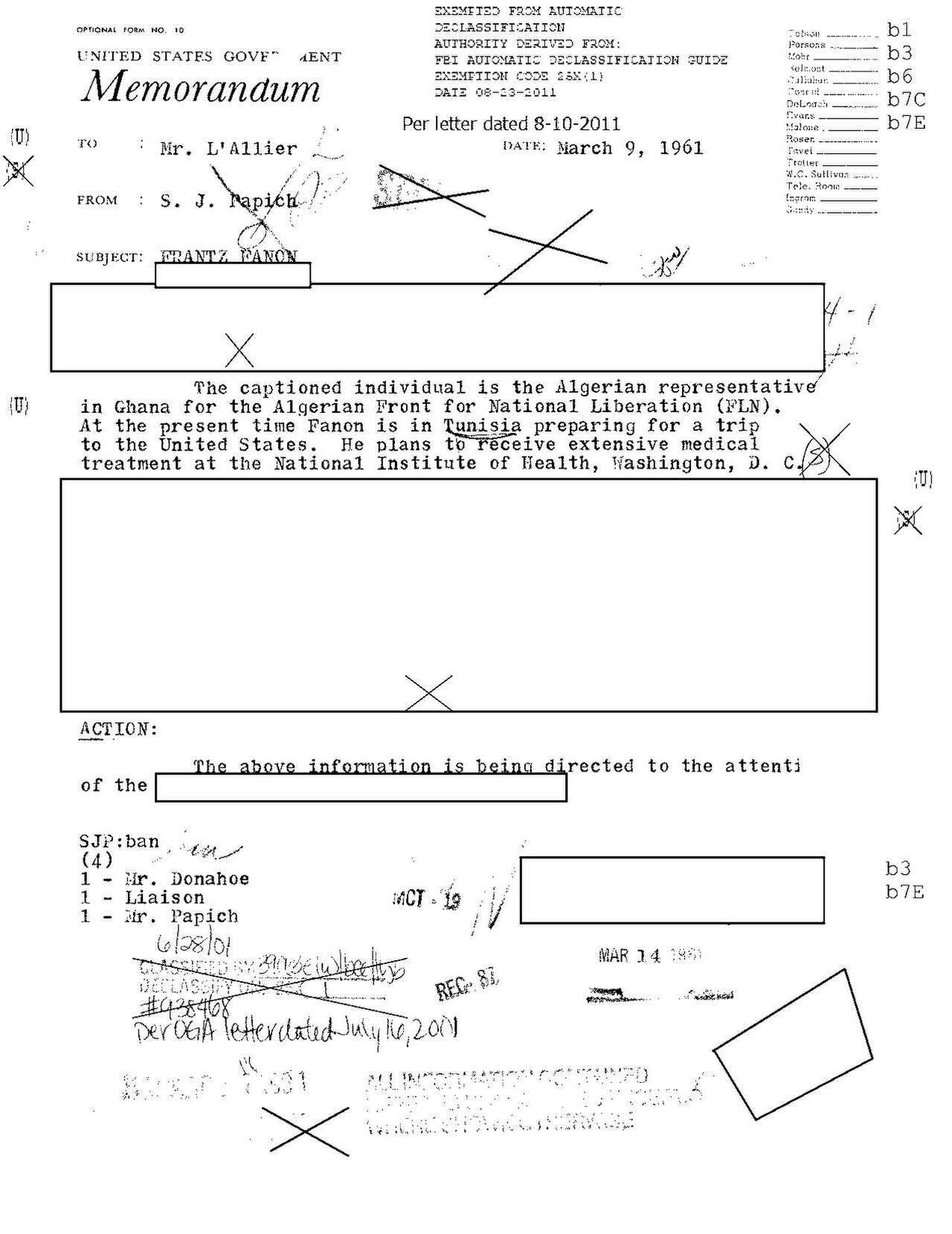
FBI Memorandum on Frantz Fanon
S. J. Papich, Federal Bureau of Investigation · 9 March 1961
Free account
Read every Frantz Fanon source
Sign up free →
Ready when you are
Start chatting with Frantz Fanon now.
20 messages free · No credit card · Available in 50+ languages.