


Secondary sourceArtifact1858
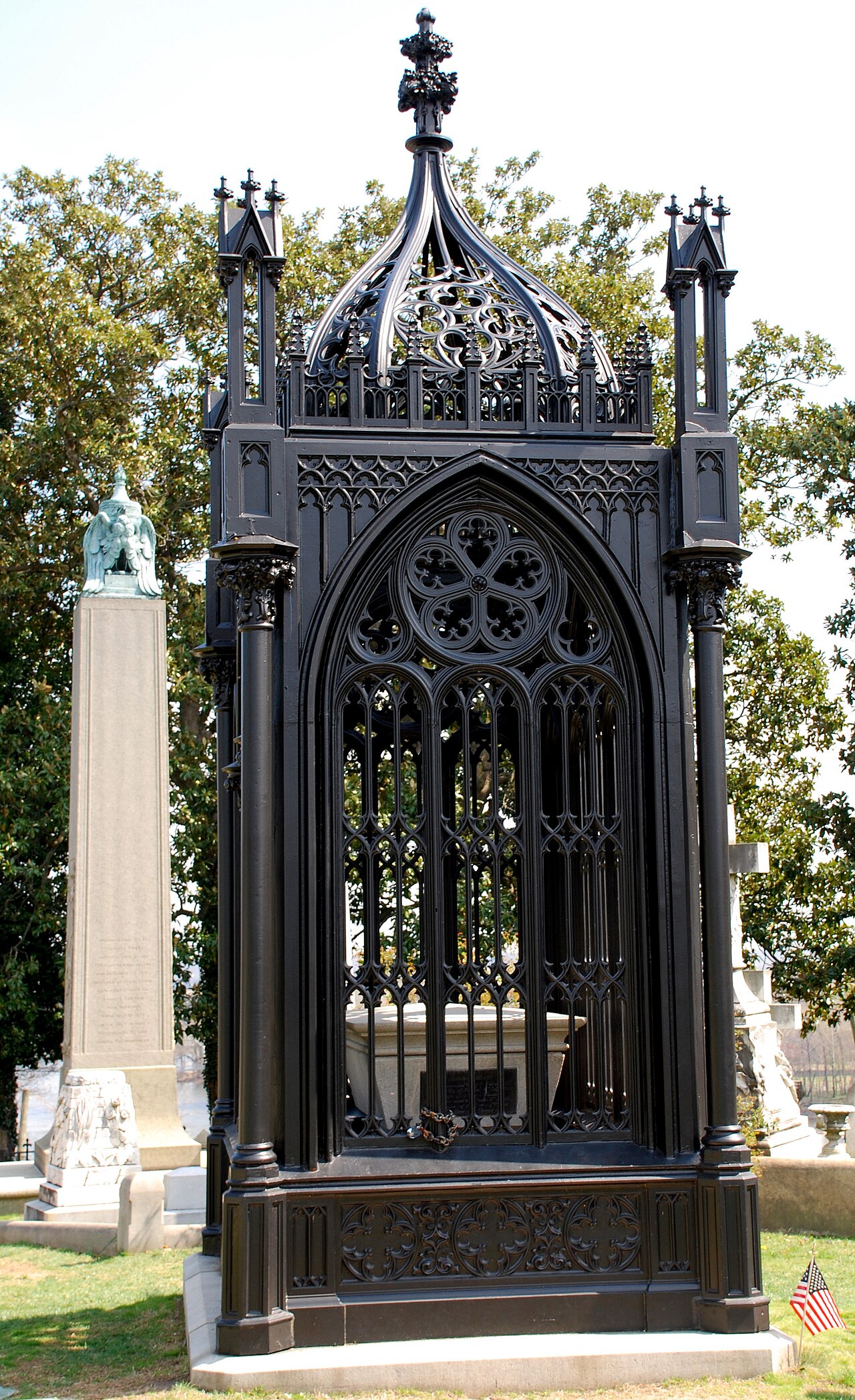
Grave of James Monroe
1858
Monroe's ornate cast-iron tomb in Hollywood Cemetery, Richmond, marking his final resting place.
This tomb is Monroe's final resting place, built to honor him after his remains were returned to Virginia.
About this source
What it is
This is a photograph of James Monroe's tomb, a Gothic Revival cast-iron structure built in 1858 at Hollywood Cemetery in Richmond, Virginia. The cage-like tomb has pointed arches and ornate tracery, with a stone sarcophagus visible inside.
Why it matters
Monroe's remains were moved to this tomb as part of Virginia's effort to reclaim him from New York, where he had died. Its elaborate design shows how later generations wanted to honor a former president as a symbol of state and national pride. Nearby in the same cemetery are the graves of President John Tyler and naval officer Matthew Fontaine Maury.
Look closer
- Why might a state want to bring a former president's remains back to be buried there?
- What does the fancy ironwork design of the tomb say about how Monroe was remembered?
- Why are other notable figures buried near Monroe in this cemetery?
This artifact is part of the curated material that grounds the AI version of James Monroe on Humy.ai — when students ask about related events, the AI can quote it and cite it.
More James Monroe sources
Meet the AI James Monroe →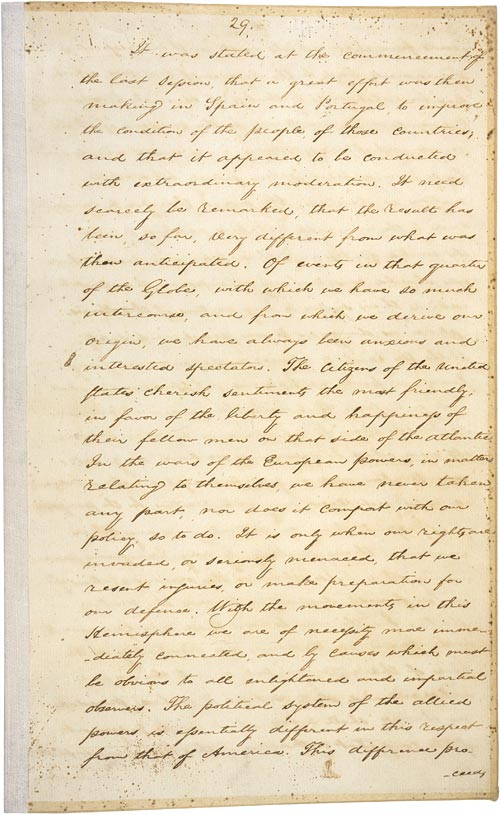 Speech
Primary source
Monroe Doctrine
James Monroe · 2 December 1823
Primary source
Louisiana Purchase Treaty
30 April 1803
 Document
Primary source
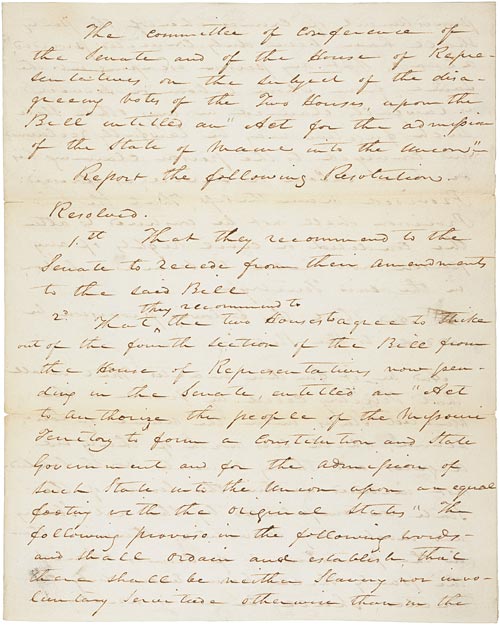
Missouri Compromise Conference Committee Report
1 March 1820
 Document
Primary source
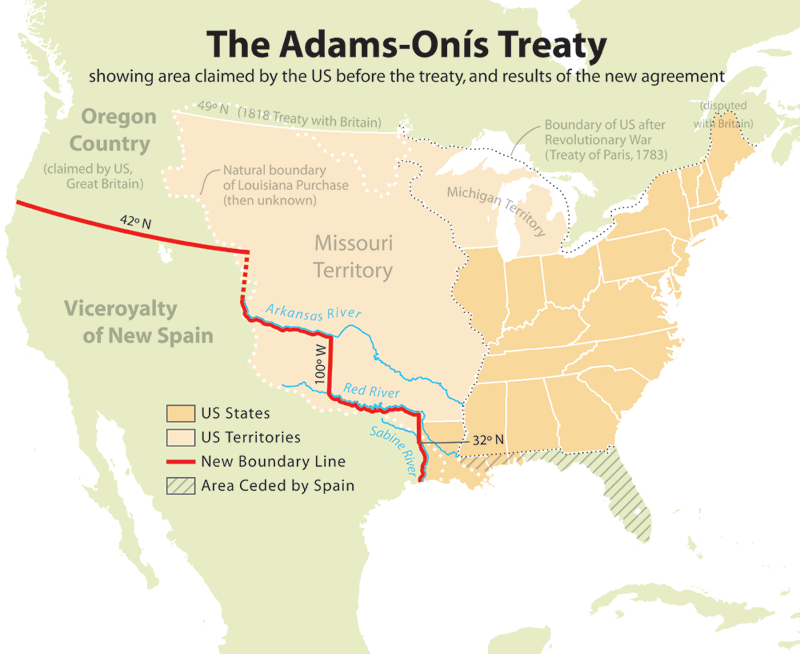
Adams–Onís Treaty
1819 (effective 1821)
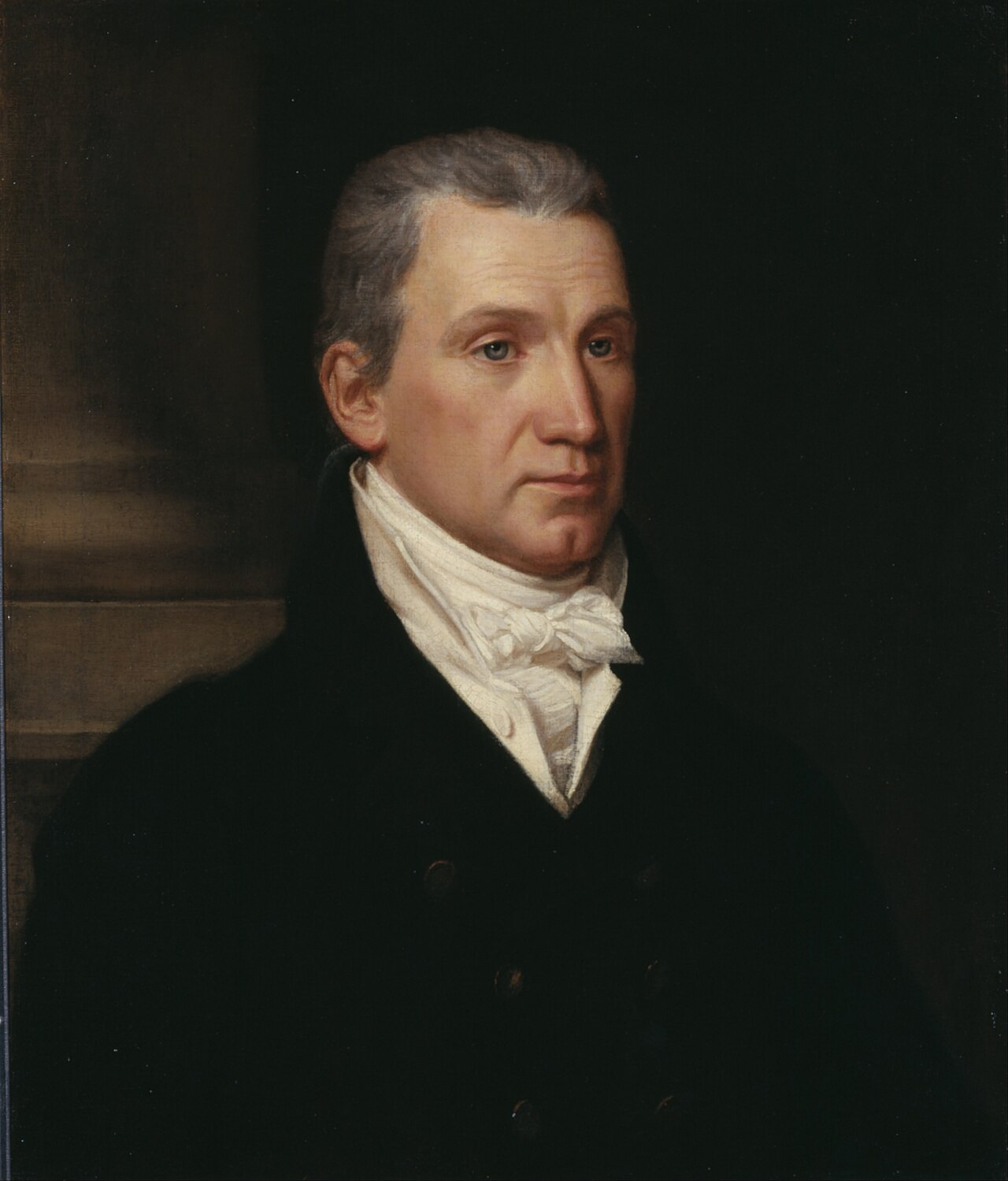 Painting
Primary source
James Monroe
John Vanderlyn · 1816
Ready when you are
Start chatting with James Monroe now.
20 messages free · No credit card · Available in 50+ languages.